

Council approves housing permit despite shearwater fears
A planning application for a new dwelling at Ventnor was approved by Bass Coast Shire at its last council meeting despite the close proximity of the proposed home to critical Short-Tailed Shearwater habitats.


A planning application for a new dwelling at Ventnor has been approved by Bass Coast Shire Council despite triggering significant community pushback due to its proximity to critical Short-Tailed Shearwater habitats.
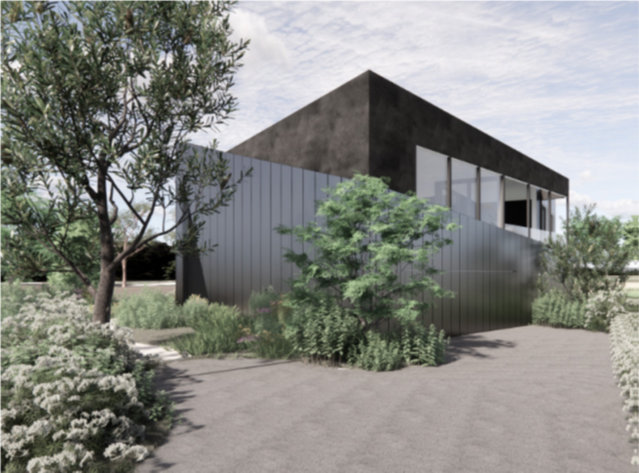
Council noted that 15 objections had been received primarily centred on concerns regarding neighbourhood character, environmental impacts, and the potential negative effects of vegetation removal on local wildlife.
Opponents argued that any loss of native vegetation would set a dangerous precedent for Phillip Island, potentially disrupting nesting patterns and increasing artificial light pollution which may disorient migratory seabirds during their annual breeding season.
To address community concerns strict conditions were attached to the approval including the deployment of wildlife-safe, shielded external lighting to protect fledgling shearwaters, and a rigorous landscape plan that featured indigenous plant species to offset the loss of native vegetation.
Despite heavy community opposition, council planning officers argued that the architectural design complied with local height and setback restrictions, and that the single-dwelling build represented an acceptable outcome for residential growth.
The decision left some councillors disappointed, with local conservation groups vowing to closely monitor the construction phase to ensure all environmental protection conditions are strictly enforced.
Council asked for a qualified zoologist to thoroughly inspect the area to ensure that native wildlife, particularly local Short-Tailed Shearwater populations are safely captured and relocated if found nesting on-site.
Councillor O'Brien argued that approving the project would directly contradict council’s core mission to protect the Island's natural attractions warning that encroaching on sensitive landscapes risked wider environmental degradation.
Local environmental watchdogs formally opposed the application including Phillip Island Nature Parks and the Ventnor Coast Care Association. These conservation groups argued that inserting a major building block into the coastal corridor would permanently fracture local biodiversity.
After a site inspection, Cr Morgan expressed sadness over potential foreshore vegetation loss but praised the strict environmental conditions in the council officers' recommendations.
Conversely, Cr Temby strongly opposed the development. Temby argued that the environmentally critical block should join the foreshore reserve to protect Short-Tailed Shearwater and Little Penguin rookeries.
It was noted that the rapid spread of the H5N1 bird flu virus made habitat protection increasingly urgent. Phillip Island Nature Parks warned against the development stating that bird relocation often fails because species instinctively return to established sites.
Councillor Bauer echoed these concerns, questioning if council was duty-bound to protect the colony from development given the new viral threat.
Councillor Bell offered a different perspective, noting that property owners in residential zones expect to build homes. Bell pointed out that a marginally smaller dwelling would not have even triggered a planning permit.
Supporters of the permit warned that a total rejection would backfire. They argued that without council oversight, the developer would bypass standard permit triggers by building a smaller dwelling.
This scenario would leave the foreshore unprotected, possibly resulting in alternative fencing that may allow dogs to escape into the reserve and destroy native habitats.
Ultimately, council concluded an appropriate compromise had been found, noting that approving the permit legally bound the developer to safeguard the foreshore.
Councillor Halstead strongly criticised attempts to block development on residentially zoned land, warning it could destroy local investment confidence. Halstead argued that landowners buy residential property with a legal expectation to build and have already negotiated conditions with officers.
Echoing the legal reality, Cr Morgan supported the decision on zoned land, praising staff for maximising protections under current laws. However, Morgan remained deeply concerned for at-risk environmental assets, specifically shearwaters and strongly advocated for state government buybacks of such precious land.
Councillor Bauer highlighted the need to protect natural spaces against the rising threats of the H5N1 avian flu and Cr Bell urged the developer to partner with Phillip Island Nature Parks to safeguard the local short-tailed shearwater colony.
Councillor O'Brien labelled the planning decision a fail for local conservation duties.
While noting the landowners acted in good faith O'Brien stated the case exposed major flaws in current environmental planning policies. To prevent future conflicts, O'Brien demanded a full audit to identify ecological pockets and buy back of threatened habitats.


