

Good nutrition the key to healthy ageing for older men
Older men across South Gippsland and the Bass Coast are being urged to check in on their physical and mental wellbeing and eat well for Men’s Health Week from June 15 to June 21.


OLDER men across South Gippsland and the Bass Coast are being urged to prioritise their nutritional health this June for Men’s Health Week, as experts warn that malnutrition and unexpected weight loss remain major threats to independent living.
For residents on the Bass Coast who are finding it tough to stretch their weekly budget, local relief is readily available. Healthy eating should never be restricted by financial hardship according to volunteers at the Wonthaggi Anglican food pantry.
The pantry provides free food parcels to anyone doing it tough financially, ensuring that no one in the community has to sacrifice their nutritional health due to rising living costs. Volunteers also have some healthy meal ideas for older men on a budget.
“St George’s Anglican Church has a monthly breakfast for older men on the first Saturday of each month,” said volunteer Ron Osbourne. “We have eggs, bacon, sausages and baked beans.”
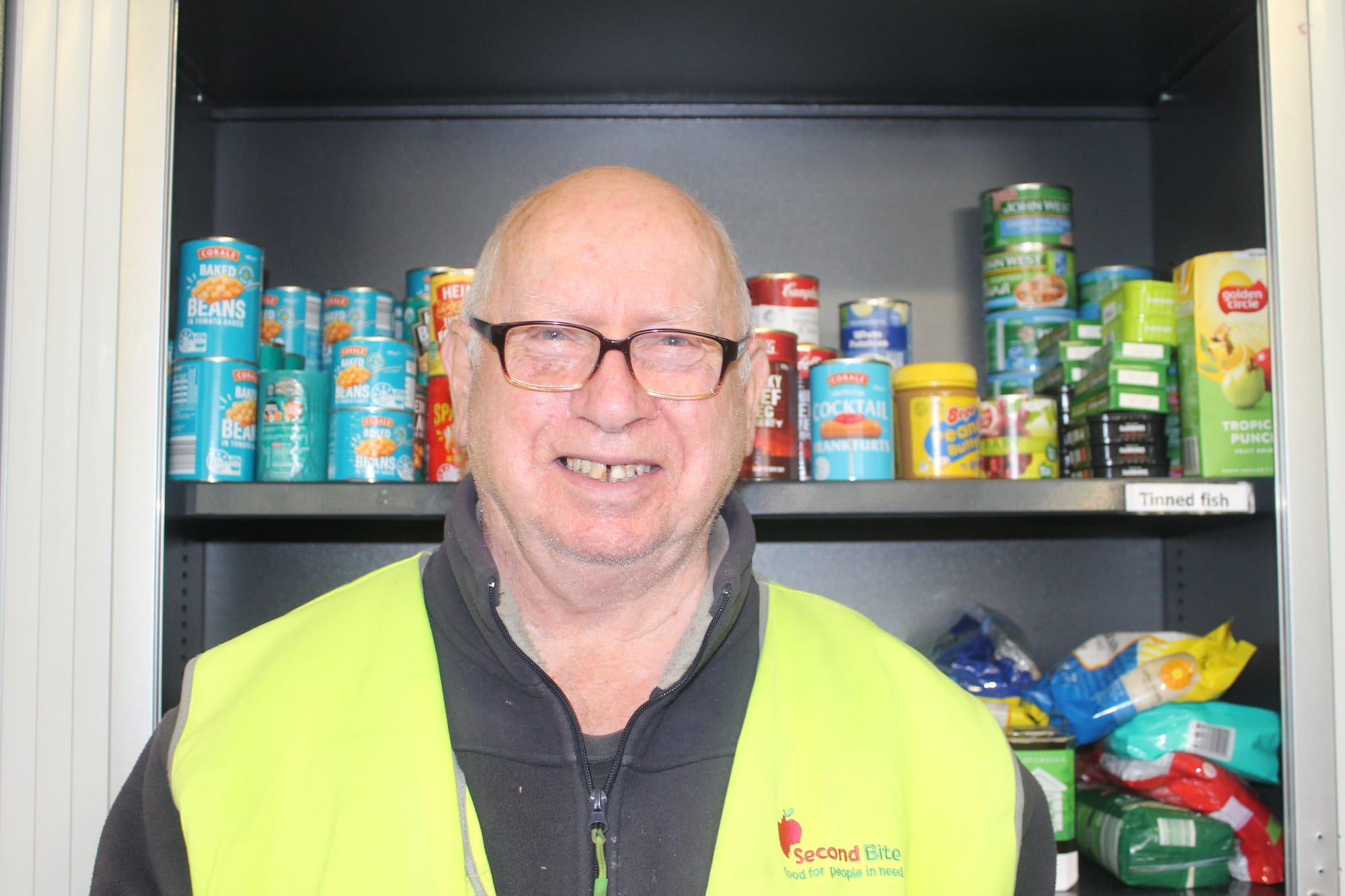
Food parcels are also available together with bread rolls and sliced bread and occasionally meat, fish and chicken when it’s available.
Although tinned food and frozen meals have become a staple for many older men food rescue service volunteer Kathy Beaumont suggested combining steamed vegetables with chicken or fish cooked in the air fryer for a simple meal.
“Soup is also an easy alternative,” said Ron.
Ninety-year-old Nick Pavic relies on his grandson to prepare his dietary needs.
Recent research has revealed that up to 50 per cent of older Australians living at home or in residential aged care experience malnutrition or unintentional weight loss. This hidden epidemic can drastically impact muscle strength, mobility, and overall quality of life.
Senior Dietitian Ashleigh Jones has warned that proper nutrition is the single most critical foundation for healthy ageing.
"It helps support muscle strength, energy levels, and overall wellbeing, allowing people to continue doing the things they enjoy," Ms Jones said.
Limited transport options, cognitive decline, or mobility issues make regular trips to the grocery store a stressful chore for some. Cooking for one after a lifetime of family meals can feel overwhelming, leading many men to rely on low-nutrient convenience foods.
"Unfortunately, malnutrition and unintentional weight loss remain surprisingly common among older Australians," Ms Jones explained. "Good food is one of life's pleasures and should not be compromised as we get older."
Navigating changing nutritional needs does not require complex culinary skills. Ms Jones emphasises that choosing nutrient-dense meals can help ensure older men receive the vitality they need to stay active and self-reliant.
To combat muscle wasting (sarcopenia) and bone density loss seniors have been advised to focus on building meals around the three core components of protein-rich foods such as lean meats, poultry, fish, eggs, tofu, legumes, and dairy products, whole grains and colourful seasonal vegetables to supply the necessary vitamins, minerals, and antioxidants to shield the immune system.
Dieticians suggest swapping white bread and refined cereals for brown rice, oats, quinoa, and whole-grain bread to sustain stable energy levels and support gut health.
The Anglican Food Rescue Service opens its doors for people of all ages every Wednesday and Friday from 11am to 11.30am at the back of St George’s Anglican Church 5 Hagelthorn St, Wonthaggi. There is no qualifying criteria or paperwork required. “Just simply turn up during opening hours to receive a grocery parcel and a warm helping hand,” said Ron.
Good nutrition during Men’s Health Week is more than just filling a plate, it’s about protecting the strength, freedom, and dignity of the men who built our communities.


