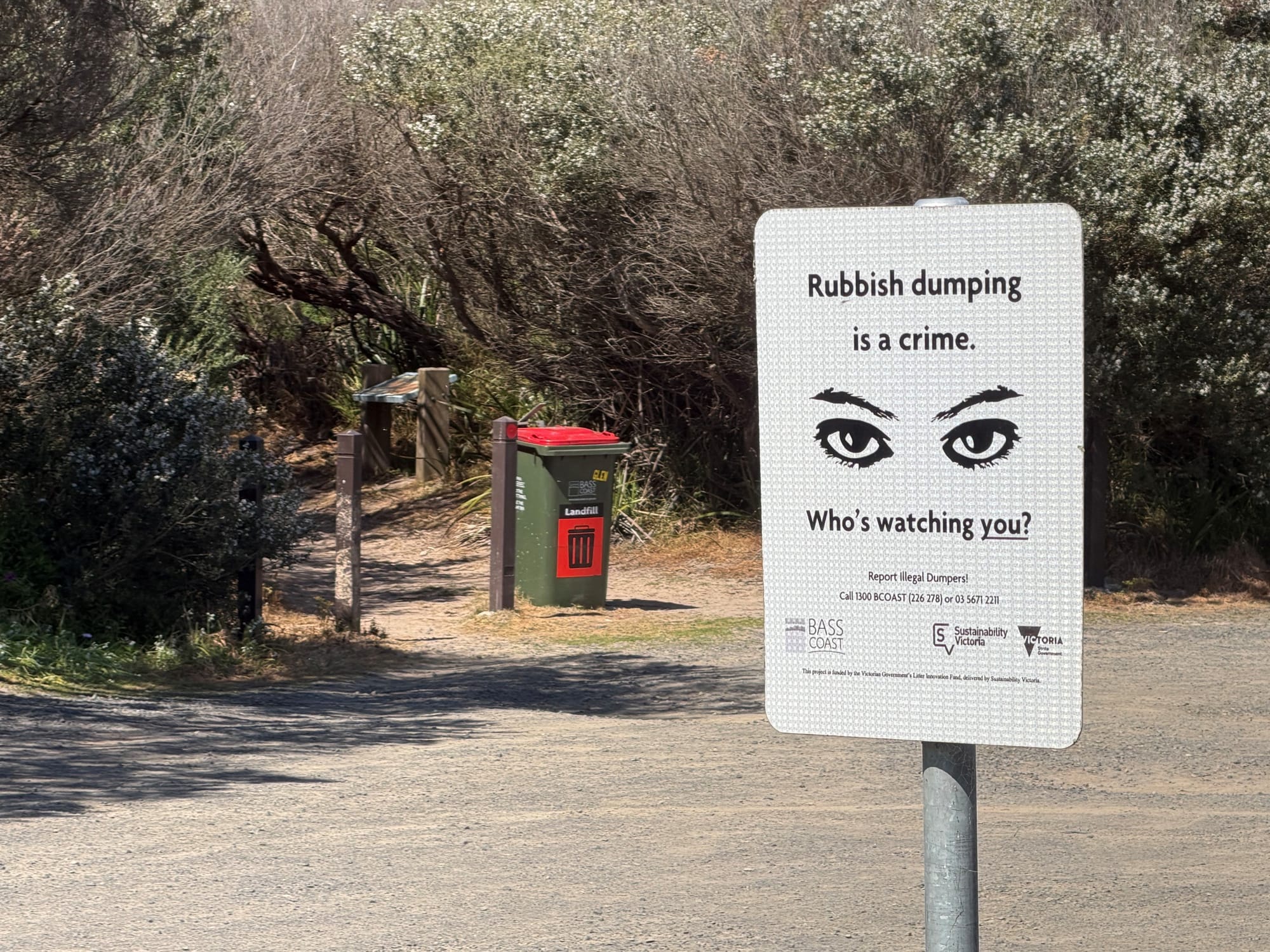
Grantville ratepayers unload on new ‘Municipal Waste Charge’
Why should we pay an extra ‘Municipal Waste Charge’ when we’re already paying thousands to get rid of our own waste? How farmers turned the council's new waste charge plan on its head with a simple question.


WHY should we pay an extra ‘Municipal Waste Charge’ when we’re already paying thousands to get rid of our own waste?
That was the question which turned the Bass Coast Shire Council’s plans to split the cost of waste management into two charges, on its head, at Grantville last Tuesday.
More than 25 people turned out at an information and consultation session at the Grantville Recreation Reserve pavilion at 1pm, most of them farmers, and it was refreshing to see shire officials, including General Manager of Innovation and Engagement, Patrick Dillon, turn what was advertised as a drop-in session into a roundtable discussion.
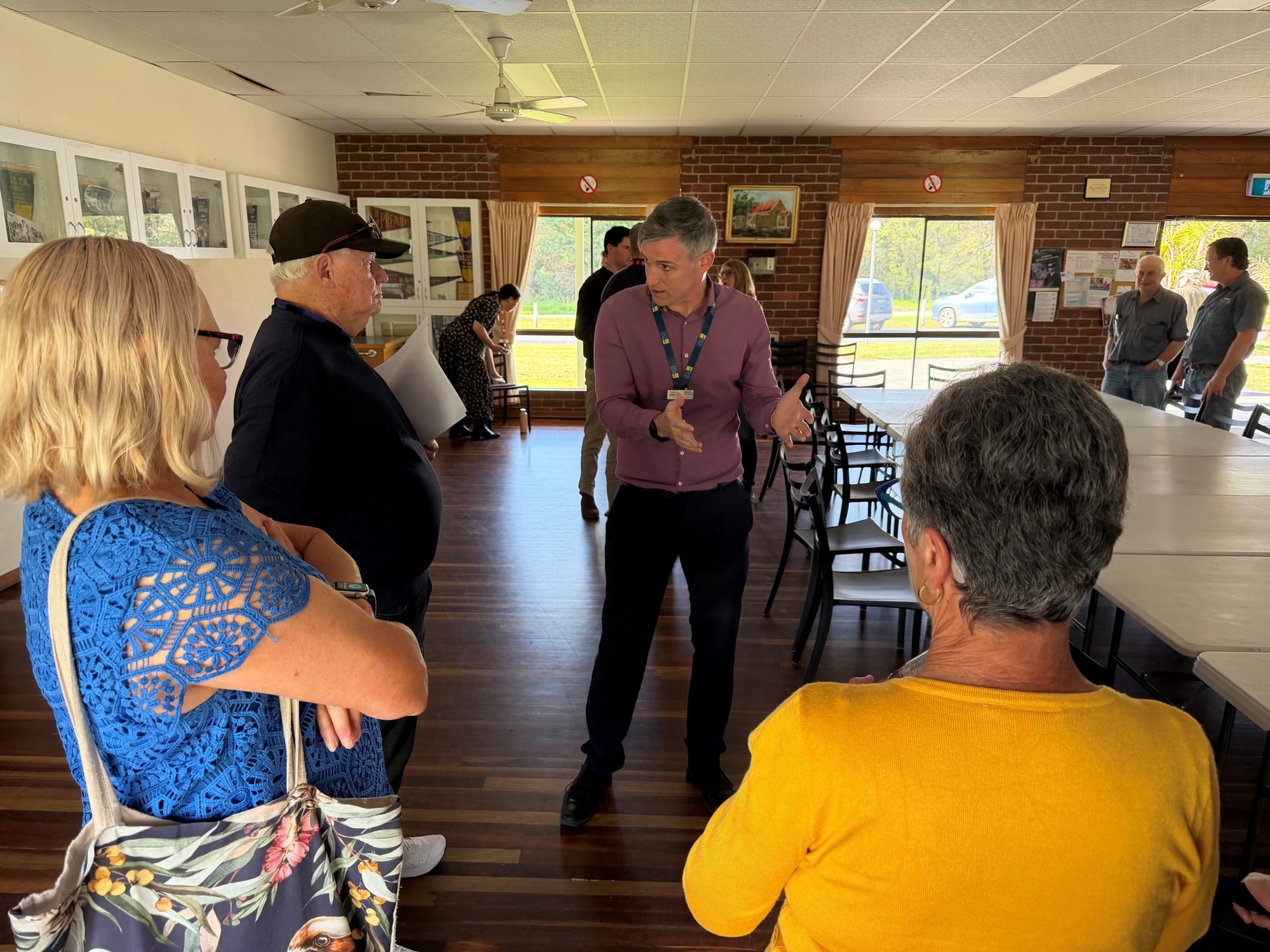
After providing some details about the shire’s waste service charge review process, including that the shire was looking at unbundling the cost of its waste services into a fee for service for the shire’s 30,000 ratepayers who receive a kerbside pick-up, and a general fee for the cost of everything else, to be paid for by all 34,000 ratepayers, including farmers and vacant block owners, Mr Dillon went around the table for questions.
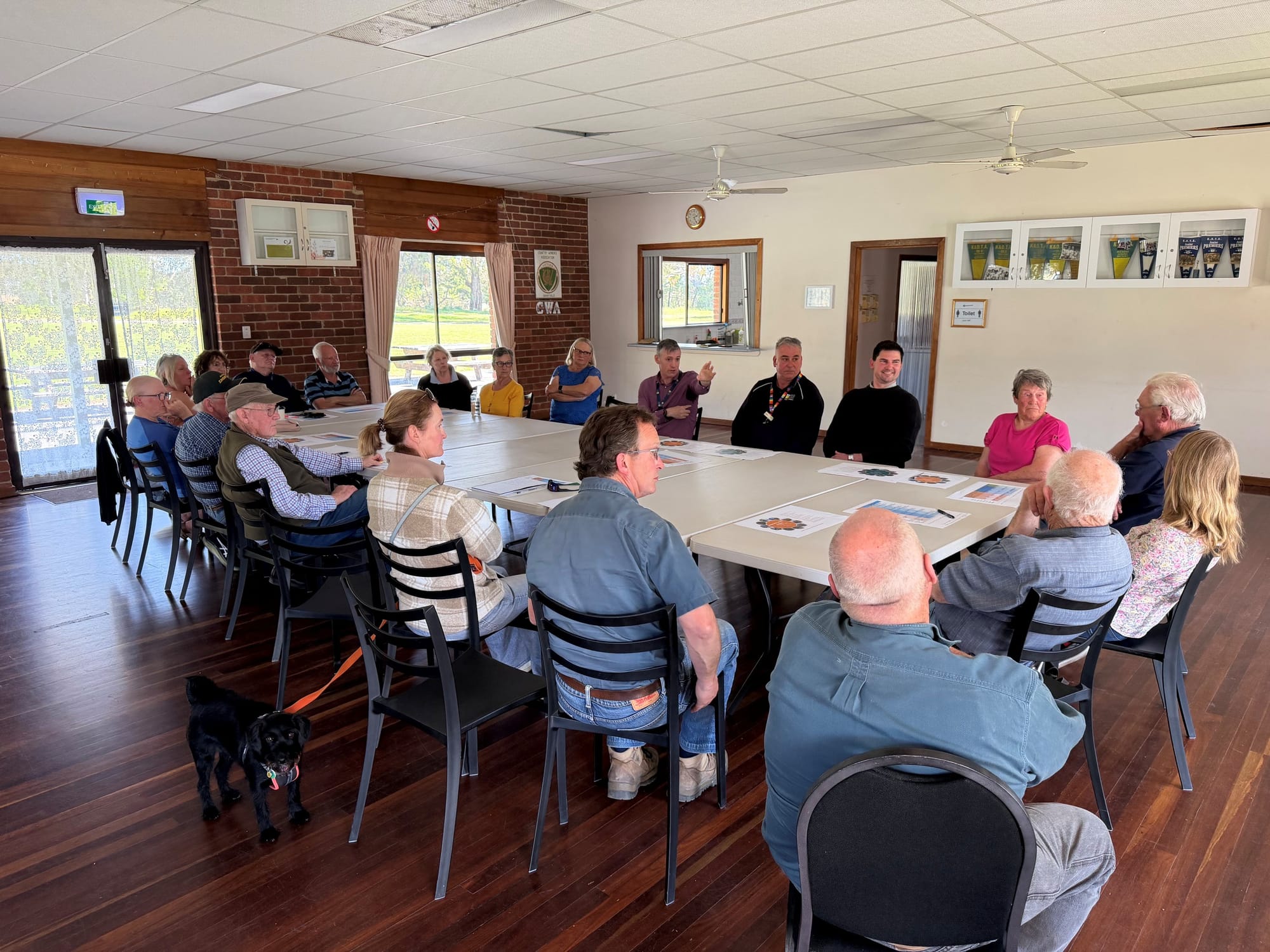
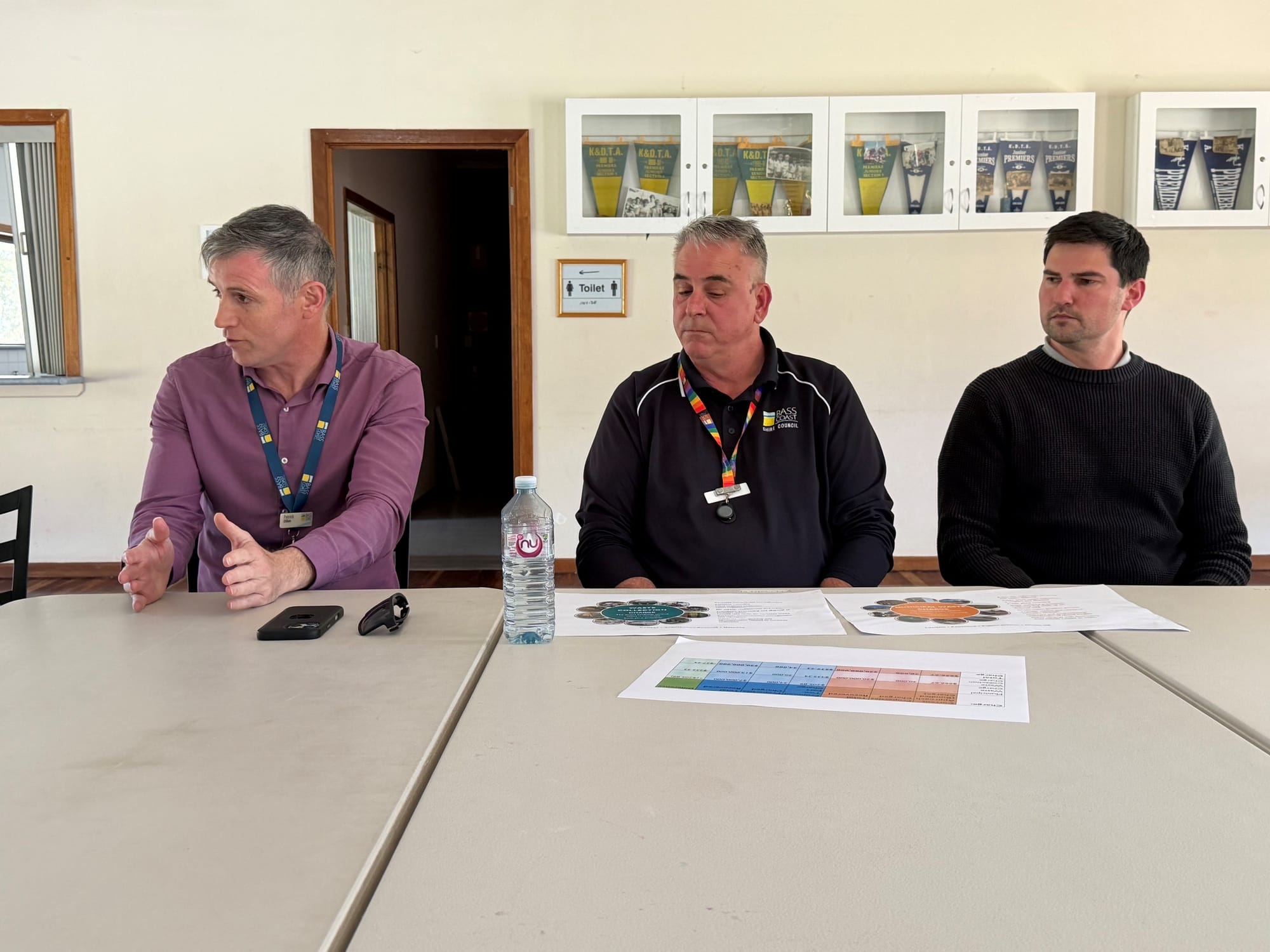
Through more than 30 community questions which followed the presentation by Mr Dillon, the coordinator of waste services Aaron Ferrell and financial services officer Joe Kay, residents opened a veritable Pandora’s Box of implications, information and objections.
- Does council realise how much we already contribute to the cost of our own waste management? Answer: We’ll certainly take that on board.
- How does council set the charges at the tip? Answer: Transfer station fees contribute to the cost of operations but there’s a balance. If they’re too high, we’ll get more illegal dumping. If they’re too low, we’ll get more people coming from outside the shire, so they’re benchmarked against what other municipalities charge. They don’t cover the cost of establishing a new landfill cell for example.
- Supplementary question: Why doesn’t the shire ask for ID at the tip (licence or rates notice) and charge outsiders more?
- Instead of hitting them with an extra fee on their rates’ notice, will council give a discount to those who pay to dispose of their own waste? Farmers and other rural residents, they say, pay upwards of $1500 to waste contractors annually, plus as much as $4000 annually to take waste to the tip (including the cost of their own time, fuel and fees). Answer: Those comments are noted and will form part of our consideration.
- Why are you doing this? Just because Spring Street (State Government) has established a cap on rates doesn’t mean you can go outside the rates to levy additional fees that should be included in the rates. Answer: We are not increasing revenue. This is seen as a more equitable, more transparent way to cover the cost of waste management in line with government guidelines. We committed to looking at this during the rating review last year. We’re not double dipping. Managing our legacy landfills (old tips) is a factor, with cost of compliance rising above CPI. Some municipalities but not all have spilt waste costs on rates notices.
- Why not include the general waste charges in the rates? Answer: The State Government is talking about bringing it in under the rate cap but if that happens it will be a whole different issue because waste costs are going up way above most other council costs. It’s also different in regional areas to metro areas where everyone has a kerbside collection and contributes to the cost through their garbage charge.
- Waste is core council business; roads, rates and rubbish. Where does the rates money go if council can’t pay the cost of waste management out of it? We can’t just keep plucking money out of the air. Council should get back to the basics. Rubbish is more important than sporting ovals. Answer: Our biggest cost is the cost of infrastructure maintenance. We also have the issue of being a tourist destination where visitors generate a lot of waste we have to deal with.
- A lot of us are farmers with incomes that go up and down. We can’t be constantly paying more. Answer: We understand that you think waste costs should come under rates, but councils are legislated to have responsibility for a lot more services than just roads and rubbish. There’s also the issue of cost-shifting which is a constant challenge for us but I’m the manager of innovation to and if we have 10 ovals and we can’t afford them. I can bring that to council as well.
- You talk about transparency and equality but this isn’t equitable. You need to be looking at what it costs each person to deal with their own waste. You may need to give us a rebate for saving you the cost of picking up and managing our rubbish. Answer: All good points. This is just a proposal. We haven’t put the final proposal to council.
- Why don’t you put a toll on the bridge or work out another way to get a contribution from visitors. Answer: Yes, it’s an issue, how do we get the visitors to pay.
- How much do people in Wonthaggi pay? I pay $1500-a-year to get my bin collected by a contractor. Answer: $681.73 this year.
- Supplementary: How do I get my bin picked up? Answer: We have serviced and non-serviced areas, but you are quite within your rights applying to get picked up.
- So, you’re saying that people outside the towns have to pay more. How much? Answer: Looking at about $200. At the moment we bundle our waste charges together but not all of it relates to the cost of a kerbside service. There’s also picking up council-owned bins and dealing with dumped waste.
- I live in a non-serviced area and I object to paying for something I don’t receive. You kicked up the short-stay fee without justification, you could do it here as well. We’re hardly likely to be dumping waste illegally in rural areas. That’s coming our of the towns as well. Answer: I understand that but it’s about charging for the amenity that we all enjoy. If there’s a footy match, we’re picking up the bins. We’re also cleaning up the illegally dumped waste around the place, even if you didn’t do it. This is about paying for services that benefit everyone. I’m a farmer’s son, I grew up in county Gallway. I understand where you’re coming from but who pays is a legitimate debate.
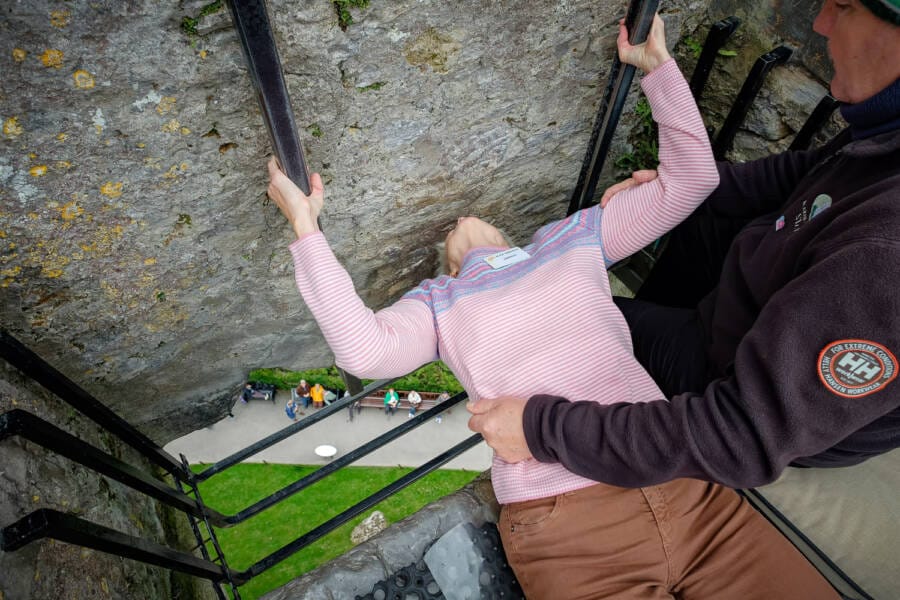
- I hope you’re not giving us too much blaney, then! Answer: I’m from Gallway. Blaney is in Cork. I’ve never kissed the Blaney Stone.
- I don’t think you can levy two sets of charges on the rates notice. It’s an unfair way of going about it and you’re not even offering any tip vouchers. Answer: Would that make a difference? It might depending on how many.
- We only have a short green waste amnesty period, not as long as South Gippsland’s. Why don’t you allow free green waste all-year-round. It would certainly help with the fire danger problem. Answer: We could look at extending the green waste period. We’re looking at making waste disposal fairer at Grantville with a second weigh bridge. You’ll drop your rubbish according to weight (and type), not the volume on a box trailer for example.
- The timing of the waste review is interesting after you increased the farm rate differential to 65%. Answer: I can assure you it has nothing to do with that. We’re also reviewing the Rural Land Rebate looking at the best investment in land management.
- By giving most people a $27 discount, you’ve stacked the vote. How many of the councillors get a rubbish bin pick up? Answer: We haven’t stacked the vote, this is motivated by getting a fairer system but it may be people are happy to take the cost off the farmers for their management of the land.
- This is another increase in the cost of living which is the biggest issue at the moment. Answer: The last thing we want to do is increase the cost of living. No one wants to pay rates, we get that. We’re saying that 30,000 ratepayers are paying for the general waste costs, but you’re saying that you’re already paying to remove your own waste with contractors and at the tip. We understand that.
- What about giving us a list of the things that are going to be covered by this new charge and what each individual service costs. We haven’t got that information. What are your plans going forward, your 10-year plan. Answer: We do have forward plans, but yes, we could be communicating that better. There’s a lot of information, we just thought we’d start off with enough information to start the conversation. Nothing is decided yet.
- How many councillors are here today? I would have asked them what they were going to take back to council. Answer: We’ve already had two sessions, one at Cowes and one at Newhaven, and one online and there were councillors at each of those but this is by far the biggest number we’ve had.
- Will I have to pay $200 on each assessment, that could make it a $1000 charge? Answer: We could look at a charge for adjoining properties or one farm enterprise.
More consultation
There will be community consultation opportunities as follows:
- Friday, October 2 – Inverloch 12:30pm-2pm, Inverloch Hub Community Room
- Saturday, October 3 - Wonthaggi 10:30am-12pm, Wonthaggi Town Hall
- Tuesday, October 6 - Online 9:30am-11am, online - register on the council’s Engage Bass Coast website.
- Tuesday, October 6 - Krowera 5:30pm-7pm, Krowera Community Hall
- Wednesday, October 14 - Online 5pm-6:30pm, online - register on the council’s Engage Bass Coast website.
At its council meeting on September 16, 2026 Bass Coast Shire Council voted to consult with the community on a new way to raise the money it needs for general waste services, from which the whole community benefits, via a community-wide ‘Municipal Waste Charge, to which farmers and vacant land owners would also contribute. Those who get a kerbside pick-up will only pay for the costs associated with that service.
Here’s council’s summary:
Bass Coast Shire Council currently recovers waste-related costs through a single bundled waste charge. A review has identified an opportunity to improve transparency, equity, and alignment with emerging Victorian local government practice through the introduction of a differentiated waste service charge model comprising:
- Waste Collection Charge for direct kerbside collection services.
- Municipal Waste Charge for municipality-wide waste and public realm services.
Benchmarking of Victorian councils demonstrates increasing use of separated and transparent waste charging frameworks, with councils across Victoria adopting approaches that distinguish between direct property services and broader community waste services.
The proposed review is not intended to increase total waste revenue collected by Council. Rather, it focuses on allocating costs more transparently and equitably between serviced and non-serviced properties while ensuring long-term financial sustainability of waste services.
A Revised Waste Service Charge model is expected to be presented to Council for consideration in February next year.