

Interest rate rise heaps more pressure on the cost of living
The interest rate rise on Tuesday and another expected next month is supposed to be the medicine needed by a sick economy but it's mortgage holders who are paying the price heaping more prssure on the cost of living.


IT WAS pain on top of pain on Tuesday this week when the Reserve Bank of Australia raised interest rates for the fourth time this year by 25 basis points to a 15-year high of 4.60 per cent.
That’s an increase of more than $200-a-month in interest repayments alone on a $1 million home loan.
And comes as 91 per cent of undecided Victorian voters listed cost of living as a top five election issue, according to research by SEC Newgate, Australia’s largest full-service strategic communications firm.
Victorian voters, they say, are focused on cost of living irrespective of their party preference.
It’s the biggest issue for Labor voters (72%) and Coalition (71%) supporters. It’s even level pegging with the climate and the environment for Greens’ voters as the equal top issue (71%).
Neither the interest rate rise nor the focus on cost of living by so many comes as any surprise to Richard doing his shopping at Woolworths on Phillip Island last Tuesday afternoon.
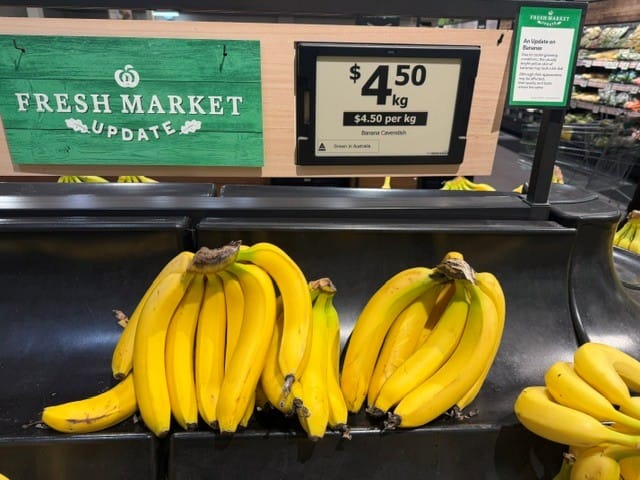
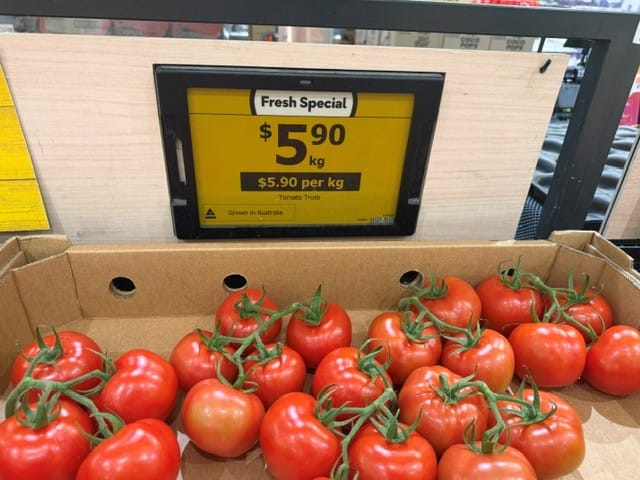
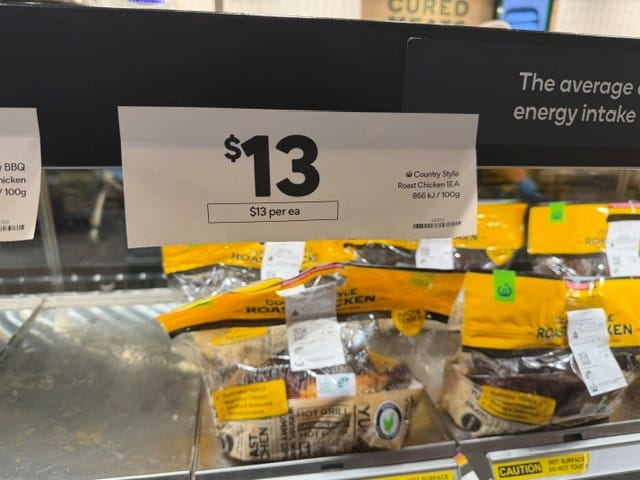
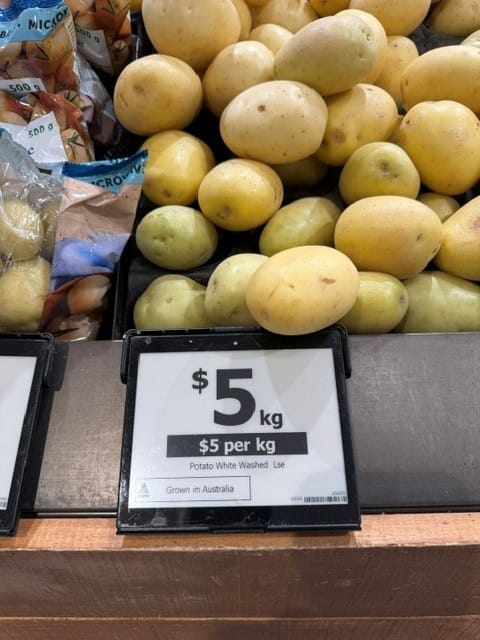
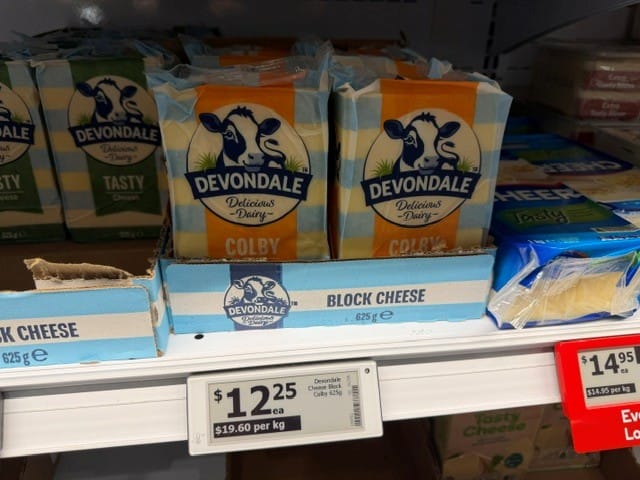
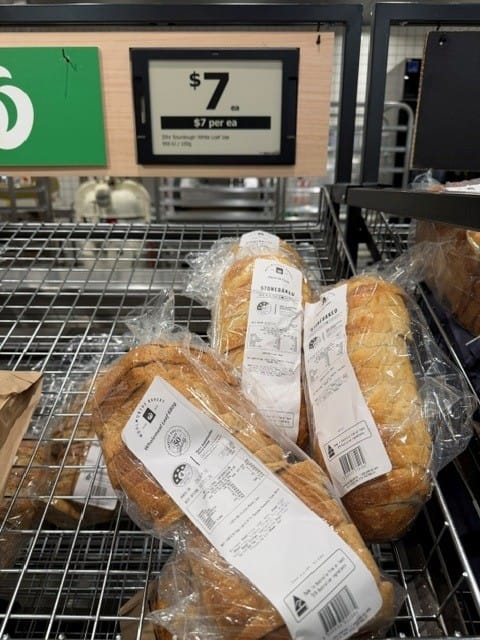
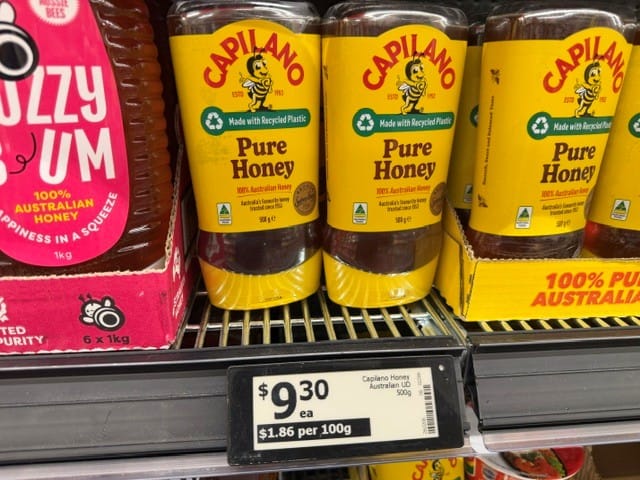
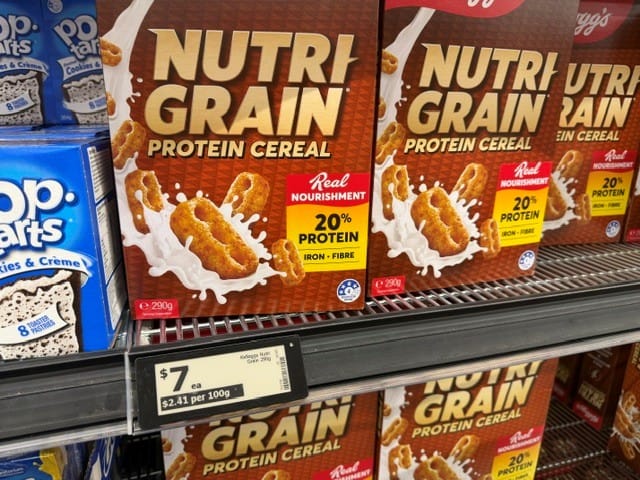
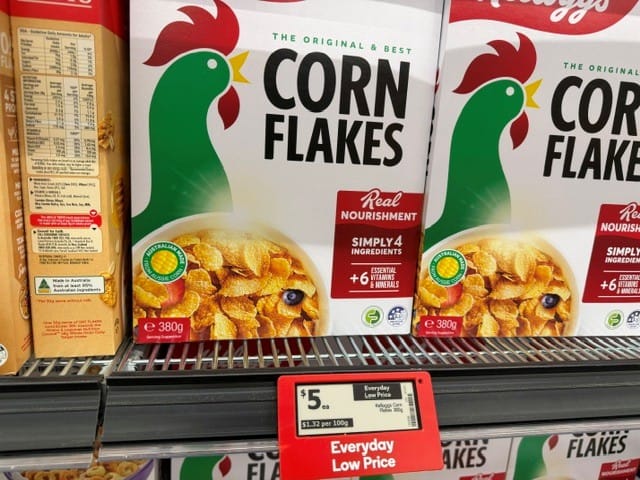
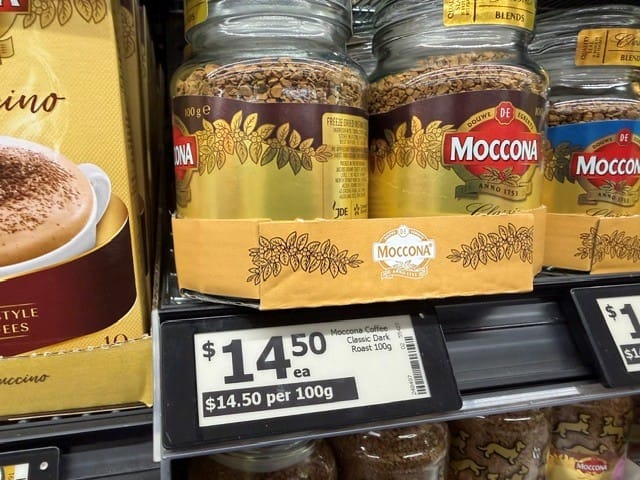
There's no escaping the rising cost of basic grocery items at these prices at Woolworths this week as the weekly shop goes up and up.
“You can practically see the cost of groceries going up, day after day, and it’s easy to understand why with the price of diesel and rising wages to be factored in,” said Richard.
“I used to be a farmer, so I understand what’s at play, but 100 per cent, cost of living is on everyone’s mind.
“It’s not that long ago that we were spending $150-a-week on groceries now it would be closer to $300. The rise in the cost of basic food items is constantly eroding weekly incomes,” he said.
But he says you’ve got to take the small wins where you can find them and shop around for the best deals.
“We’ve got our mobile phones on the Everyday Mobile plan from Woolworths and get up to $50 each off the monthly grocery bill which more than pays for the phones,” he said.
“Looking for the cheapest petrol can save you money and shopping around generally.”
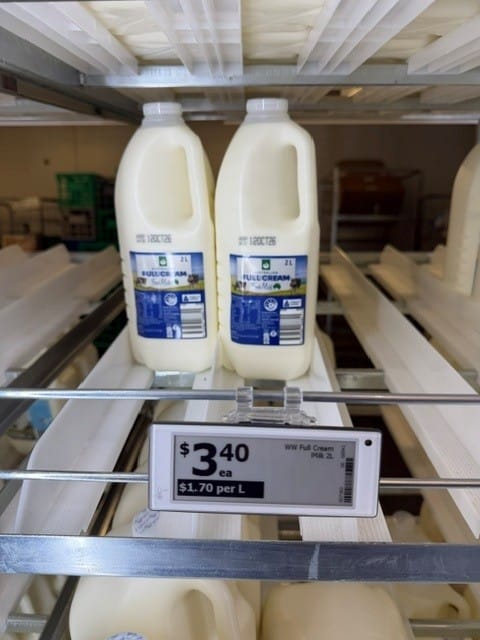
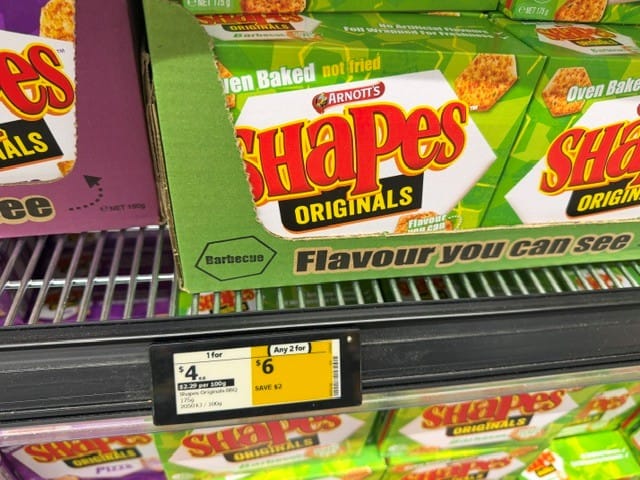
It all adds up to as much as $300-a-week for many households.
But even the cost of the basics adds up in the weekly shop. Here are some examples from Woolworths this week:
- Bananas $4.50kg
- Truss tomatoes $5.90kg
- Roast chicken $13
- White-washed potatoes $5kg
- Colby cheese (625g block) $12.25 ($19.60kg)
- Bread (sour dough white) $7
- Milk (2litreWoolworths brand $3.40
- Arnott’s Shapes $4 (2 for $6)
- Honey (500g) $9.30
- Cereal (Nutrigrain 290g) $7
- Coffee (Moccona 100g) $14.50
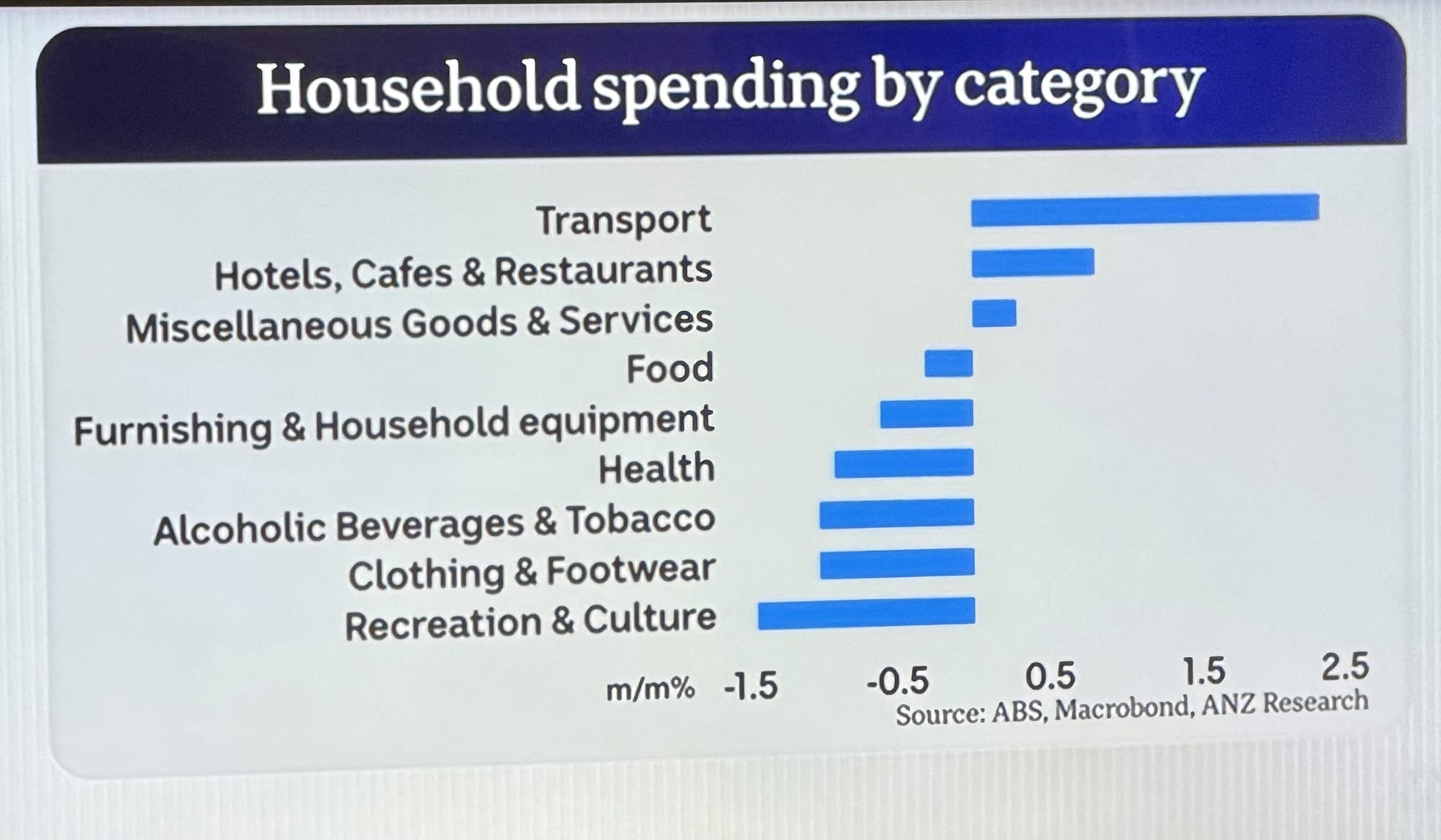
The clear indication from the RBA is that this latest hike won’t be the last this year with another rise expected on Melbourne Cup Day.
According to the ABS, inflation is trending down, from 4.6% in March to 3.5% in July (not seasonally adjusted) but still well above the RBA’s target range of between 2% and 3%.


