Latest in dozens of aftershocks hits Arawata Thursday
THE latest in dozens of aftershocks to hit the Arawata area, north-east of Korumburra, shook the town on Thursday morning, November 12 just after 8.49am.


THE latest in dozens of aftershocks to hit the Arawata area, north-east of Korumburra, shook the town on Thursday morning, November 12 just after 8.49am.
The tremor was centred due north of the town, at a depth of 6km and measuring a magnitude of 2.5 Mla.
It follows literally dozens of quakes in the same area after a big one in the early hours of Saturday morning, October 3, measuring 4.9 Mla, waking local residents from their slumber as their beds skated across the floor, paintings fell from the walls and shelves were dislodged in pantries.
The earthquake was widely felt across Victoria and into New South Wales, with over 21,000 felt reports registered.
But this latest one, not so much.
Here are a few of the comments posted on social media:
* Felt nothing in Korumburra.
* Ah, that was that sound I heard (Warragul).
* We shall rebuild!
* Any illegal mining going on, always near Leongatha wonder why?
Senior seismologist at Geoscience Australia Dr Hadi Ghasemi said the location in South Gippsland was one of the most active in Australia, caused by the sudden release of stress when rocks deep underground break and move along a fault line.
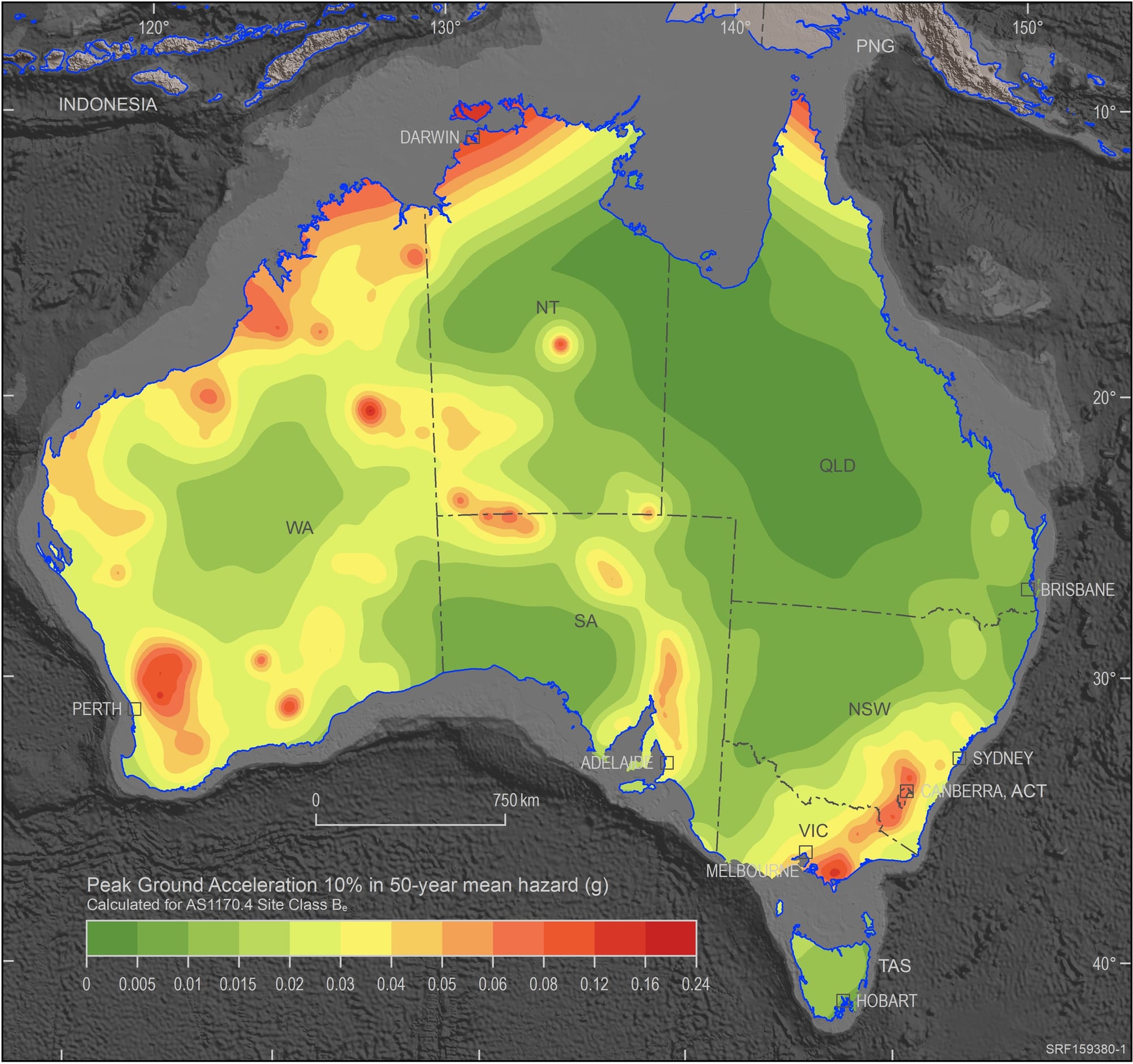
“We have the National Seismic Hazard Assessment, which was recently updated, and this indicates that the southern part of Victoria does have a higher likelihood of earthquake activity,” Dr Ghasemi explained.
“That isn’t to say that this is the only part of Australia where earthquakes happen, but we know that there is a higher likelihood in this region.”
Other areas with a higher likelihood of earthquake activity include south-western Western Australia, and in the Northern Territory around Darwin.
Dr Ghasemi is part of the Community Safety team at Geoscience Australia, and they have a good understanding of how earthquakes occur in our landscape.
“Australia isn’t near a tectonic plate boundary, so our earthquakes don’t occur due to tectonic plates slipping past each other, but rather as a result of stress from the boundaries being transferred into our continental crust,” he said.
The Australian plate is the fastest moving continental land mass on Earth, moving at around 7cm per year, and is colliding into the Pacific plate to the north and east, and the Eurasian Plate to the northwest.
Will there be more aftershocks, more than likely, according to Dr Ghasemi, but decreasing over time, with the caveat that no one can really predict when the next big one will hit the local area.