

Mystery deepens over Inverloch’s discarded dune plants
Fears that vandals had ripped out dozens of plants from recently established dune planting areas at the Inverloch surf beach appear to be unfounded with no apparent damage to the main planting sites.


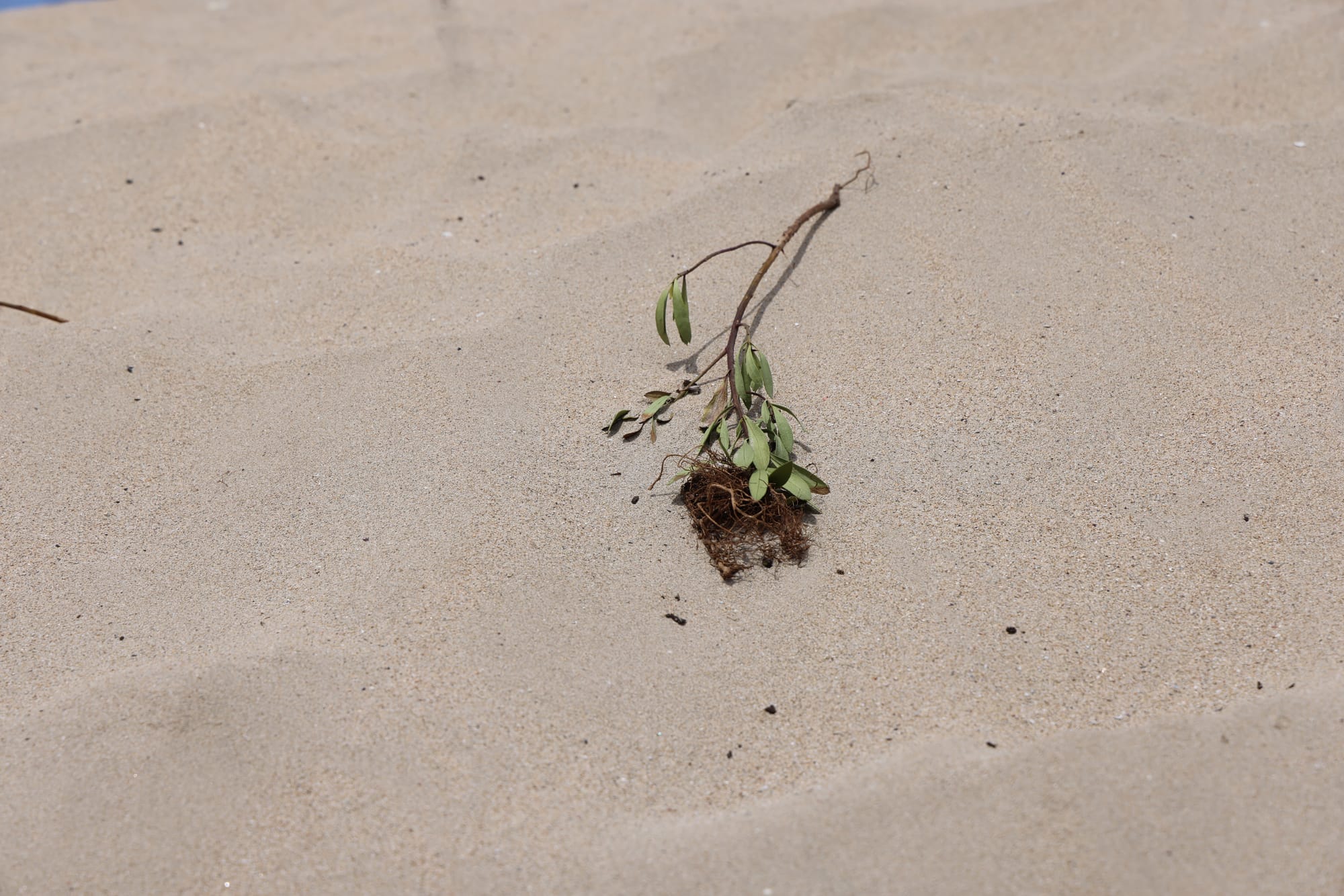
MYSTERY surrounds the discovery of native plants discarded deep in the sand dunes at the Inverloch surf beach, with conservationists questioning why anyone would remove seedlings intended for the coastal restoration project.
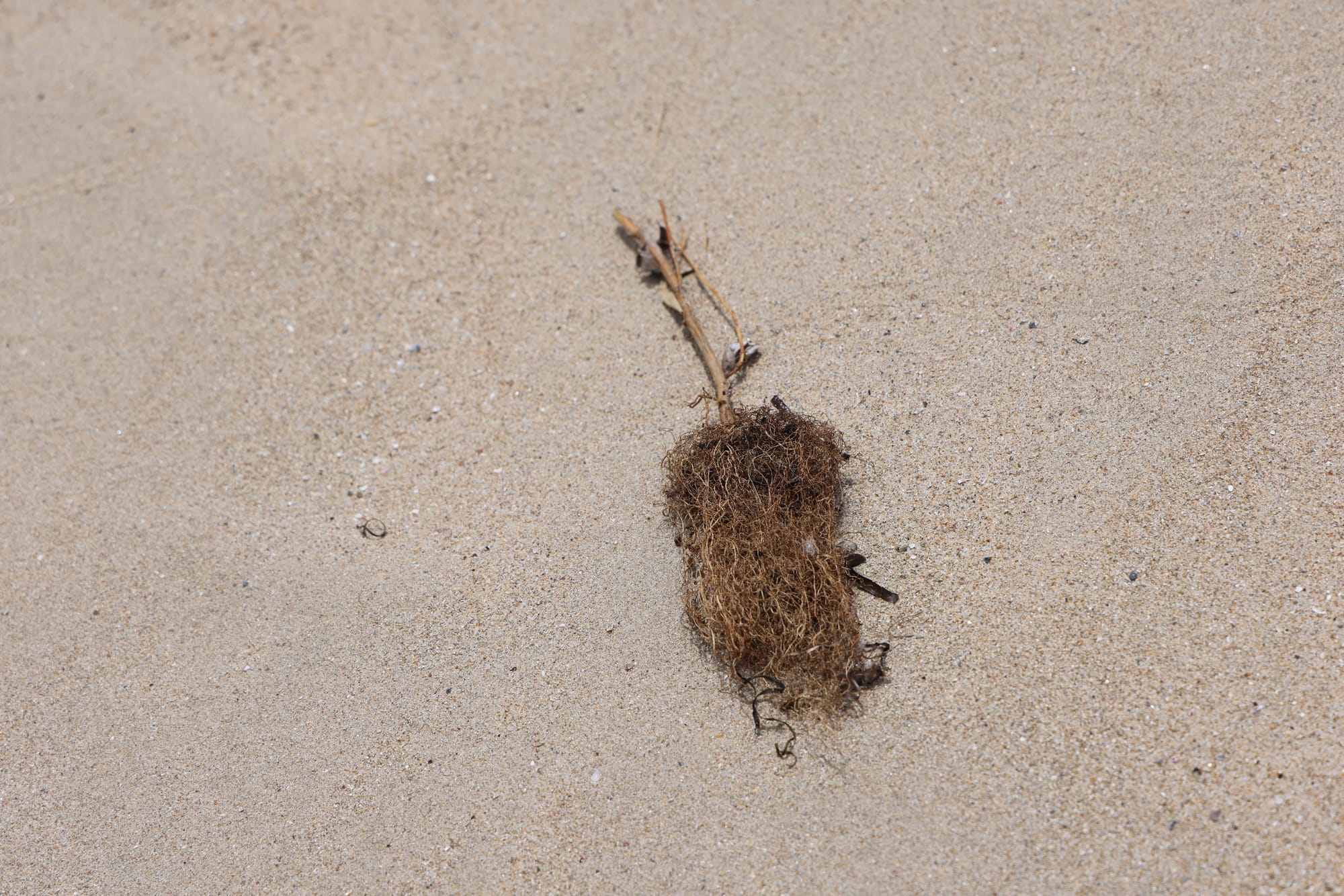
Initial fears that vandals had ripped out dozens of plants from recently established dune planting areas appear to be unfounded, with an inspection finding no evidence of damage to the main planting sites.
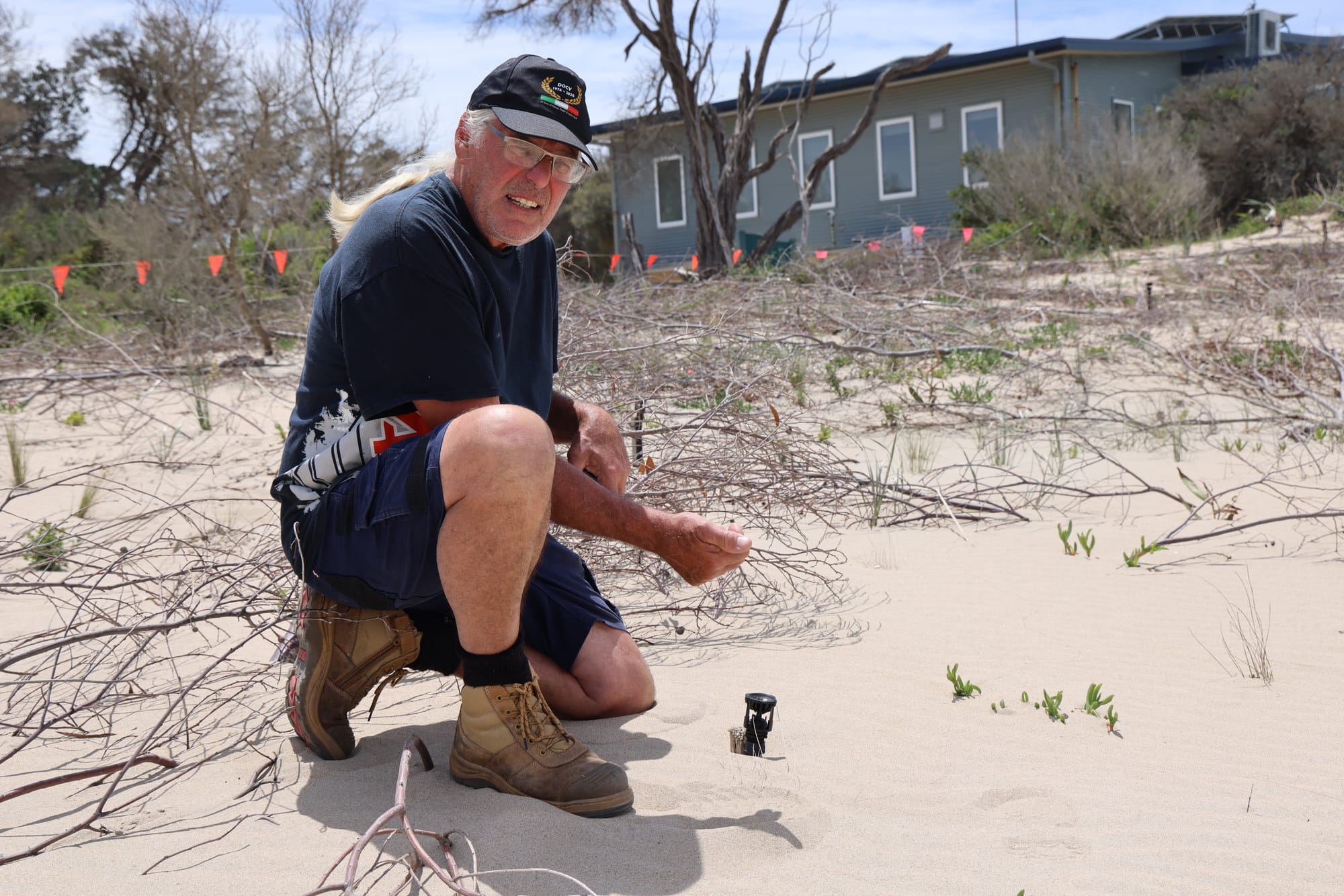
South Gippsland Conservation Society member John Cuttriss visited the beach after photographs emerged showing coast wattle and coastal beard-heath seedlings apparently pulled from the ground and dumped behind the dunes.
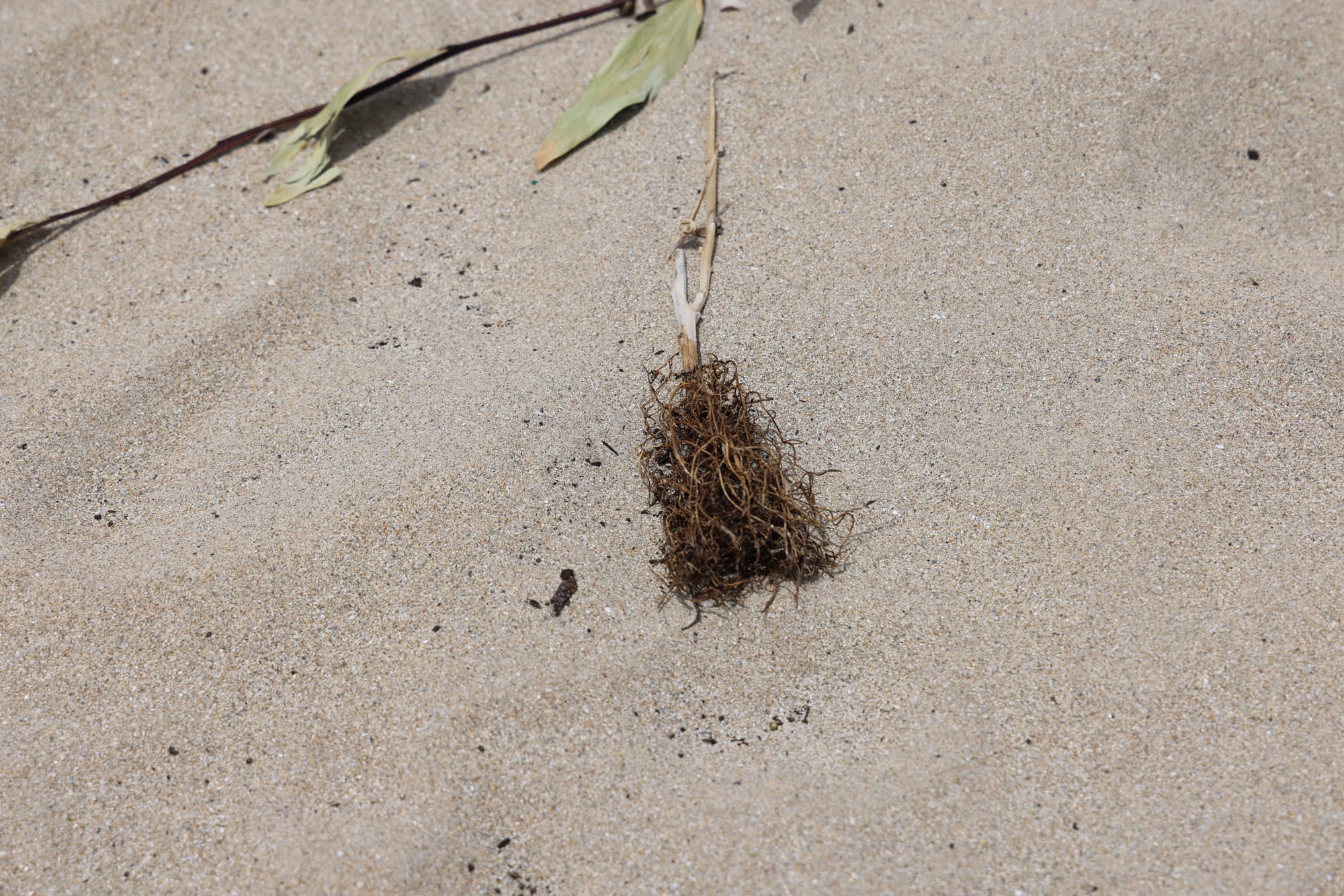
Although the discovery involved only a small number of plants, Mr Cuttriss said the incident was particularly disappointing given the enormous community effort invested in the project.
"People rallied around really strongly to get these plants in the ground when we got it together, so yeah, it's just very disappointing for them," he said.
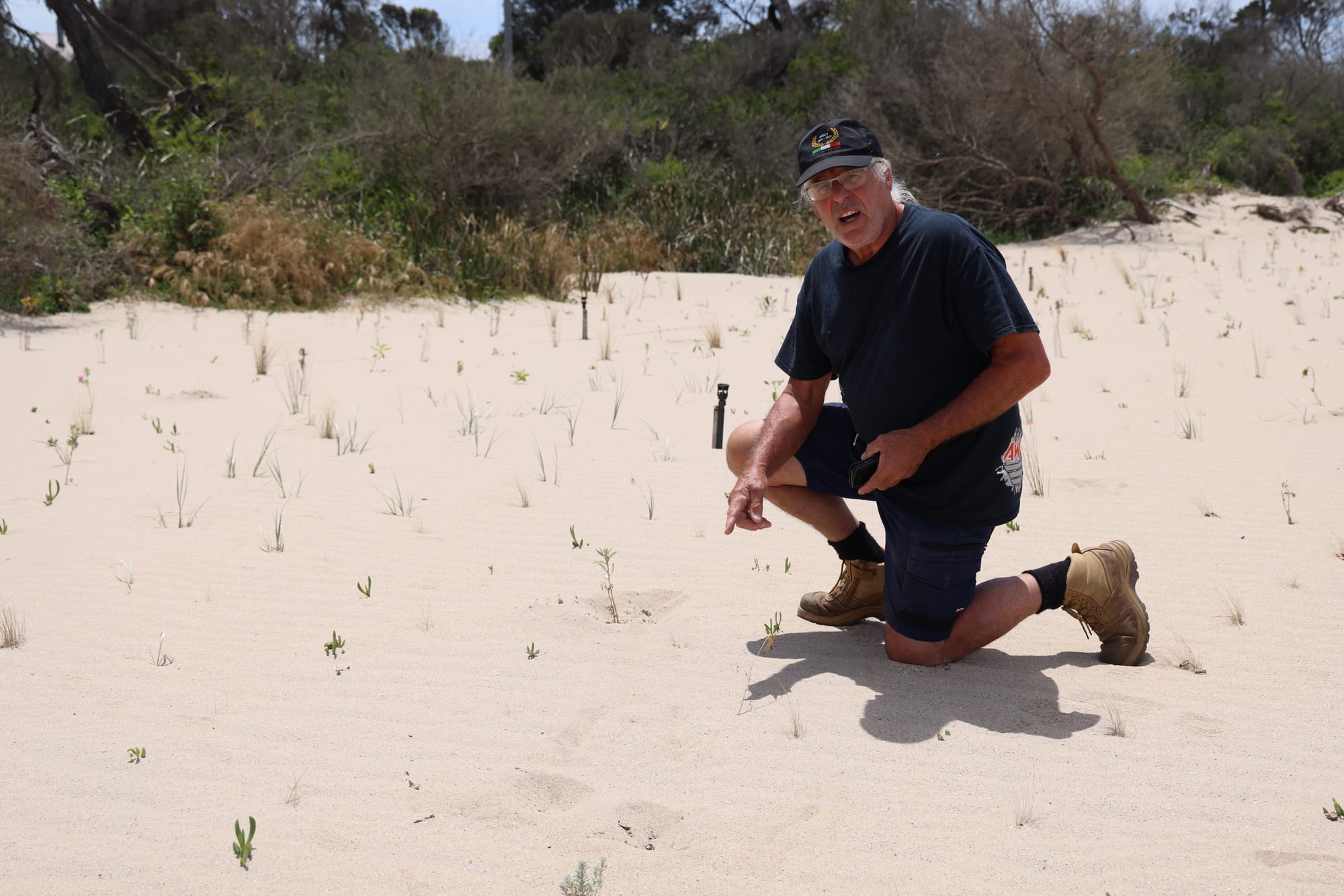
During his inspection, Mr Cuttriss could not identify any areas where seedlings had been removed from the established planting zones. Some animal scratchings, believed to be from kangaroos, were visible inside the protected area, but the plants themselves appeared undamaged.
"I can't see any damage so far, but the photos that were sent to me were certainly coast wattle and coastal beard-heath being taken out and just dumped behind the dunes," Mr Cuttriss said.
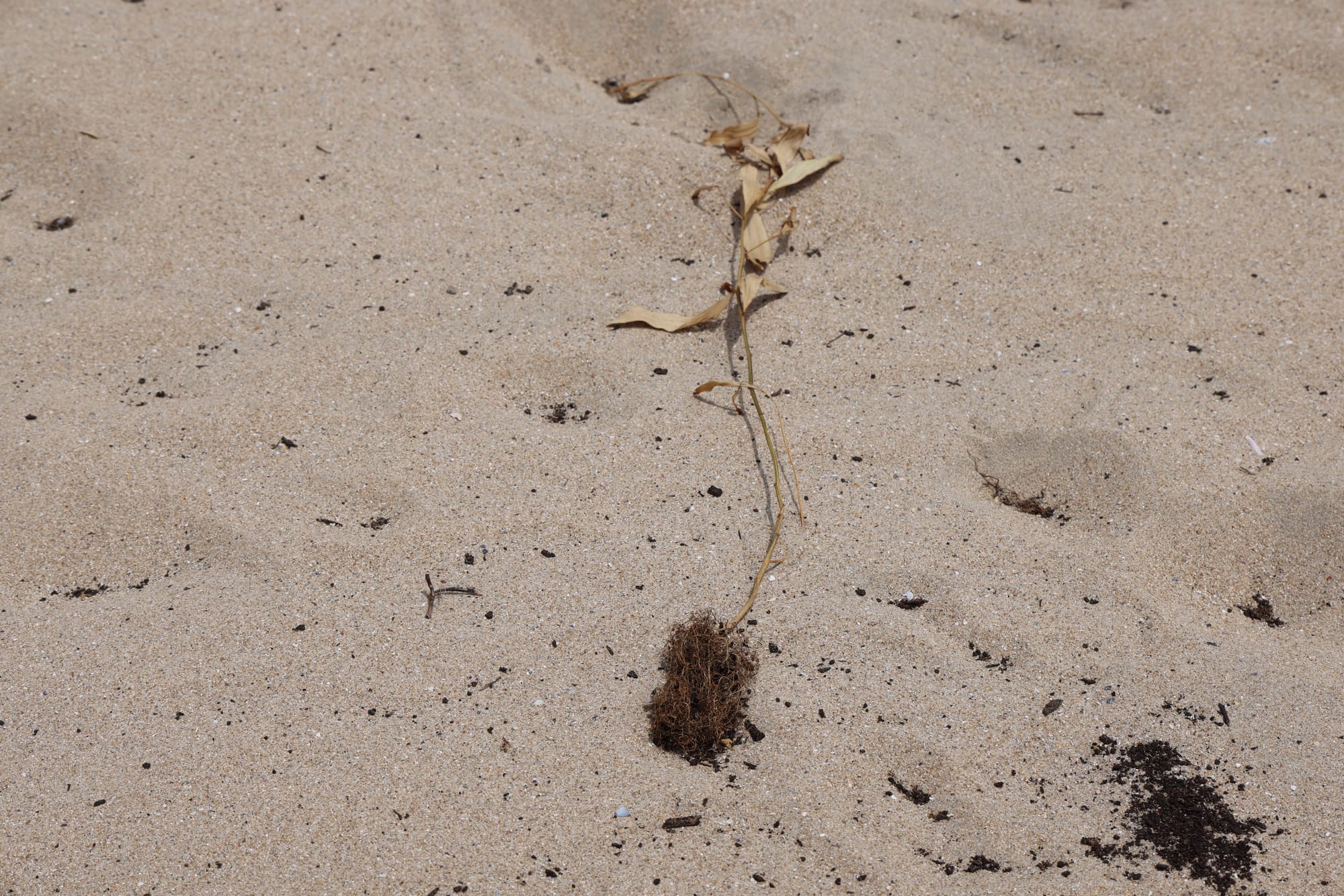
"It's only a few that have been affected, but I don't know why people would do it."
Mr Cuttriss said footprints beside the discarded plants suggested human involvement.
"Especially when you see the size of a shoe mark next to where they've been dropped. You know, there's no animal footprints there, they're human."
The discovery comes after a major community effort to stabilise and restore the Inverloch dunes, with about 60 volunteers helping plant approximately 14,000 native seedlings across two planting sessions.
The work involved considerable preparation, with plants sourced through Wonthaggi Seed Bank Nursery and the Barb Martin Seed Bank contributing hairy spinifex seedlings.
The first planting saw about 2200 plants put into the ground in just 90 minutes by around 60 volunteers. The success of that effort prompted Bass Coast Shire to extend the watering system and prepare additional areas for planting.
A subsequent working bee attracted another 60 to 70 volunteers, who helped establish thousands more seedlings. Mr Cuttriss said the community had invested considerable time and energy into giving the dunes a better chance of withstanding coastal erosion.
Asked whether additional security measures, such as animal trail cameras, might be installed, he was reluctant to suggest they would solve the problem.
"There's no point. You just got to, you know, cross your fingers and hope no one does anything about it," he said.
Another planting session is planned, with the community's efforts continuing to support the long-term health and stability of Inverloch's coastal dunes. However, the question still remains, why a small number of native plants were left abandoned in the sand at the increasingly popular Inverloch surf beach.


