

Patrols return to shield rare hoodies nesting on South Gippsland beaches
Patrols are back from Phillip Island to Wilsons Promontory, with fines of up to $10,455 for disturbing hooded plovers or their nests


PATROLS are back on beaches from Phillip Island to Wilsons Promontory this spring to protect one of Victoria’s rarest shorebirds during its nesting season.
The Conservation Regulator’s Operation Save our Hoodies, known as Operation SoHo, has returned for its sixth season.
The operation is delivered with Parks Victoria and BirdLife Australia, combining nest monitoring, community education and enforcement of rules around nesting sites.
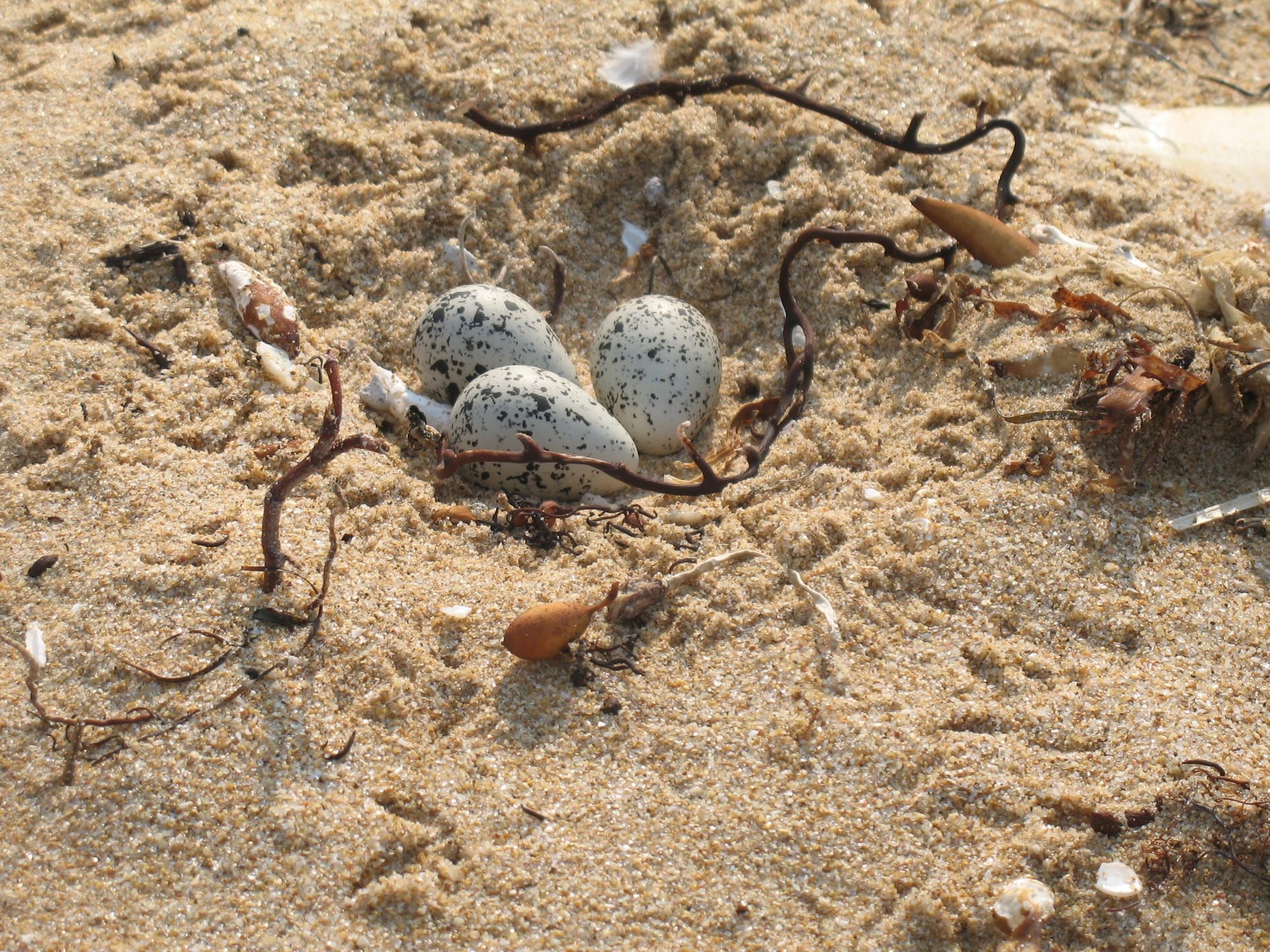
Tiny speckled eggs barely bigger than 20-cent coins have begun appearing on Gippsland beaches, signalling the start of the nesting season, which runs until March.
Hooded plovers lay camouflaged eggs in sparse nests on the sand, making them difficult to spot and easily trampled by people and dogs.
Fewer than 700 hooded plovers remain in Victoria, making every breeding season critical to the species’ survival.
The Conservation Regulator and Parks Victoria will have a presence at numerous beaches along the South Gippsland coast from Phillip Island to Wilsons Promontory, with the operation also extending further east from Lakes Entrance to Cape Conran and Mallacoota.
Patrol locations will be guided by BirdLife monitoring data.
Protective fencing and signage will go up around nests with support from BirdLife volunteers.
Patrols will remind beachgoers to follow beach signage, give hooded plovers plenty of space and keep dogs away from fenced-off nesting areas.
Last breeding season BirdLife recorded 825 hooded plover eggs along Victoria’s coastline.
Of the 220 chicks that hatched, only 68 survived to become juveniles.
As a threatened species protected under the Wildlife Act 1975, disturbing a hooded plover, its nest or eggs can result in fines of up to $10,455.
More significant penalties can apply if offenders are prosecuted.
The Conservation Regulator investigates reports of disturbance to hooded plovers and their nests, and reports can be made to Crime Stoppers Victoria on 1800 333 000.
Conservation Regulator regional operations manager Lauren Kew said protecting hooded plovers depended on a wide network of people.
“Protecting this threatened species takes a village, with officers, rangers, volunteers and community members all playing an important role during the nesting season,” Ms Kew said.
“Our patrols are promoting responsible behaviour around nesting sites and raising awareness of the penalties for disturbing hooded plovers and their nests.”
Parks Victoria acting regional director Andy Davies urged visitors to give the birds space.
“We’re reminding visitors to look out for fenced nesting areas and keep dogs on a lead where required, giving hooded plovers the space they need to breed successfully,” Mr Davies said.
BirdLife Australia beach-nesting birds project coordinator Renée Mead said the eggs stayed vulnerable for weeks after being laid.
“Hooded plover eggs take four weeks to hatch, leaving nests vulnerable to disturbance throughout the incubation period,” Ms Mead said.
“A little extra care from beachgoers will go a long way in helping the next generation of hoodies hatch and take flight.”


