

Ryegrass pollen warning as high-risk asthma season looms
Bass Coast and South Gippsland residents have been warned to prepare for another potentially intense grass pollen season this year which officially begins on October 1 and runs through to the end of December.


A DECADE after the devastating 2016 thunderstorm asthma epidemic across Victoria health experts are warning residents across Bass Coast and South Gippsland to prepare for another potentially intense grass pollen season.
The grass pollen season officially begins on October 1 and generally runs through to the end of December. This year’s wet winter has produced strong grass growth across much of the region raising concerns about elevated pollen levels during spring.
Ryegrass is a particular concern according to National Asthma Council Australia spokesperson and respiratory physician Professor Peter Wark who warned that people with asthma who are allergic to ryegrass pollen can be particularly vulnerable when high pollen levels are combined with gusty winds and thunderstorms.
“People that are allergic to ryegrass pollen and have asthma could have a severe asthma attack, if outside in gusty winds just before or during a thunderstorm in spring or early summer where there is ryegrass pollen in the air,” Professor Wark said.
Pastures surrounding towns such as Inverloch, Wonthaggi, Korumburra and Leongatha can provide substantial sources of grass pollen, particularly when dry, windy conditions allow pollen to become airborne.
Coastal conditions can sometimes disperse airborne pollen, but they do not remove the seasonal risk. Wind direction, temperature, grass flowering and local weather conditions can all influence pollen concentrations from day to day.
For communities across Bass Coast and South Gippsland, the grass pollen burden is expected to build through October, with the main seasonal peak generally occurring later in spring.
Hay fever, or allergic rhinitis, affects around one in five Australians while allergies such as hay fever are also common among people with asthma. Symptoms include sneezing, an itchy or blocked nose and watery eyes.
Professor Wark said people with asthma need to take particular care because allergic inflammation can make asthma more difficult to control.
“Hay fever can cause upper and lower airway inflammation and result in itchy watery eyes, runny nose and sneezing, but even more concerning, hay fever can lead to an increased risk of serious asthma flare-ups,” Professor Wark warned.
People who have never been previously diagnosed with asthma should seek medical advice if they develop breathlessness, wheezing or chest tightness. Those symptoms are not typical of hay fever alone.
The National Asthma Council Australia has recommended that people with asthma speak to their GP before the grass pollen season intensifies to ensure their asthma treatment and written asthma action plan are up to date.
Professor Wark said relying only on a blue reliever inhaler, particularly when it is needed frequently, can indicate poorly controlled asthma and a higher risk of a serious attack.
People can also reduce their exposure during periods of high or extreme pollen by checking local pollen forecasts and weather conditions before heading outdoors and avoiding outdoor activities when pollen levels are high or extreme.
Using recirculated air conditioning in the car and properly maintaining the air conditioner filter is strongly advised along with avoiding mowing grass, or being outdoors while grass is being mown, and wearing sunglasses to reduce exposure.
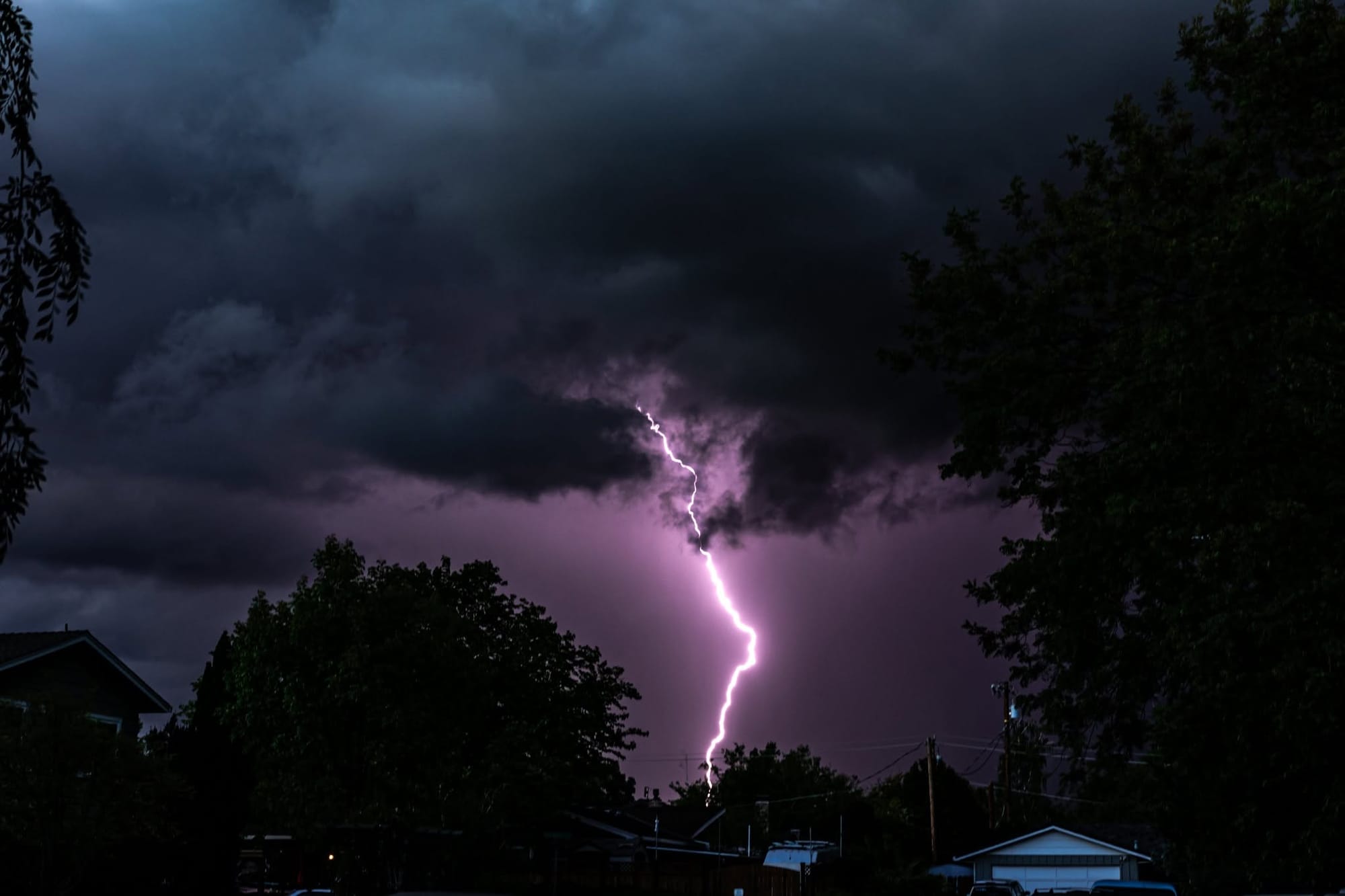
Residents of Bass Coast and South Gippsland have been warned that the coming weeks are an important time to prepare rather than wait for pollen levels to peak. The combination of abundant pasture growth, warmer weather and the possibility of spring thunderstorms means people with asthma or significant grass pollen allergies should be particularly alert to changing conditions through to December.


