

Statewide drill call in wake of South Gippsland earthquake
VICSES is using the Great ShakeOut to urge Victorians to practise Drop, Cover and Hold On after the magnitude 4.8 Arawata earthquake


VICSES urged every Victorian to drop cover and hold on during Thursday’s Great ShakeOut earthquake drill less than two weeks after a magnitude 4.8 quake rattled South Gippsland.
The Great ShakeOut is a global earthquake drill, with VICSES asking people to take a few minutes to practise Drop, Cover and Hold On.
Drop, Cover and Hold On means dropping to your hands and knees to avoid being knocked over, covering your head and neck with one arm and hand and taking shelter under a sturdy table or desk if possible, then holding on to that shelter until the shaking stops.
Anyone who cannot get under a table or desk should move away from windows and other objects that could fall and protect their head and neck.
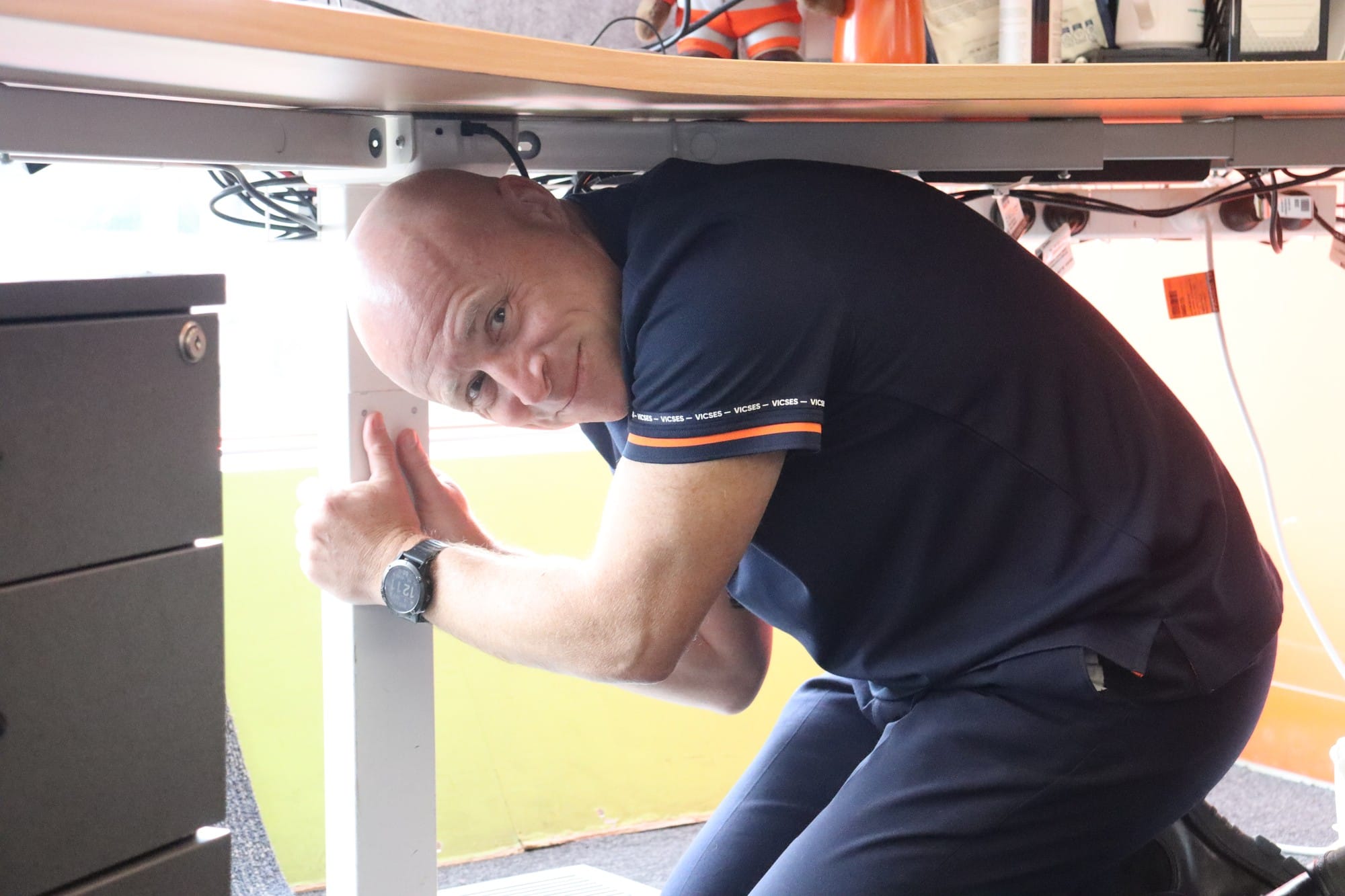
“Recent earthquake activity across Gippsland is a timely reminder that earthquakes can happen here in Victoria, which is why it is important for communities to understand the risks and know how to stay safe,” VICSES Chief Officer Operations Alistair Drayton said.
“Fortunately, VICSES received no reports of damage following the recent earthquakes,” Mr Drayton said.
“However, it is important that Victorians understand the risks and know what to do, which is why we encourage everyone to practise Drop, Cover and Hold On as part of this year’s Great ShakeOut earthquake drill.”
As Victoria’s control agency for earthquakes, VICSES coordinates the emergency response, with volunteers assessing and responding to requests for assistance and helping communities manage damaged buildings and other hazards.
The South Gippsland quake struck at 2.01am on Saturday October 3 near Arawata, between Korumburra and Leongatha, at a depth of about 10 kilometres and was felt from Geelong to Phillip Island, generating more than 20,000 felt reports.
It was the largest Victorian earthquake since a magnitude 5.0 hit near the Great Ocean Road in October 2023.
A string of aftershocks followed, with VICSES counting more than nine earthquakes across Gippsland and the biggest aftershock a magnitude 3.2 at 10.17pm on Wednesday October 7.
The sequence is the latest in a run of local quakes, after a magnitude 4.3 struck between Koonwarra and Meeniyan at 12.49am on February 9, 2024, and a magnitude 4.7 hit near Korumburra in 2009.
Monash University earthquake geologist Dr Dee Ninis said the aftershocks were likely to fade, but warned against complacency.
“But that doesn’t mean we can’t get a bigger earthquake or one of the same magnitude that we saw on Saturday morning,” Dr Ninis said.
“I think we should always be prepared.”
Victoria’s largest recorded earthquake, a magnitude 5.9 near Woods Point at 9.15am on September 22, 2021, brought down brick facades in Melbourne, caused an estimated $113 million in damage and generated more than 43,000 felt reports across Victoria and neighbouring states.
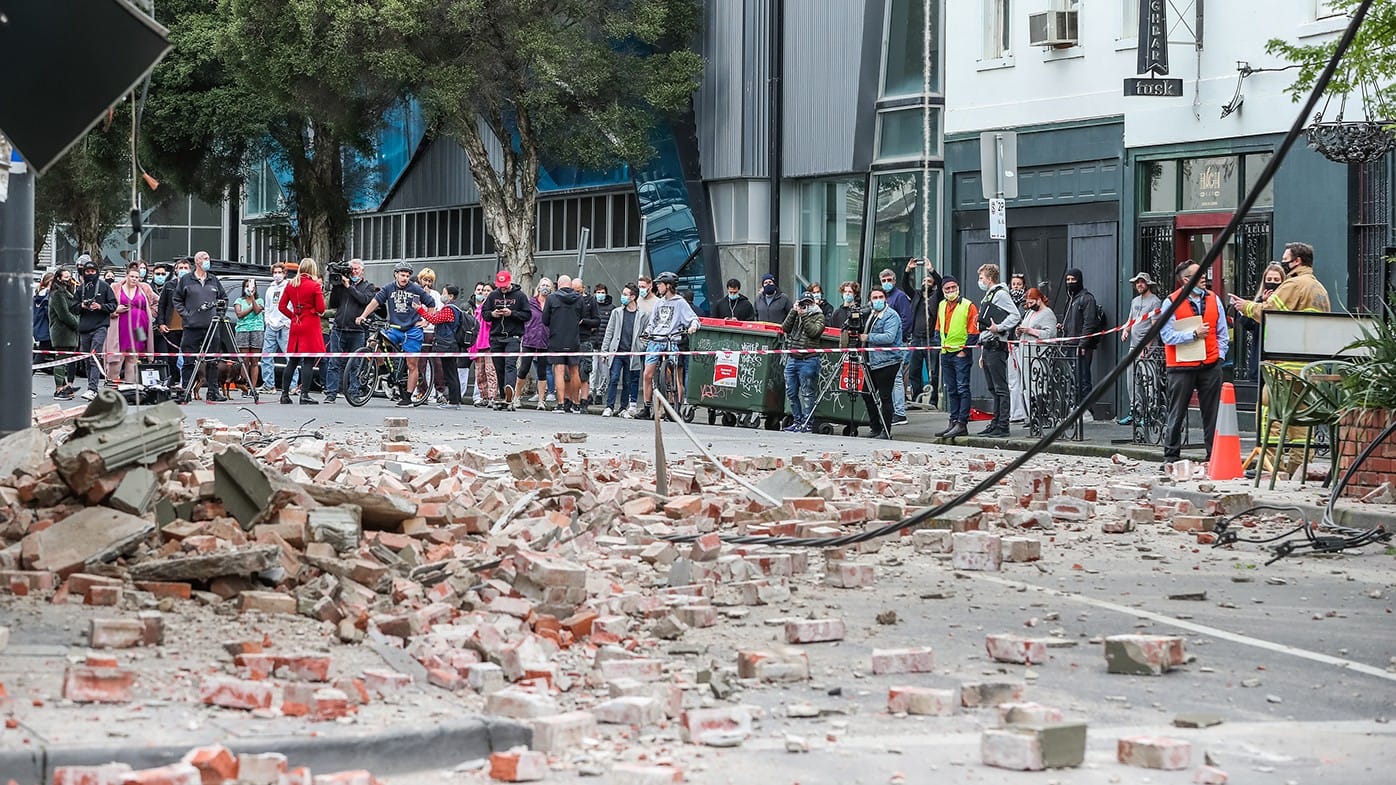
VICSES volunteers responded to more than 100 requests for assistance after that quake.
For earthquake-related emergency assistance, call VICSES on 132 500, or Triple Zero (000) in a life-threatening emergency.
Advice on earthquake preparedness, including for people with disability or mobility limitations, is at www.ses.vic.gov.au/know-your-hazards/earthquake.
Anyone who felt an earthquake is encouraged to lodge a felt report with Geoscience Australia at earthquakes.ga.gov.au to help improve understanding of earthquake activity and hazards across Australia.


