

Wild curlew chicks hatch on Phillip Island after 50 years
More than 70 bush stone-curlews have been released on Phillip Island since 2024, and the birds are now breeding in the wild


WILD bush stone-curlew chicks have hatched on Phillip Island (Milawul) for the first time in more than 50 years.
It is a milestone in efforts to recover the critically endangered species in south-eastern Australia, and comes as Phillip Island Nature Parks released another 12 birds on Wednesday November 4.
More than 70 bush stone-curlews have now been released since the program began in 2024, making the island one of Victoria’s most significant recovery sites for the species.
The latest birds came from five wildlife sanctuaries across Australia.
They were released at the Koala Conservation Reserve near the Oswin Roberts Reserve wetland.
Some birds have had their wing feathers clipped while others remain fully flighted, and each bird has been fitted with a GPS backpack so researchers can monitor how it settles in.
Several wild breeding attempts have been recorded this season, with chicks successfully hatching on the island.
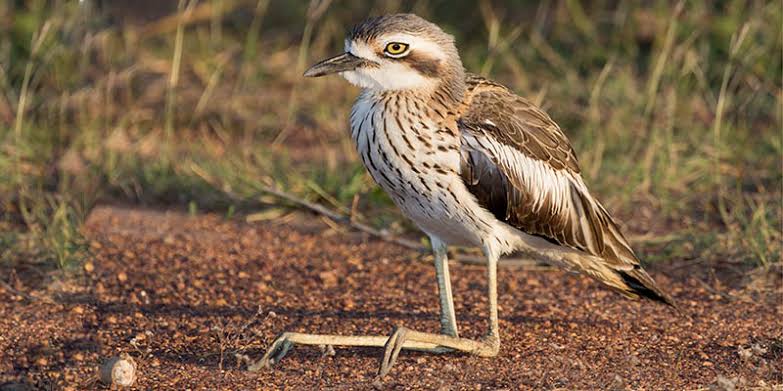
Not all have succeeded, with some chicks lost to native predators such as ravens and kookaburras, but researchers said those early breeding experiences were part of establishing a self-sustaining wild population.
Breeding activity is expected to continue through summer, with Nature Parks conservation staff and Australian National University researcher Paula Wasiak monitoring nests and chick survival.
“Having wild bush stone-curlew chicks hatch in the wild on the island for the first time in more than 50 years is an exciting milestone for the program,” Ms Wasiak said.
“Together with the great condition of birds after release, it suggests that the island has the resources needed for the birds to thrive.”
Vehicle strikes are the leading cause of death for reintroduced bush stone-curlews on the island, with about 40 per cent killed in collisions within 12 months of release.
Phillip Island Nature Parks senior scientist Dr Duncan Sutherland said the next phase of the program would focus on reducing that threat.
“Together with our project partners and collaborating sanctuaries we are working on building a genetically diverse and robust population of bush stone-curlews that can be the basis for the recovery of the species in south-eastern Australia,” Dr Sutherland said.
The program is a partnership between Phillip Island Nature Parks, the Australian National University, Odonata Foundation and major sponsor the Penguin Foundation.
Sightings can be reported on the Victorian Bush Stone-Curlew project on iNaturalist or by emailing community@penguins.org.au.


