

Bass Coast dog owners not taking beach ban threat lying down
Outraged by the comments of their own council representative, Cr Jon Temby, at a recent council meeting, the members of the powerful Phillip Island and Bass Coast Dog Owners Association aren’t taking it lying down.


OUTRAGED by the comments of their own council representative, Cr Jon Temby, at a recent council meeting, the members of the powerful Phillip Island and Bass Coast Dog Owners Association aren’t taking it lying down.
They’ve hotly criticised his call for dogs to be permanently removed from the beach and challenged the basis of his claim that “over 1600 signatories clearly demonstrates the importance our community places on protecting our environment and its birds and animals, in this case the wombat colony, who have been pushed out of their previous habitats by land clearing for farming and urban expansion, and are now being consistently pushed out by uncontrolled dogs”.

Even the author of the petition to council, and another on Change-org, Eve Kelly of the Friends of San Remo Wombats, acknowledges that a significant number of the signatories to the petitions don’t live locally.
And she’s not calling for dogs to be banned from the beach either.
The Sentinel-Times asked Ms Kelly to clarify the local response.
How many of the 1481 who signed Change.org petition live in Bass Coast Shire?
“It's unclear how many signees of the Change.org petition live in the Bass Coast region, a basic count indicates 11%, but that figure is unreliable and I don't have time to investigate each suburb and postcode for a more accurate number,” said Ms Kelly.
“Approximately 71% were from Victoria and around 89% were from Australia,” she said.
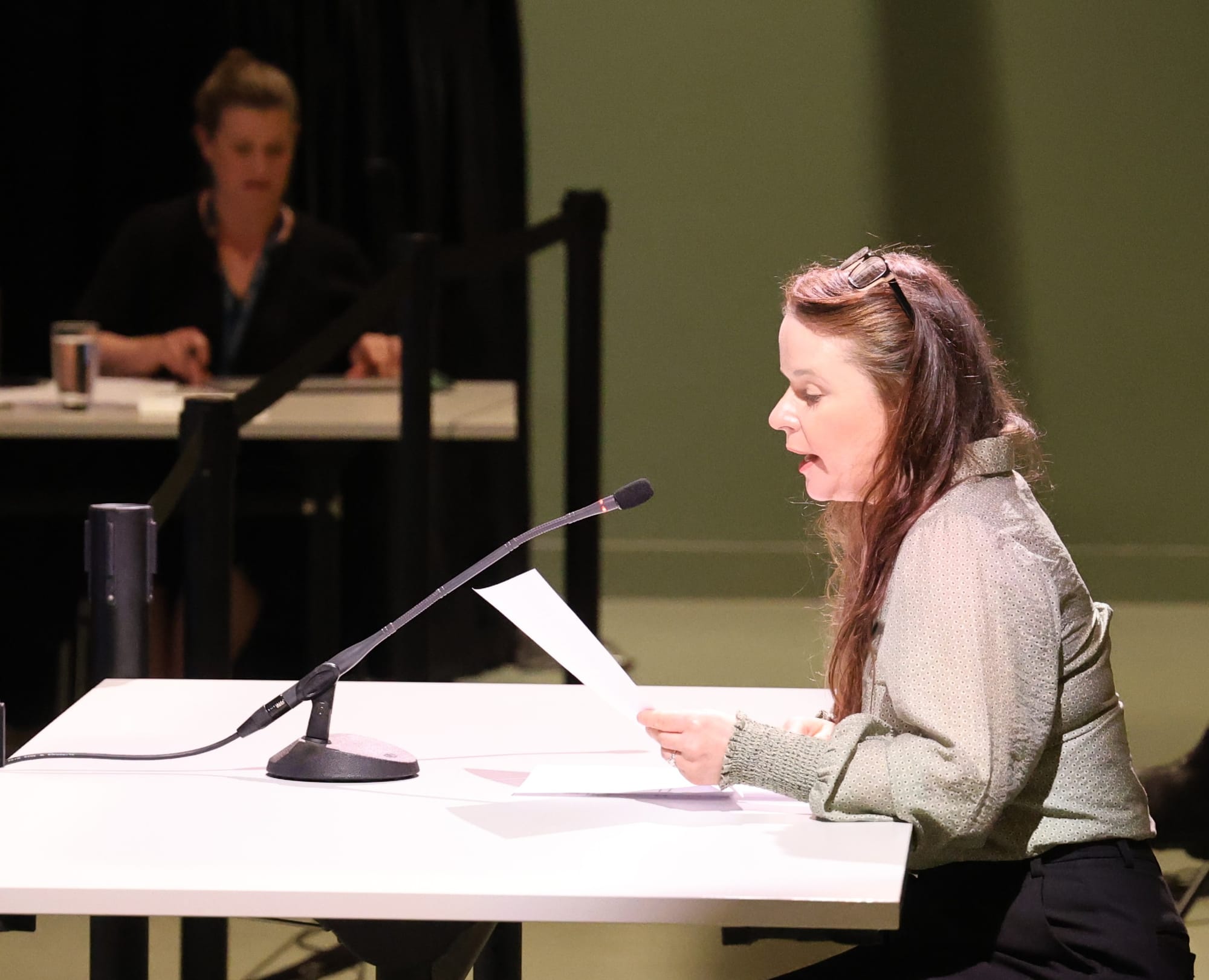
Of those who signed the council petition, we asked how many of the 132 signatories lived locally.
“Of the paper petition approximately 84% are from the Bass Coast or the nearby South Gippsland region and about 43% of signees own dogs themselves,” she said.
So, no where near the 1600 quoted by Cr Temby as “clearly demonstrating the importance our community places” on getting the dogs off the beach.
President of the Dog Owners Association, Cheryl Owens wants a proper process, not grandstanding.
“We can’t stand by and let that happen. It’s unreasonable and it affects people’s quality of life,” she said of Cr Temby’s call to make the San Remo Back Beach “a completely dog-free zone”.
“And one other very important thing, there are no hooded plovers on that part of the beach. They moved over to Cape Woolamai to a high dry area that can’t be washed away by high tide.
“They have successfully nested and bred there several times in a season for three maybe this is their fourth season. He can ask their council worker, Dave Martin, he coordinated it. We assume they moved there because they kept getting washed away at the San Remo beach which almost disappears in big tides,” said Ms Owens.
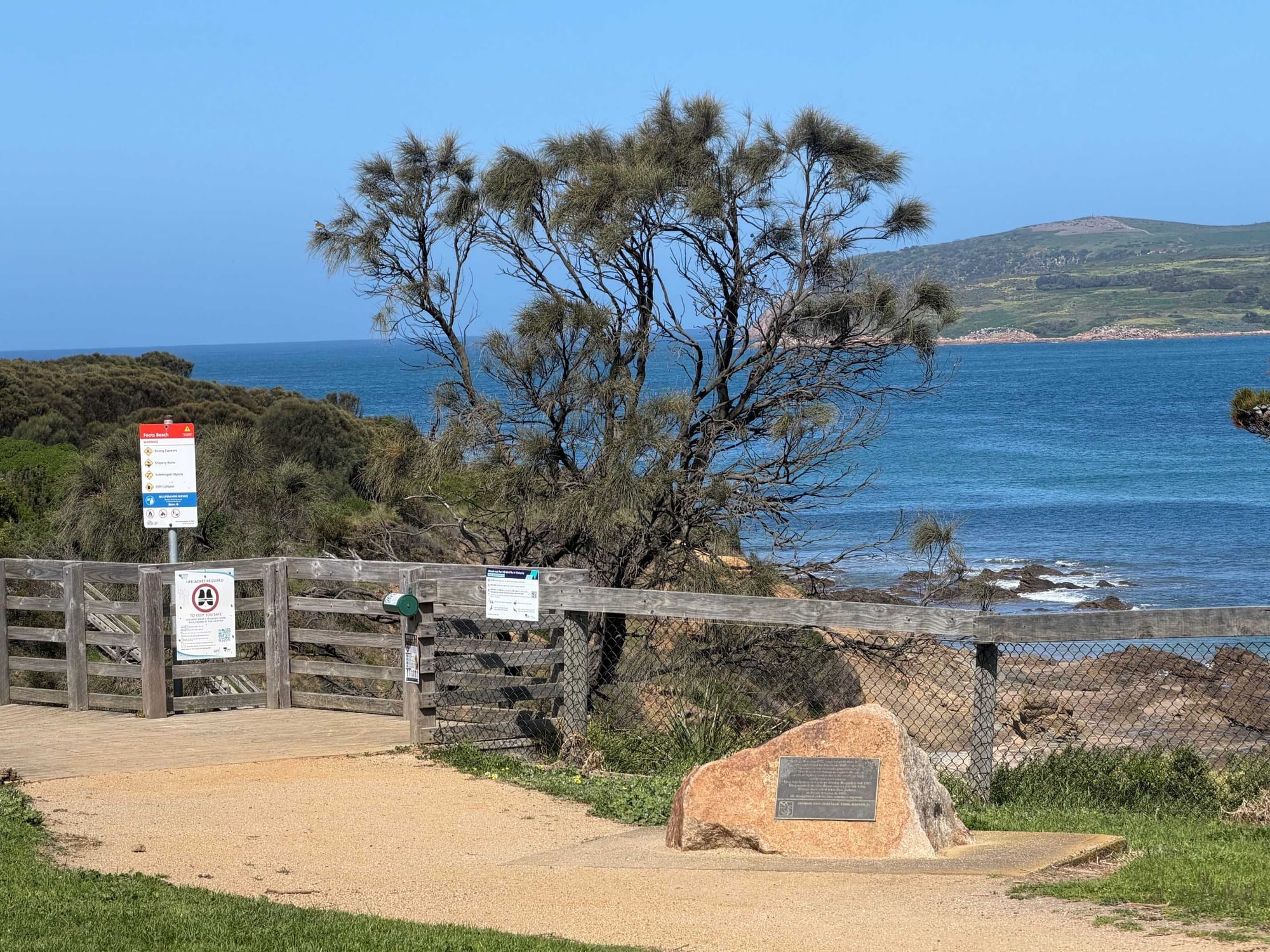
While presenting her petitions to the recent council meeting, Eve Kelly made it clear her group is not calling for the beach to be off-limits to dogs and their owners, only that the southern end of the beach be leash-only.
“We ask council to act on their new dogs in public places guidelines and on our objective evidence presented to them by accepting our proposal that is to retain off-leash access to most of the San Remo Back Beach at the north end, while designating the southern end leash only,” said Ms Kelly.
“The southern end of this beach adjoins leash-only Foots Beach and lacks adequate barriers between the existing area and wombat habitat,” she said.
The dog owners have come up with a counter proposal.
They’re concerned that such a large area will be lost for exercising dogs off-leash and are instead suggesting the development of a management plan, fencing off the wombat burrows to eliminate inquisitive dogs.
They stress that there have been no attacks on wombats in the area of San Remo Back Beach.
Eve Kelly acknowledges there have been no attacks by dogs on wombats documented but dog activity around and sometimes inside burrows was destressing to wombats, especially adult wombats with joeys.
“We have now recorded at least 113 dogs at and inside burrows,” she said.
“Some of the dogs enter the burrows of sleeping wombats, or sleeping joeys, or hang around the burrow, sometimes in pairs, for sometimes long periods of time. Some just run past our camera as they run around wombat habitat.
“Most of the dogs we've recorded are out of sight of their owners and not under sufficient voice control.”
“But there are non-contact harms that dogs pose to wombats. As predators to wombats, dog activity may stress wombats, especially mother wombats protecting their joeys. Dog activity may also affect the natural sleeping, feeding, social, breeding regimes when the wombats are too afraid leave their burrows when they need to. There is also a risk of dog activity, desensitising wombats to predators,” she claimed.
Bass Coast Shire Council has been asked to bring a report to council by the December meeting of council.
The dog owners' group is asking for a proper process of consultation before any changes are made.


