

Bird flu on the rise across Bass Coast
Thankfully, there have no further cases of little penguins at Phillip Island with bird flu, but numbers have continued to increase in Bass Coast with a further two dead Greater Crested Terns, at Coronet Bay and Corinella, bringing to eight the number detected in Bass Coast.


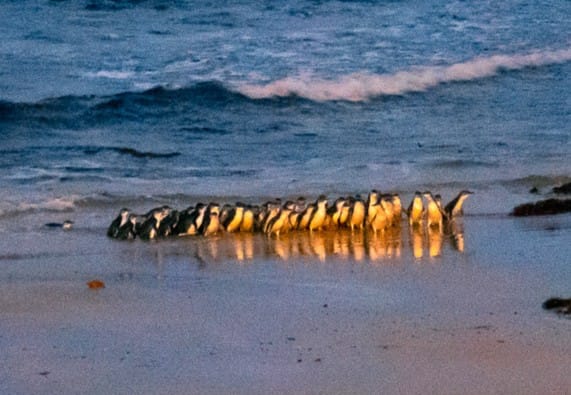
THANKFULLY, there have so far been no further cases of bird flu affected little penguins at Phillip Island after one penguin was found dead on the Summerland Peninsula on August 13.
But cases of bird flu have continued to increase in Bass Coast with a further two dead Greater Crested Terns, at Coronet Bay and Corinella, on August 23, testing positive for H5N1 avian influenza.
It brings to eight as the number of birds testing positive to bird flu; including five Greater Crested Terns, two silver gulls, and one penguin, at Corinella, Coronet Bay, Summerlands, Cape Patterson and Newhaven.
There has still only been one confirmed case in South Gippsland, a Greater Crested Tern at Sandy Point on August 15.
However, while numbers are low here, larger numbers of little penguins have been impacted on King Island where 51 dead penguins have been found although the condition of most of the birds meant they were unsuitable for testing.
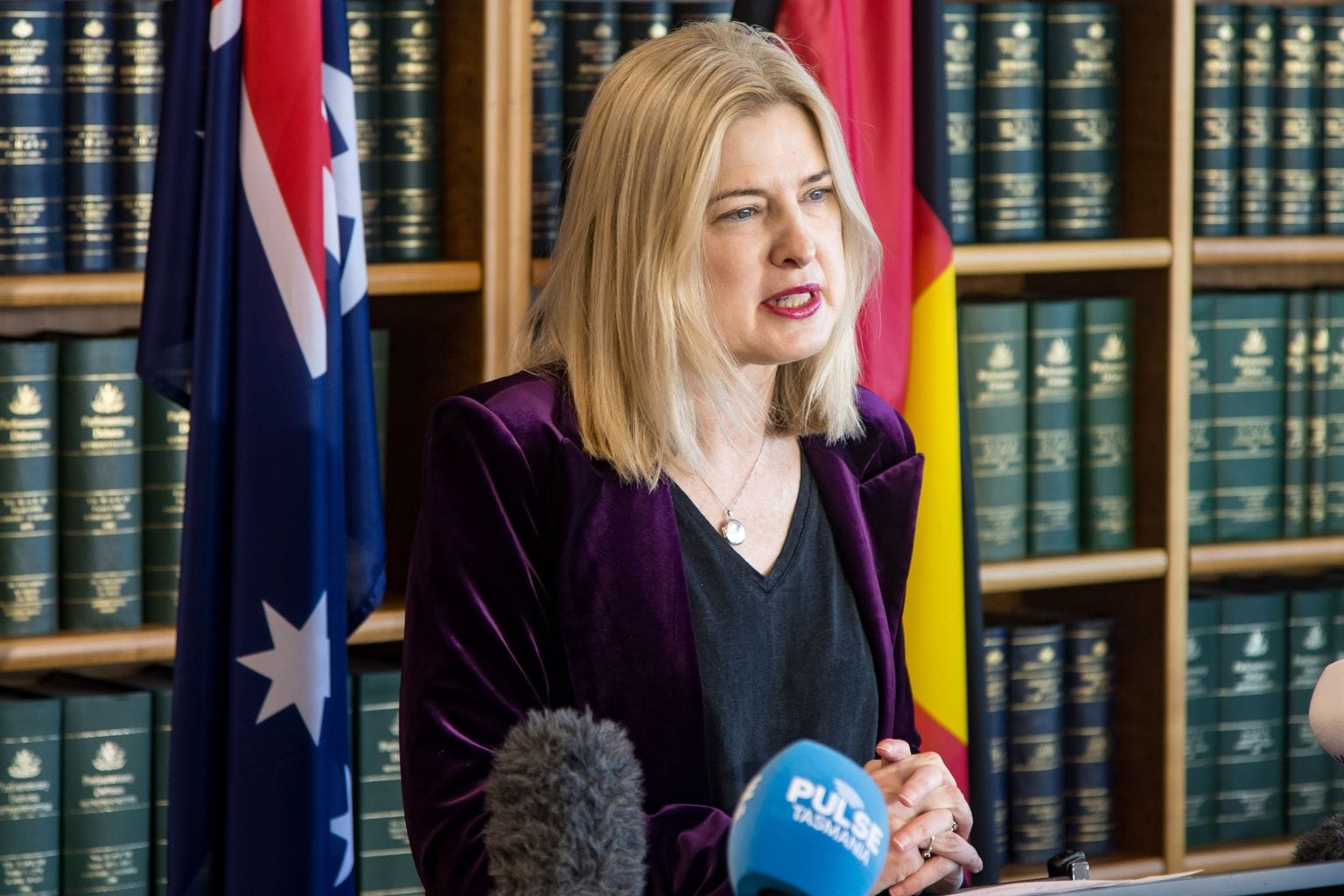
Federal Agriculture Minister Julie Collins said her government was working closely with the Tasmanian government on the situation.
“The state laboratory testing had some weak positives and we continue to work and wait for the CSIRO lab to do its important work in terms of confirmatory testing in relation to the penguins,” she said.
One little penguin collected from Grassy had returned a positive result last week.
Collins said delays in confirming results were not unusual, explaining that sample quality can affect turnaround times.
Minister Collins also referred to the vaccination program in progress at Phillip Island and elsewhere.
“So, we continue to work with the states and territories in relation to the vaccine rollout. Obviously, the managed penguin colony around Phillip Island in Victoria, they have started vaccinating,” said Minister Collins during a doorstop interview in Hobart on Thursday.
“I've seen firsthand some of the black cockatoos in Western Australia in the Perth Zoo that have been vaccinated. They are preparing to vaccinate more birds at Perth Zoo. I've also seen firsthand in Adelaide, there's a request come through for Cleland Wildlife Park again to vaccinate some of their threatened bird species that they have in captivity. We know that New South Wales is preparing its list and conversations are continuing with the Queensland Government.
“So, we continue to work with every state and territory in relation to what the priorities are around the vaccine. But I would reiterate that biosecurity remains our strongest form of defence and that is where primarily our investments are going.”
Government criticism
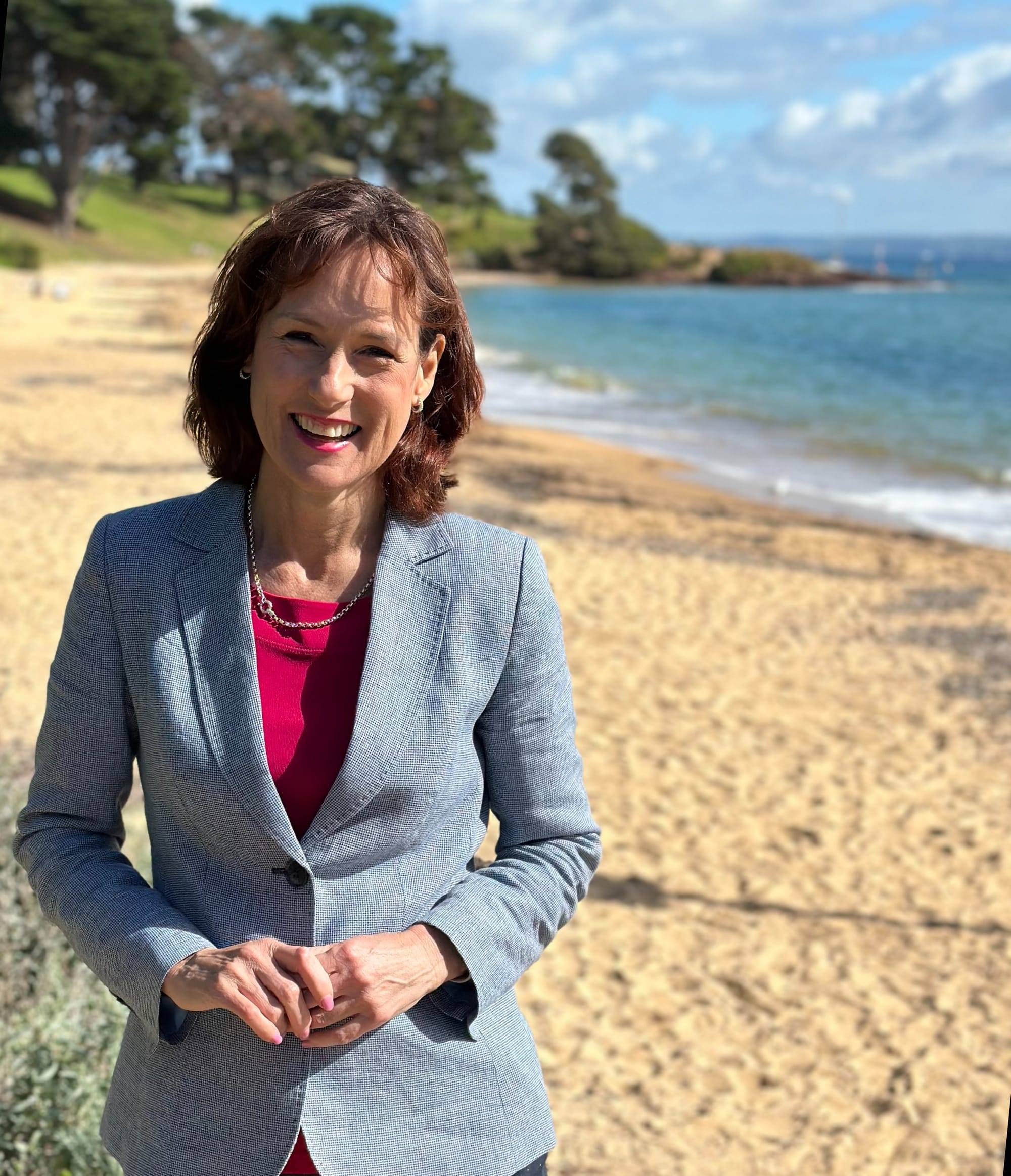
Meanwhile, Eastern Victoria MP, Melina Bath has accused the Carroll Labor Government of ignoring its own departmental advice on bird flu vaccinations for Victoria’s vulnerable little penguin colonies.
Also the Shadow Minister for Public Land Management, Melina Bath, accused the Victorian Government, in State Parliament, of failing to act on expert advice to vaccinate Phillip Island's and St Kilda’s little penguin population against H5N1 bird flu before the disease arrived.
An Arthur Rylah Institute report prepared for Department Environment, Energy and Climate Action (DEECA) published in May 2025 warned H5N1 vaccination "would need to be undertaken prior to disease arrival", she said.
Ms Bath said the Carroll Labor Government sat on relevant information for 15 months, only announcing a vaccination program on August 12, 2026 after an infected little penguin was found dead.
“With vaccinations not beginning until August 17, it’s likely to be too little, too late,” Ms Bath said.
“The timeline raises serious questions about the Carroll Government’s response,” she said.
The report specifically outlined that vaccination of high-value wild populations such as little penguins needed two doses and 30 days before the arrival of H5N1 to be effective.
One key point made was that once the virus was detected, vaccination effectiveness would fall sharply as outbreaks spread too quickly through vulnerable populations.
"The government had a 15-month window and clear scientific advice that proactive vaccination was the best strategy to protect Victoria’s little penguin colony,” Ms Bath said.
"Vaccinating after disease detection is exactly what experts warned against."
The Arthur Rylah Institute report identified an H5N1 outbreak in Victoria’s little penguins as an extreme economic and environmental risk, warning a single outbreak could kill between 20 and 40 per cent of the population within six weeks.
The report found that pre-emptive vaccination of 80 per cent of birds could reduce mortality to very low levels, but once the virus was detected a near-impossible 95 per cent coverage rate would be needed to achieve similar protection.
“The little penguins are one of Victoria's most iconic wildlife populations and a cornerstone of the Phillip Island tourism economy," Ms Bath said.
"The Carroll Labor Government ignored the science, delayed vaccination and has left our vulnerable little penguin colony exposed."
Neither the State Government nor local MPs have responded to the call by Bass Coast Shire Council CEO Greg Box for emergency response funding to assist with community engagement, signs and clean-ups as required.
Minister Collins did say however that the Federal and State governments were making more money available for on-ground works.
“As you would be aware, yesterday National Cabinet was briefed by Australia's Chief Veterinary Officer, Dr Beth Cookson, in relation to the H5 bird flu and how it's making its way across the country and the national response from all of our Governments,” said Minister Collins.
“Across the country, the latest figures indicate there have been 330 positive events. There have been over 29,000 calls to our national hotline.
“In South Australia we currently have 195 events, in Victoria 100, New South Wales 13, Tasmania 10, Western Australia 10, and Queensland has 2.
“With the spread of the H5 bird flu across the country, our Government is doing everything we can to help protect Australia's wildlife wherever possible, to protect our agricultural industries wherever possible, our communities and our economy from the effects of the H5 bird flu.
“That's why, following National Cabinet, our Government has committed further funding to continue safeguarding the country against the impacts of the H5 bird flu. This will bring our Government's total investment in terms of the bird flu response to more than $270 million.
“The additional $125 million will be made available from the Commonwealth to support immediate actions through the national emergency biosecurity response for the H5 bird flu. These activities will include vital surveillance, early detection, on-ground response capability, targeted initiatives for priority threatened species and conservation, as well as local community engagement.
“These activities are cost shared equally by the Commonwealth, the states and the territories. The Commonwealth will also fund a further $20 million to boost and extend the on-ground action for key native species and locations, emergency response activities for native wildlife, including Commonwealth-managed National Parks, and supporting citizen science work.”
Hopefully, some of that funding finds its way to coastal councils, in particular, which are seeing first-hand the impact of the spread of this highly contagious strain or avian influenza.
Minister Collins urged people not to touch sick or dead birds. Any sightings should be reported to the national Emergency Animal Disease Hotline on 1800 675 888.


