

Bogong moths swarm the Bass Coast in spring resurgence
Favourable rains and strong north-westerly winds have blown millions of endangered Bogong moths off their traditional flight paths and down toward the Bass Coast and South Gippsland.


AN extraordinary surge and mass migration of endangered Bogong moths is taking place across the Bass Coast and South Gippsland as populations rebound after favourable inland rains over autumn.
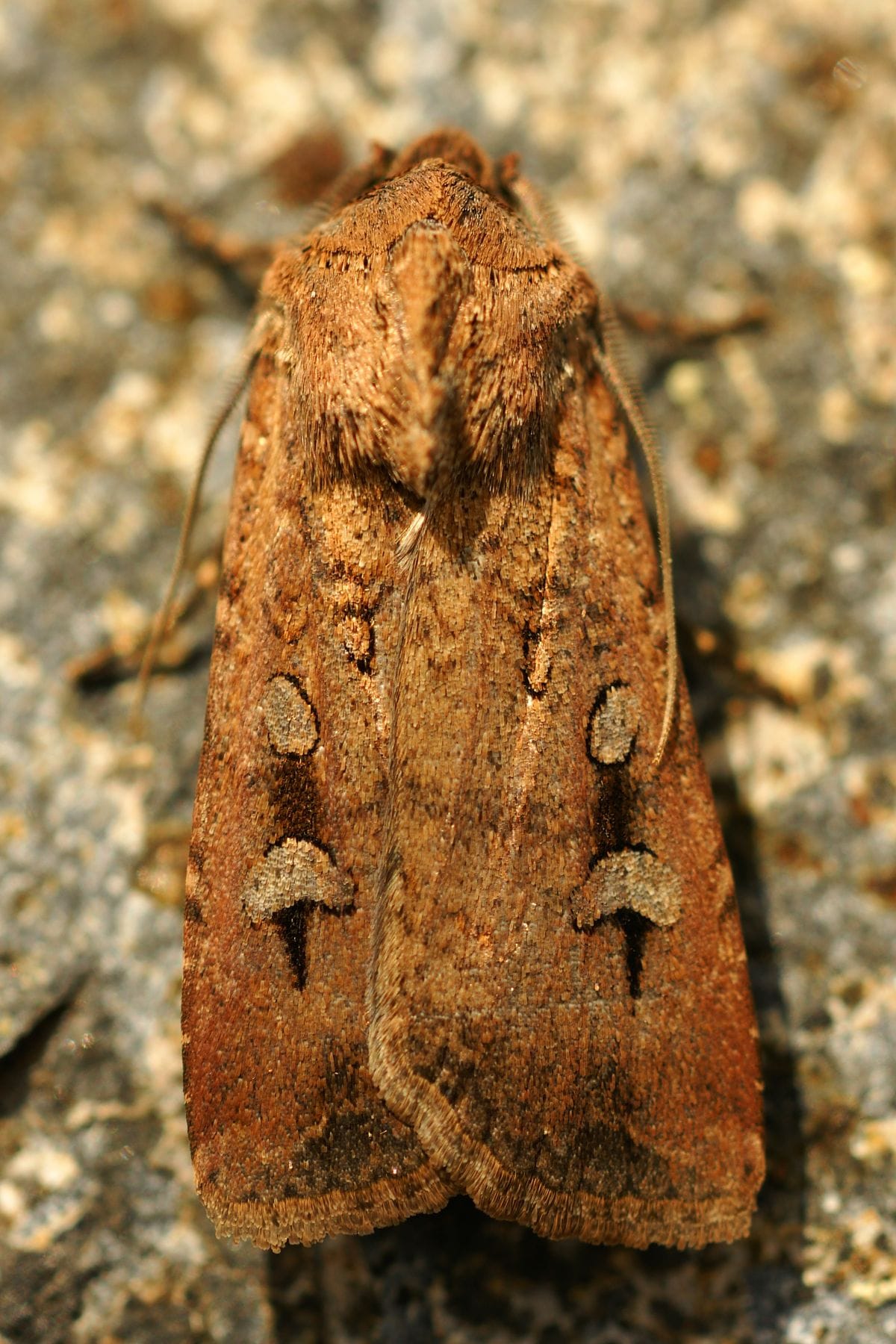
Every year, Bogong moths undertake an incredible migration, travelling hundreds of kilometres to cooler regions where they shelter through the warmer months.
However, strong north-westerly winds this year have blown millions of the insects significantly off their traditional flight paths pushing them down toward the coast.
Scientists have celebrated the current 2026 migration as a massive ecological win.
Dr Marissa Parrott, a senior conservation biologist leading Zoos Victoria's Moth Tracker, confirmed that submissions logged by citizen scientists had already eclipsed the numbers from previous years and officially surpassed the previous year's total.
“How truly wonderful to see beautiful Bogong Moths migrating in swarms once more,” said Dr Parrott. “Swarms of them have been popping up along the east coast and flooding our social media feeds.”
Once abundant enough to darken the night sky, Bogong moth populations suffered a devastating collapse between 2017 and 2019, with estimates suggesting a decline of up to 99.5%. The species was later listed as endangered by the International Union for Conservation of Nature (IUCN) in 2021.
Local residents have been warned to check dormant footwear for spiders and moths.
“They absolutely love bottle brush flowers, swarming the trees at night.”
“Saw a bottlebrush tree in full flower absolutely mass swarmed by Bogongs.”
“Our Callistemons are full of Bogong moths and maggies are having a feast.”
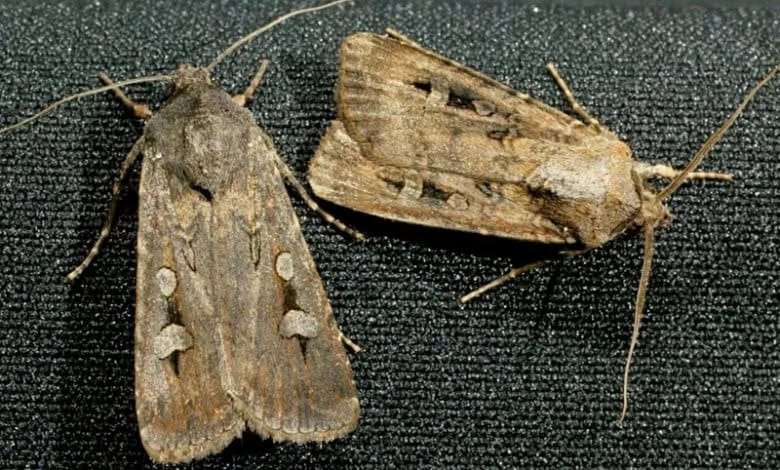
Wildlife biologists recommend a number of actions for local residents who see swarms of Bogong moths in their home or coastal backyards.
“The best way to avoid a bogong moth problem is to turn off unnecessary lights, which may lure the moths away from their path,” Dr Parrott advised.
She strongly warns against using insecticides on them. “Do not squish or spray them, if they get inside, simply trap them safely and put them back outdoors so they can continue their journey. These insects are completely harmless to humans and are not household pests. If they get trapped inside, gently catch and release them.”
Finally, log your sightings by using citizen science platforms like Moth Tracker to help researchers map the recovery or take a photo and upload it to the Zoos Victoria website to help scientists monitor the exact paths of the moths and strength of the recovery.
Bogong moths are generalist foragers, visiting nectar-rich flowers as they travel. That can include flowering eucalypts, grevilleas and other plants they encounter along their journey. Gardens can also provide valuable places to rest and shelter during the day before the moths continue their migration after dark.
Around four billion moths reportedly reached the Australian Alps during the 2025–2026 summer, marking the strongest return since the 2017 and 2019 population crash.
Bogong moths are a keystone species for the health of alpine ecosystems in Australia.
They are also nectar eaters and act as pollinators, and any permanent reduction in numbers could have a significant effect, not only on the small mammals relying on them as a food source, but also on plants along their migration route and in the alps.
The Zoo Victoria Moth Tracker can be found at zoo.org.au/moth-tracker/


