

Dredging done, but thousands of plants still to follow
THE dredging may be finished at Inverloch Surf Beach, but the work is far from over as up to 40,000 indigenous plants are expected to be planted across the reconstructed dunes over the next two years.


The dredging may be finished at Inverloch Surf Beach, but the work is far from over.
Up to 40,000 indigenous plants are expected to be planted across the reconstructed dunes over the next two years, starting with Saturday, September 26, when the Inverloch Surf Life Saving Club will host a community planting day.
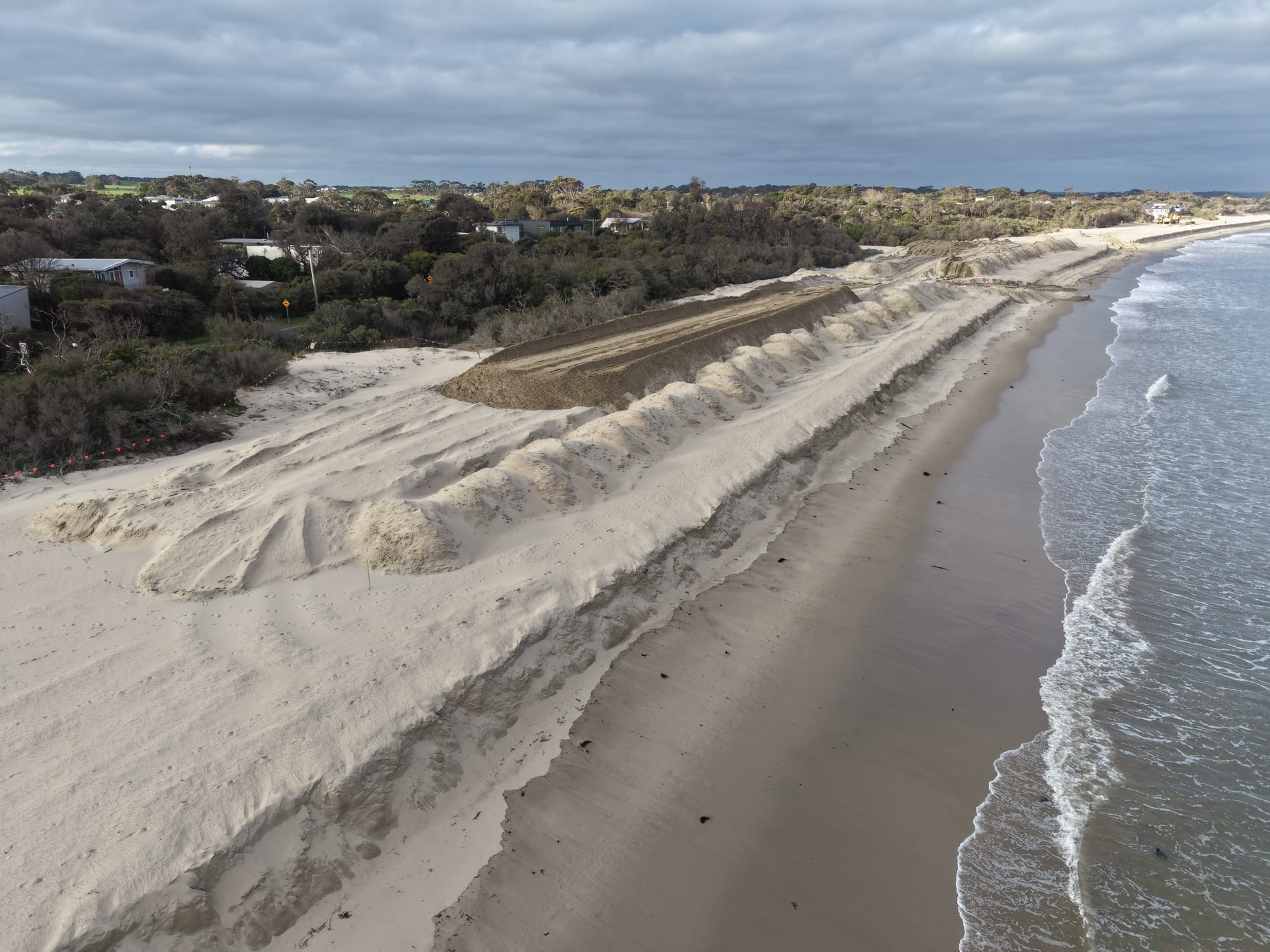
The revegetation will follow the completion of the dredging phase, which involved pumping sand from Anderson Inlet several kilometres along the coast to rebuild the beach and dunes.
A little bit of work still remains, like shaping the sand, removing equipment and completing access around the surf club.
About 7000 cubic metres of sand is also being trucked from east of the surf club to the western section near the two Wreck Creek outlets, strengthening what has been identified as the most vulnerable section of coastline.
But the result has already provided some relief.
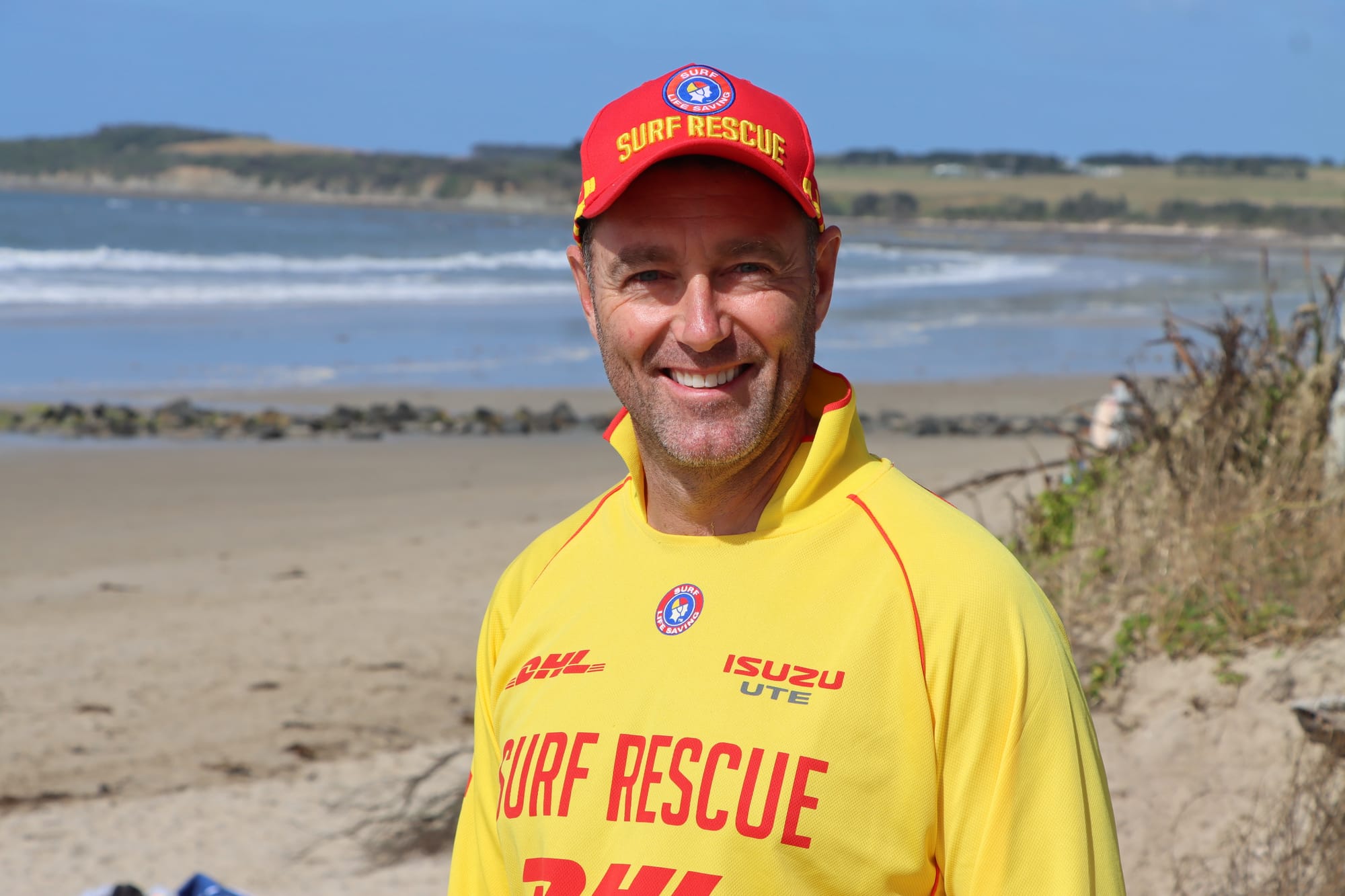
Inverloch Surf Life Saving Club president Glenn Arnold said the club was “a lot happier” now that the building was in a safer spot.
“In terms of protection, I guess time will tell just how effective it is,” he said.
“But obviously it’s put us in a healthier position than we were prior to this.”
Mr Arnold said the club’s ramp for inflatable rescue boats still needed to be finished, and that the reconstructed dunes would take time to settle and respond to summer foot traffic.
For now, the club expects things to be business as usual, even if some aren’t getting their hopes too high.
“This work was needed. It’s appropriate,” Mr Arnold said.
“How long it lasts is obviously the million-dollar question, but it’s given us that reprieve. It’s given us that breath and that break that we need to now think about what happens next.”
Attention will now turn to revegetation.
Volunteers will kick things off by planting 1000 indigenous shrubs and grasses around the surf club from 10am to noon on September 26, before moving to a barbecue hosted by the club.
The planting day was originally scheduled for August but was postponed because dredging equipment and pipelines were still at the site.
The South Gippsland Conservation Society will guide the planting.
Philip Heath, who has led the society’s Inverloch Coastal Resilience Project, said the event represented a major milestone after almost a decade of work.
The society began raising awareness of the erosion in 2016 by conducting studies and monitoring changes along the coastline.
“Originally our main concern was the loss of the vegetated dunes,” Mr Heath said.
“More than 12 hectares of vegetation has been washed away over the last 10 years.
“But now, obviously, it’s an even bigger issue with the threat to the surf club and adjoining residences as well.”
Mr Heath said the plants would bind the sand and trap windblown material, helping rebuild the dune structure and partially replacing some of the lost wildlife habitat.
Ongoing care is crucial for the success of the project.
Regular watering will be planned around the surf club, and Conservation Society member John Cuttriss is developing an irrigation system to help the plants survive the hot and dry conditions expected later in spring and summer.
The wider planting schedule remains subject to beach access and weather conditions.
Mr Heath said the delayed completion and anticipated hot, dry conditions meant this spring’s planting would likely be more limited than originally planned, with some work potentially shifted into next year.
Registration for the community planting day is required through Humanitix.
The beach access point at the surf club remained closed on Friday, September 18, with members still unable to say when it would reopen.


