How a wintry blast saved Victoria’s snow season
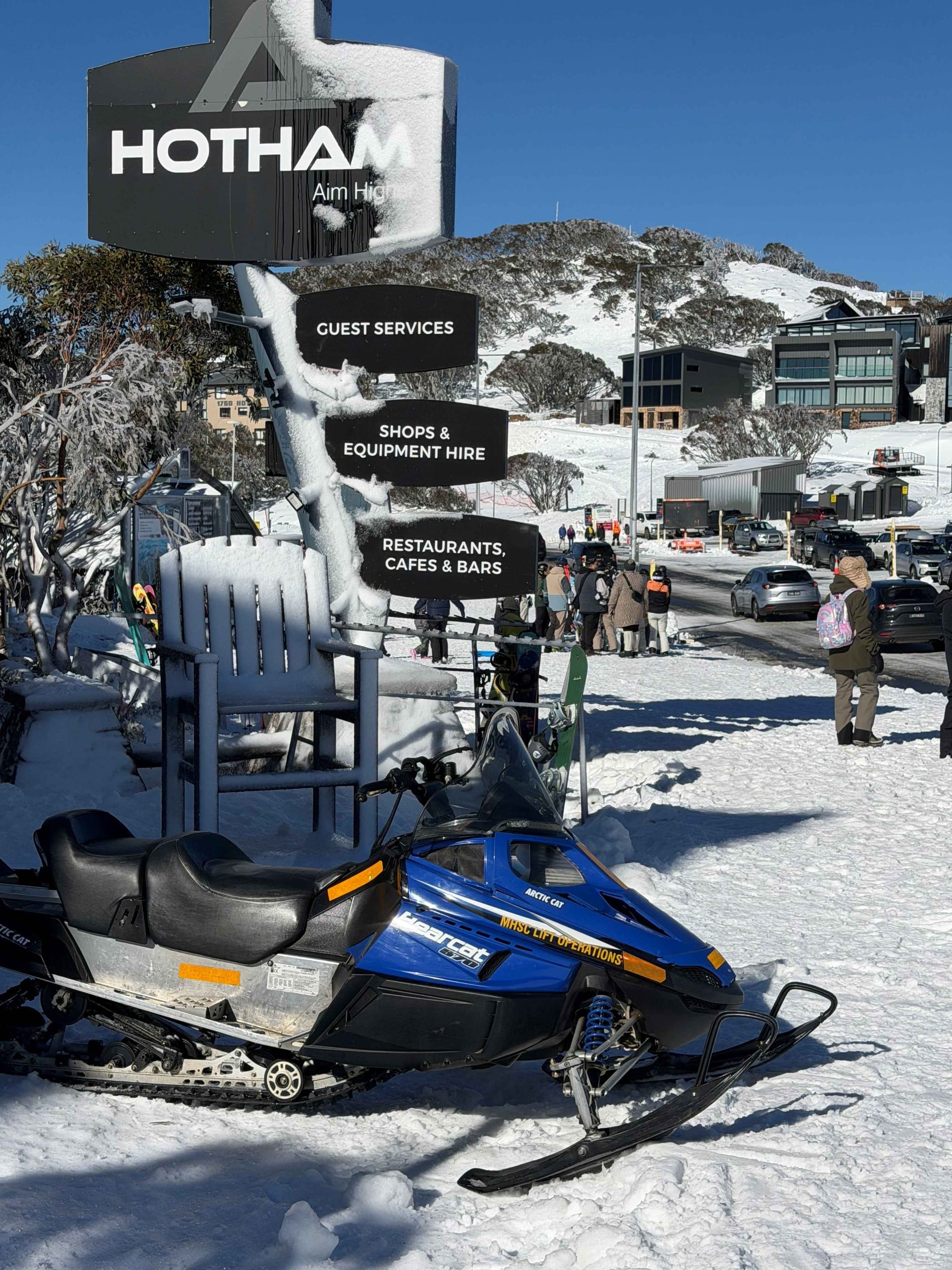
Mother Nature left it until the absolute last minute to save the 2026 snow season when 36cm of snow arrived in the middle of the school holidays. So, while everyone was battening down the hatches locally, the turn in the weather was music to the ears of those up in the mountains.


...and the challenges posed by climate change
MOTHER Nature left it until the absolute last minute to save the 2026 snow season when 36cm of snow arrived in three days ahead of the middle weekend of the Victorian school holidays.
While everyone was battening down the hatches across Bass Coast and South Gippsland as the first real wintry blast arrived last Thursday, the turn in the weather was music to the ears of those up in the mountains.
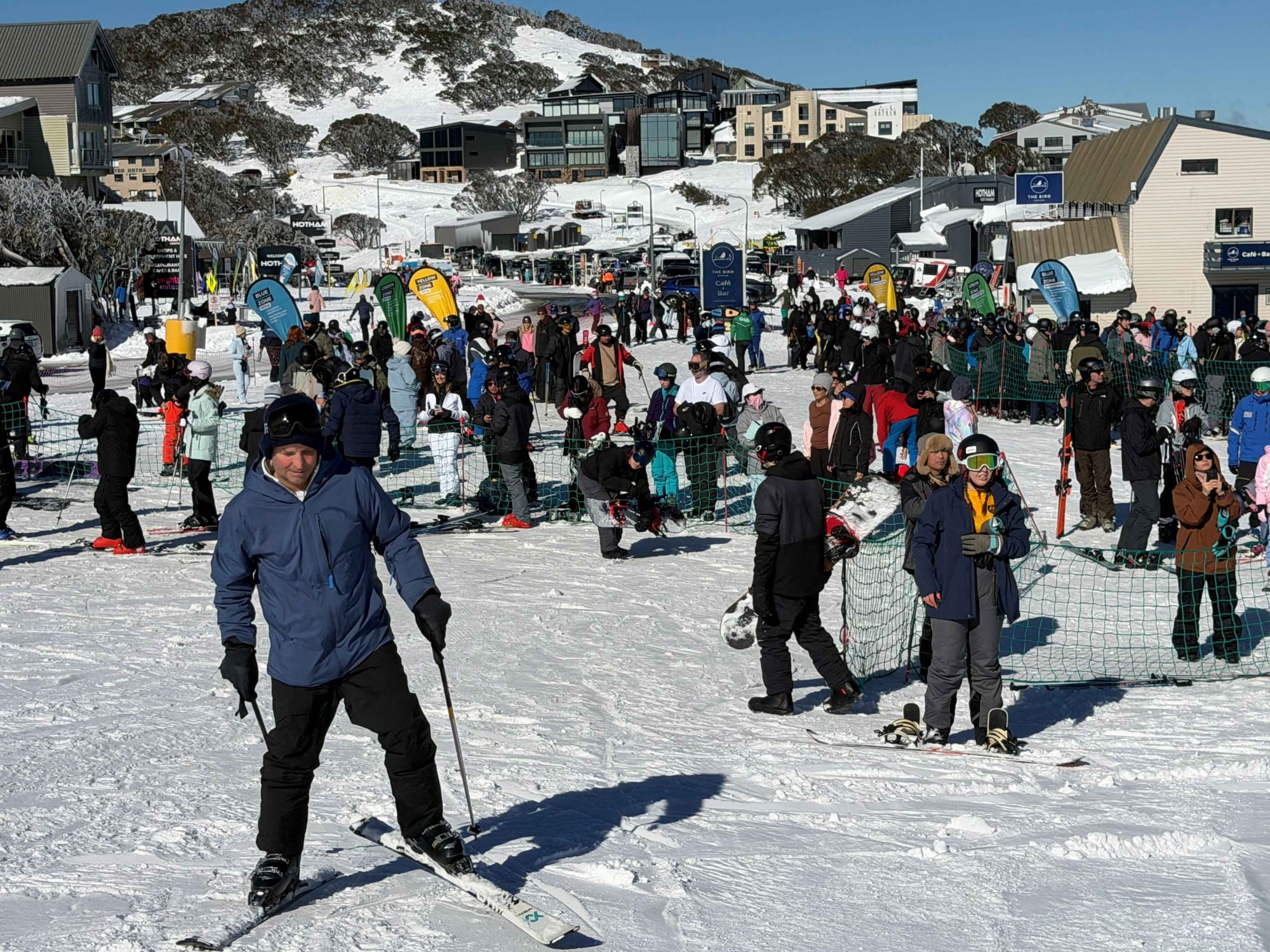
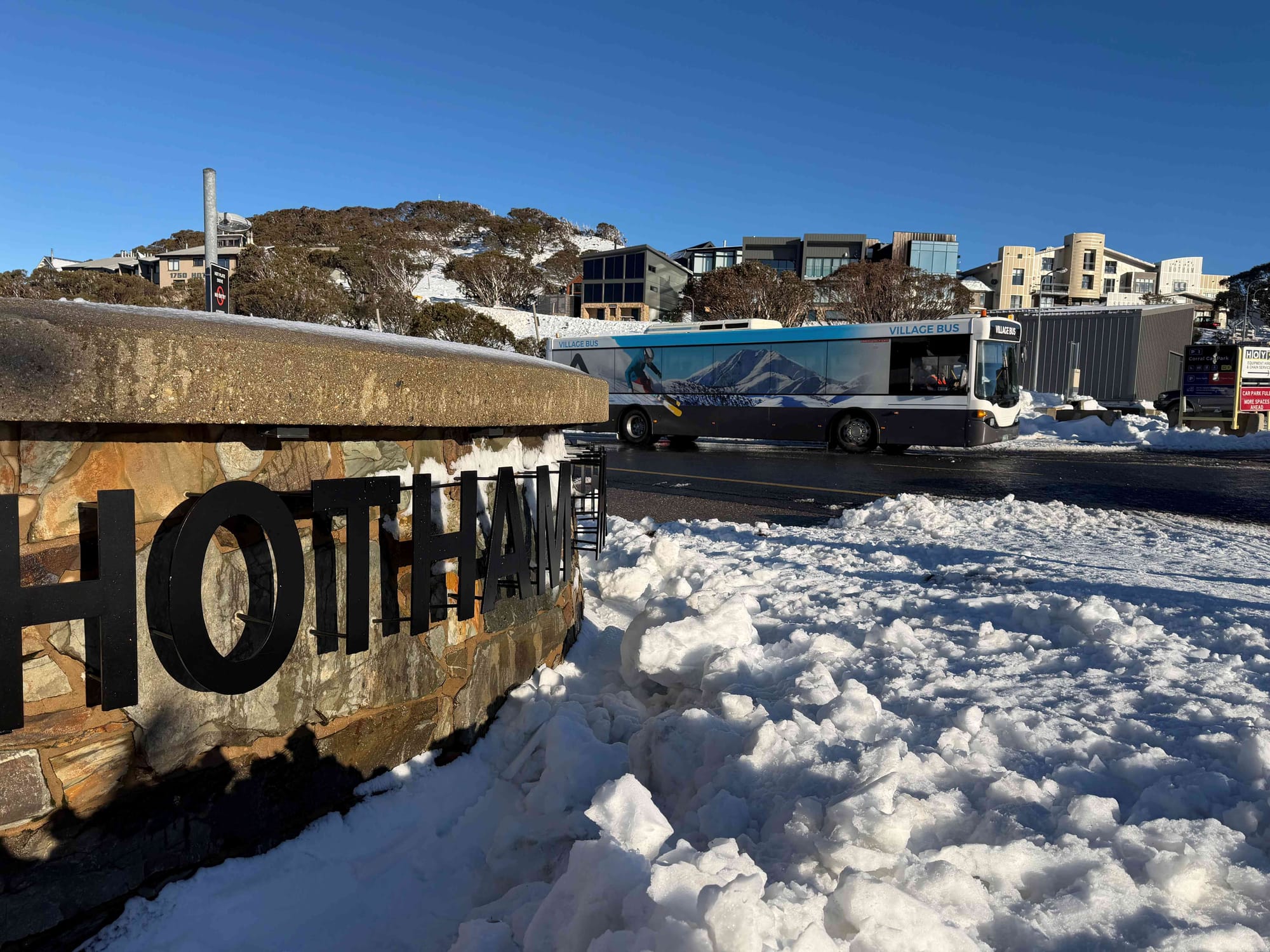
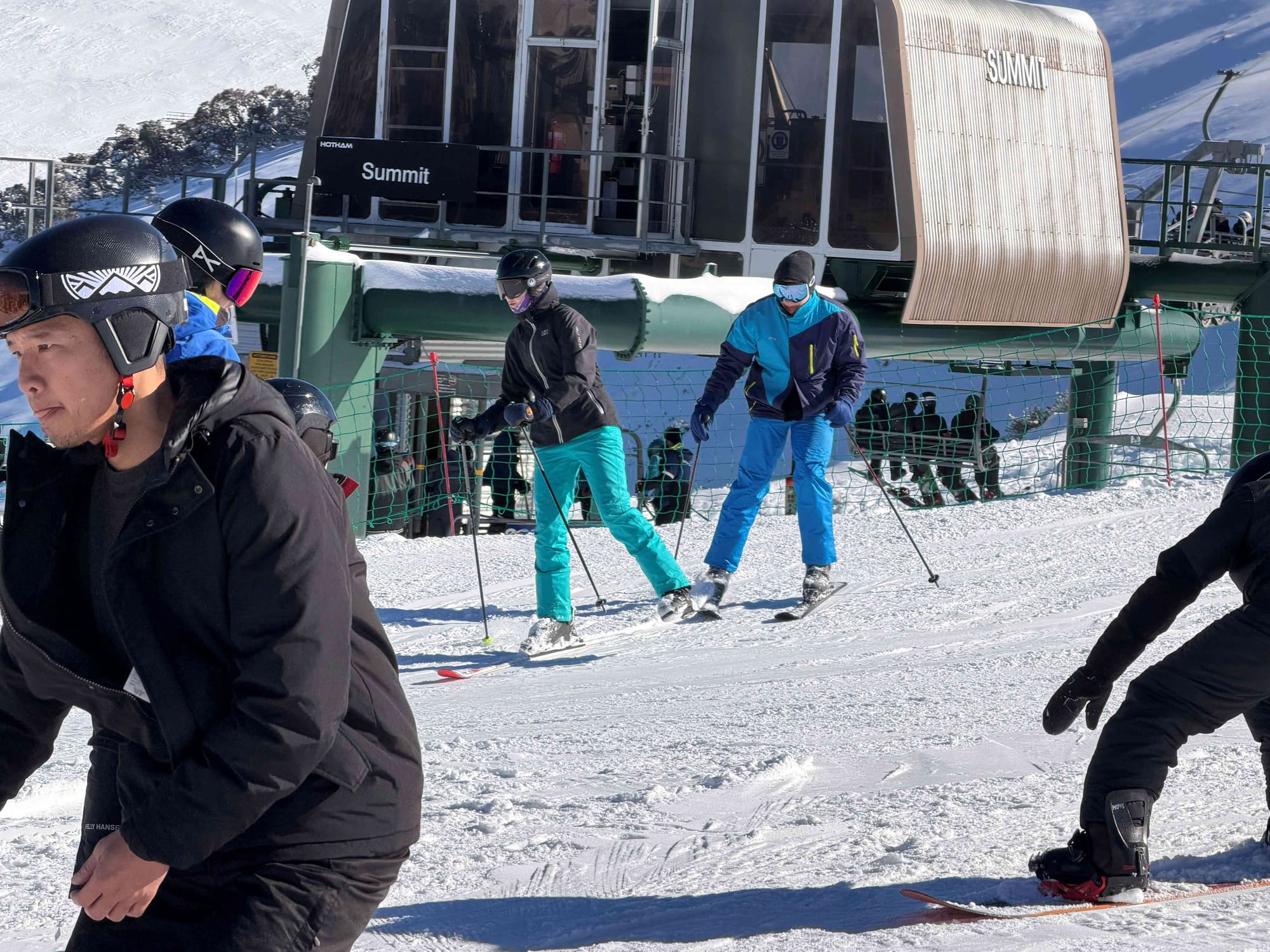
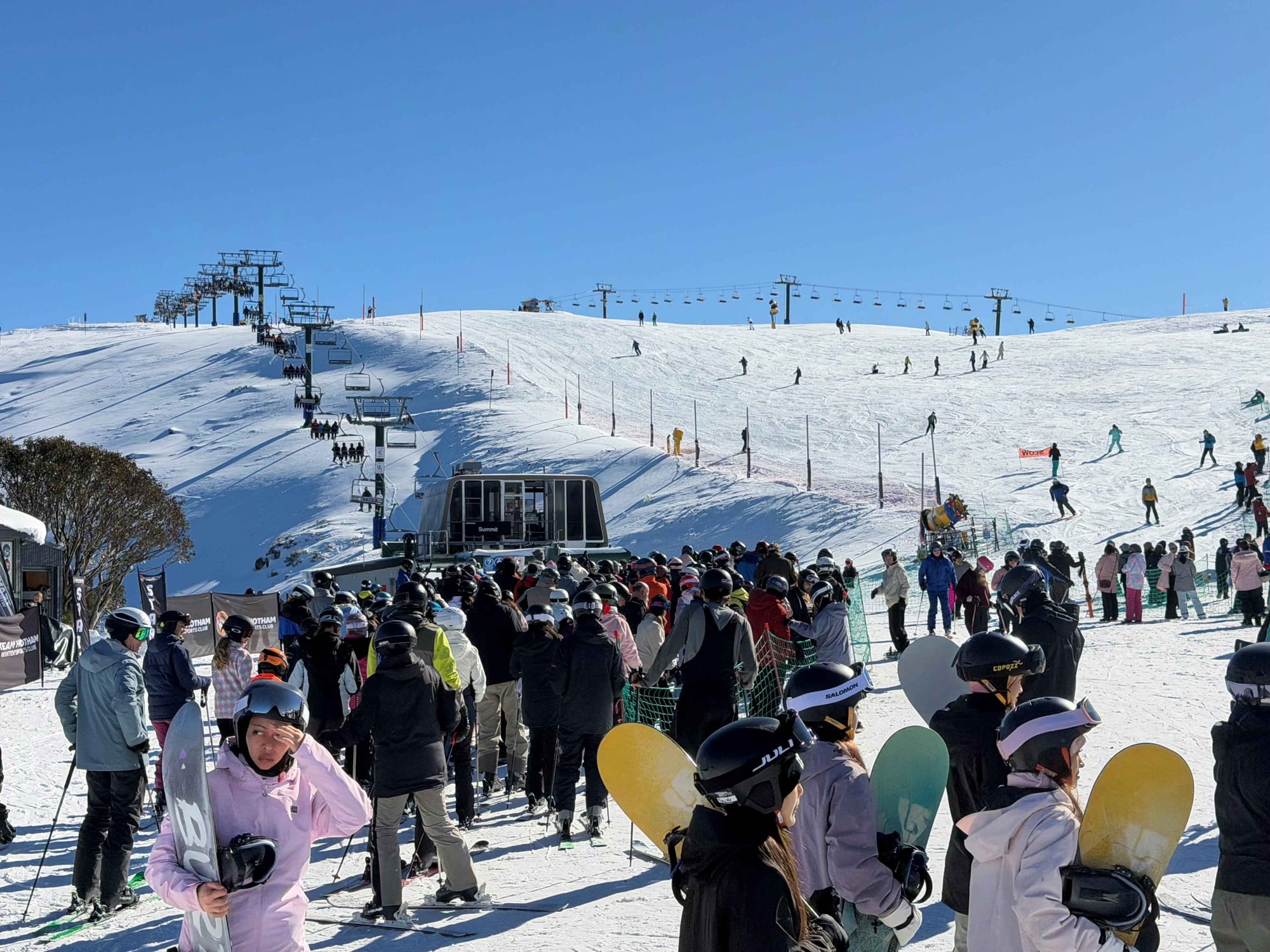
It was enough to get three lifts open at Mount Hotham on Saturday; the Summit Quad, Big D Quad and Summit trainer Carpet, the same at Falls Creek with three lifts operating and four lifts at Mount Buller.
Mount Baw Baw had the Hut Run Platter running and with enough snow for toboggan riding and snow play, Gippsland’s own winter wonderland was up and running as well.
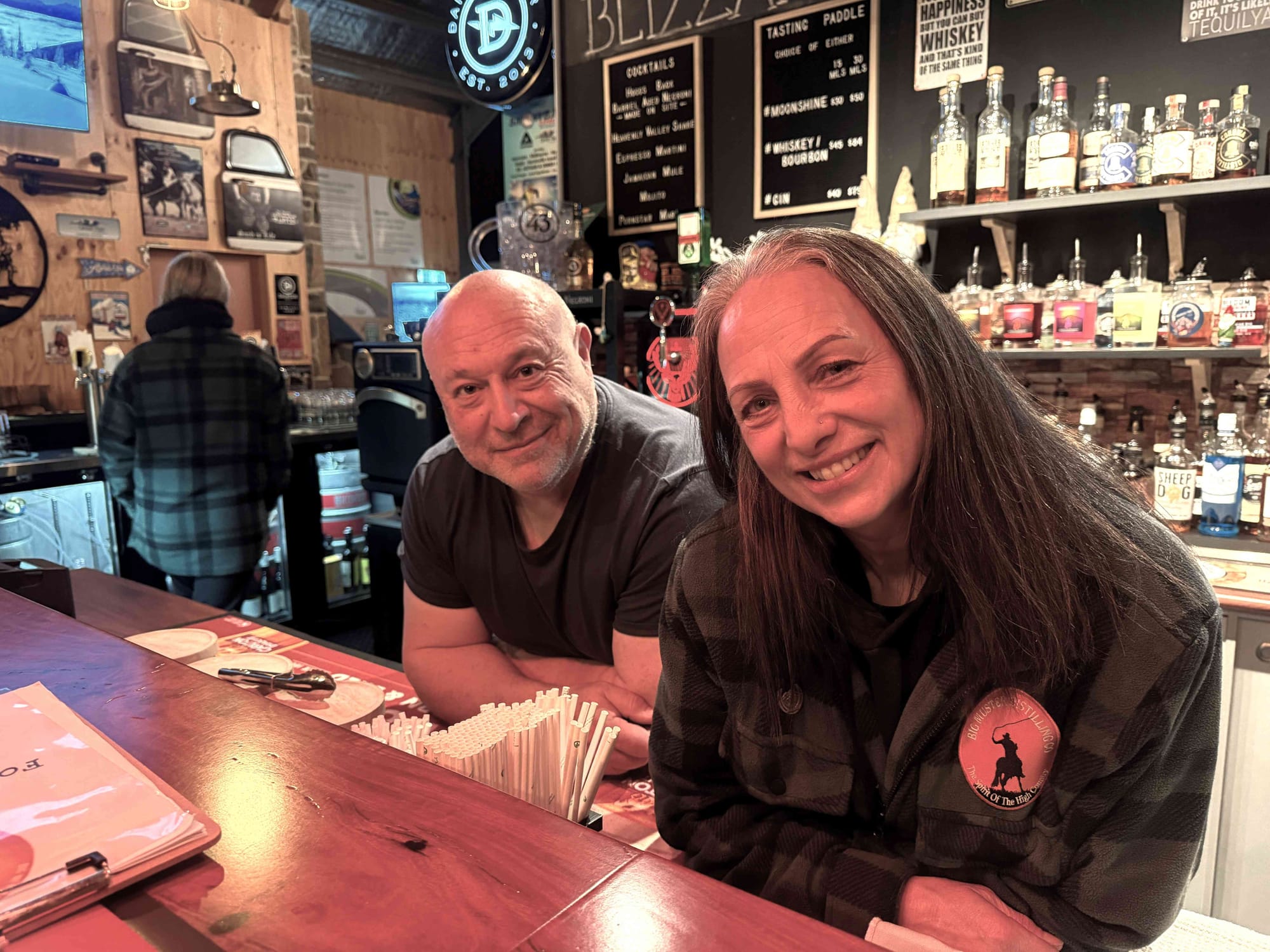
But it’s been tough, according to president of the Mount Hotham Chamber of Commerce Steve Belli.
“We had that early snow for the opening weekend, which was great for the marketing, but it’s been tough since then, until this week, especially trying to manage staff,” said Steve Belli.
“But it’s good to see the snow arriving in time for the second week of the Victorian school holidays and the first week of the NSW holidays.
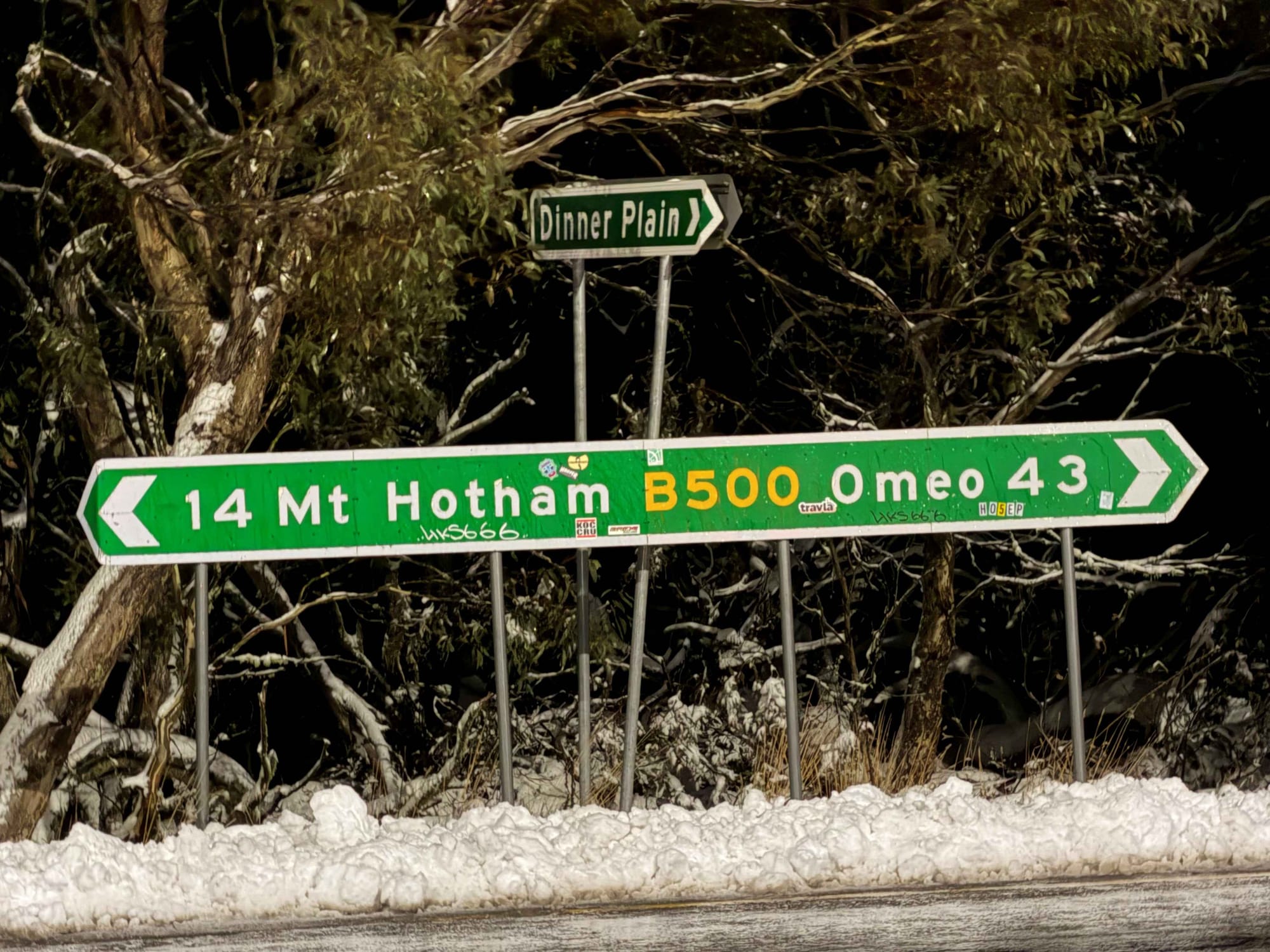
“We’ve had three lifts open today and it’s just been great to see all the kids and families out enjoying themselves, whether that was on the Summit or at the Big D, down at the Hotham Hub Toboggan and Snow Play Park or here at Dinner Plain.
“People are quick to respond when the snow does arrive,” he said.
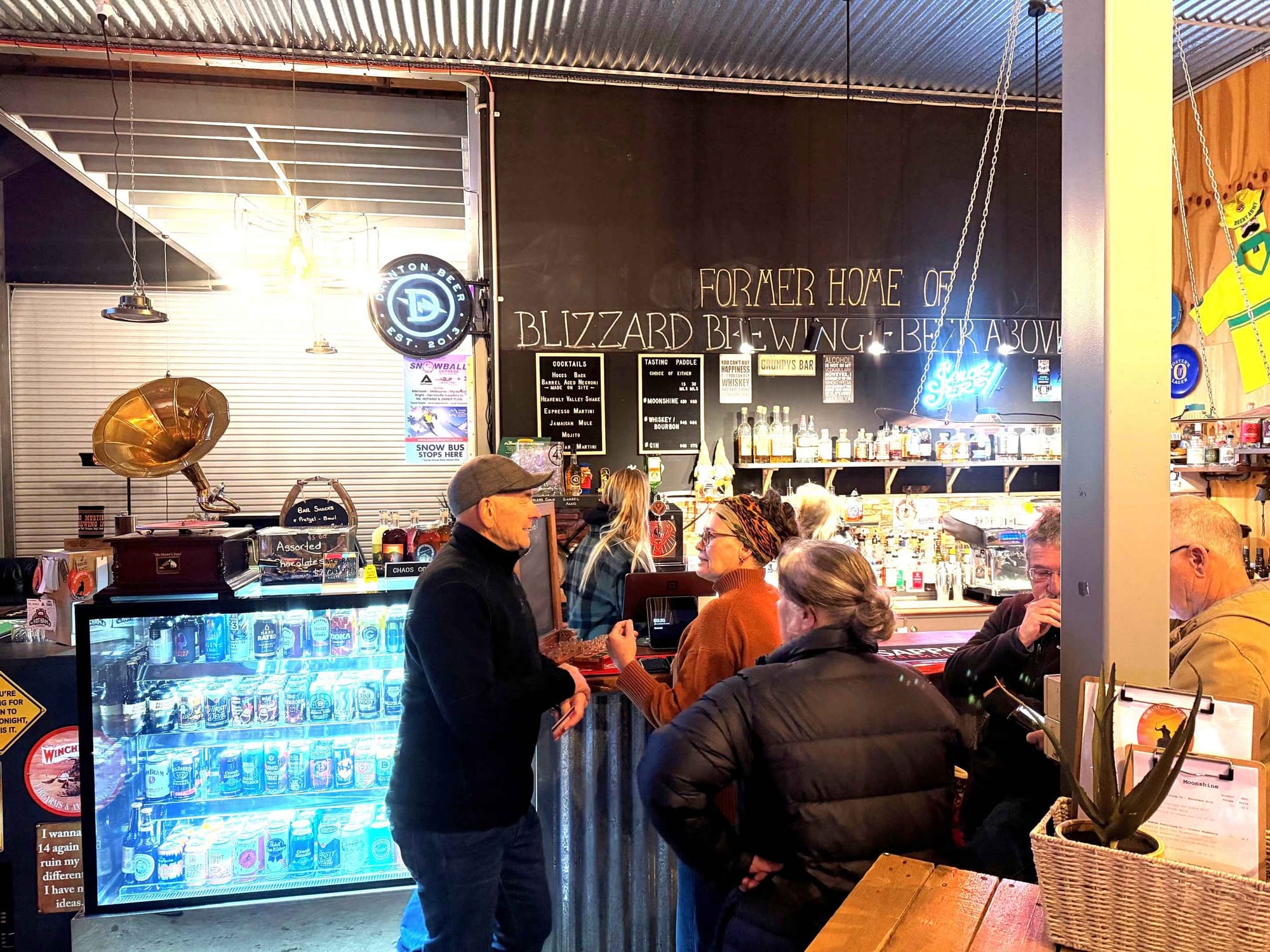
Among other alpine initiatives, Steve Belli and his partner Elizabeth Davies operate the Big Muster Distilling Company, a hospitality venue and beer and spirits manufacturer on Cattle Pen Drive, Dinner Plain.
As well as their locally-produced beers and spirits, they offer a menu of matching snacks and Italian-inspired food including ‘Pizza Paddles’, pasta, desserts and a kid’s menu, with daily and weekly specials of Minestrone soup with Garlic Bread and more.
The venue is one of a wide variety of hospitality places up on the hill at Mount Hotham or at Dinner Plain.
Sunday was more of the same at the Victorian snow resorts as they swung into the school holidays with as much enthusiasm as the limited snow fall would allow.
The coming week’s weather sets up as dry during the day but cold enough at night for snowmaking to build on Mother Nature’s bounty with the prospect of a top up of snow from next Saturday onwards.
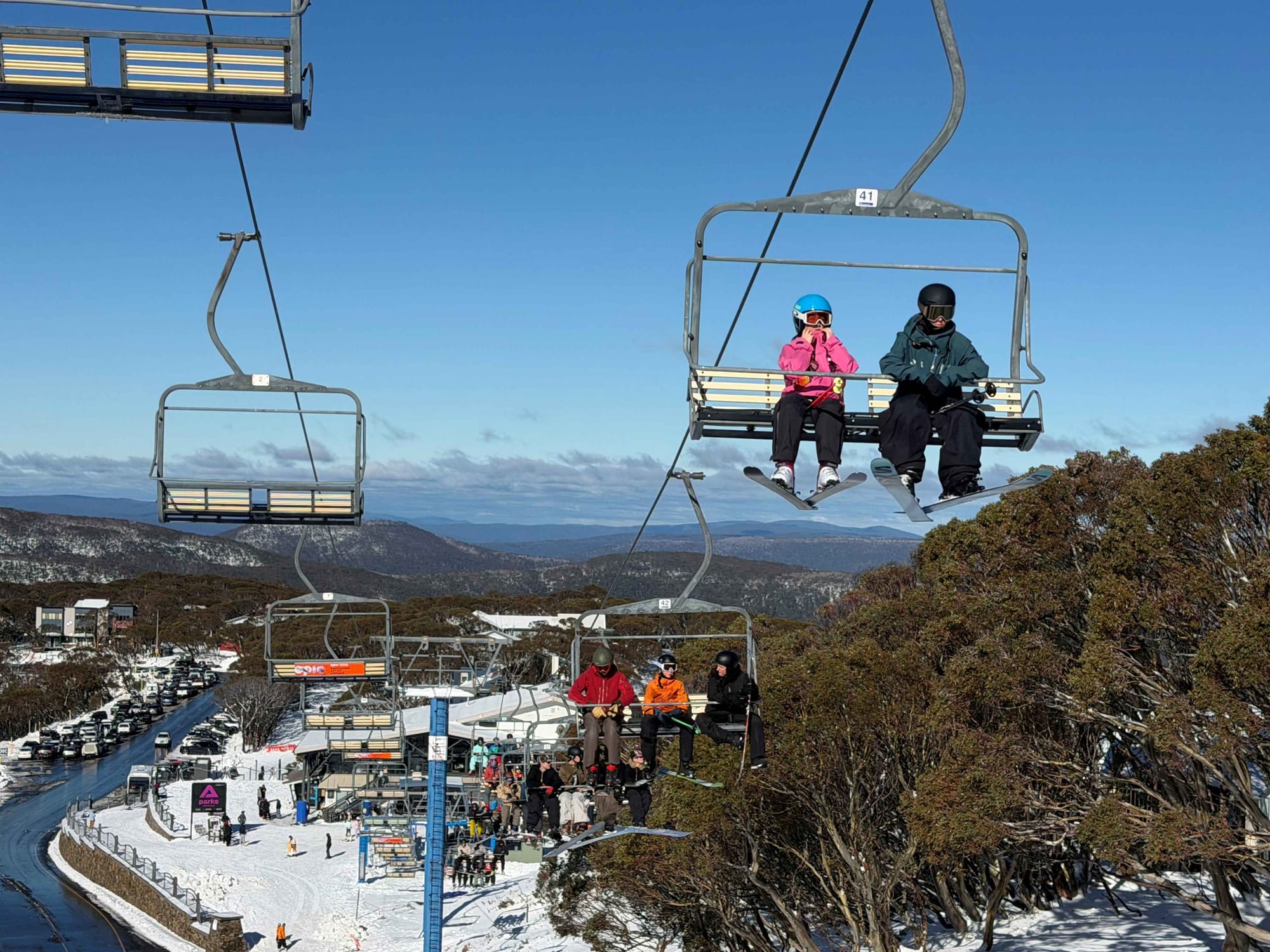
So, what’s it like up there?
Where Mount Hotham is concerned, there’s enough cover following the natural snowfall during the week and the hard work done trucking in snow to fill deficiencies to open the Summit and Big D lifts and to keep them open with both magic carpet beginner lifts also running for first-timer and beginner lessons. So, there’s plenty of activity around the village.
There’s also plenty of snow for toboggan riding and snow play at the Hotham Hub Toboggan and Snow Play Park.
There’s a general cover across the more advanced slopes too, but following the heavy rain early last week, there will probably need to be some additional natural snowfall before the main lifts are open.
Interesting then to note the comments on social media during the week by Phillip Island’s Greg Price, the Chair of the Hotham Stakeholders Association, which essentially revolve around Mount Hotham, and Victoria’s other snow resorts, operating inside designated Alpine Resorts, not National Parks, meant to facilitate snow sports and associated human activities, in effect to protect surrounding National Parks.
Mr Price’s argument is that resort managers must be able to respond to climate change and keep these public recreation areas open and available for use by the working public as soon as the snow arrives by conducting what earthmoving and vegetation control measures are required in the offseason without needing to go cap in hand to government every time you want to get the whipper snipper out.
Read his comments online at https://www.facebook.com/hothamskiassociation
Or reprinted fully here.
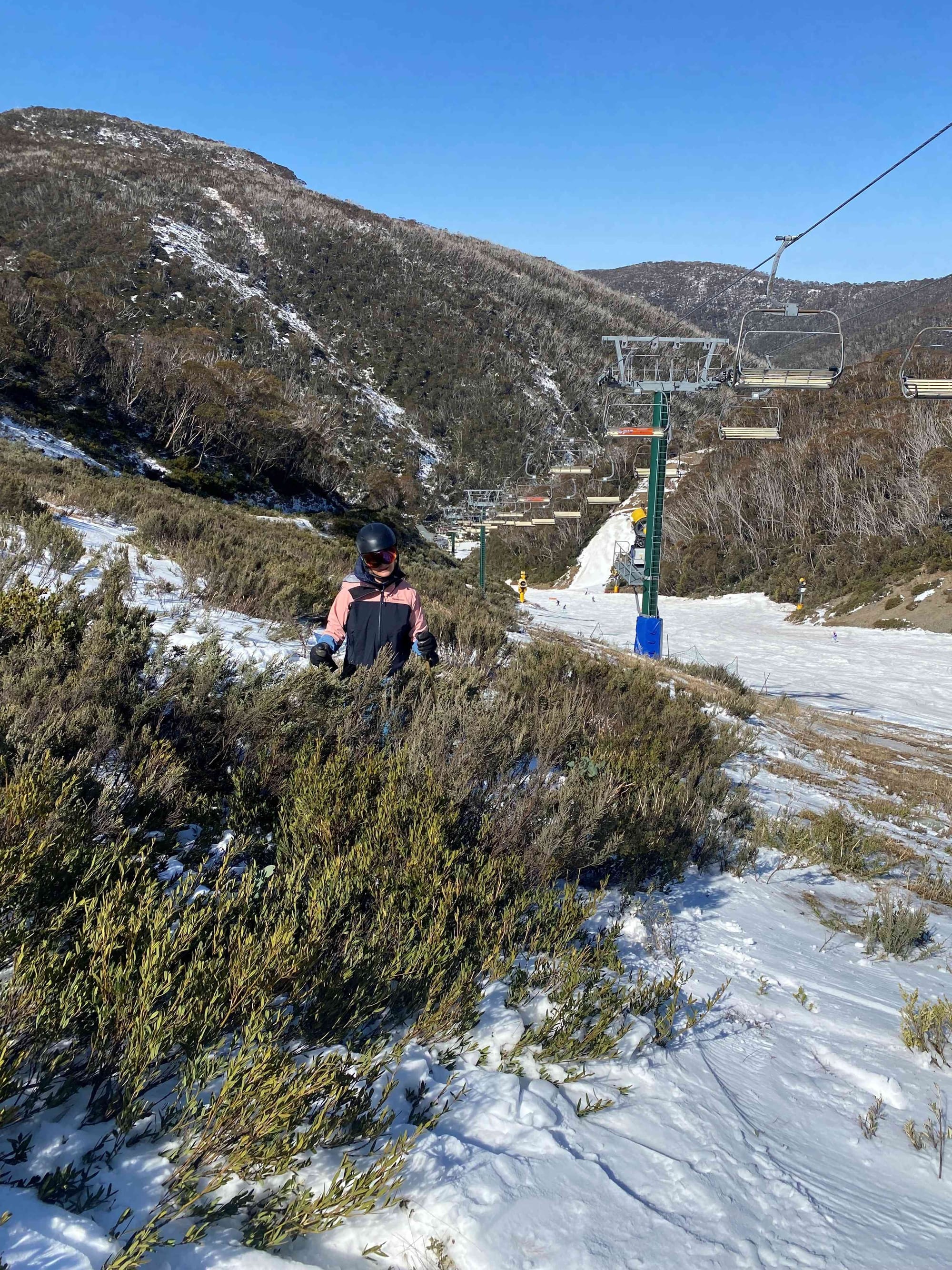
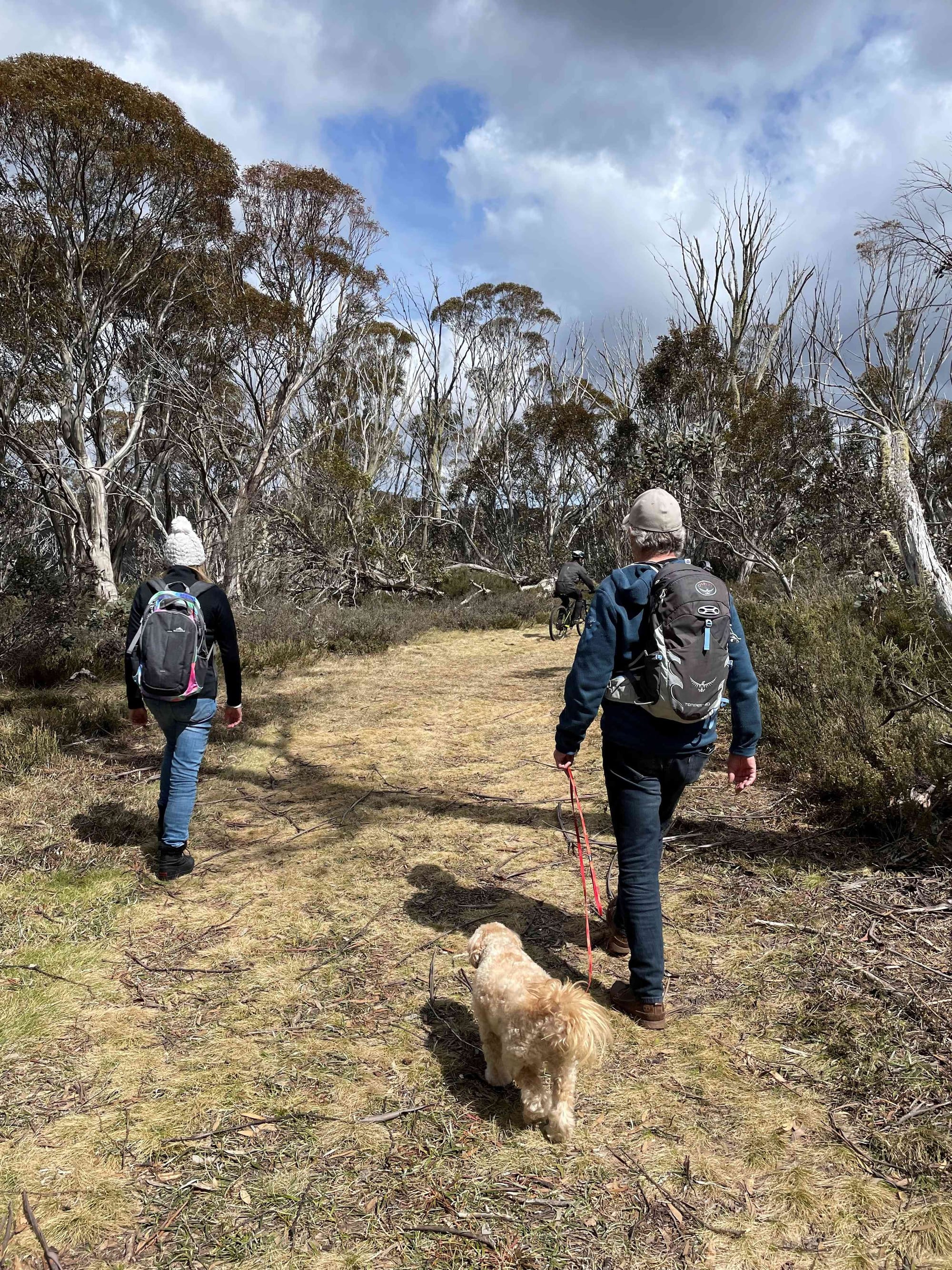
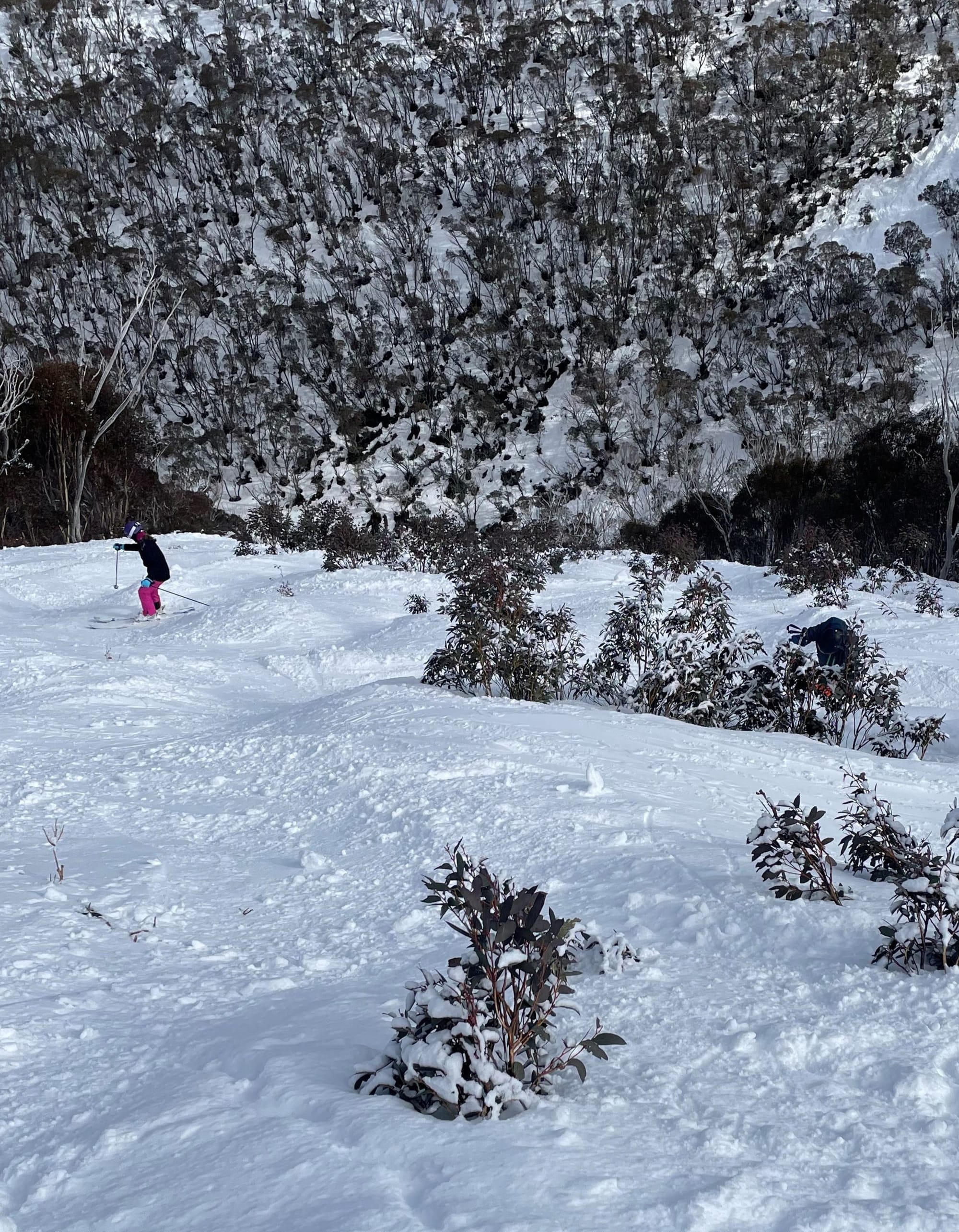
Where the walking and cross-country ski trails in the Christmas Hill area (2) are managed back to the Alpine grass to allow a quick uptake when the snow arrives, thick undergrowth is left to flourish on prime ski slopes such as Imagine on Heavenly Valley (1) requiring as much as a metre of snowfall to make it suitable for skiing. Even in years of heavy snowfall, designated runs like Spargo's (3) still have thick undergrowth and new trees coming through in the middle of the slopes.
It’s a resort, it's not a national park
Alpine Resort opinion by Greg Price
An alpine resort is not a national park — and we must never let anyone forget it
Mount Hotham is an alpine resort. It sounds obvious. But increasingly, it needs to be said — loudly, clearly, and often.
There is a creeping confusion in some quarters of government and regulatory authority about what our mountain is, what it was created to be, and what it must remain. As your HSA Chair, I want to put our position plainly: Mount Hotham, along with Falls Creek, Mount Buller and our fellow Victorian resorts, exists for a purpose — the promotion of alpine recreation, sport, and tourism for the benefit of all Victorians. It is not a national park. It is a working resort, surrounded by national parks, and that distinction matters enormously.
How we got here
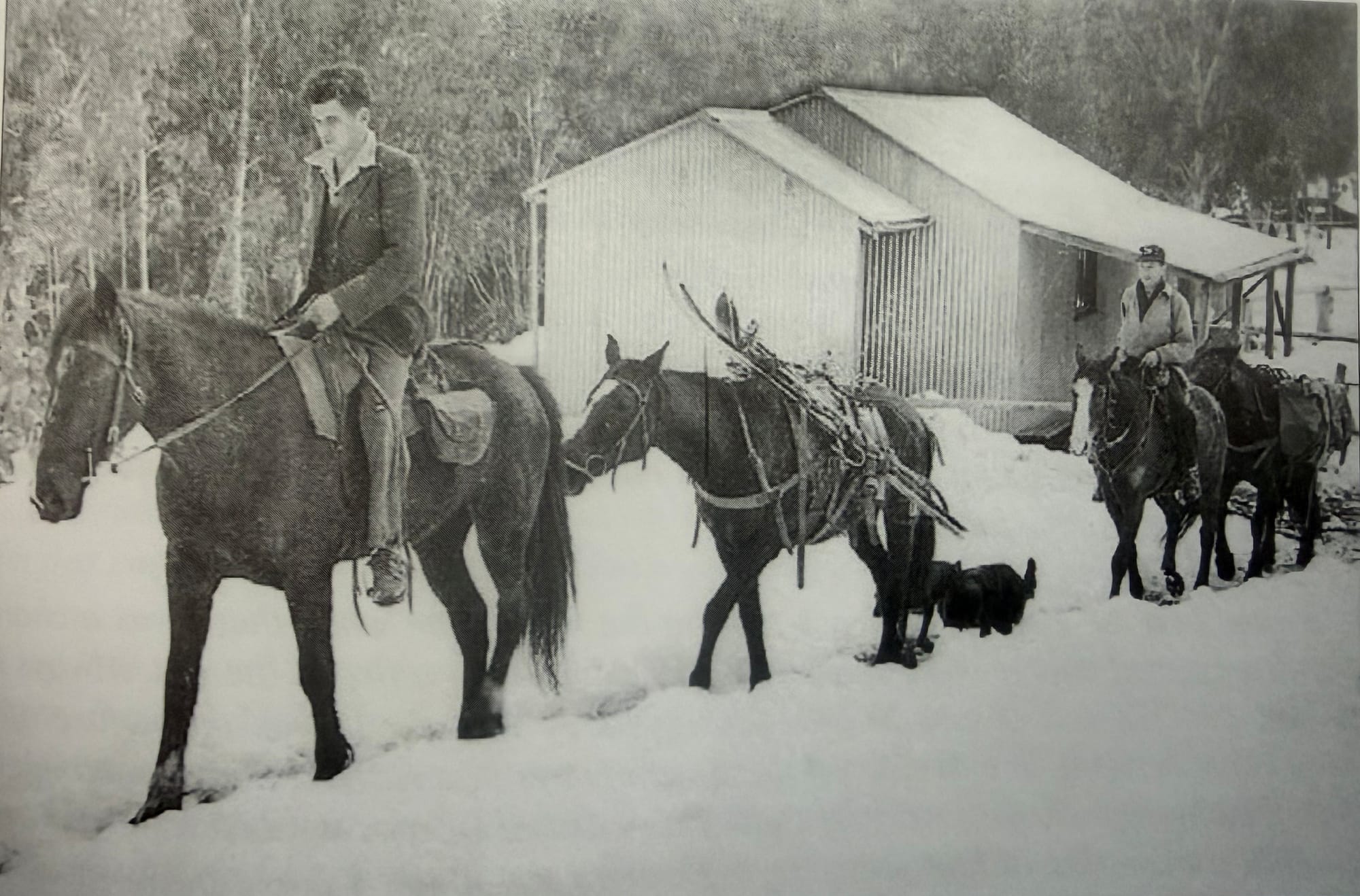
The story of alpine recreation in Victoria stretches back well over a century. As far back as the 1880s and 1890s, recreational and practical skiing was being practised in the Victorian Alps, with skis fashioned from local timbers. The Hotham area in particular has been a destination since those early days — since the first travellers over the ranges strapped timber planks onto their boots at the Mt St Bernard Hospice during the 1880s, the Mt Hotham area has been a skiing destination for tourists for over 125 years.
The post-war era saw rapid growth. The 1940s saw the establishment of the first ski clubs and lodges, and the first ski tow was installed in 1951. The Department of Crown Lands and Survey assumed responsibility for Mt Hotham in 1962, appointing a Committee of Management to coordinate crown allotments, subdivisions and provide basic services. Development gathered pace from there — chairlifts, lodges, roads, infrastructure — all built with a clear and deliberate policy intent: to create a world-class alpine resort that Australians could enjoy, and that Victoria could be proud of.
In 1983, the Alpine Resorts Act saw the formation of the Alpine Resorts Commission to manage all Victorian Alpine Resorts, permanently reserved as Crown Land. The policy framework was clear from the beginning: these were designated resort precincts, set aside precisely to concentrate development in defined areas in order to protect the vast national parks surrounding them. The resort boundary was always meant to be a line of permission — not an ever-tightening line of restriction.
The governing legislation itself is explicit on this point. The Alpine Resorts (Management) Act 1997 states that its object is to promote the management, development, promotion and use of alpine resorts, and to provide for the use of alpine resorts in all seasons of the year by persons from different cultural and economic groups, primarily for the purposes of recreation and tourism. Recreation and tourism. Development. These are not dirty words — they are the reason our resorts exist.
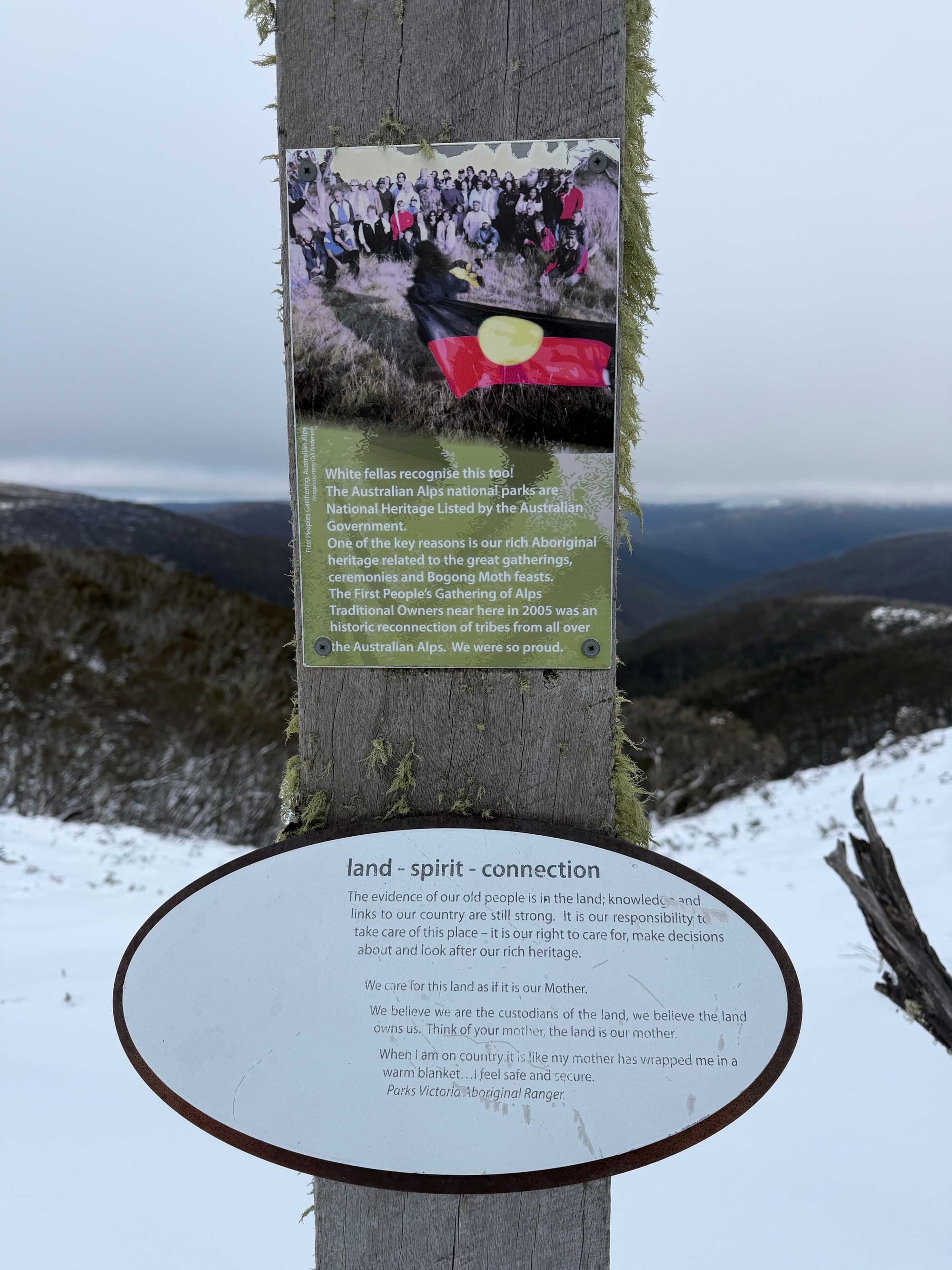
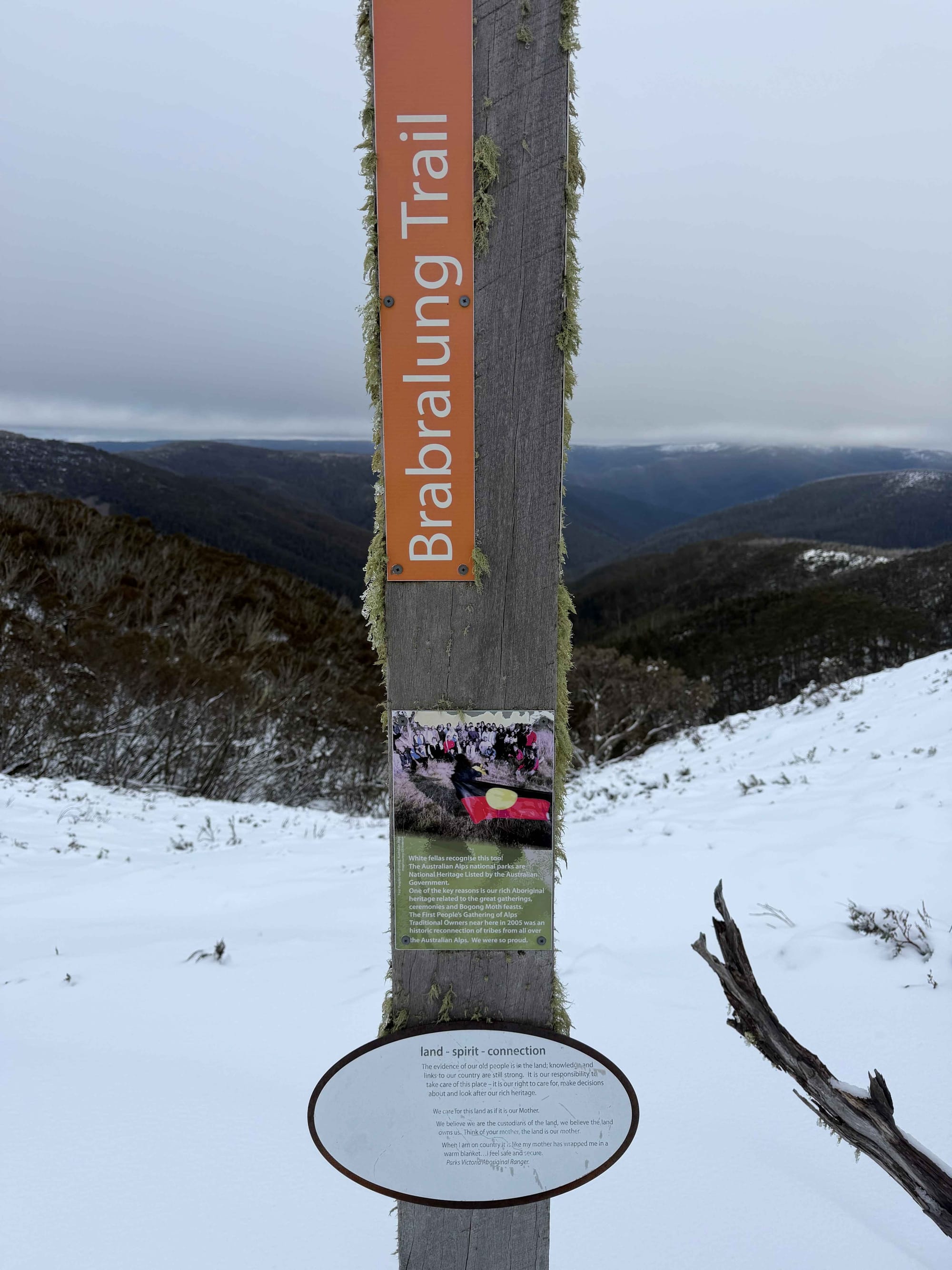
Mount Hotham is recognized as the traditional land of the Gunaikurnai and Taungurung peoples but as something of a meetings place, it is also believed to have been visited by the Yaitmathang, Dhudhuroa, Bidawal, Jaithmathang, and Nindi-Ngudjam Ngarigu Monero people.
What the industry means
The economic case is not trivial. Victoria’s six alpine resorts contribute $2.14 billion to the economy and support more than 12,000 full-time equivalent jobs across the state. Every dollar invested from the public sector into resort assets leverages a further four dollars in private sector investment. That is the return on what our mountain communities provide — to the High Country, to regional Victoria, and to the state as a whole.
But the value of our resorts runs deeper than economics. Alpine sport is one of the great levellers. For the 1.2 million Victorians living with a disability, our mountain offers something genuinely rare: an outdoor environment where the playing field is uniquely equalised. Sit-skiing, adaptive snowboarding, guided experiences for the visually impaired — the alpine resort, with its managed terrain, controlled environment and accessible infrastructure, provides experiences that are simply not available in a national park or a wilderness area. That is not incidental to what we are — it is central to it. When we talk about what an alpine resort is for, this must be part of the answer.
Beyond that, there are the immeasurable benefits of a healthy, active lifestyle in a spectacular natural environment — the joy of a child’s first run, the camaraderie of a mountain community, the physical and mental wellbeing that alpine sport delivers to tens of thousands of Victorians every winter.
Climate change: The argument for more agility, not less
Let us address directly what some might raise as a counterpoint: climate change. The HSA takes climate change seriously — very seriously — and we would argue it makes the case for a more responsive and agile planning framework stronger, not weaker.
Our industry has not stood still. Over the past 25 years, significant investment has been made in water recycling for snowmaking, renewable energy infrastructure, advanced snow grooming technology, and snow farming and fencing techniques. The result, perhaps surprisingly to those on the outside, is that the on-mountain snow sports experience at Hotham today is in many respects better than it was a generation ago — notwithstanding the real pressures that a warming climate brings. Our industry has adapted, and continues to adapt.
But adaptation requires the ability to act. It requires the freedom to modify infrastructure, reshape terrain, invest in new technology, and yes — maintain existing ski runs so they remain viable season after season. Climate change demands that our resorts be nimble. A slow, uncertain, and expensive planning process is the enemy of that nimbleness. If we need to respond quickly to changing snow conditions, reconfigure a run, or clear regrowth that is encroaching on skiable terrain, we cannot afford to wait months for a permit determination that may or may not be granted.
The survival of our industry in the face of climate change depends on our ability to evolve rapidly. A streamlined, fit-for-purpose planning process is not a threat to the environment — it is a precondition for the long-term sustainability of alpine recreation in Victoria.
The challenge we face
Despite this history and this mandate, our industry faces a significant challenge — not from a lack of goodwill from the agencies we work with, but from the legislative framework itself, at both state and federal levels.
We want to be clear on this point: our experience working with the Department of Transport and Planning, Alpine Resorts Victoria, and the Department of Energy, Environment and Climate Action has been genuinely constructive. Officers from DTP have been particularly helpful in exploring alternative approaches, including potential planning scheme amendments that could better streamline processes in the future. The agencies have engaged in good faith, and we appreciate that.
The difficulty lies not with the people involved, but with the framework those people are required to administer. Let me give members a concrete example. Routine summer grooming of an existing ski run — the clearing of regrowth and brush to keep a run viable and safe — requires a formal planning permit under native vegetation removal regulations: the same framework applied to clearing paddocks across rural Victoria. Even relatively minor works at Hotham, such as ski field improvements and vegetation removal on an existing run, have required formal ministerial permits.
Think about what that means in practice. A ski run that has existed for decades, within the designated resort boundary, on Crown land set aside specifically for alpine recreation, cannot have its encroaching vegetation managed without navigating a permit process — and that process comes with offset requirements and associated costs that bear no relationship to the scale of the work involved.
It is the scale of those offset requirements, and the costs they impose, that represent the primary constraint on routine maintenance. When the regrowth on a ski run goes unmanaged over summer, that run deteriorates, becomes dangerous, adds to fire risk in the resort and eventually the ski run becomes unviable. Skiable area reduces. Guests don’t come. Businesses suffer. Jobs disappear. The framework was not designed with the unique character of managed alpine resort precincts in mind, and that mismatch has real consequences.
What we are asking for
We are not asking to expand into the national park. We are not asking to override environmental protections that sit outside our boundary. We are asking — firmly and on behalf of every member, operator, visitor, and worker whose livelihood depends on this mountain — that the legislative framework be brought into alignment with the purpose for which alpine resort precincts were established.
We are encouraged that DTP and other agencies are actively exploring options, including planning scheme changes that could provide a more appropriate pathway for routine maintenance within the resort boundary. That work deserves support, and we will continue to advocate alongside those efforts.
The stakes are high. Our mountain serves a vast and diverse community — skiers and boarders of all abilities, families, adaptive athletes, regional businesses, and workers. It contributes billions to the Victorian economy and brings joy, health, and inclusion to countless lives. Climate change is real, and the pressure on our industry is real. The answer to that pressure is not an ever-growing compliance burden — it is a fit-for-purpose framework that allows resorts to maintain their existing facilities, adapt to changing conditions, and keep the lifts turning.
The HSA will continue to advocate strongly on this issue. We encourage every member to make their voice heard — to their local member, to Alpine Resorts Victoria, and to any minister who has responsibility for this sector. The history of this mountain is one of community, determination, and love of the alpine environment. We protect it best not by locking it away, but by managing it well, welcoming visitors, and keeping the lifts turning.
Greg Price is the Chair of the Hotham Stakeholders Association. The views expressed are those of the HSA.