

Olympic gold medalist makes passionate plea for community pools
Speaking at Tarwin Lower Primary School during a break in the Inverloch lap of the Tour de Cure Olympic gold medalist Horton said the loss of local pools was becoming a national problem.


OLYMPIC swimming gold medalist Mack Horton has delivered a passionate plea to local councils to find a way to save ageing community swimming pools declaring they should remain a priority for towns and families.
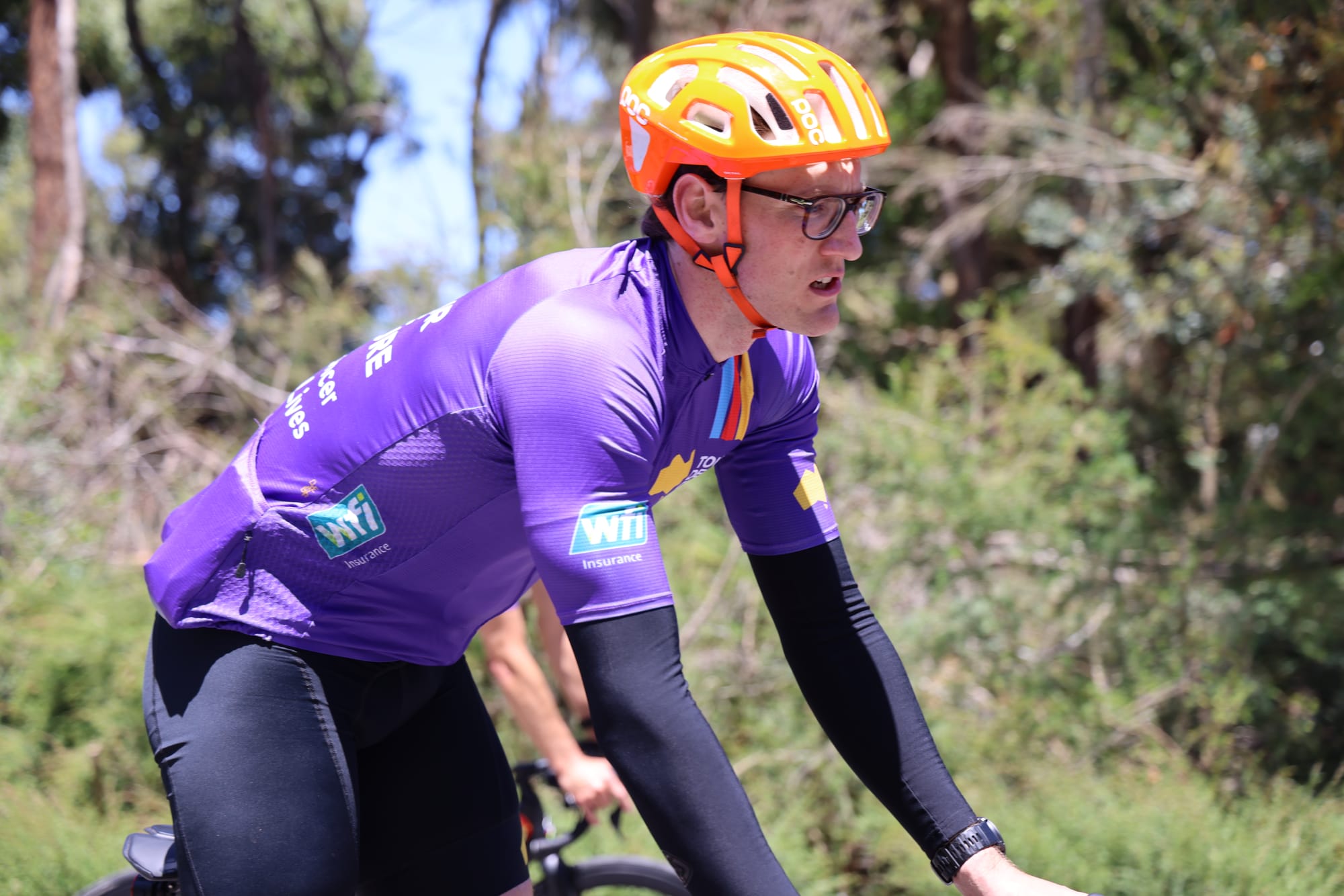
Speaking at Tarwin Lower Primary School during a break in the Inverloch lap of the Tour de Cure, Horton said the loss of local pools was becoming a national problem with many facilities approaching the end of their useful lives.
He said closing pools or consolidating several community facilities into one larger centre could leave families facing lengthy journeys to access swimming lessons, recreation and essential water safety education.
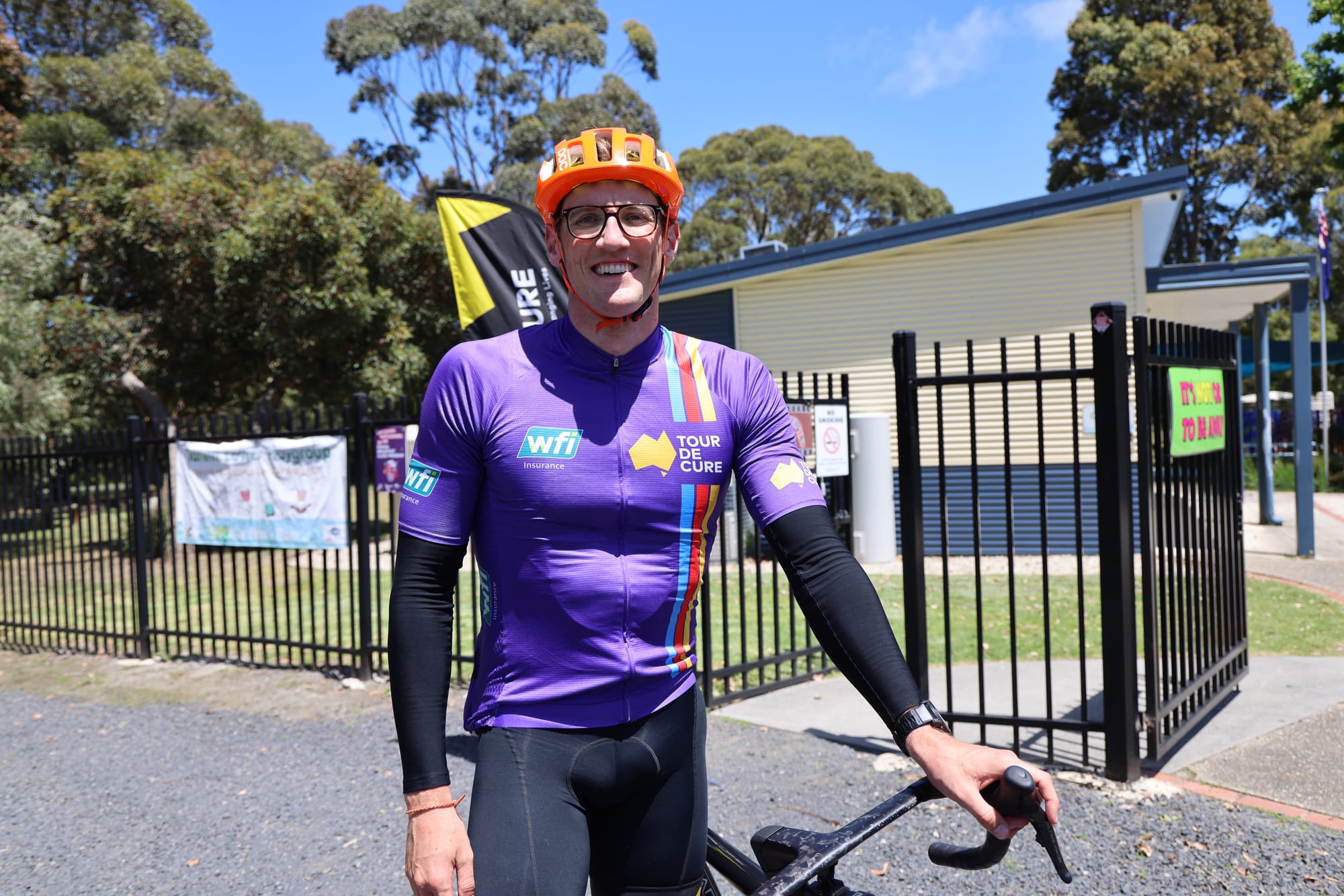
Since the Olympics life has somewhat returned to normal for the champion swimmer.
“It's a little while ago. I won in 2016, so a decade ago, then went to Tokyo in '21 and retired at the start of '24. Since then, I’ve just been sitting at a desk, working a normal job. I've got a son now, ten and a half months old, so that's pretty special.”
Asked about the importance of pools for growing children Horton said the benefits extended well beyond learning to swim. “Super important,” he said.
“This is happening everywhere in Australia. Pools are getting to the end of their useful life and they're either just closing them or they're consolidating multiple community pools into one larger pool, but it's a distance to travel for many families.”
Horton said swimming pools played an important role in improving community health, encouraging active lifestyles and developing water safety skills. The loss of opportunities for young people who might otherwise develop into elite athletes was particularly concerning,” he said.
“And it breaks my heart when I'm sure there's potential Olympians everywhere, but they don't have the access or the opportunity to the same facilities or support that I had.”
The Rio Olympic 400 metre gold medallist said he felt fortunate to have grown up in Melbourne with family support and access to facilities that helped him pursue his swimming ambitions.
Children in smaller communities should have the same opportunity to discover their sporting potential, regardless of where they lived according to Horton.
Asked by the Sentinel Times what message he would give to local councils thinking twice about funding swimming pools, Horton had a straightforward response.
“What's my message? Just fund it,” he said. “I wish it was as simple as just finding the money, but obviously there's lots that needs to be funded as well, so it'll be different for every community.”
Nevertheless, Horton said sporting infrastructure and swimming pools should rank highly when councils considered their spending priorities.
“I think pools, sporting infrastructure, all of those should be pretty high on the list because you want communities and towns that have a sense of community and often it's sport that brings people together.”
Horton’s comments came as South Gippsland and Bass Coast communities continue to debate the future of their ageing aquatic facilities. South Gippsland Shire Council's Aquatics Options Paper has prompted community discussion about the projected $78 million cost of maintaining and renewing six shire pools over 15 years.
Consultation on the options paper is scheduled to continue until December 6, with the future of facilities including Korumburra's 50-metre pool and the future of the Poowong pool among the issues attracting considerable local interest.
In Bass Coast, Wonthaggi's aquatic centre has also been the subject of renewed discussion, including a $15 million election funding pledge announced by the Liberal-National Coalition.
For Horton, however, the importance of maintaining local facilities is about more than competition swimming or producing Olympic champions. He said community pools provided opportunities for children to learn vital skills, develop friendships, participate in sporting squads and enjoy an active lifestyle.
Teacher Renee Pilkington said having an athlete with Horton's achievements visit the school was an important experience for students.
“It showed children they could still have dreams and achieve their goals, while providing an opportunity to ask questions and learn from elite athletes.”
Ms Pilkington said the visit by an Olympic champion was an opportunity to demonstrate to students that sporting achievements and big ambitions were not restricted by living in a small country town.
“I think local community pools are essential for everywhere, especially for our students who are so close to the beach, for water safety,” she said.
“It's a vital skill to have, that they're able to swim to safely if they ever need to.”
For the students who gathered around the Olympic champion the visit provided an opportunity to meet a sporting role model. Horton's message was clear, access to swimming facilities is an investment in children's safety, health, opportunity and the future of local communities.


