

Strzelecki koalas in the path of offshore wind powerlines
Better Transmission Gippsland says overhead lines to carry offshore wind power could cost Strzelecki koalas their habitat and demands an underground comparison


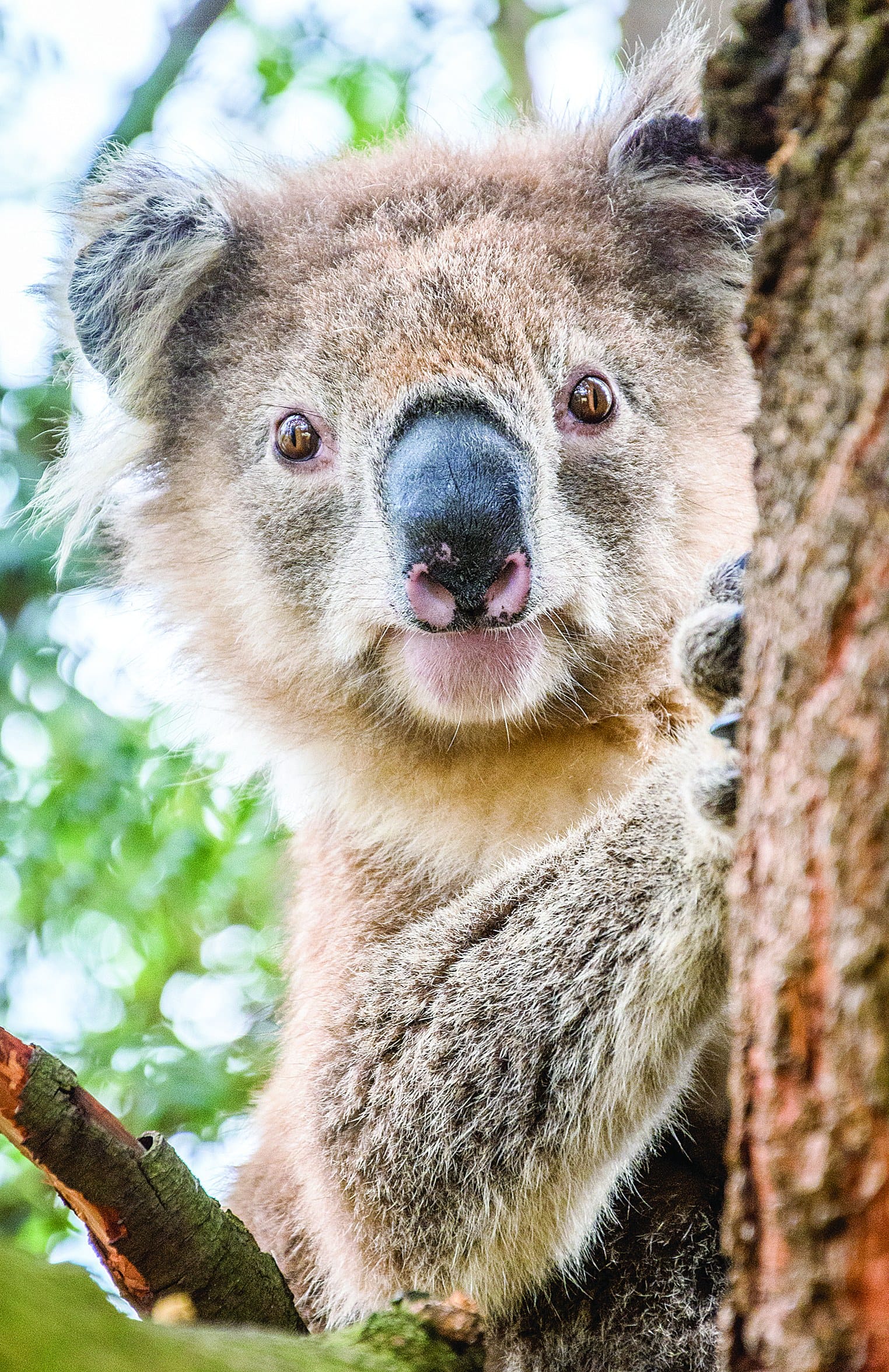
A Gippsland community group warned Strzelecki koalas living around Yarram and Woodside could lose their habitat to the cheaper overhead transmission lines planned to carry offshore wind power to the grid.
Better Transmission Gippsland chair Kirra Bott said the state government must show how much of that damage a properly planned underground system could prevent.
“Our bush and wildlife make this district worth living in,” Ms Bott said.
“They’re not expendable just because the Government wants cheap powerlines.”
Friends of the Earth has reported Strzelecki koala signs within or near the proposed route around Little Monkey Creek and Monkey Creek in Mullungdung State Forest.
It also warns that widening Stradbroke-Gormandale Road for construction traffic could damage a known bio-link for Strzelecki koalas and lace monitors.
A five-year Friends of the Earth study released in February estimated about 489 koalas live in Mullungdung State Forest and about 181 in Won Wron State Forest, which the group said could together hold a quarter of the entire Strzelecki koala population.
The district also supports greater gliders and lace monitors, both listed as endangered under Victoria’s Flora and Fauna Guarantee Act 1988.
“Wildlife doesn’t stop at the forest boundary,” Ms Bott said.
“Roadside vegetation and bush on private land connect this habitat.”
Greater gliders need tree hollows for shelter and breeding, and the state government’s Conservation Regulator warns those hollows can take centuries to form.
“How can the Government lecture locals about protecting habitat, then treat it as expendable when it wants a powerline?” Ms Bott said.
In contrast, Marinus Link plans to drill beneath sensitive vegetation along the 90-kilometre underground cable route it is building from Waratah Bay to Hazelwood, alongside trenched sections.
“Underground transmission offers ways to protect habitat that overhead clearing destroys,” Ms Bott said.
“This needs to be properly considered before putting more wildlife on the chopping block.”
VicGrid, which is planning the network, has ruled out putting the first line from Giffard to Loy Yang underground, with chief executive Alistair Parker saying it would be too expensive.
The planned network goes beyond that first line, with two more links proposed from Driffield to Woodside and from Woodside to Giffard.
“That’s three lines, with wide easements and roads for construction and maintenance,” Ms Bott said.
“Why aren’t we being shown how much habitat could be saved by planning the whole system underground?
“Simply costing the first 2-gigawatt connection doesn’t explain the economics of the full 7.5-gigawatt system that is planned.”
Better Transmission Gippsland is demanding an independently tested comparison of the full overhead plan and a staged underground alternative, including construction impacts and permanent habitat loss.
“Supporting the transition to renewables doesn’t give the Government a blank cheque to carve up Gippsland,” Ms Bott said.
“Using VicGrid’s own figures for the first connection, the extra cost of underground is less than half a cup of coffee per household a month.
“If sacrificing Koalas and Greater Gliders for that is the Government’s idea of good value, heaven help us all.”


