

Ragwort Rampant - Yellow menace invades Loch, Poowong, Nyora
Yellow peril invades Loch, Poowong, Nyora PARTS of Poowong, Loch and Nyora are headed for one their worst ragwort infestations on record this summer season. And they’re not on their own. Other areas in the South Gippsland Shire are similarly...


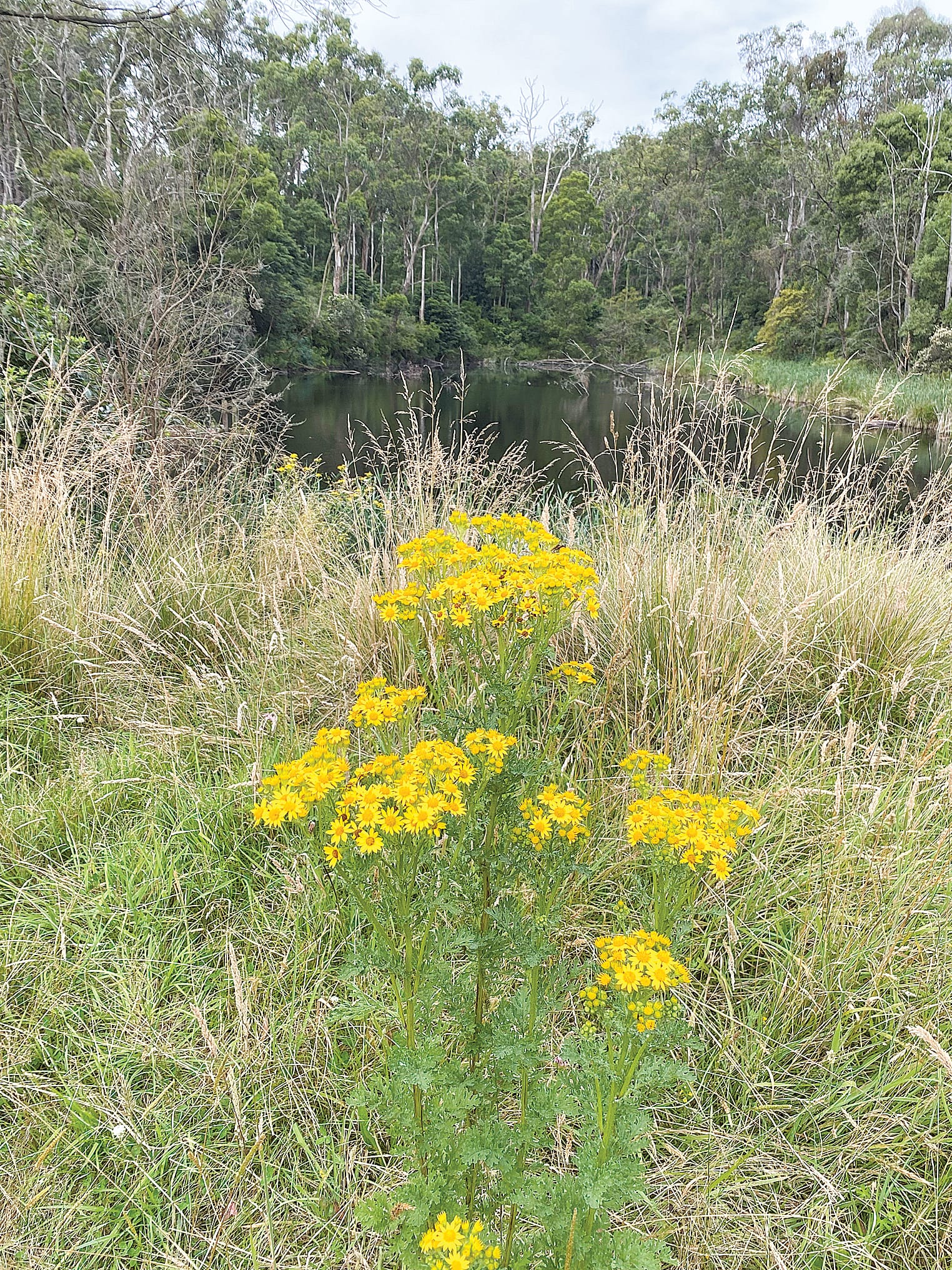
PARTS of Poowong, Loch and Nyora are headed for one their worst ragwort infestations on record this summer season.
And they’re not on their own.
Other areas in the South Gippsland Shire are similarly impacted.
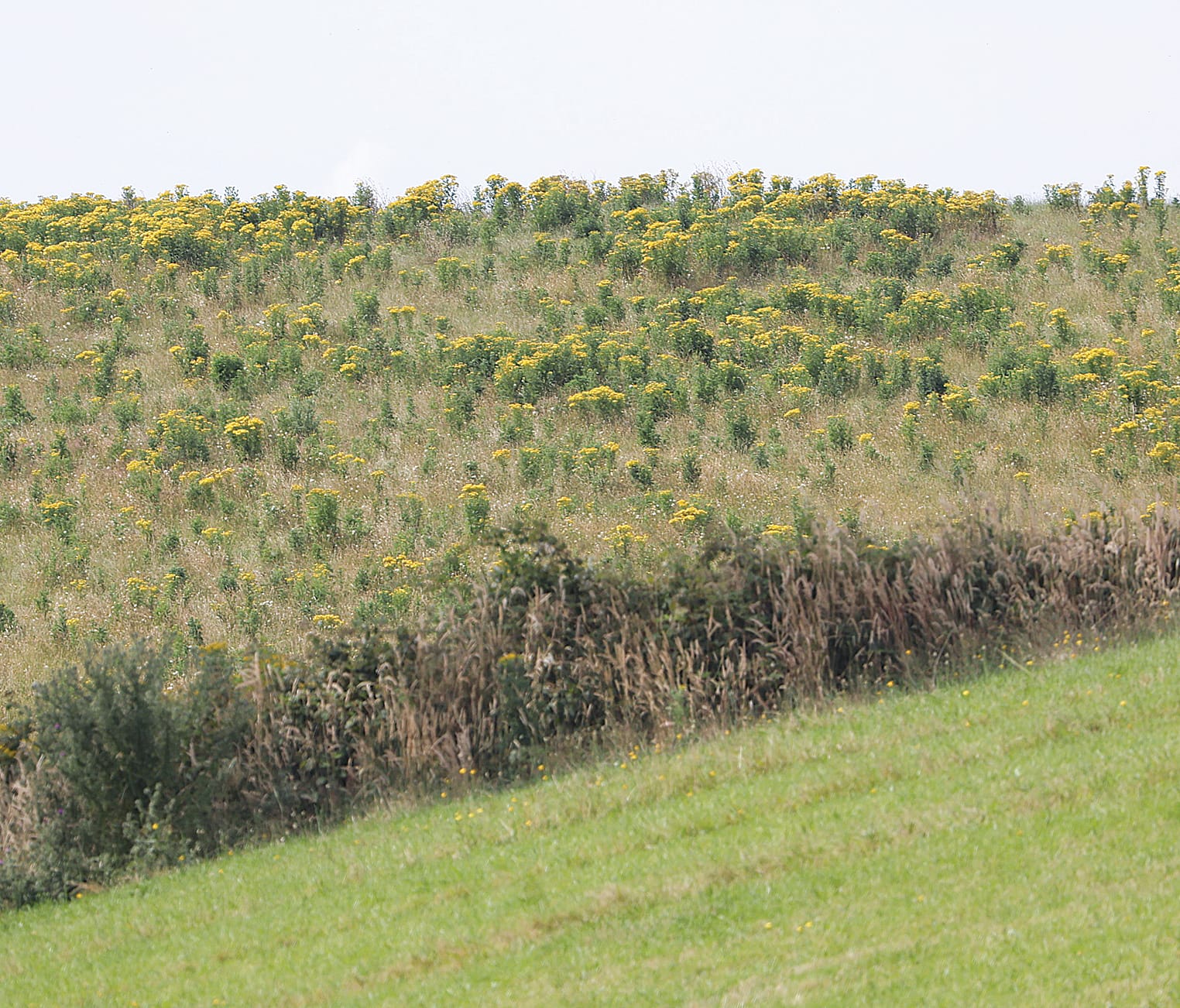
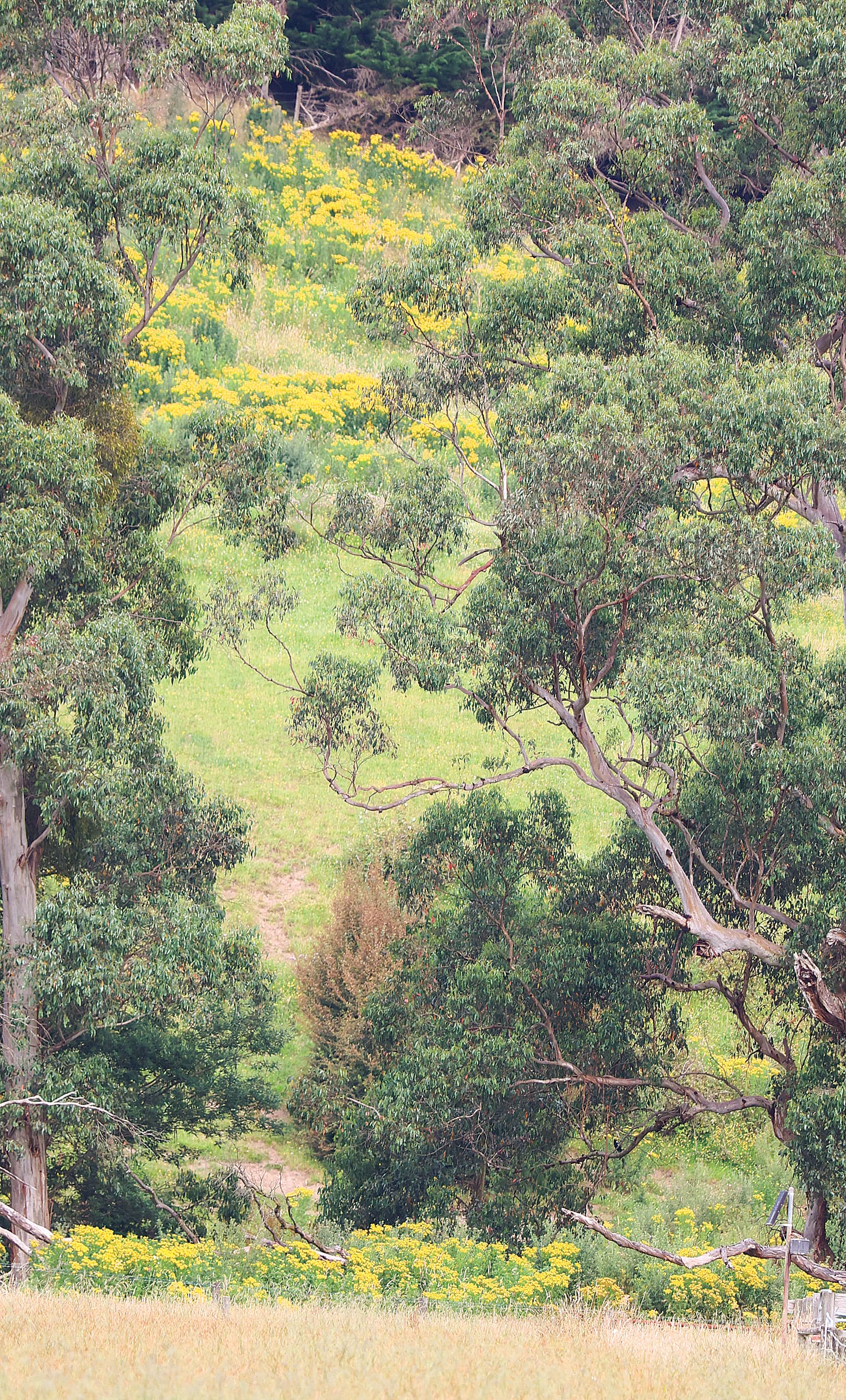
But if a number of particularly shocking sites of ragwort growth in the Poowong, Nyora, Loch area aren’t sprayed out in the next few weeks, a disastrous situation is looming for dozens of the district’s high-value, high-producing grazing and dairy farms.
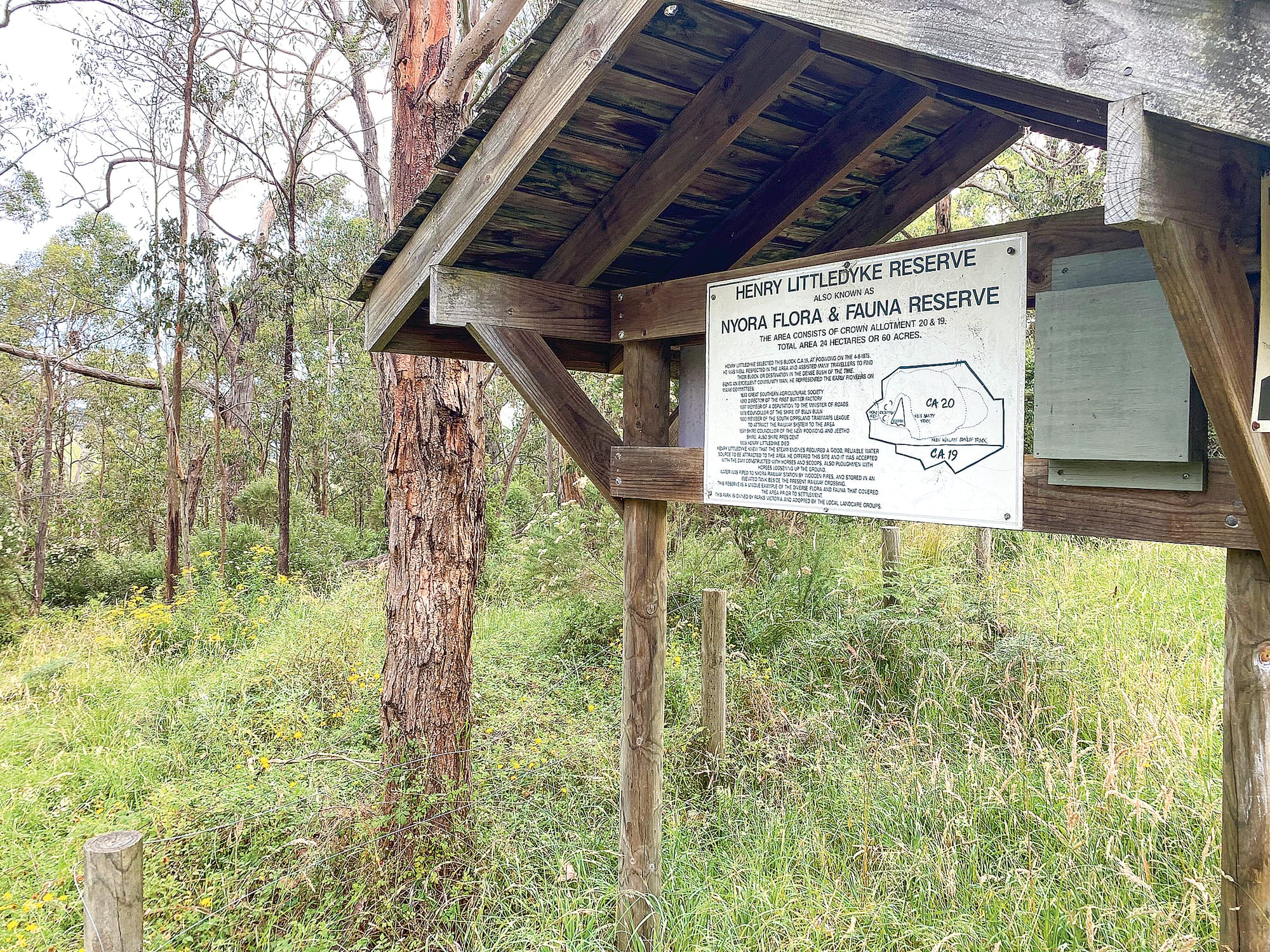
An absentee-owned farm on the south side of Poowong, a dairy farm at Poowong North, another farm to the north of the Loch township, the Henry Littledyke Reserve between Poowong and Nyora managed by Parks Victoria, shire and Vicroads’ managed roadsides…
The sites of ragwort infestation in the area are well known to local farmers, especially the neighbours, but they’ve been reluctant to speak out publicly in a close-knit community.
But last weekend, the Sentinel-Times was taken on an extensive tour of the problem areas, not only looking at farms lousy with the yellow menace but also along roadsides, in the area of the Loch cutting on the South Gippsland Highway, and on the Coal Creek corners, as just some of the examples.
It’s been left to local Landcare groups, and its parent body the South Gippsland Landcare Network, to carry the can on education and activation, but with nowhere near enough funds for the task at hand.
Western Landcare Facilitator for the South Gippsland network, Jane McKenzie-Smith, said the organisation was well aware of the problem and was doing what it could with very limited resources.
“SGLN has identified weeds and pest animals as a key challenge for South Gippsland and has committed to facilitate weed and pest animal control as part of its 2020-2030 Strategic Plan,” Ms McKenzie-Smith said this week.
“Ragwort is a priority weed throughout Gippsland and requires Regional Control. In late 2023, SGLN was successful in securing $17,500 to deliver it’s ‘All About Ragwort’ project via funding from
Agriculture Victoria’s ‘Partnership Against Pests’ program. This project aims to engage with landholders and the wider community to build their capacity and understanding of how to manage ragwort and other similar weeds.
“It will provide opportunities for landholders to connect with weed experts; gain insights and understanding into the latest weed management technology and provide support materials to promote and assist landholders in weed management activities.
“It will also provide opportunities for SGLN to gain further understanding of how SGLN and the AgVIC can better support landholders and the community to manage ragwort in the region.”
Ms McKenzie-Smith said SGLN was aware of an ever-widening gap between farmers and lifestyle landowners in the region, often with a mismatch of understanding of weed control obligations and techniques. Providing an opportunity for both groups to meet, network, learn and develop strategies for weed management in the region together will be achieved through this project, she said.
As part of this project SGLN has already delivered a weed management seminar (with renowned soil scientist, Declan McDonald Hallston November 25 attended by 40 people).
“The second seminar will be held in early 2024 and anyone interested in attending the seminar is encouraged to subscribe to SGLN’s e-news for updates. In addition to the two seminars SGLN will use the funding to collate, prepare and update existing ragwort control resources on the SGLN website,” said Ms McKenzie-Smith.
“But the big problem for us is a lack of funding to deal with what is a real and ongoing problem.”
President of the Loch-Nyora Landcare Group Malcolm Brown concurs. He believes the state government has dropped the ball on weeds education and management.
“You can’t control weeds from behind a computer scene,” Mr Brown said.
“You’ve got to get out and call a meeting at the local hall and get some contractors in to deal with it. It’s not that hard.
“When I was younger, the government agencies used to get out and talk to people. They had extension officers who used to come out and talk about what needed doing.
“We had a mulch spreading day at Hilda Falls last weekend and everyone was talking about it, but there’s not much we can do beyond managing our own problems.”
South Gippsland Shire Councillor Scott Rae has first-hand experience with areas of shocking infestation in the Foster North hills.
“We’ve got it on both sides of us up here which makes it pretty hard,” said Cr Rae.
“One of the problems this year has been the constant rain. We haven’t been able to get machinery into the paddocks or find a good day to spray.”
He noted, however, that a change to the shire’s controversial General Local Law 2024 (under Section 33 Unsightly and Dangerous Properties) would put more pressure on landowners to deal with their weeds.
But he acknowledged while local councils and government departments, including Vicroads and Parks Victoria weren’t managing their own responsibilities it was hard to prosecute private landowners.
“I’d like to see more of those small, hard-to-manage pieces of public land, including unused road reserves, offered to adjoining landowners to incorporate into their properties for better management.”
According to Agriculture Victoria “a large ragwort plant can produce 250,000 seeds, a high proportion of which are viable”.
While most of the seeds will be deposited between five metres and 40 metres from the host plant, it is believed they can be blown much greater distances, spreading to neighbouring farms.
If left untreated, they quickly proliferate and become difficult to eradicate, requiring a long-term management program of 10 or more years.
It’s a curse visited on otherwise clean neighbouring properties that can cost a good land manger 10s of $1000s a year to treat, for a decade or more.


