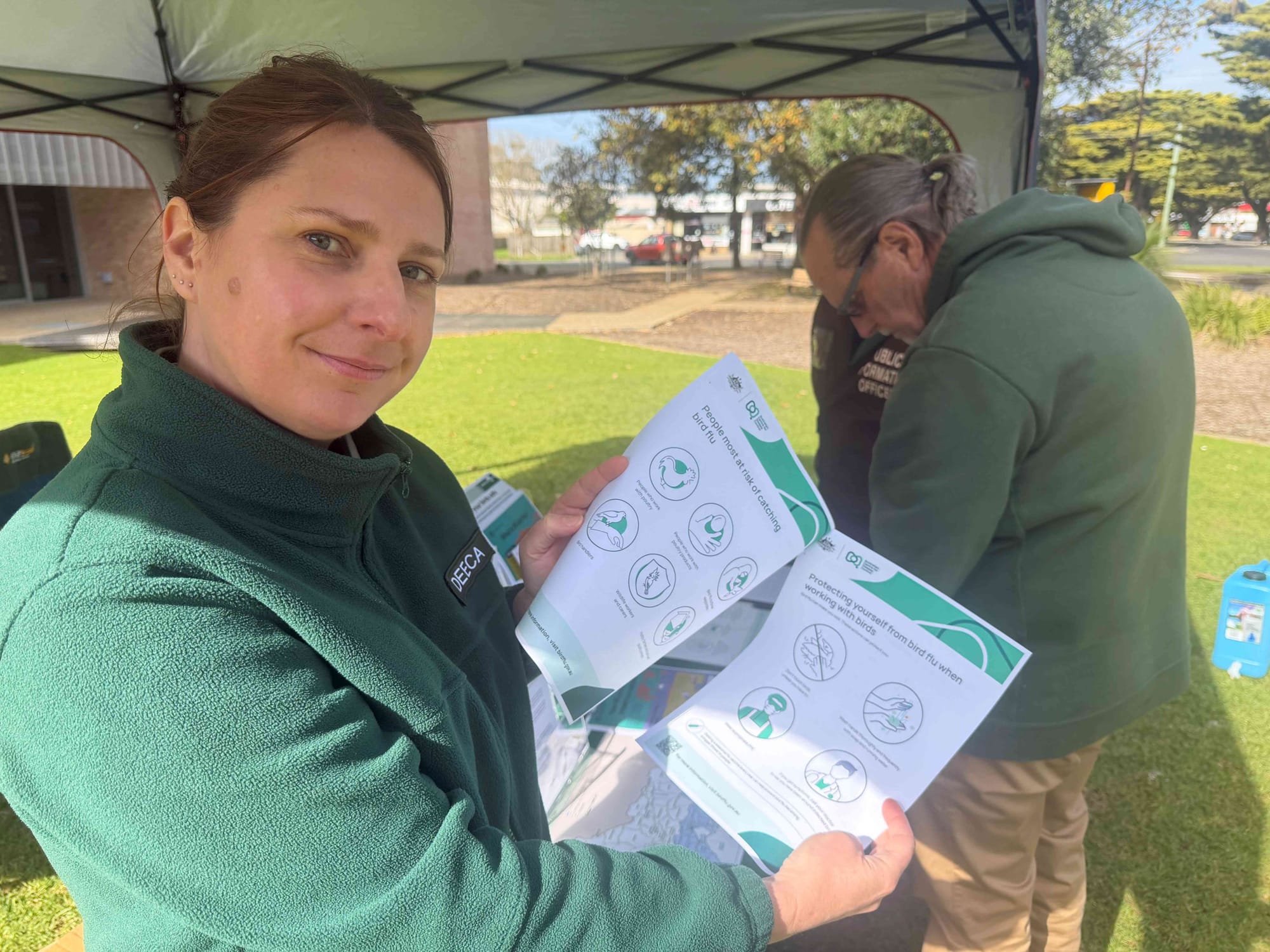
Save your Phillip Island bird flu questions for next Friday, they say
The most important takeaway from a H5N1 Bird Flu community drop-in session in Cowes on Friday was the fact that all authorities will combine at an information meeting next Friday, August 21 at 4pm at Berninneit in Cowes.


THE most important takeaway from a H5N1 Bird Flu community drop-in session in Cowes on Friday was the fact that all authorities will combine at an information meeting next Friday, August 21 at 4pm at Berninneit in Cowes.
The meeting, which will involve representatives from the Department Energy Environment and Climate Change (DEECA), Phillip Island Nature Parks (PINP), the Bass Coast Shire Council and emergency management teams, will be an opportunity to have all your questions answered.
For example:
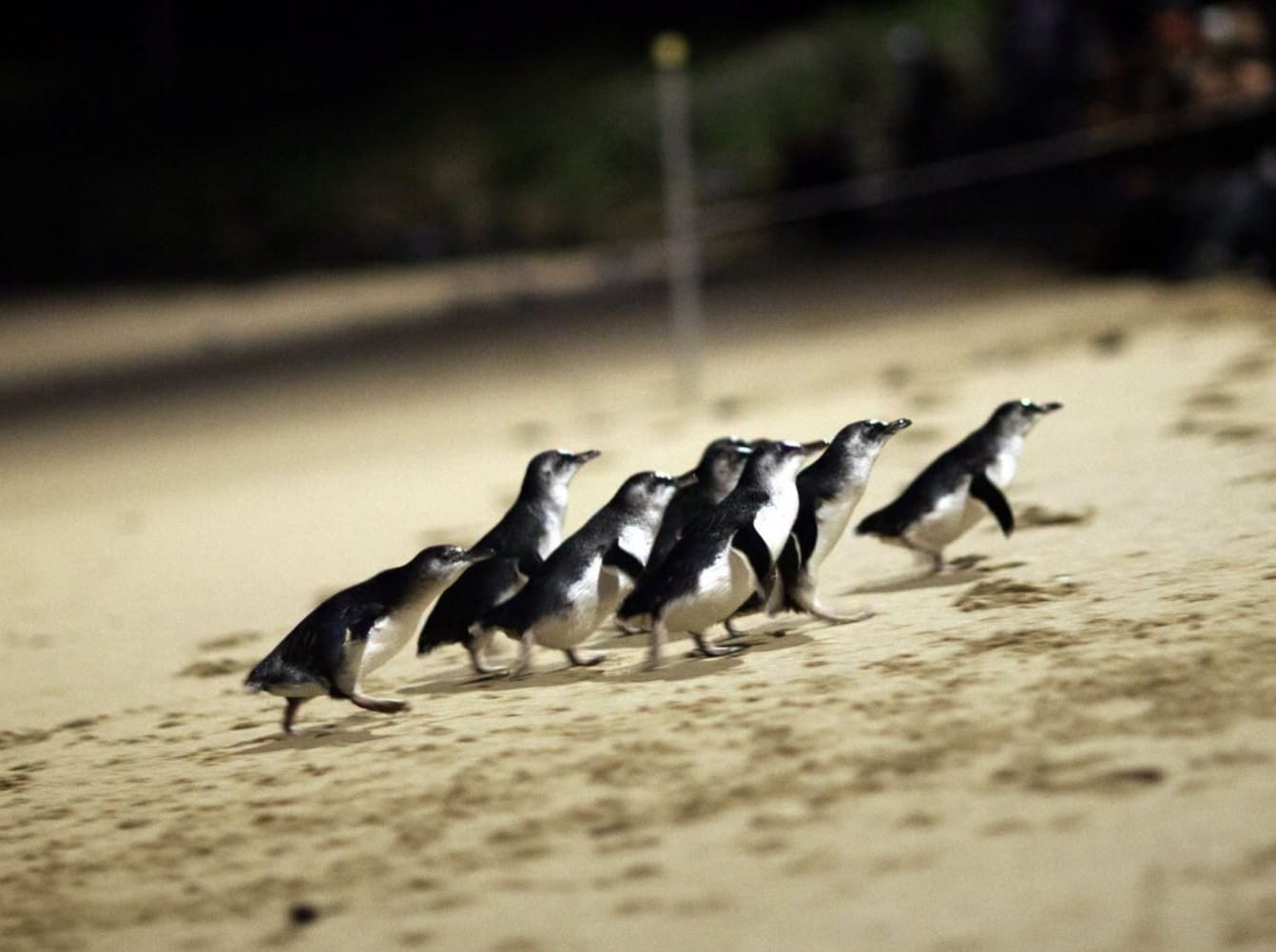
- How many of Phillip Island’s 40,000 penguins will be vaccinated?
- Do authorities plan to vaccinate more than the 5000 penguins proposed (at St Kilda and Phillip Island)?
- How many penguins will 1500 vials of the vaccine available cover?
- Will the penguin parade ultimately need to be closed? Will additional biosecurity measures be introduced at the penguin reserve?
- In what locations has bird flu already been detected on Phillip Island and in the broader Bass Coast and South Gippsland areas?
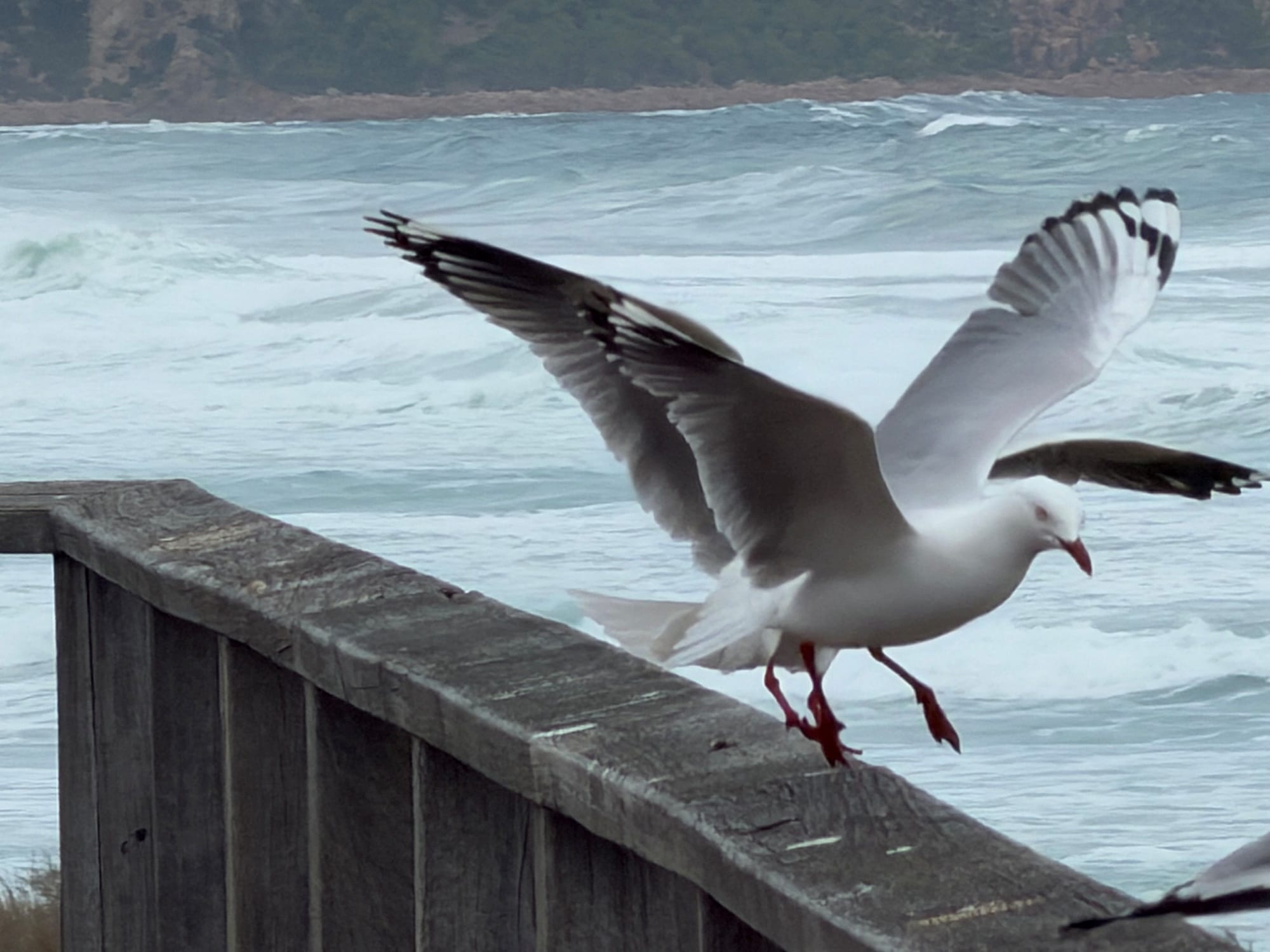
- What happens when 1 million Short-tailed Shearwaters start turning up in September?
The DEECA staff who turned up for the drop-in session on the lawns outside Berninneit on Friday, August 14 weren’t able to answer any of those questions.
“I’m not a scientist,” said one.
“You’ll have to ask Nature Parks,” said another.
“We’re mainly here to hand out available information, raise awareness and also to promote the meeting next Friday (August 21).
“You’ll be able to get all your answers there.”
The duo from DEECA did however remind the community about what to do in the event they came across dead or sick seabirds and other native animals- avoid, record, report.
What to do
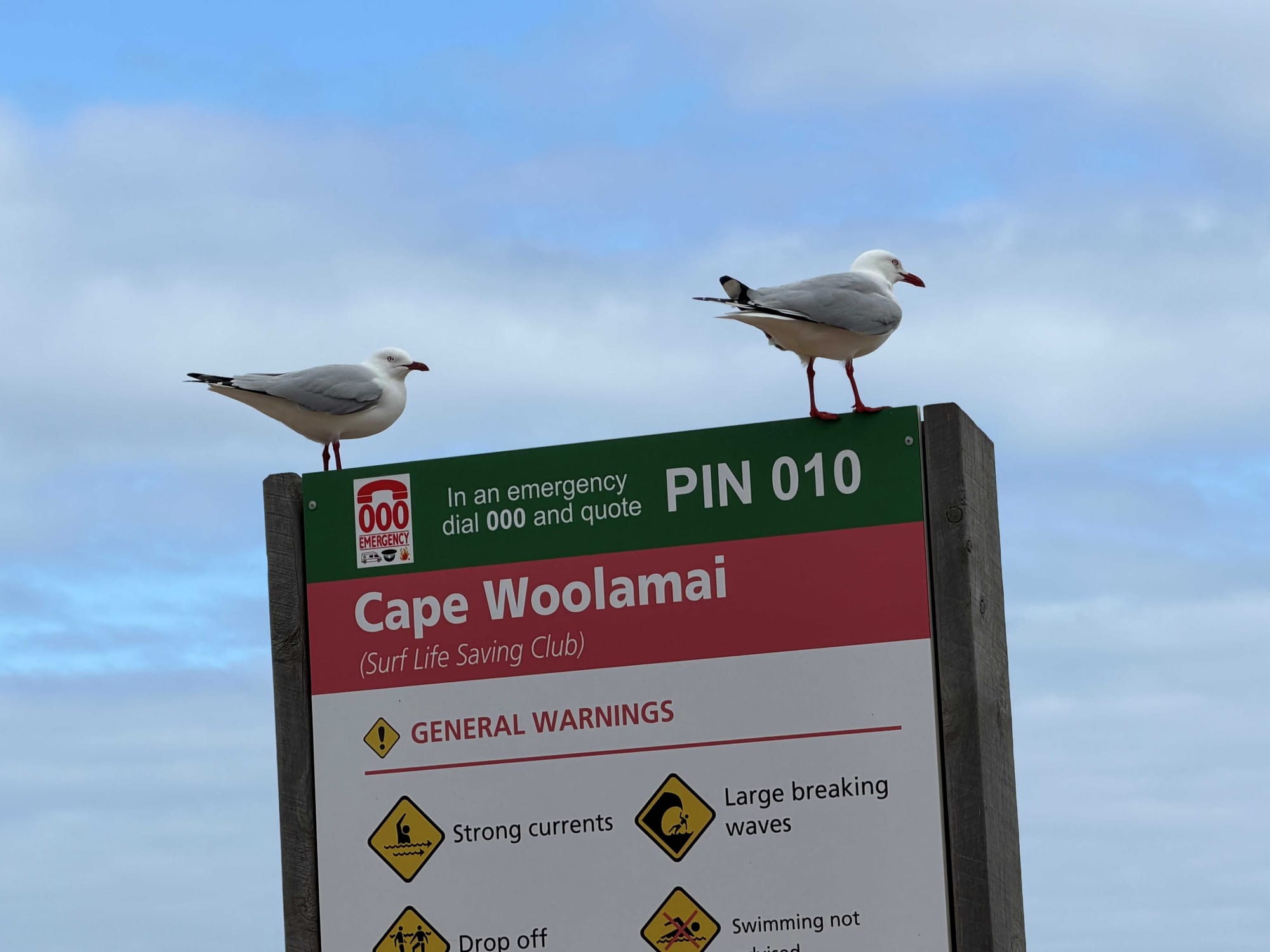
If visitors, staff or community members find sick or dead wild birds or wildlife, they should:
- AVOID contact with sick or dead wild birds, wildlife and their environment. Do not touch, move or collect sick or dead animals.
- RECORD what they see from a safe distance, including the number of animals, species if known, location, date and time. Photos or video can be helpful if it is safe to take them.
- REPORT wildlife sickness or deaths to DEECA or call the Emergency Animal Disease Hotline on 1800 675 888.
Please report
Clusters of five or more sick or dead wild birds of any species, anywhere in Victoria; or
Even one sick or dead seabird, waterbird, shorebird, bird of prey, seal, sea lion or dolphin.
Agricultural update
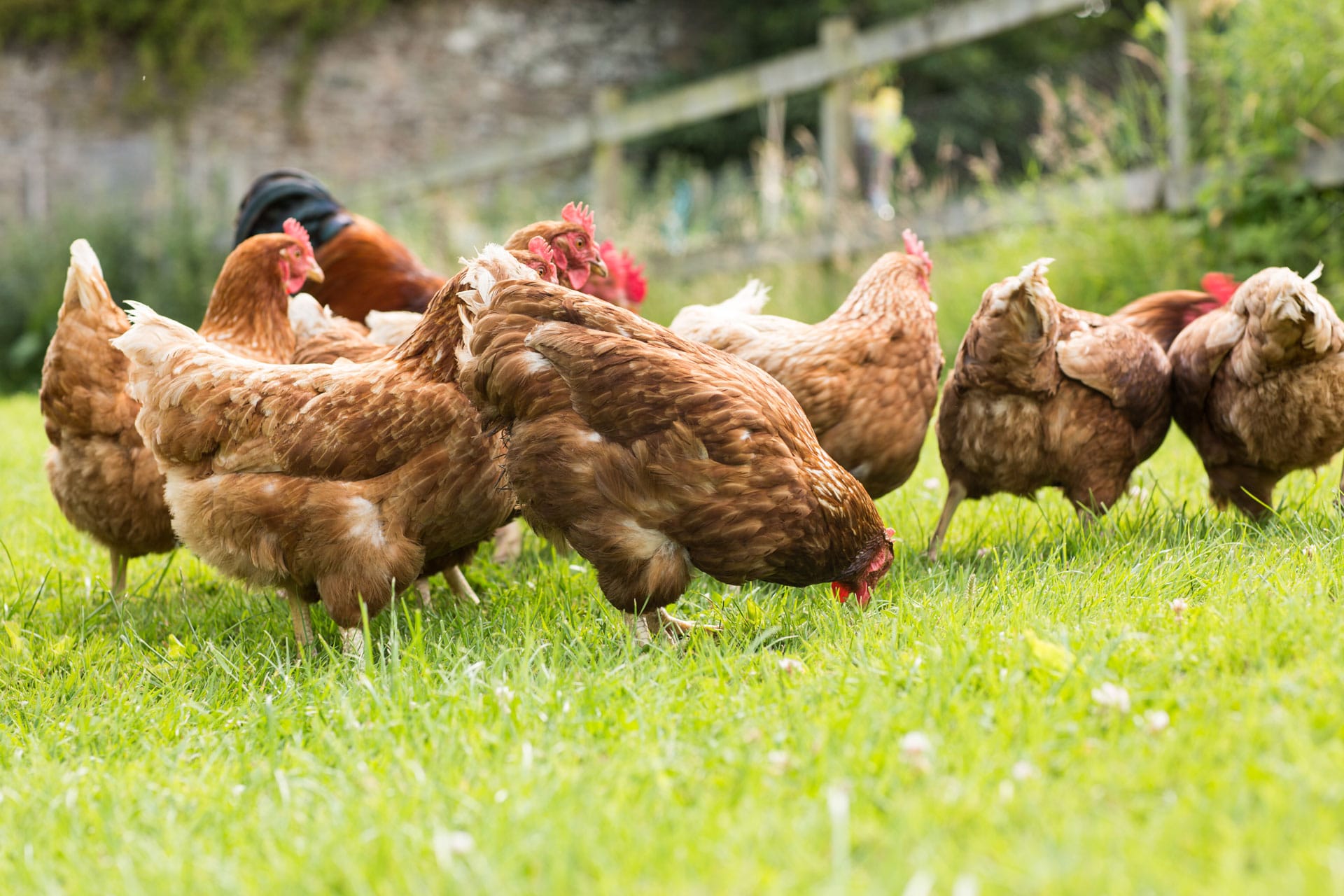
Following recent H5 bird flu detections in wild birds, precautionary bird housing requirements are in place for flocks of 50 or more birds in metropolitan Melbourne, coastal and some adjacent areas of Victoria.
There have been no detections in commercial poultry or agricultural farming systems so far. Strong biosecurity remains the best defence. Poultry owners should minimise contact between their birds and wild birds and remain alert for signs of disease.
Operators with poultry or captive birds should refer to official advice from Agriculture Victoria.
Staying informed
The situation is being actively monitored, and advice may change as further information becomes available.
Destination Phillip Island will continue working closely with Phillip Island Nature Parks, Bass Coast Shire Council, the Victorian Government and tourism operators to communicate any developments that may affect visitors or tourism operations.
Our key message to industry is:
The risk is being actively managed, attractions remain open, and the tourism sector is being kept informed and supported.
For the latest information, including confirmed wildlife cases and locations where H5 bird flu has been detected in Victoria, refer to official advice from Agriculture Victoria and DEECA.
Phillip Island update
The DEECA update on the spread of H5N1 bird flu for Phillip Island is as follows
“High pathogenicity avian influenza H5N1, commonly known as H5 bird flu, has been confirmed in wild birds in Victoria and has now been detected in crested terns at Seal Rocks, Phillip Island.
“We understand there is significant community and media interest in what this may mean for Phillip Island, our important wildlife populations and local tourism businesses.
“Phillip Island Nature Parks is well prepared and continues to monitor and respond to the situation, working closely with relevant government agencies, land managers, marine managers, wildlife health experts and research partners.
Targeted little penguin vaccination program
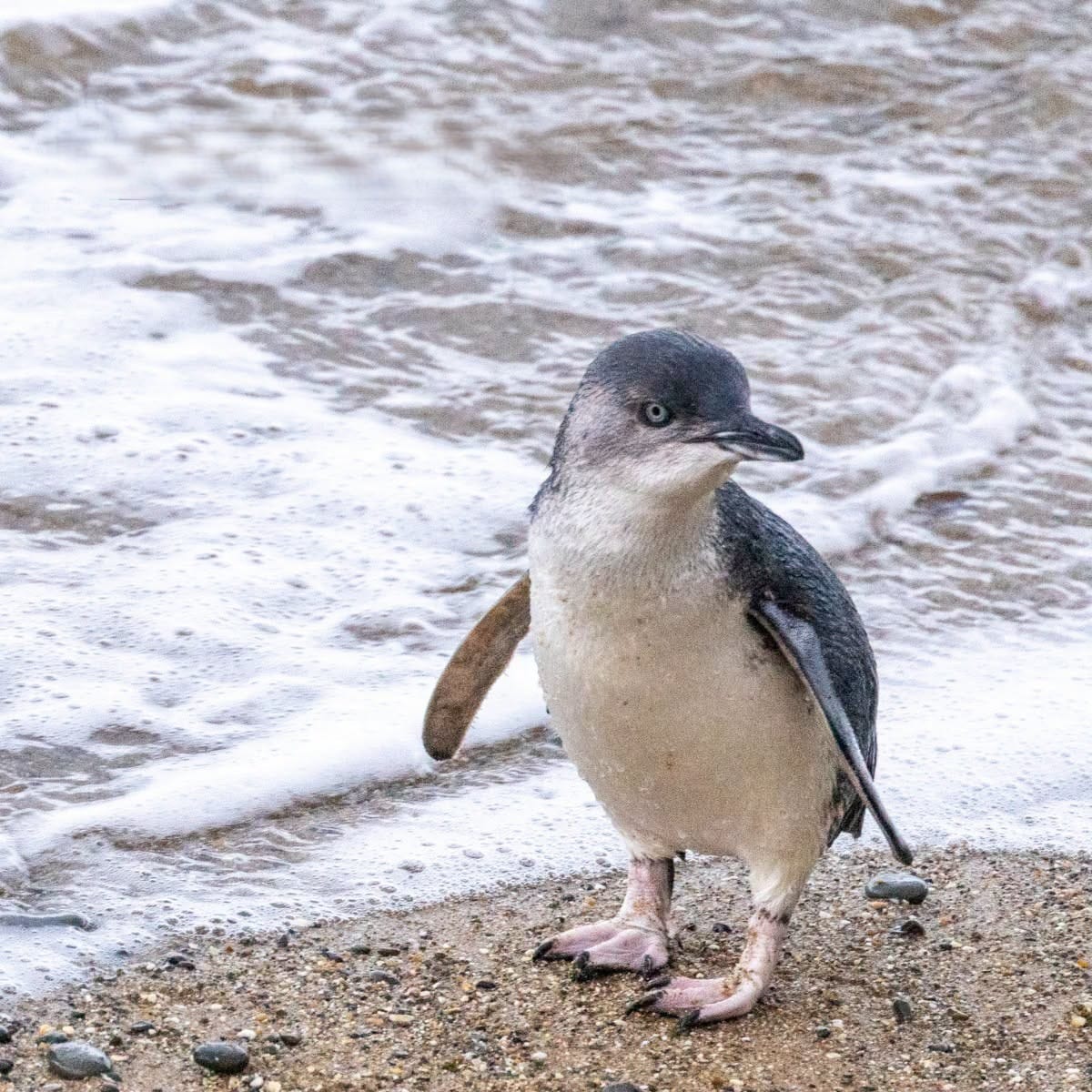
“The Victorian Government has announced a targeted emergency vaccination program for little penguins at Phillip Island and St Kilda. More than 5000 little penguins are expected to be vaccinated and microchipped as part of the program.
“There have been no confirmed detections of H5 bird flu in little penguins in Victoria or elsewhere in Australia.
“For tourism operators, the targeted vaccination program should help maintain and support confidence in Phillip Island’s tourism sector. It is a positive example of early intervention and shows that Phillip Island is not simply waiting to see what happens. The region is taking practical, expert-led action to protect vulnerable wildlife, safeguard the visitor experience and support the long-term strength of the tourism economy.
“While vaccination is not a complete solution on its own, it forms part of a broader coordinated response involving surveillance, monitoring, biosecurity and clear public advice. This should give operators confidence that the risk is being actively managed, attractions remain open, and the industry is being kept informed and supported.
“Destination Phillip Island is in regular communication with Phillip Island Nature Parks, Bass Coast Shire Council and the Victorian Government to monitor developments and coordinate actions required to manage potential impacts on visitors and the tourism industry.
“We have activated the relevant actions under our tourism response plan and will continue to provide timely updates, practical visitor messaging and support for operators as required.
Visitor and community advice
Federal health authorities maintain that the risk to human health remains low. Infection in people is rare and is generally associated with close contact with infected animals, their bodily fluids, droppings or heavily contaminated environments.
Phillip Island open for business
Phillip Island Nature Parks attractions remain open. Beaches and reserves also remain accessible unless otherwise advised.
Visitors and community members may notice:
- Additional biosecurity measures;
- Increased wildlife monitoring activities;
- Enhanced signage and visitor information; and
- Conservation staff undertaking vaccination and monitoring activities.
These measures are designed to protect wildlife while minimising impacts on visitor and community experiences.
What operators should tell visitors
Please ensure frontline staff are aware of the key visitor message:
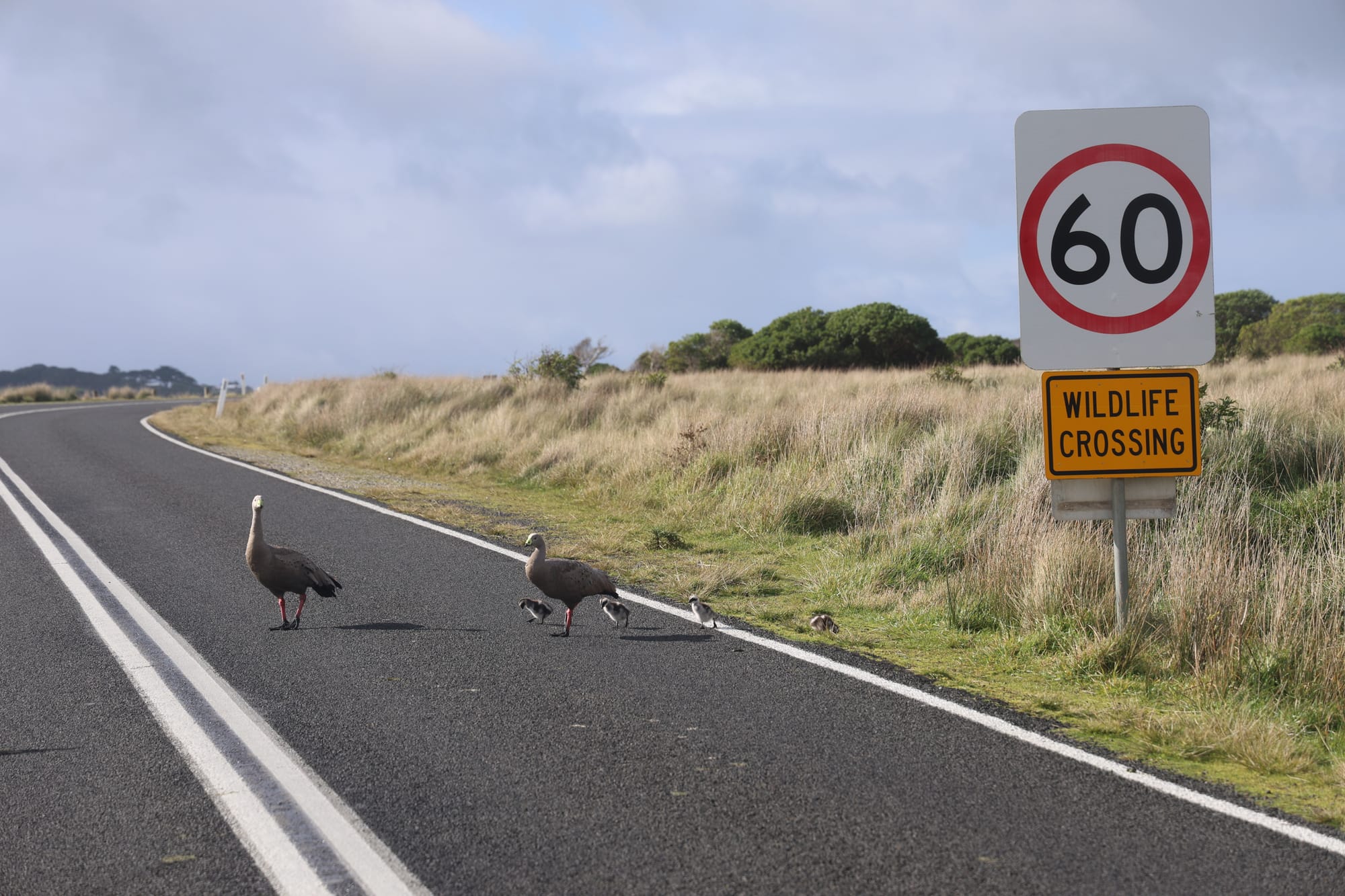
Phillip Island remains open, the public-health risk remains low, and visitors should not touch sick or dead wildlife.