

Western Port Woodlands group fights on despite setbacks
The Planning Panel Victoria’s decision on the removal of native vegetation along Stanley Road and McGrady Road, Grantville is in and it's not good news.


THE Planning Panel Victoria’s decision on the removal of native vegetation along Stanley Road and McGrady Road, Grantville is in.
And the decision of the planning panel, published on Tuesday, September 29, following a five-day hearing in May this year, is that they see no problem.
“The removal of vegetation along McGrady Road will not have an impact on the landscape significance of the area and is consistent with the requirements of SLO1 (Significant Landscape Overlay, Schedule 1 of the Bass Coast Planning Scheme),” they said.
The Council had submitted to the panel that the proposal was consistent with the objectives of SLO1.
“The Committee recommends the Minister for Planning issue a planning permit (application 220321) for removal of 0.768 of native vegetation, including four large trees, located at Stanley Road and McGrady Road reserve, Grantville, subject to the Committee’s recommended permit conditions (attached).”
The Planning Minister Sonya Kilkenny has since approved a permit for Heidelberg Australia to remove vegetation in Stanley Road, Grantville, and widen the road to service a new quarry at the end of the road.
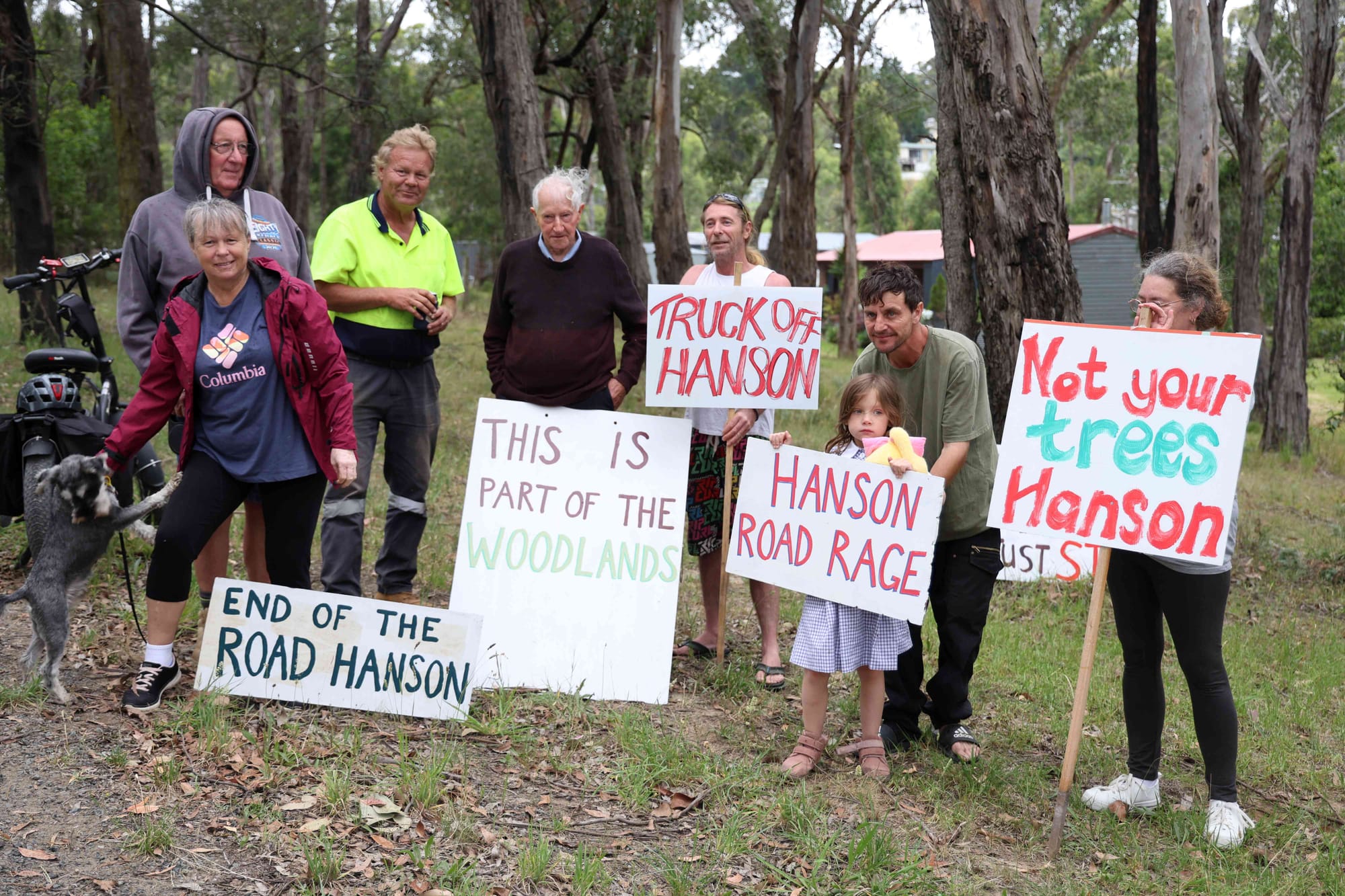
The roadworks are in an area affected by the SLO1, however while it states a permit is required to remove, destroy or lop any vegetation specified in a schedule to the SLO, exceptions apply including where the removal of the vegetation is associated with extractive industry that has an existing permit or works approval.
A spokesperson for the Western Port Woodlands group, Catherine Watson, said the decision was not unexpected but would nonetheless be extremely disappointing for the residents of the adjoining Adams Estate.
“Our hope now is that the clearing works don’t need to go ahead as Heidelberg Australia own a pit at Lang Lang and are well advanced developing a new quarry in the same area within designated Strategic Extractive Resource Areas (SERAs) so they may not need this one anymore,” Ms Watson said.
She said she understood the cost of upgrading the road at Grantville would be in the order of $3-$4 million.
“The Lang Lang sites are closer to the metro Melbourne area and they have every reason to give up on Stanley Road.
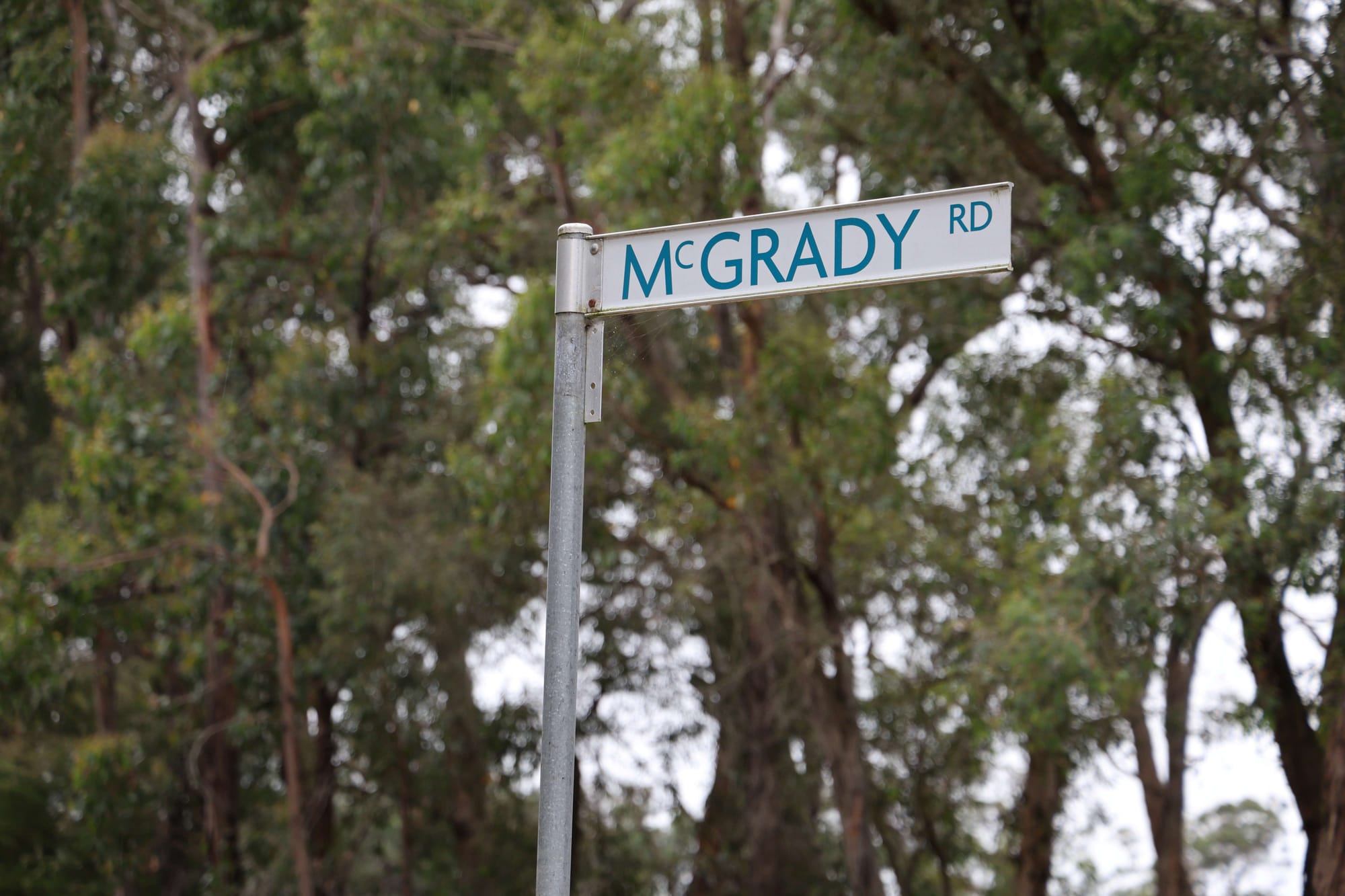
Ms Watson said it had not been a good couple of weeks for the Western Port Woodlands group, not only with the Stanley Road decision but also with the gazetting by the State Government of new support within each municipality’s planning scheme for extractive industries.
“Effectively, local shires are being asked to champion the cause of extractive industries in their areas.”
The good news is that the former Holden Proving Ground land had been excluded raising hopes its important biodiversity areas might be preserved, but Ms Watson said it made it doubly important for the government to press ahead with an interim ISO to preserve key areas of the woodlands until more permanent protection could be put in place.
“Despite years of promises by the Labor Government, the nationally significant Western Port Woodlands remain vulnerable to sand quarrying,” said Ms Watson.
“For seven years, our community has done what government asked of us to protect the Western Port Woodlands.
“Now we call on the Labor Government to finish the job it started when then Premier Daniel Andrews announced before the 2018 election that Bass Coast would be declared a Distinctive Area and Landscape (DAL).
“Mr Andrews promised the resulting Statement of Planning Policy for Bass Coast would protect “the environment, landscape and local lifestyle”.
“Government ministers and MPs told us that if we wanted to protect the last significant forest in our region, we needed to look to the DAL process.
“We believed the promise and we trusted the process. More than 500 people made submissions about the woodlands to the DAL hearing in 2023, making it the single biggest issue raised.
“Three years on, it is time for Labor to finish the job before the 2026 election and protect the last functional forest in our region.”
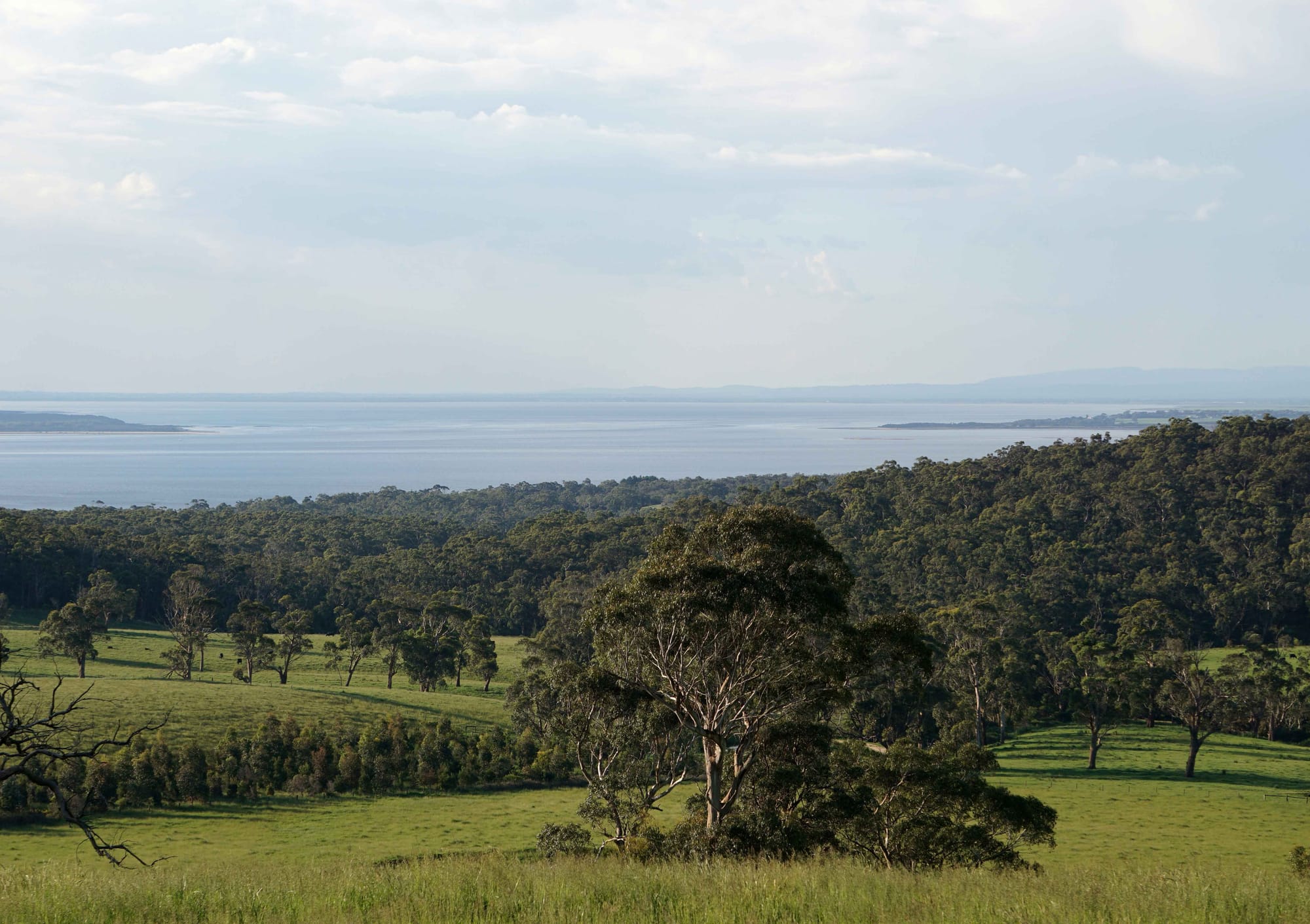
Protection is within reach
An interim Environmental Significance Overlay (ESO) would protect the woodlands while permanent protection is developed.
The council and community have already done the work to enable that to happen. It is a practical, immediate step available to the Planning Minister.
During the DAL hearings, a panel of ecologists, including the Minister’s own expert witness, concluded that the Western Port Woodlands are of national significance and provide irreplaceable habitat for many common and threatened species.
The ecologists recommended an ESO across the entire woodland corridor – public and private land.
The final Bass Coast Statement of Planning Policy recognised the woodlands as an area of “outstanding environmental significance” and acknowledged long-standing community concerns about the impacts of sand quarrying on biodiversity.
It called for further work to map the woodlands, assess their values and evaluate existing protections.
Bass Coast Shire Council has committed $500,000 and is undertaking that work in preparation for an ESO.
The aim is not simply to preserve what remains but to rebuild habitat links between the major reserves, allowing threatened species to move through the landscape.
Ms Watson said the Save Western Port Woodlands group was making a final pitch to government.
“Despite years of promises by the Labor Government, the nationally significant Western Port Woodlands are as vulnerable as ever to sand quarrying,” said Ms Watson.
“We were told the Distinctive Area and Landscape process would resolve this land-use conflict between protection of areas of high biodiversity and sand quarrying. We have been let down.
“The community has done its part, and the council is doing its part. The Government needs to finish the job before the election.”
Ed Thexton, representing the South Gippsland Conservation Society, supported the call.
“We struggle to retain or rebuild our natural heritage by reproducing pale facsimiles at great effort and expense. The utter irony is that here intact is a place with the lot,” said Mr Thexton.
“The Woodlands retain not just the flora but the fauna – the goannas, the bandicoots, the antechinuses.
“Come on, Victoria. If at this time in this place we cannot adjust our priorities to retain these woodlands then nothing we do in conservation has any real meaning.”
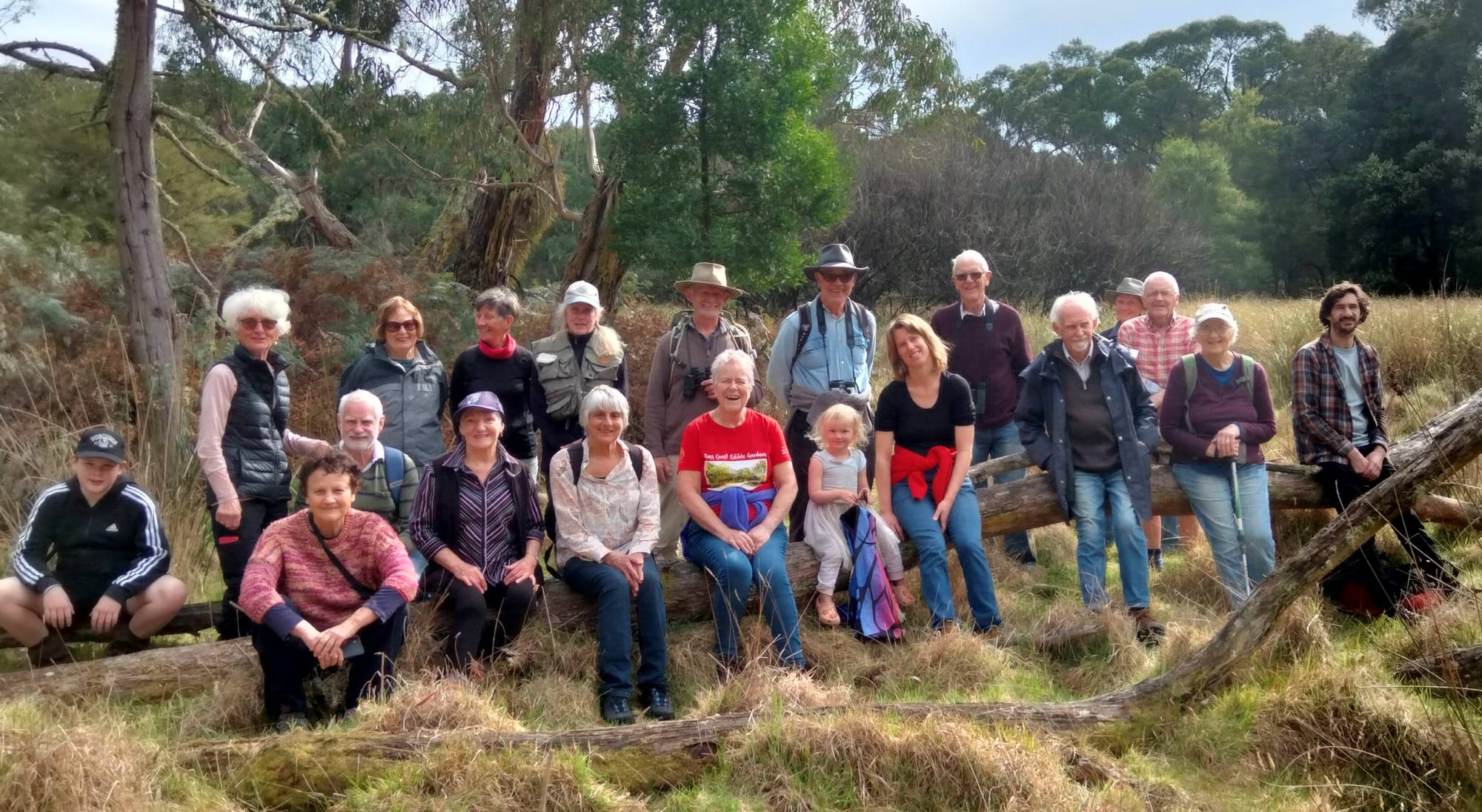
There’s no shortage of sand
Coastal woodlands are rare and diminishing but there is no shortage of sand.
New Strategic Extractive Resource Areas near Lang Lang and Trafalgar have directed future sand quarrying towards cleared farmland, closer to the Melbourne market.
Yet recent Resources Victoria mapping retains an Extractive Industry Interest Area (EIIA) overlay over virtually all the woodland on private land between the Hurdy Gurdy Creek and Grantville Nature Conservation Reserves.
Despite years of promises by the Labor Government, the nationally significant Western Port Woodlands are as vulnerable as ever to sand quarrying.
We were told the DAL process would resolve this land-use conflict between protection of areas of high biodiversity and sand quarrying.
We have been let down.
We call on the Labor Government to honour the intent of its own Statement of Planning Policy for Bass Coast and remove the EIIA from the Western Port Woodlands.
The community has done its part and the council is doing its part. The Government needs to finish the job before the election.


