

24/7 sand renourishment works for Inverloch
Sand renourishment works for the Inverloch surf beach will operate 24/7 from May 21 for a period of two weeks to accelerate progress on the $5.3 million project.


SAND renourishment works on the Inverloch surf beach will operate through the night 24/7 for two weeks from May 21 as the $5.3 million project enters a critical new phase.
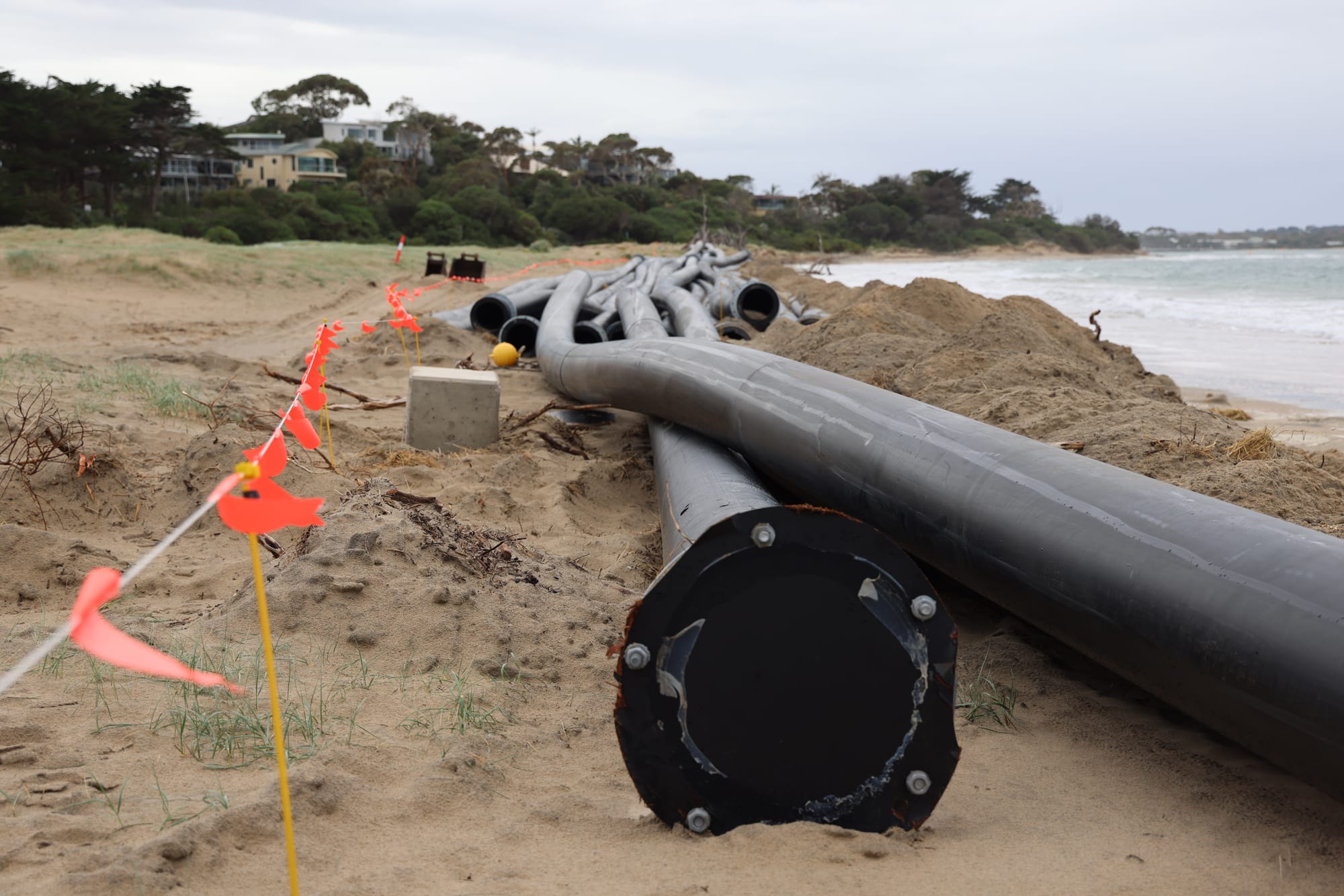
The Department of Energy, Environment and Climate Action (DEECA) and Hall Contracting have advised the renourishment project will transition to round-the-clock operations for a short period to accelerate the delivery of vital protection measures.
Preparatory works are well underway on-site with beachgoers already aware of the increased activity as teams finalise the setup required for dredging in the Inlet.
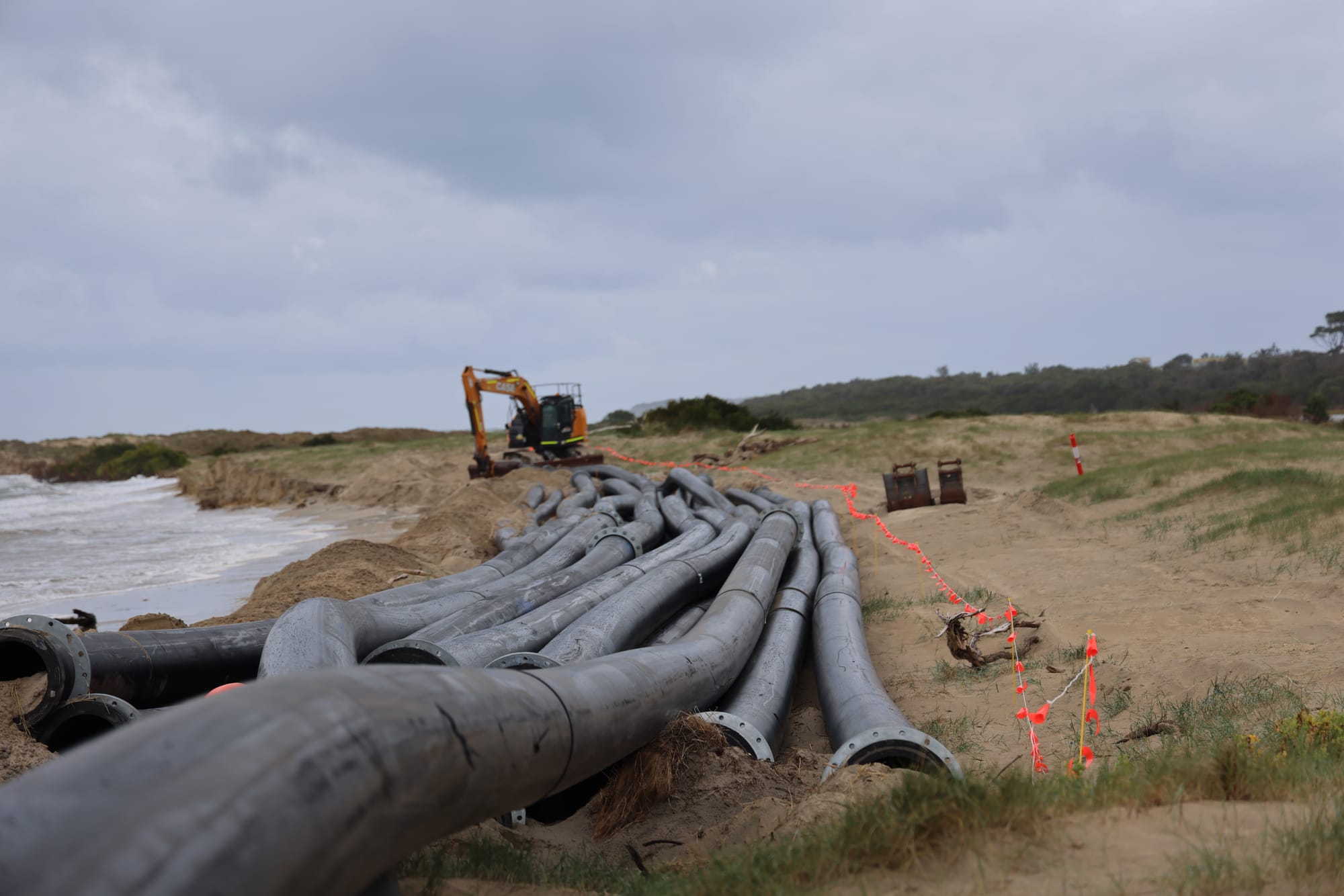
The nourishment process involves relocating sand to areas of the beach most impacted by erosion, providing a buffer against the tides and storm surges that have taken a heavy toll on sand dunes along the Inverloch surf beach.
To ensure the safety of the public and the efficiency of the project, flagged sections of the beach will be temporarily closed as the works progress along the shore. However, project managers have clarified that the entire beach will not be off-limits.
Areas outside the immediate, flagged nourishment zones will remain open and safe for public use, allowing locals to still enjoy portions of the surf beach during the construction window.
The shift to 24/7 operations is a strategic move designed to boost project delivery and take advantage of favourable conditions. While this accelerated timeline will see the project completed sooner, the Gippsland Coastal Projects team has advised that it may result in some minor disruptions.
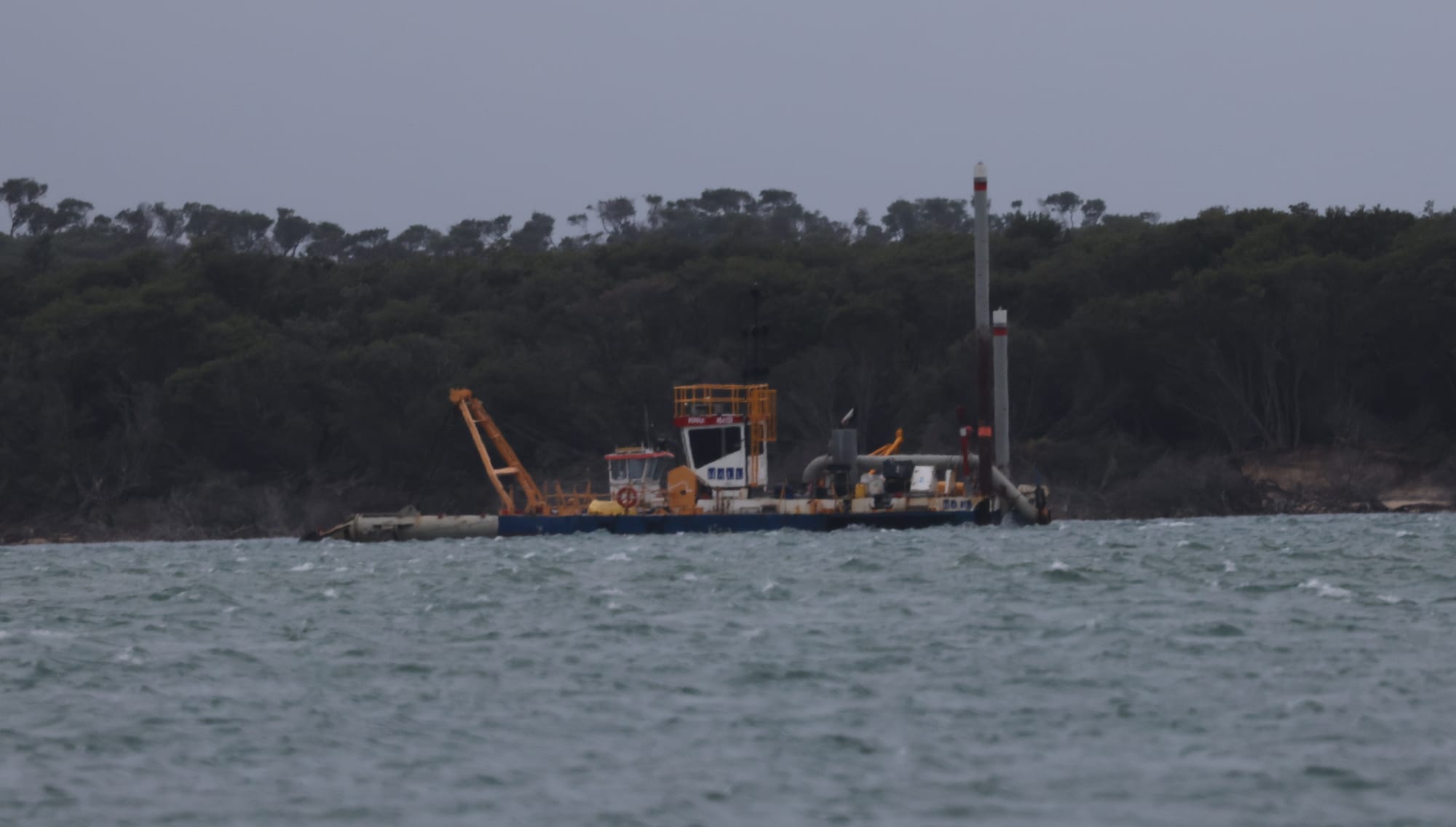
"You may hear some distant dredge noise or the sounds of plant machinery operating during this time," a spokesperson for the project team noted.
"DEECA and Hall Contracting apologise for any inconvenience caused. This is a vital project for the long-term health of Inverloch, and we appreciate the community’s patience as we work through the night to meet our targets."
This immediate sand renourishment is part of a broader, more complex strategy known as the Cape to Cape Resilience Project. This long-term initiative is designed to address coastal hazard adaptation across a wide stretch of the Bass Coast, covering the region between Cape Paterson and Cape Liptrap.
The project is overseen by the Inverloch Regional and Strategic Partnership (RASP) and represents a data-driven approach to environmental management. It is built upon the four key pillars of new research including comprehensive coastal hazard assessment, extensive community engagement, a detailed risk and vulnerability assessment, and long-term resilience planning.
The ultimate goal of this partnership is the delivery of the Cape to Cape Coastal Resilience Plan. Rather than offering a temporary fix, this plan is designed to provide a clear action plan for priority adaptation activities over the next five to ten years.
It also establishes pathways for future generations, ensuring that coastal management remains flexible and aligned with the Victorian Marine and Coastal Policy as the climate continues to change.
The Inverloch surf beach has faced significant recession in recent years, impacting both local tourism and the natural ecosystem. By replenishing the sand now and planning for the next decade, the RASP aims to ensure the beach remains a functional asset for the community.
Those seeking more detail on the logistics of the 24/7 works, or the specific machinery being used, are encouraged to visit the project website. An extensive FAQ section has been provided to answer common questions regarding noise levels, beach access, and environmental safeguards.


