

Aldred says cut the tobacco tax by 80 per cent to break the crime gangs
The Coalition taskforce co-chaired by the Monash MP says organised crime now controls 80 per cent of the market and the excise must fall


A REPORT co-authored by Federal Monash MP Mary Aldred has found organised crime has taken almost complete control of Australia’s tobacco market and says the excise must be cut by up to 80 per cent to break it.
The Illicit Tobacco Crisis in Australia was released on Wednesday by the Coalition’s Illegal Tobacco Taskforce which Ms Aldred co-chairs with Liberal Senator Richard Colbeck.
Monash takes in all of Bass Coast and South Gippsland and the report caps a campaign that started in Ms Aldred’s own electorate.
She took up the issue after a ram raid on the Longwarry Friendly Grocer, then turned to Inverloch after Therapeutic Goods Administration officers and Victoria Police raided a pop-up store in late January over allegations it was selling illicit vapes to children.
Officers seized hundreds of vapes but the outlet stayed open, prompting Ms Aldred to raise it in federal parliament.
“But like many parts of Australia right now, Inverloch has an illegal tobacco and vape outlet in town,” she told the House.
Within weeks Opposition Leader Angus Taylor had appointed her co-chair of the new taskforce alongside Senator Colbeck.
The Inverloch store has since closed.
Australian Bureau of Statistics figures show nicotine consumption rose by almost 40 per cent between 2017 and 2025 despite repeated excise increases, with illicit sources now supplying about 80 per cent of all the nicotine Australians consume.
The Australian Criminal Intelligence Commission puts the cost of illicit tobacco at $4 billion in 2023-24, a fourfold increase in three years, and has linked criminal syndicates to more than 200 firebombings since 2023.
Record enforcement is not turning the trend around, with the Australian Border Force seizing 2.53 billion cigarette sticks in 2024-25 while stating plainly that it cannot seize the problem away.
Tobacco excise revenue has fallen from about $16 billion at its 2019-20 peak to about $8 billion in 2024-25 and is expected to drop to $2 billion by 2029-30.
“It’s time to dispense with the fantasy that the price of cigarettes in Australia is $50-$60 per packet,” Senator Colbeck said.
“When up to 80 per cent of the market is paying organised crime prices of $15-$20 per packet that is the real price of cigarettes in Australia today.”
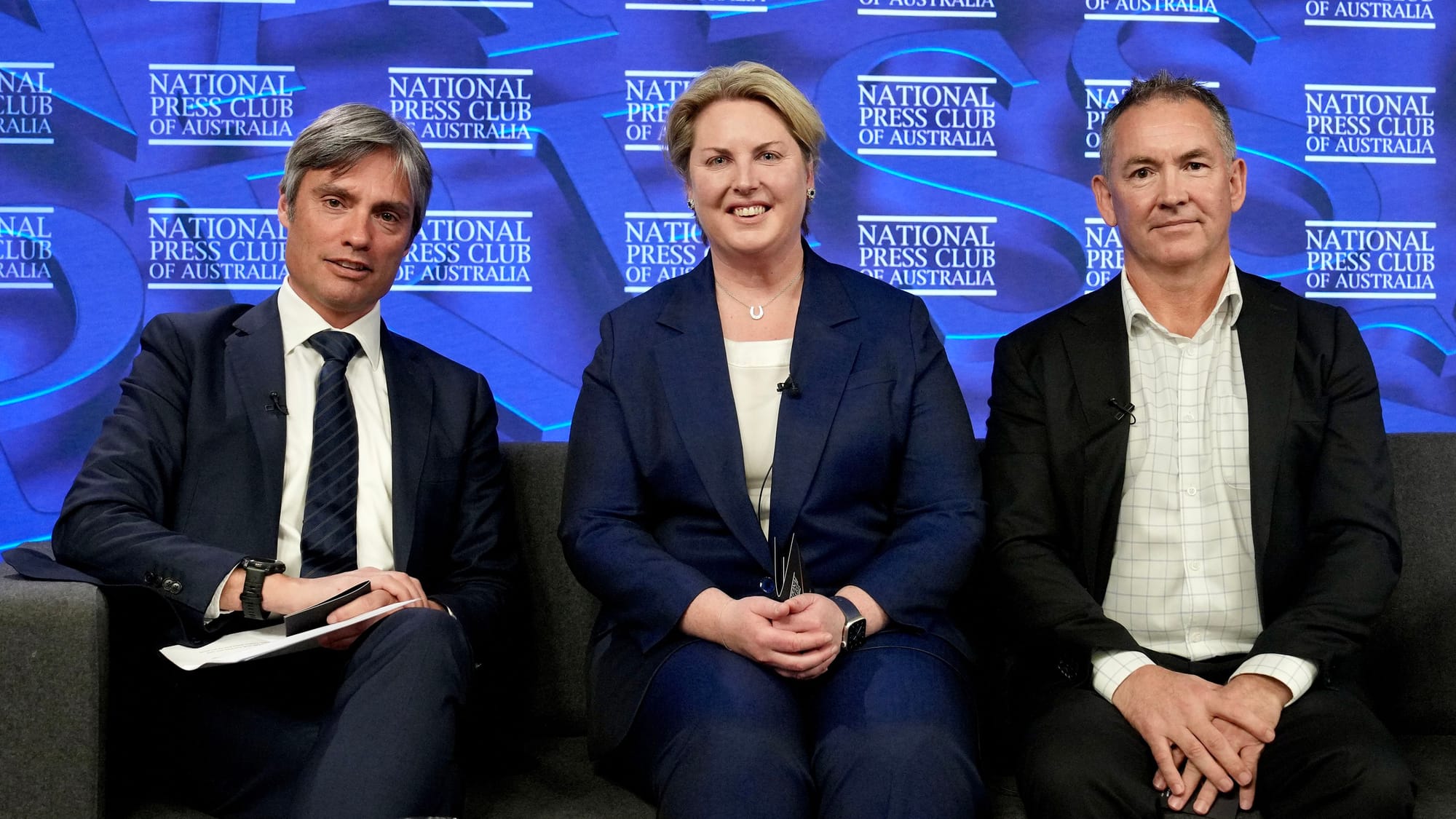
In July Ms Aldred addressed the National Press Club in Canberra alongside Dr Nick Coatsworth and former Australian Border Force official Rohan Pike, telling the audience the 282 per cent rise in the excise rate since 2012 had driven ordinary Australians into the arms of organised crime.
“At its simplest, we need to revisit the excise rate - it’s too high,” she said.
“But we need a Swiss army knife of solutions.”
A week earlier she told the ABC’s 7.30 program the trade had moved online, taking it “from bricks to clicks”.
Alongside the excise cut the report recommends a National Cabinet on illegal tobacco, a licensed framework for legal vape sales with manufacturing standards and age limits, and a target of 5 per cent for an “Effective Zero” smoking rate in place of the current 10 per cent objective.
Pressure for a cut is now coming from both sides of politics.
NSW Labor Premier Chris Minns broke ranks with his federal colleagues in July, telling ABC Radio the excise was too high and enforcement alone was not working.
One Nation went further on Tuesday, August 18 when Pauline Hanson announced the party would cut the excise by 75 per cent and freeze indexation for three years, dropping a legal packet by about $30.
Treasurer Jim Chalmers ruled out a cut the same day, saying it was not something the government was proposing.
“The government’s focus is on law and order, compliance, and more than $350 million in extra resources,” Mr Chalmers said.


