

Our roads are unsafe, so say all of us
POOR road surface conditions have overtaken dangerous driver behaviour as the top safety concern for motorists according to an RACV driving survey. Nationals Member for Gippsland South and Shadow Minister for Roads and Road Safety, Danny O’Brien...


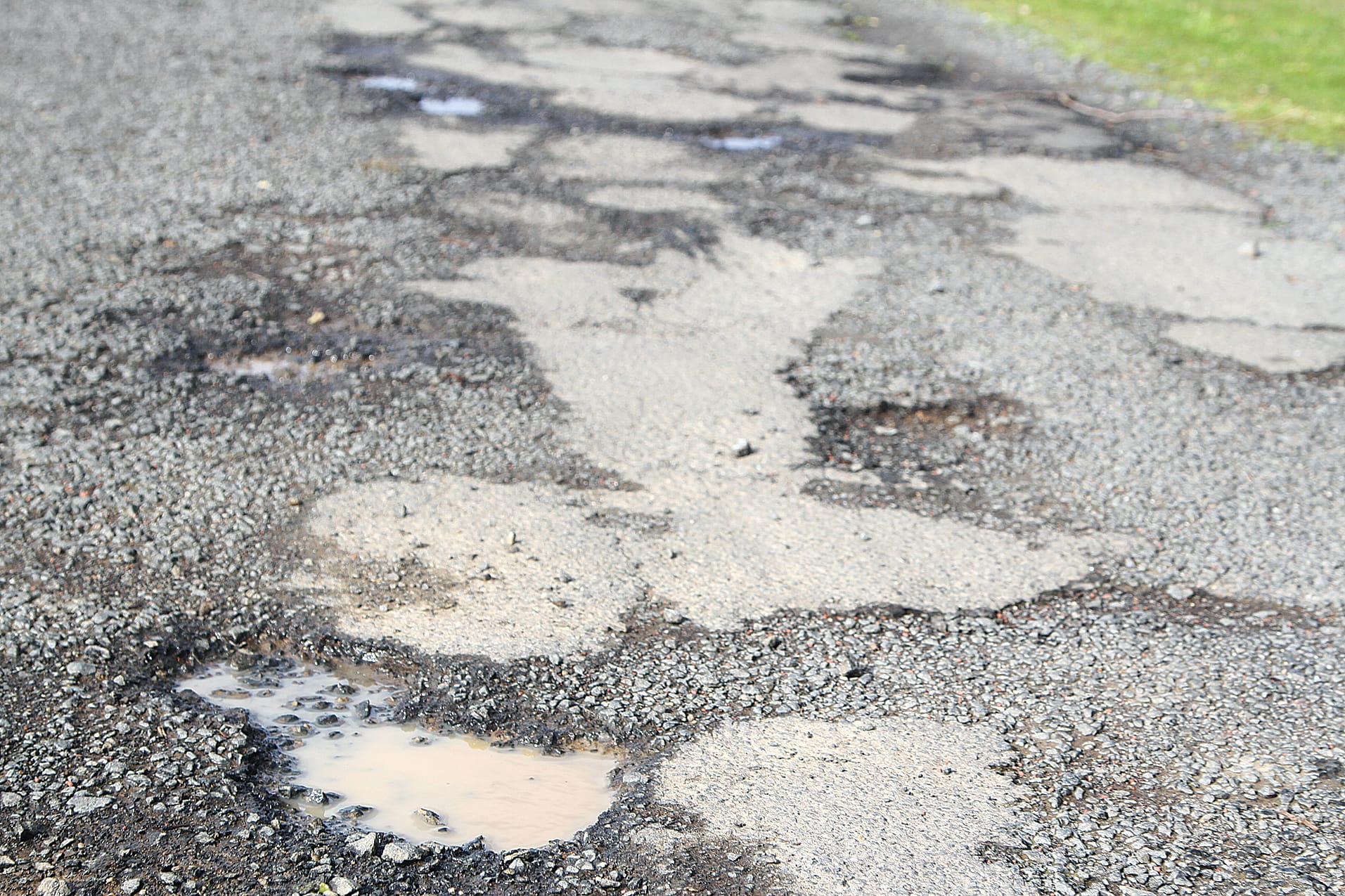
POOR road surface conditions have overtaken dangerous driver behaviour as the top safety concern for motorists according to an RACV driving survey.
Nationals Member for Gippsland South and Shadow Minister for Roads and Road Safety, Danny O’Brien said seven thousand drivers and motorbike riders responding to an RACV ‘My Country Road’ survey placed Gippsland among the worst twenty areas for road safety.
The Bass Highway from Jam Jerrup to Leongatha and the Phillip Island Road, Phillip Island have been identified as the region’s two worst roads.
“I’m sure it will come as no surprise to anyone who has travelled on Gippsland roads,” Mr O’Brien said.
Reported safety issues included potholes, poor road surface condition, limited overtaking opportunities and dangerous intersections according to Mr O’Brien.
“The survey highlights the need for immediate action,” Mr O’Brien said.
“Successive years of cuts to the road maintenance budget under the State Labor Government have left our roads in a dire state, and this year’s budget ensures they won’t get better,” claims Mr O’Brien.
“Labor is allowing our regional roads to crumble while it wastes billions of dollars in cost over-runs for city mega-projects.”
More than three hundred collisions have been recorded on the top five worst roads in the past ten years.
Funding for resurfacing and resealing on Victorian roads in the 2023/24 financial year dropped dramatically with only thirty-seven million dollars spent across Victoria compared to two hundred million dollars the previous year.
The RACV will use the data from ‘My Country Road’ to encourage state and local governments to commit to safer regional roads.
RACV Head of Policy James Williams said the data from the survey indicated that the condition of regional roads has become a major safety concern for Victorians.
“Over 7000 Victorians have provided us with data about safety on our regional roads with potholes or poor road condition being the number one safety issue,” Mr Williams said.
“As a safety advocate, it’s important that RACV closely examines what Victorians think are the factors contributing to unsafe road conditions, so we can provide that information to all levels of government and encourage action.”
“While in 2021, dangerous driver behaviour was the biggest safety concern on regional roads this year poor road conditions received more than double the number of responses for dangerous driving.”
My Country Road was also an opportunity for participants to let RACV know what they think of electric vehicles (EVs) and the barriers to the uptake of electric vehicles.
“The top two reasons participants gave for deciding not to drive an EV were that they are currently too expensive to purchase and the limited battery range,” Mr Williams said.
“Regional Victorians have a preference for more charging stations at service stations and rest stops.”
More than half of the participants (56 per cent) believe the speed limit on the top twelve most dangerous roads should be reduced.
Sixty-one per cent of participants identified locations where they believe the ninety kilometres per hour speed limit should be reduced to eighty kilometres per hour or less.
The Victorian Farmers Federation (VFF) also agrees lack of basic road maintenance is a major factor behind the poor report card for roads highlighted in the RACV survey.
VFF President Emma Germano said it was further proof government must introduce a plan to fix our crumbling roads.
“The condition of Victorian roads is having a direct impact on the cost of producing food,” said Ms Germano.
“Transport drivers are having to use longer alternative routes to avoid dangerous roads adding significantly to the cost for farmers and consumers getting produce to market.
“The Australian Bureau of Statistics has found food inflation was being driven by a range of price pressures including supply chain disruptions and increased transport costs to the Australian agricultural industry of five point eight billion dollars a year.
“The undeniable neglect of our regional roads is a result of previous freight strategies never identifying maintenance as a priority.
“The state of our regional roads is an utter and dangerous mess,” said Ms Germano.


