

Shearwaters return to Phillip Island under bird flu watch
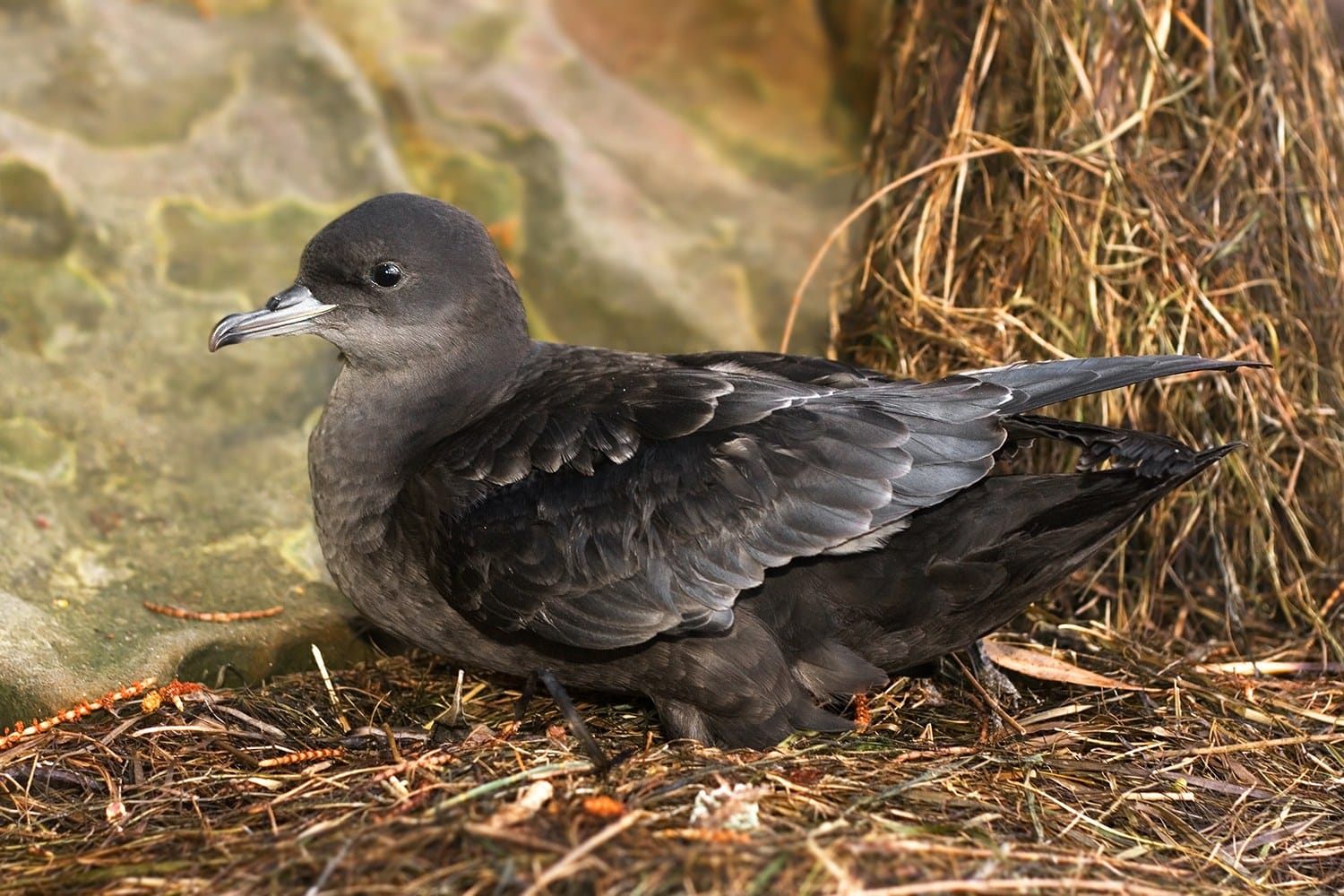
About 1.4 million short-tailed shearwaters are heading back to Phillip Island and anyone who finds a sick or dead bird is urged to leave it and report it.


SHORT-tailed shearwaters are arriving back on Phillip Island after a migration of more than 15,000 kilometres, and anyone who finds a sick or dead bird is being urged to leave it where it is.
About 1.4 million shearwaters arrive on Phillip Island each year from the Aleutian Islands near Alaska, according to Phillip Island Nature Parks, and breed in sand dune burrows from September to May.
The Department of Energy, Environment and Climate Action (DEECA) said some exhausted birds did not survive the journey and might be found on Victorian beaches.
Sick or dead shearwaters should be left in place and reported to the Emergency Animal Disease Hotline on 1800 675 888 or through the online reporting form on the Agriculture Victoria website.
DEECA director of wildlife and landscape protection Eve Graham said washed-up shearwaters were not automatically a sign of bird flu.
“It is normal at this time of year to see shearwaters washed up on Victorian beaches; this does not automatically indicate H5 bird flu,” Ms Graham said.
“Your reports help wildlife and animal health experts monitor and respond to potential disease risks.
“Community reports remain important in helping us to understand the impact of bird flu on Victorian wildlife.”
The birds’ return comes as H5 bird flu becomes established in wild bird populations across Victoria, including on Phillip Island, where the virus was detected in greater crested terns at Seal Rocks in August before claiming the island’s first little penguin.
A vaccination program for more than 5000 little penguins at Phillip Island and St Kilda began in August.
A Phillip Island Nature Parks spokesperson said in July the Nature Parks had been building up habitat for several species, including the shearwaters.
“Over the past three years the Nature Parks has invested significant resources into building the health and resilience of habitat for little penguins, Eastern barred bandicoots, short-tailed shearwaters and shorebirds,” the spokesperson said.
“This resilience work supports a species’ ability to respond to environmental threats including disease.
“The community can help if they see unusual illness or death in wildlife – avoid contact, record the details and report it so it can be investigated.”
DEECA said its on-ground and aerial surveillance was continuing across the state, with authorities working with experts to monitor at-risk areas heading into the spring breeding season for waterbirds and the arrival of migratory species.
Ms Graham said year-round surveillance for avian influenza in wild birds was part of the National Avian Influenza Wild Bird Surveillance Program, coordinated by Wildlife Health Australia.
The latest information on H5 bird flu is available at agriculture.vic.gov.au/birdflu.


