Big weather event this weekend for Shearwaters
DUNCAN Sutherland, a senior research scientist at Phillip Island Nature Parks, has called it. The weather event approaching Victoria is just what the doctor ordered to get the Island’s 350,000 young Short-tailed Shearwaters up, up and away.


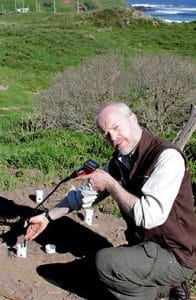
DUNCAN Sutherland, a senior research scientist at Phillip Island Nature Parks, has called it.
The weather event approaching Victoria is just what the doctor ordered to get the Island’s 350,000 young Short-tailed Shearwaters up, up and away.
But here’s how you can help make their flight more enjoyable…
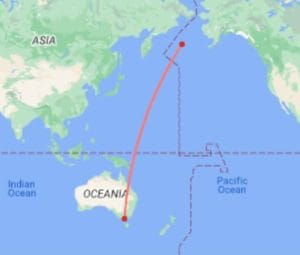
In an interview on Gippsland ABC Radio this week, Mr Sutherland set the scene for their incredible journey of 14,000 kilometres over the next four week.
“So, they're actually flying off to the northern hemisphere. They’re going on one of the most extraordinary first flights for a bird I reckon of any bird in the world.
"So, they're heading all the way up to towards the Sea of Japan and across to the Bering Sea up near Alaska, so you can't get much further away from us than that."
Mr Sutherland also spoke about the number of young birds would be making their first marathon flight from Phillip Island this year.
"So, the Short-tailed Shearwater is one of our most abundance seabirds. There are lots of them and we have about 1.4 million adults coming to Phillip Island breed each year. And so, we've had a really good breeding season this year, and it's going to be something like 350,000 fledglings that are ready to take off once we get the right winds and as we were saying before, a light northerly is not quite what they're after yet.
“What they need is a big strong, westerly or something like that, which when those wind really pick up, they'll be making that migration that we’ve been talking about.
"And that forecast is coming this weekend, meaning that there could be as many as 350,000 young birds on the wing as the Island cops a wintry blast overnight on Friday and into Saturday.
“So yes, I think they're absolutely ready to go. They've been waiting for the last week or so to wait for these winds that are going to pick up and I think this weekend, it could all be happening."
“But will they all lift off and fly as a flock,” ABC Gippsland journalist Mim Cook asked Mr Sutherland.
“Well, that's a really good question. What we do know is that the parents left about three or four weeks ago and actually headed down south towards Antarctica, to feed up and fuel up for this migration that they're going to do, so they've gone in the wrong direction to begin with," Mr Sutherland said.
“But they're going to be passing by Australia, between Australia and New Zealand about now. And that's when these chicks, these fledglings have got themselves ready.
“They've converted that the food that they've been given into those wing muscles which turns their fluffy down, that's kept them warm all this time, into adult flying feathers.
“They're ready to do all that now, to join the adults, their parents and head up together on that migration up towards Japan and across to Alaska.”
Mr Sutherland commented on the intricate timing that allows the adults time to go down south and refuel but be crossing just in time to pick up the youngsters who will also be on the wing, courtesy of a strong south-westerly.
“It is just extraordinary, and they keep an amazing schedule as well. So, we can predict quite closely when they might arrive in the southern hemisphere to come and breed and when they might be leaving to make their normal migration back up to the productive waters up in the northern hemisphere when it's summertime up there.”
So, they follow the parent shearwaters?
“That’s what we think is happening. It's very difficult to actually follow these little fledglings. They don't come back for five to seven years until they're ready to breed, so we don't see them for a very long time. We can't really put trackers on them, but it makes sense that that's what they do.
“They've got this migration path that the adults are doing, and they'll probably follow suit. But it's a very challenging time for them too so following, finding their way to the northern hemisphere is one part of that challenge.
“But it's actually when they're on the island, where their colonies are, there are actually some other challenges, particularly around people.
“And one of those key issues is artificial light. Would you believe?
“What we find is that they're attracted to artificial lights and that might be streetlights or car headlights or building lights outside. And they come down to the ground and often land on roads and we actually need to run a program to help those fledglings that land on roads, to rescue them and make sure that they aren't hit by motorists, as a result.”
He also discussed the likely impact of climate change.
“Well, they’re certainly going to be a species that is going to be affected by climate change. So, we can already see some of the changes in where they're going and when they're going as well and some of those factors are certainly at play.
“And so anything we can do to mitigate climate change is going to be important, but there are much more proximate things that we can do too, so as I was saying, artificial light is one of those things, that during this key period when these birds are going, we can actually turn off the lights in key spots to reduce that attraction and have fewer birds landing on the ground and being at risk of being run over.
“And we're actually running a campaign right now, just launched this year, to do exactly that, which we're calling the ‘dark sky’ when the shearwaters fly. And that is really to encourage some of the local businesses and many of the residents around here to turn off their lights during this period and we're really encouraging any of those businesses to sign up and make that pledge to turn off their lights and give these fledglings the best chance to undertake this, what is a most extraordinary migration.”