Cow and bull prices bounce back at Prime Sale
Australian beef finding other markets after hitting China quota


COWS and bulls were up in price at Tuesday’s Leongatha Prime Cattle Sale compared to a week prior, while trade cattle and bullocks remained firm.
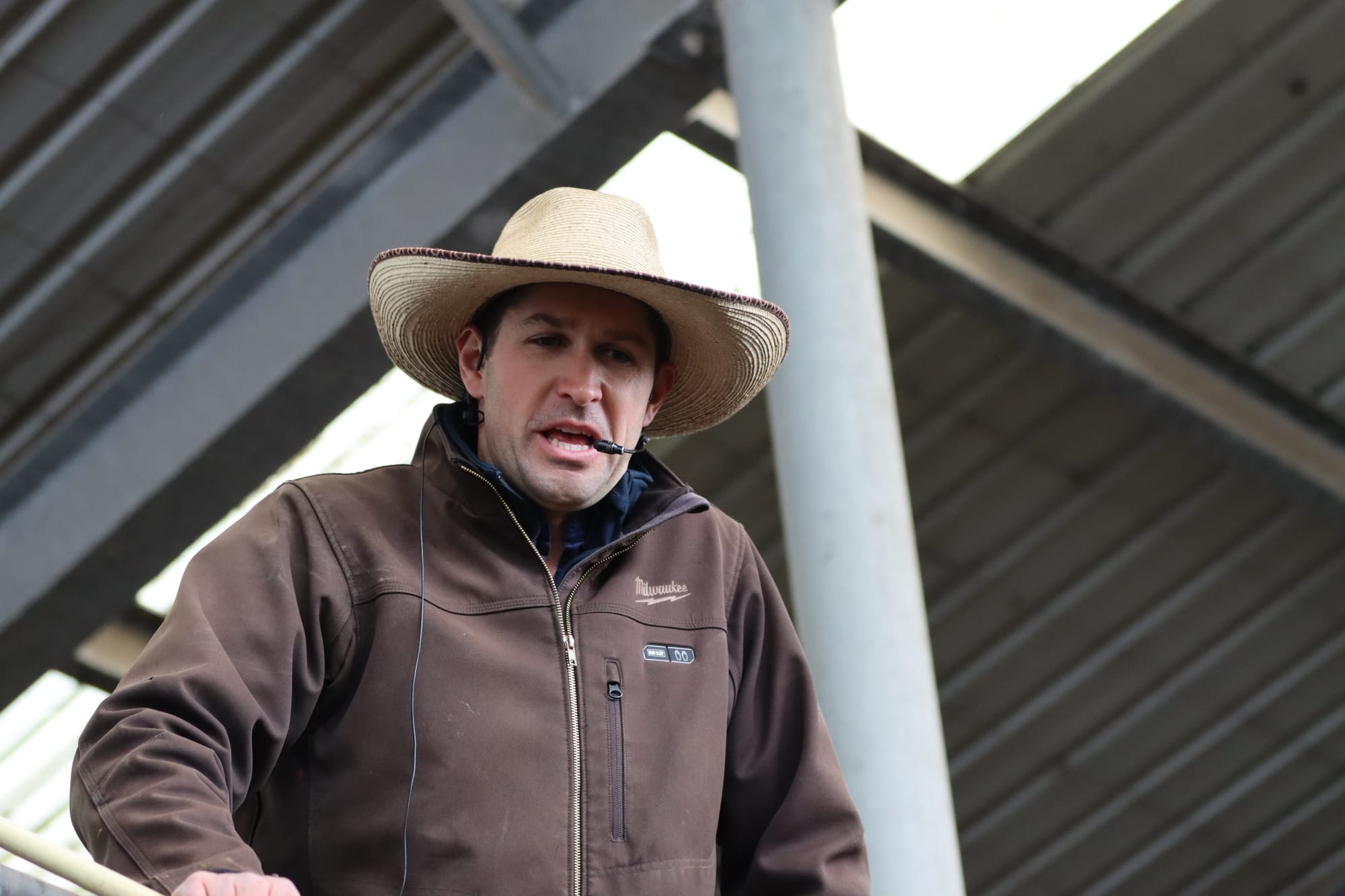
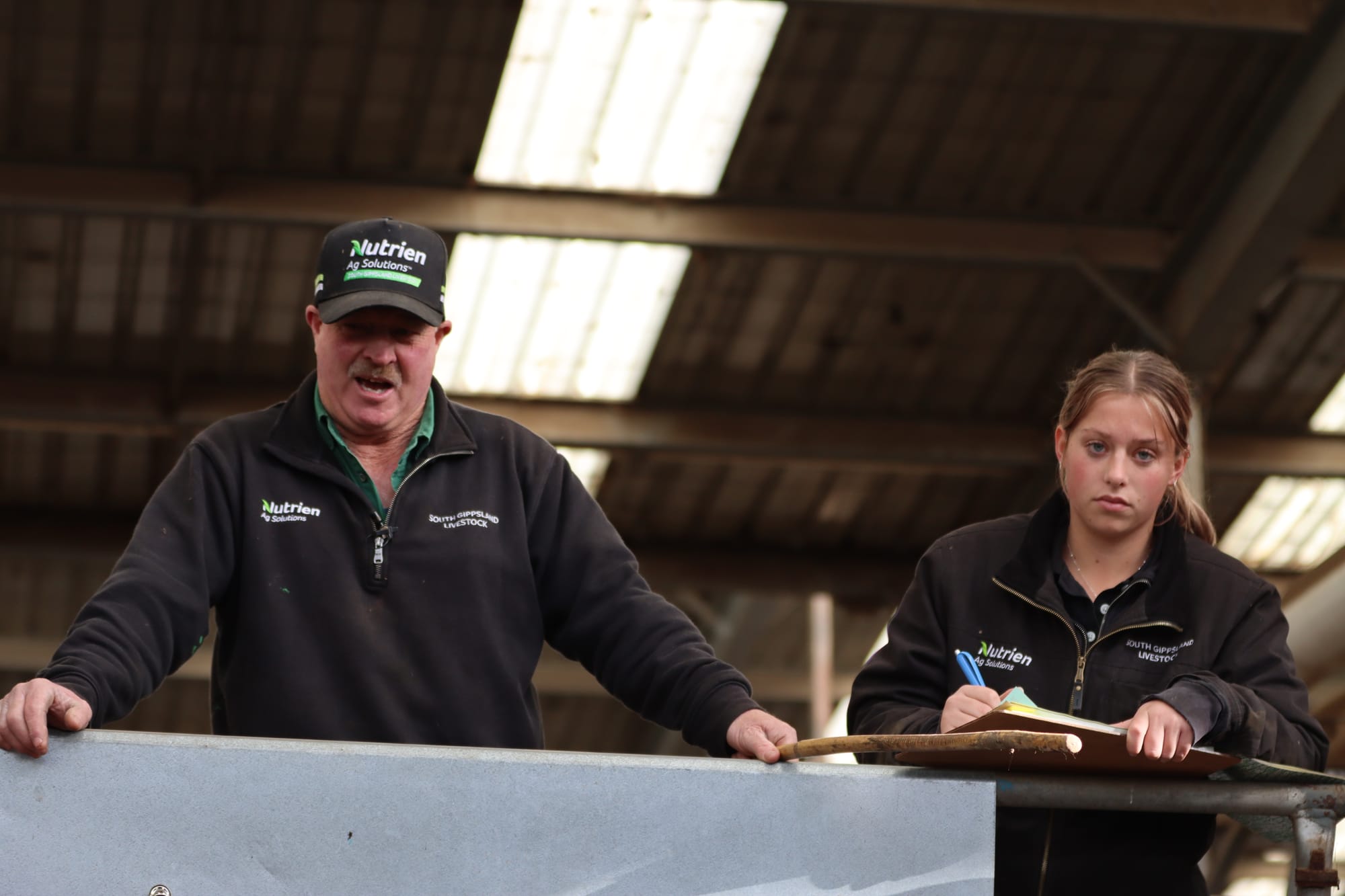
During the trade cattle section of the sale, Nutrien’s Terry Ginnane labelled prices “fully firm,” remarking “The market’s been fairly consistent for the last couple of months.”
Asked about the impact of China’s 55 per cent tariff on Australian beef since our export quota to that market was reached, Mr Ginnane responded, “The cows eased a little over a few weeks but not by a lot; we might have seen a 10 to 20 cent correction in the top end of the cows, but it hasn’t fallen any further.”
“We’ll see after today’s cow market,” he said when quizzed about whether cow prices have started to pick up again.
As it transpired, Meat and Livestock Australia Market Reporter Brendan Fletcher noted that cows improved 10 to 15 cents a kilo on last week’s Leongatha Prime Sale, suggesting most of that ground has been made up.
In line with Mr Ginnane’s observations, Mr Fletcher reported that “Trade lots with finish sold to firm demand,” with bullock prices also remaining firm.
Heavy Bull prices were reported as lifting eight cents a kilo.
While Mr Ginnane commented the China situation has probably made conditions a little tougher for exporters, he is confident there are enough other markets around the world wanting Australian beef to keep prices healthy.
“The American market’s still very strong,” he said.
Increased competition into that market from Brazil seems likely as the South American country approaches its quota for beef going to China.
Nutrien Ag Solution’s Mecardo reports that while it is not straightforward to get current trade data from Brazil, the nation is likely to have filled roughly 90 per cent of its beef quota to China by the end of July.
Simon Quilty of Global AgriTrends has consistently argued China’s imposition of prohibitive tariffs on Australian beef is no reason for panic due to a short supply of beef worldwide, with other markets to step in and still have to pay solid prices.
At Tuesday’s Leongatha Prime Sale, Mr Ginnane spoke of the importance of prices locally staying at a level that works for everyone.
“If it stayed at these prices, I think the producers will be pretty happy with that, and the processors, from what you hear, don’t want it any dearer than what it is,” he said, elaborating that if prices get too high, processors will have to cut back on slaughter days.
However, recent rainfall in much of Australia is encouraging, with Mr Ginnane saying it means “Fat cattle will start to flow again in Spring,” albeit constrained supply in the meantime seems set to keep prices high.
“They make a choice; they pay higher for their cattle or reduce their kills,” he said of processors.