

Fishy practices in seafood industry
LARGE seafood wholesalers and fish markets are exploiting fishers, consumers and the seafood industry by avoiding using technology to trace where wild fish and seafood are caught, according to a report from Monash University. The study found that...


LARGE seafood wholesalers and fish markets are exploiting fishers, consumers and the seafood industry by avoiding using technology to trace where wild fish and seafood are caught, according to a report from Monash University.
The study found that companies are doing this as a way to avoid closer scrutiny on their supply chain practices, as it may bite into their profits.
Fishers and producers are currently unable to track their own products as they lose control of the supply chain and have no idea where the product ends up.
Once this traceability is lost, wholesalers are able to charge more to consumers, as they don’t know where the fish or seafood has come from, how it’s caught, or even sometimes exactly what it is.
Lead Researcher Dr Benjamin Thompson said, “The origin of most seafood is untraceable – meaning it may have been caught illegally or unsustainably, and this poses a significant risk to marine biodiversity and the sustainability of the seafood industry.”
“Digital technology like blockchain, improves the integrity and sustainability of the industry and seafood populations as it details where and how seafood is caught, and tracks its journey from ocean to plate.”
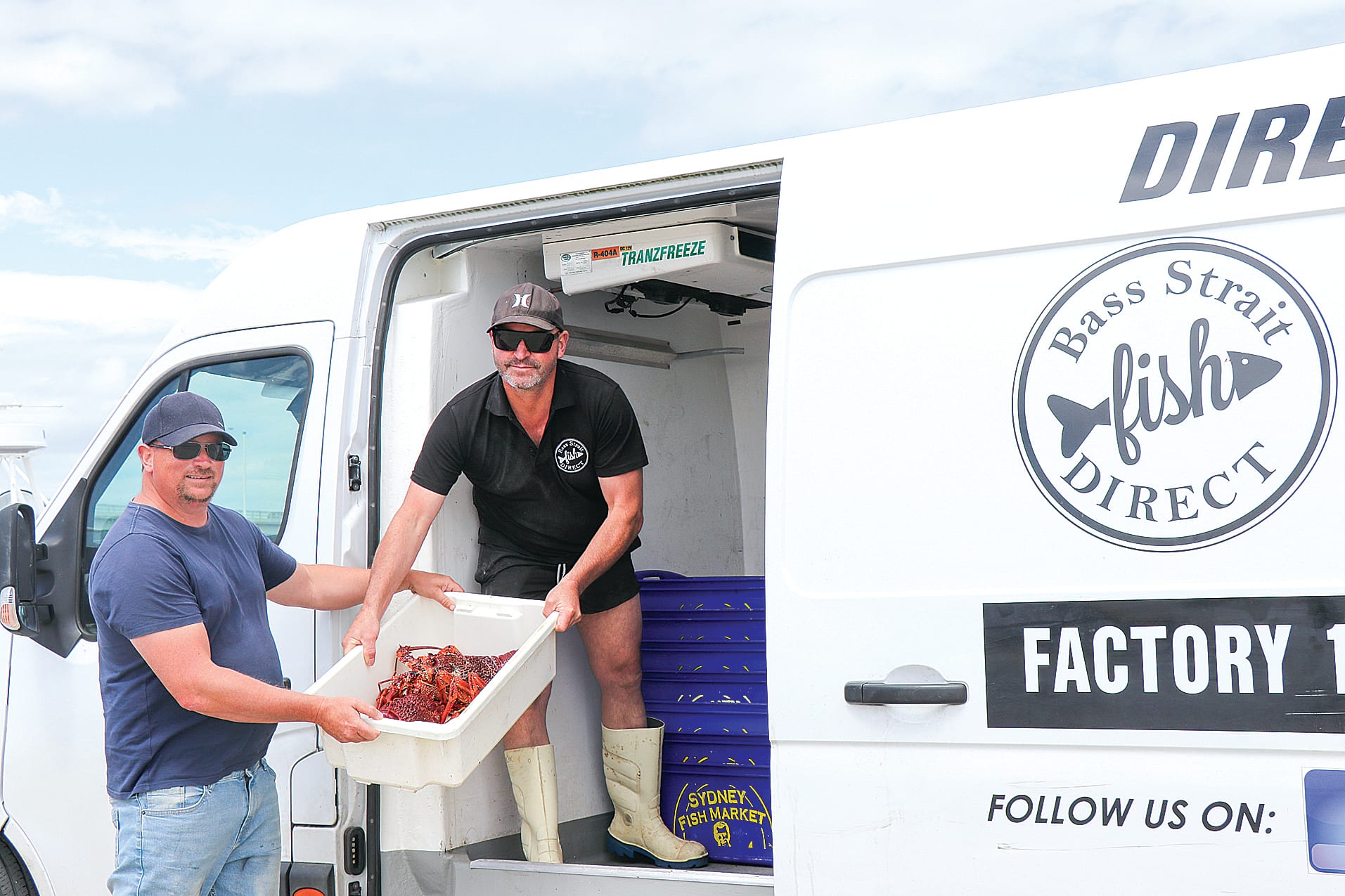
Smaller seafood wholesalers such as Bass Strait Direct in Phillip Island, don’t necessarily have this problem and there’s a good chance owner Curt Trewavis will be able to tell you where the fish came from and even who caught it.
“I know exactly where all our products coming from. Because we source directly, off the boats, off the fisherman.
“Being in the industry we know, buying off a certain supplier you know what they specialise in and there’s suppliers out there we buy off who process and pack it and on sell, but we know what boats fish for them.
“We deal mainly in fresh, but if we were buying in frozen in large quantities then I’d just have to put my trust in that they’re following the standards which we are guided by.
“Only when I buy off an on seller…if I was questioned exactly where that product came from, I would be putting my answer in from its labelling, so we run under a strict country of origin labelling.
“In Australia basically all seafood has to have its origin; where it’s come from, pack dates, that sort of thing. So, unless that side of it isn’t being followed through then yeah you could question exactly where it’s come from.”
This is where a problem lies as the recent study by Monash University detailed.
While Australia has strict guidelines on labelling and packaging, there are no strict rules at national borders, such as how and where the seafood was caught, leaving Australia wide open to seafood from illegal, destructive and exploitative fisheries and farms.
Curt remains sceptical about the technology and the practices of larger wholesalers.
“Any transparency would be great, but how far does the technology go? Is it only as good as the input is? Is this technology going to overcome the problem or is it only as good as what the information fed into it and the input is going to be.”
“Anyone can do anything, it depends how honest bigger companies want to be, they can source and process anything.”
The University is calling on the government to consider increasing traceability and transparency requirements to address the importation of seafood from fisheries that involve illegal, unreported and unregulated fishing practices.


