How a tiny frog is standing in the way of more sand trucks
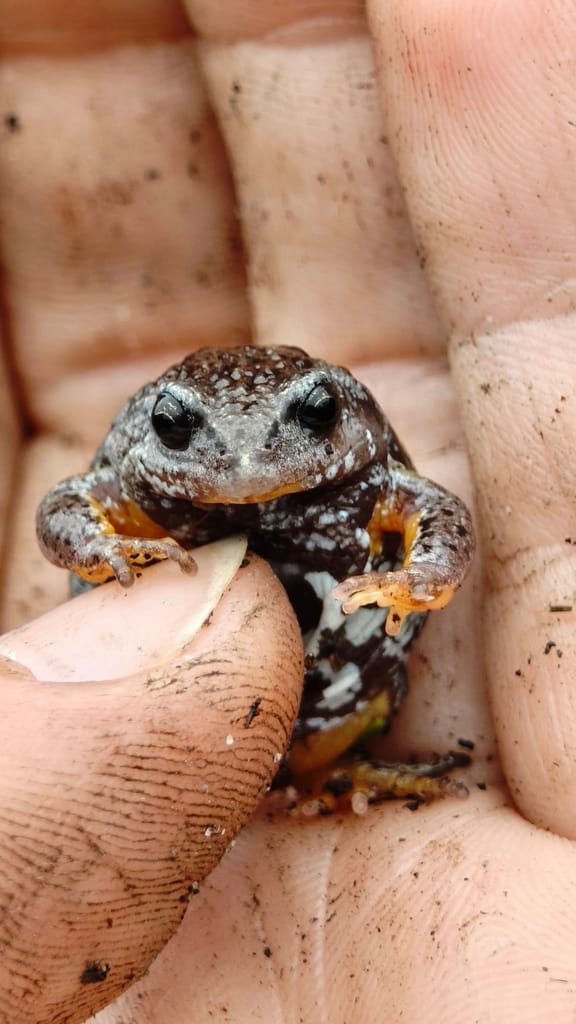
The presence of Tea-tree Fingers fungus, the critically-endangered Strzelecki Eucalypts and a little-understood but very rare Southern Toadlet are all that stand between multi-national Heidelberg Materials and the widening of Stanley Road and McGrady Road at Grantville.


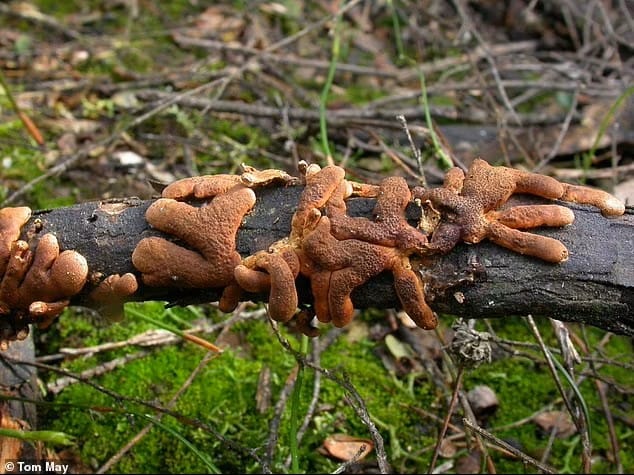
AN exceptionally rare and critically endangered fungus, known as ‘Tea-tree Fingers’ fungus, is rapidly losing its grip on the Australian mainland.
Just off the coast, however, its finger-like form is still clinging to life on French Island.
And those trying to save a key bushland corridor between the Grantville Conservation Reserve and the Gurdies Nature Conservation Reserve say it’s also been recorded in the vicinity of the Grantville sand quarries, not far from French Island, as the Powerful Owl flies.
This endangered plant along with others, including critically-endangered Strzelecki Eucalypts and the little-understood but very rare Southern Toadlet are all that stand between multi-billion dollar multi-national Heidelberg Materials and the widening of Stanley Road and McGrady Road, Grantville to provide access to one of their new quarries.
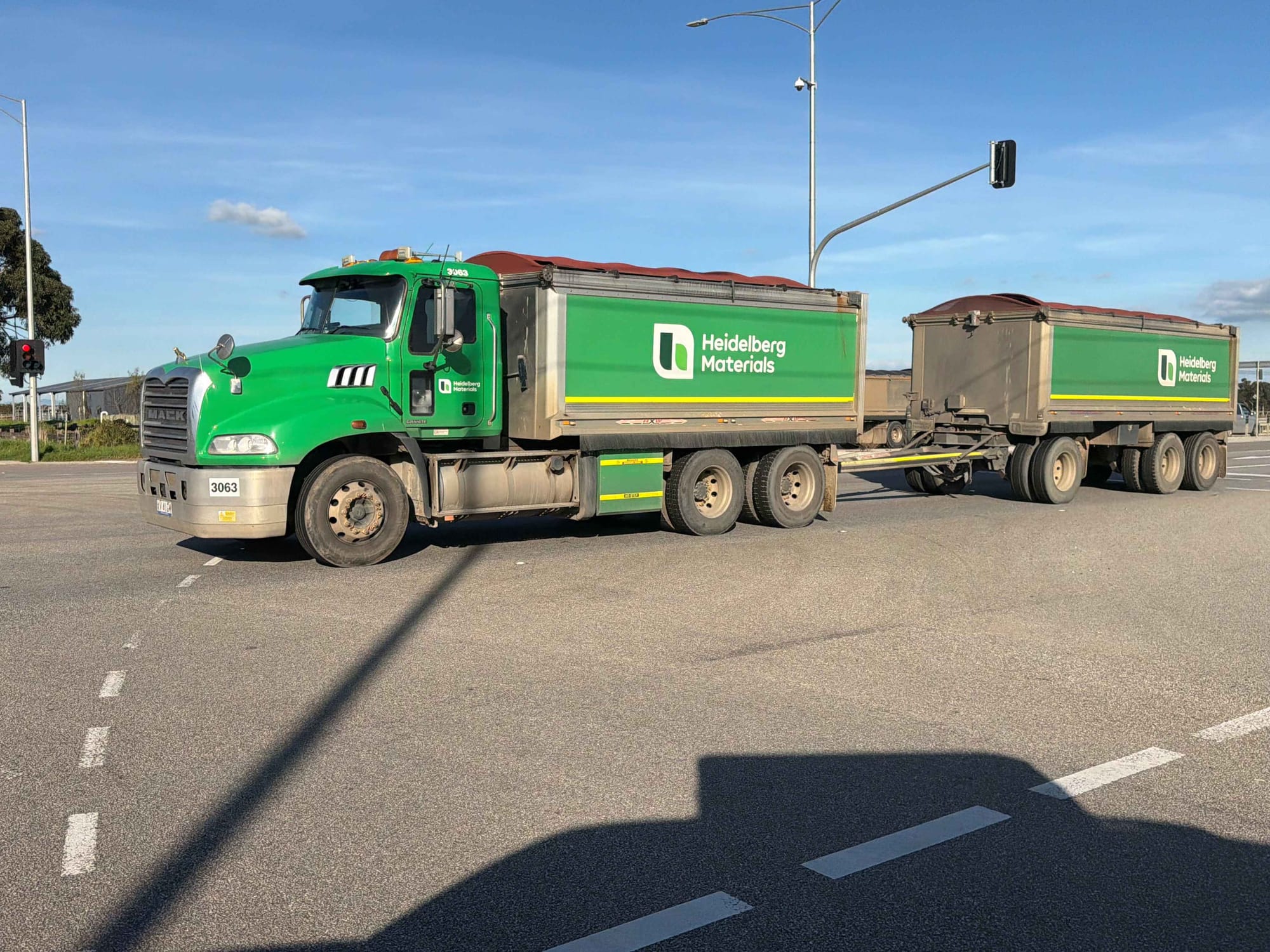
Use of the quarry in question is already approved. All that remains is to provide reasonable access for the dozens of trucks daily, ferrying vital sand supplies to Melbourne’s construction sector.
That was the subject of a five-day Planning Panels Victoria hearing in Melbourne, between Monday, May 4 and Friday, May 8, with both the Bass Coast Shire Council and the applicant, Heidelberg Materials, well represented along with local conservation groups including Western Port Woodlands, South Gippsland Conservation Society, Phillip Island Conservation Society and Gippsland Threatened Species Action Group, together with several interested individuals and local residents’ representatives.
According Neil Rankine from Save Western Port Woodlands, it’s vitally important that the road reserve around these roads is left intact because once two more, already approved sand quarries come on line in the vicinity, the road reserve will provide the only link between the two conservation reserves.
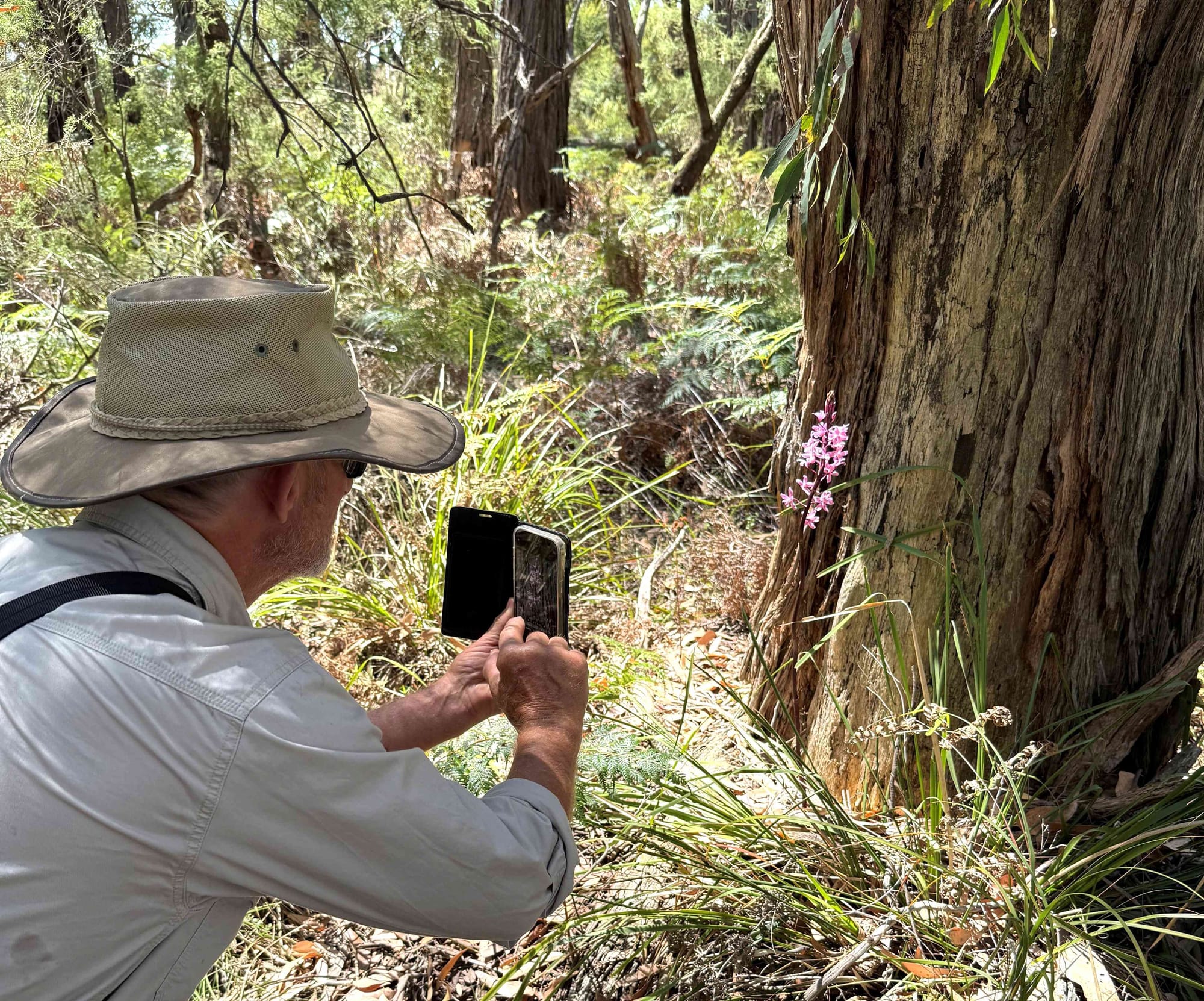
“The very rare Southern Toadlets have been recorded in the bushland around the Adams Estate and the bottom-half of the road offers similar habitat. The top half of the road, towards the Bass Highway is deemed suitable for Tea-tree Fingers fungus,” said Mr Rankine.
“They’re looking to remove between 20% and 30% of the vegetation along the roadway which we say would significantly damage what is a critical corridor now, and increasingly so in the future as those additional sand quarries are opened up.”
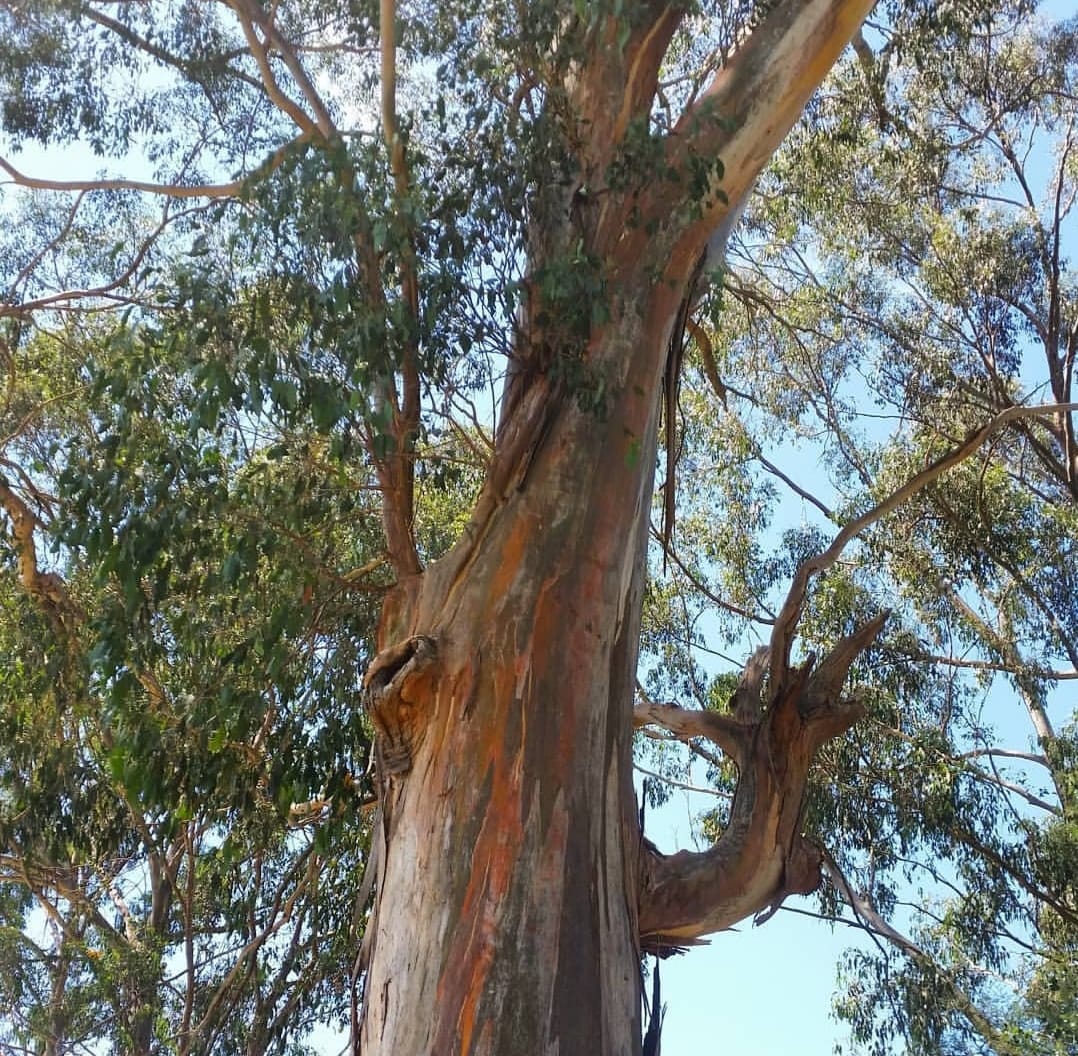
Another sticking point for the application by Heidelberg Materials to widen access to their quarry sites, along Stanley and McGrady roads, is the disputed presence of Strzelecki gums, a ‘Vulnerable’ tree under the Commonwealth Environment Protection and Biodiversity Conservation Act 1999 and ‘Threatened’ under the Victorian Flora and Fauna Guarantee Act 1988.
An expert botanist, Doug Frood, called by David Sutton of the Gippsland Threatened Species Action Group gave evidence that Strzelecki Eucalypts do exist in the roadside corridor and at the entry to the quarry.
An expert called by Heidelberg Materials disagreed.
And neither could agree with a third botanist called to adjudicate.
You’d think it would be easy to tell the difference between a plain-old Swamp Gum and a Strzelecki Gum but not so, according to Mr Sutton.
“They’ll need to undertake genetic analysis of the trees to be sure. The panel took that on board.”
One of the individuals presenting to the panel was Catherine Watson, another member of the Western Port Woodlands group, said she felt the community received a good hearing from the panel.
“We've just been through a very big planning panel hearing for a section of this woodland. This is one of those stories with a very long tail that goes back over 30 years,” Ms Watson told Gippsland ABC Radio during the week.
“So, the Western Port Woodlands are complicated because there are five or six different reserves in them. There are also 11 different quarries operating in the woodlands, and several more have planning permits that go back decades or more.
“So, this particular case was about a quarry that Heidelberg Materials plans to open at the end of Stanley Road, just out of Grantville. They got their permit back in mid 90s, and then nothing happened. Decades went past, and people forgot all about it, until late 2024 and residents of the Adams Estate off Stanley Road saw a notice on the road and Heidelberg Materials had applied for a permit to clear vegetation, to widen and seal the roads for sand trucks to their new quarry,” she said.
Ms Watson quoted a local resident, Janet Grimes, who also appeared before the panel, noting she has been a resident of the estate for almost 50 years and regarded the opening of the mine as the return of a nightmare.
“So that's what this planning panel hearing was all about in Melbourne,” she said.
“Well, of course, the community was never going to be a match for a multinational company, but I think the community case was heard clearly by the panel.
“The central question is quite simple, does this proposal meet current state planning policy? And we say no, it doesn't.
“The quarry approval dates back to the 1990s but planning policy has changed dramatically since then, particularly about protection of biodiversity. So current policy says quarrying should minimise the impacts on environmentally sensitive areas and communities.
“Stanley Road is special. It's not just a road, it's a crucial bio-link in the Western Port Woodlands.
“It's a peaceful country lane, unsealed, heavily wooded and it's rare not to see kangaroos or wallabies there. If you go out at night, you'll see gliders, micro bats and during the day, Black Cockatoos, King parrots, echidnas. It's a really important road.
“We understand the demand for sand, but there are alternatives. The State Government, just a few weeks ago, gazetted new sand extraction areas on cleared farmland north of Lang, Lang closer to Melbourne, and with less environmental impact.
“And we say that we can have both. We can have sand for Melbourne's big build, and we can protect our patch of woodland.”
The decision by the planning panel will be delivered in due course, although it is not expected to take long after the project was called in by the Planning Minister as a “priority project” for Victoria.