

Midwifery, wouldn’t change it for the world!
MIDWIFERY has taken Louise Vuillermin to Scotland, the North Pole, South Sudan and outback Australia, but she’s just as cosy close to home in Leongatha. As she prepares to celebrate International Day of the Midwife on Friday, May 5, the Gippsland...


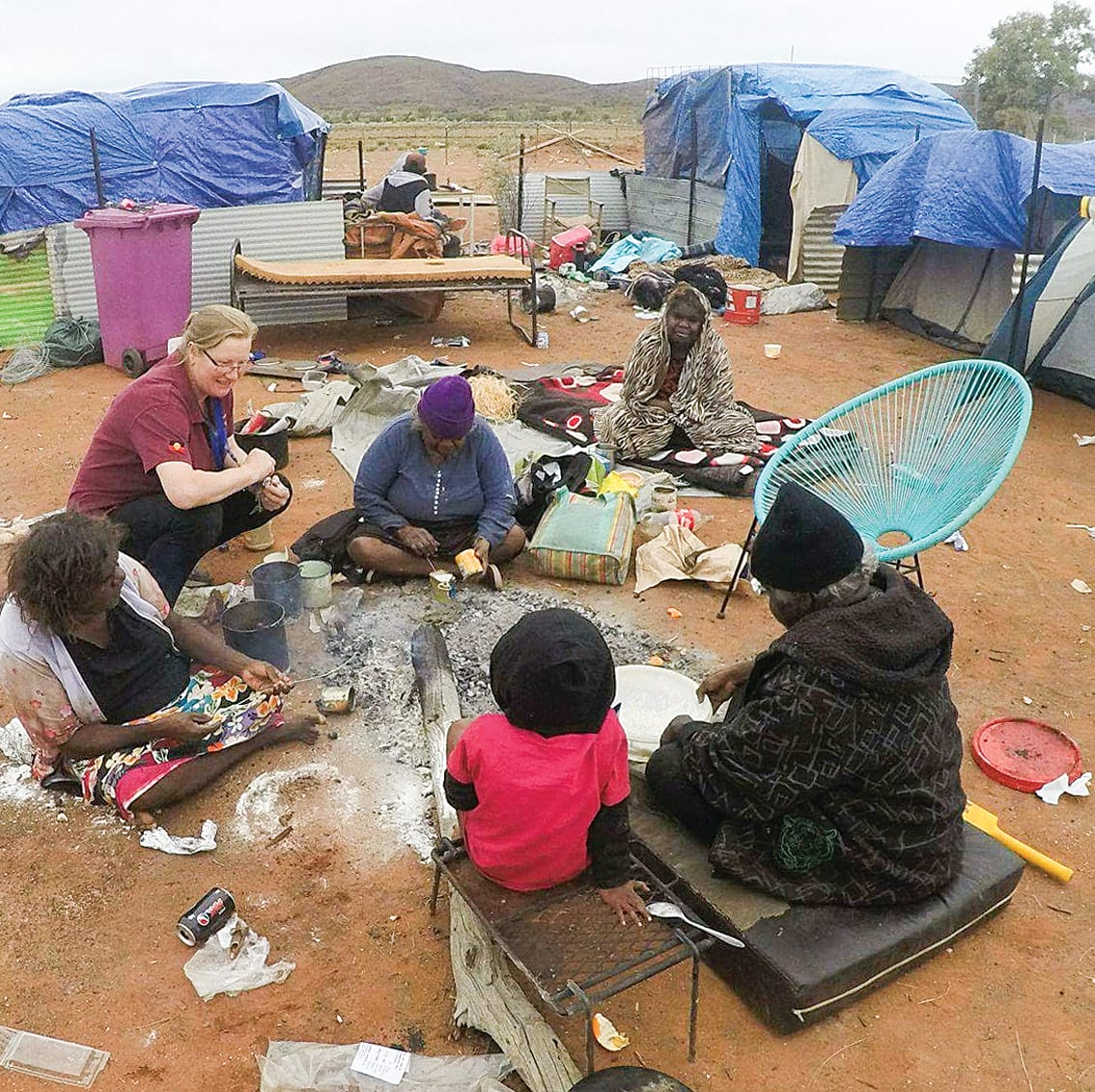
MIDWIFERY has taken Louise Vuillermin to Scotland, the North Pole, South Sudan and outback Australia, but she’s just as cosy close to home in Leongatha.
As she prepares to celebrate International Day of the Midwife on Friday, May 5, the Gippsland Southern Health Service midwife and after-hours coordinator at Leongatha can reflect on helping thousands of mothers and families over a 40-year career.
And she wouldn’t change it for the world.
“The International Day of the Midwife is a good time to reflect on the role, which is really incredible,” Ms Vuillermin said.
“It’s a privilege to be with a woman and her family for the birth of a baby. Sometimes it can be very trying, but it’s quite fabulous to be part of bringing a new baby onto the scene.”
Ms Vuillermin first started in 1988 at GSHS and returned for her second stint five years ago.
What happened in between involves enough adventures to keep Indiana Jones happy.
After her first three years with GSHS, Ms Vuillermin left to join the Royal Flying Doctor Service. She said she’d be back at Leongatha in a year – the return actually took nearly 30 years but she’s happy to finally complete the circle.
When she was with the RFDS in Western Australia, Ms Vuillermin saw an advertisement for nurses in the Arctic.
“They were looking for remote area staff able to work independently. It had a photo of a polar bear and I thought that would be quite an adventure,” she said.
“I thought nothing could top the spectacular environment of the Flying Doctor service but when I went to the Arctic as a nurse practitioner and midwife, I realised there that there was a lot to learn.”
She worked in a small Inuit community of about 350 people. “There were no on-site doctors, dentists, and very few professional people. Doctors would visit every three months for clinics so we fulfilled a very wide role.
“I was a midwife as well as a nurse so they thought all their Christmases had come at once.”
In her previous job the temperature at Marble Bar could hit 52 degrees in an aircraft on the tarmac – the coldest she saw in Nunavut, northern Canada was about minus 75-degree Celsius.
“There were no trees, just ice. Blue and white were the only colours – I didn’t realise there could be so many shades until I went to the Tundra.”
Despite the wildly diverse conditions, the cultural and environmental differences are what really changed the work. “It’s similar work, no matter where you are,” Ms Vuillermin said.
“It’s actually easier to get to places in the desert. In the Arctic was on an island and it was frozen for nine months of the year and you’d have to go on a skidoo to the mainland.”
Ms Vuillermin returned from America to Australia on September 11, 2001, catching the last plane out before airlines were shut down.
She swore she was going to stay home after the terrorist attack and ran the emergency department at Sale for a couple of years, but soon the itchy feet were back and she went to South Sudan with the International Committee of the Red Cross.
“It was very challenging, but I didn’t mind a bit of adventure,” she said. “My family were more worried than I was”.
After finishing her nursing career and deciding to become a midwife, Ms Vuillermin went on a two year world trip ending up in Europe before hitch hiking to Scotland to complete her midwifery training, during which she worked with the Tayside Midwifery Flying Squad attending to home births.
Ms Vuillermin worked in senior roles at various
hospitals around Gippsland and also in Queensland and a remote Indigenous community in central Australia.
She finally kept her promise to return to GSHS about five years ago and is now after-hours coordinator at the Leongatha hospital, allowing her to work in midwifery, the Urgent Care Centre or the ward and to pass on her experience with some teaching.
All this is on top of running a 400-acre beef farm, only 6km from where she grew up in Foster.
Today Ms Vuillermin, is encouraging a new generation of people to become midwives.


