

Once it’s gone, it’s gone forever
JESSICA McKelson is an inspirational conservationist and leader. Her dedication has led her from Melbourne Zoo to Sumatra and Kalimantan Indonesia, Borneo and the depths of Africa. But how did the girl from Ballarat end up the MC for The Island Arks...


JESSICA McKelson is an inspirational conservationist and leader.
Her dedication has led her from Melbourne Zoo to Sumatra and Kalimantan Indonesia, Borneo and the depths of Africa.
But how did the girl from Ballarat end up the MC for The Island Arks Symposium VII bringing together keynote speakers from islands across Australia, New Zealand, Hawaii and the Pacific Ocean?
“I was brought up to care for people and wildlife,” Jessica began.
“I was a little girl fascinated with nature and had a great grandmother who’d take me camping, traveling and outdoors during school time to really connect in those spaces.
“I enjoyed adventure, travel and being outdoors. I suppose you create that natural affirmation for wildlife…”
Growing up in the countryside, Jessica is the first to admit she was never very good at school.
“I always wanted to be outdoors, like an explorer.
“I got a job with Zoos Victoria when I was 18. And soon after that, I became the Supervisor of Primates at Melbourne Zoo; I was at the zoo for 13 years.
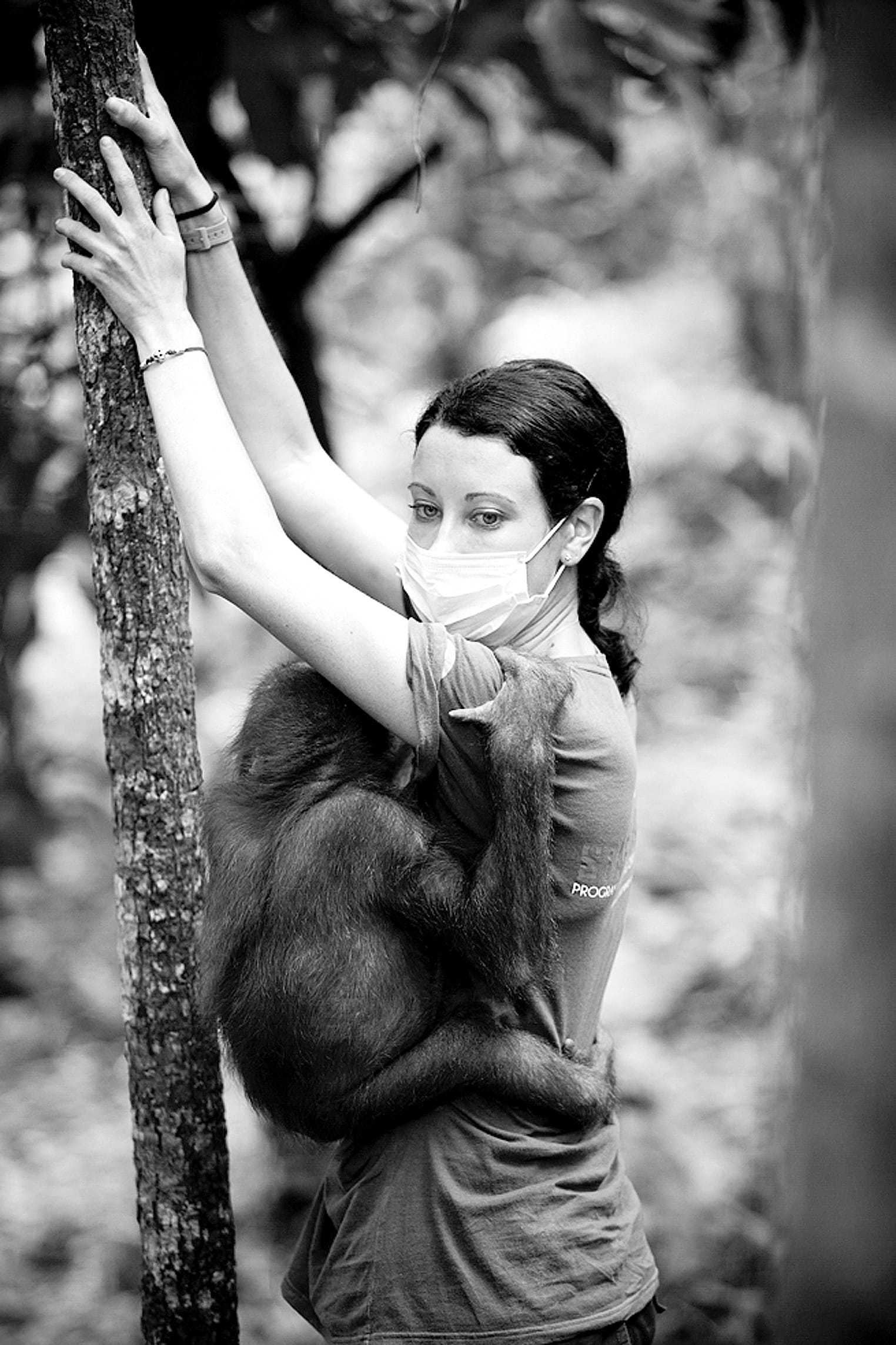
“I loved working with primates and great apes, my passion and expertise.”
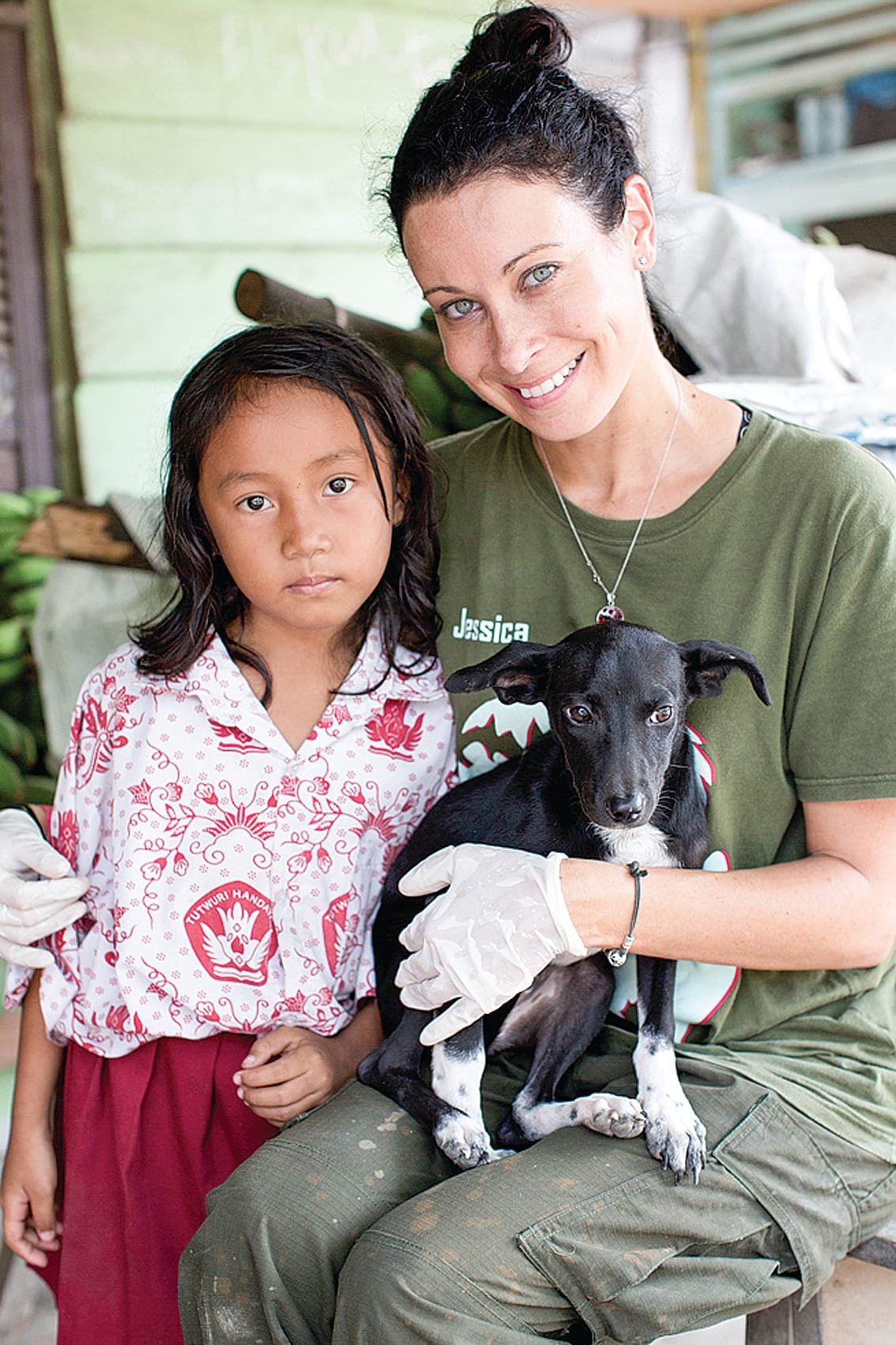
Every spare moment Jessica got she would travel to Indonesia and work in orangutan rehabilitation centres, where she developed a network of contacts.
“I used to present at conferences and in congress in Indonesia on primate welfare, and, at the time, I was the youngest Australian to receive the Fellowship Award to the International Specialised Skills Institute, funded by the Pratt Foundation.
“I went off for six months to further explore strategy in conservation agencies; working on human elephant conflict throughout Indonesia.
“I worked with some of the best organisations like Wildlife Conservation Society, Nature Conservancy, and Flora and Fauna Conservation, and got a really good understanding of how they develop their strategic plans to deal with core human wildlife issues, and conflict issues.
“At the same time, I used my background expertise working with orangutans that had also come from conflict areas, I like to say, ‘they’re refugees of their own forest – they’ve been displaced’, as case studies.
“I came back home and decided ‘it’s not for me in Australia’ and threw it all in.
“I got paid long service leave and went back to Indonesia to spend six months. I got a job working in North Sumatra and ended up in Aceh as the Sumatran Orangutan Conservation Programme Quarantine and Pre-release Supervisor for orangutans.
“I thought I would be there for one year and ended up working in Indonesia for six years on orangutan conservation and habitat protection in North Sumatra, Aceh and West Kalimantan.
“I worked on human rights issues around land, forest protection, and making sure it wasn’t going to get sold off to palm oil companies to bulldoze – but I was starting to miss home.”
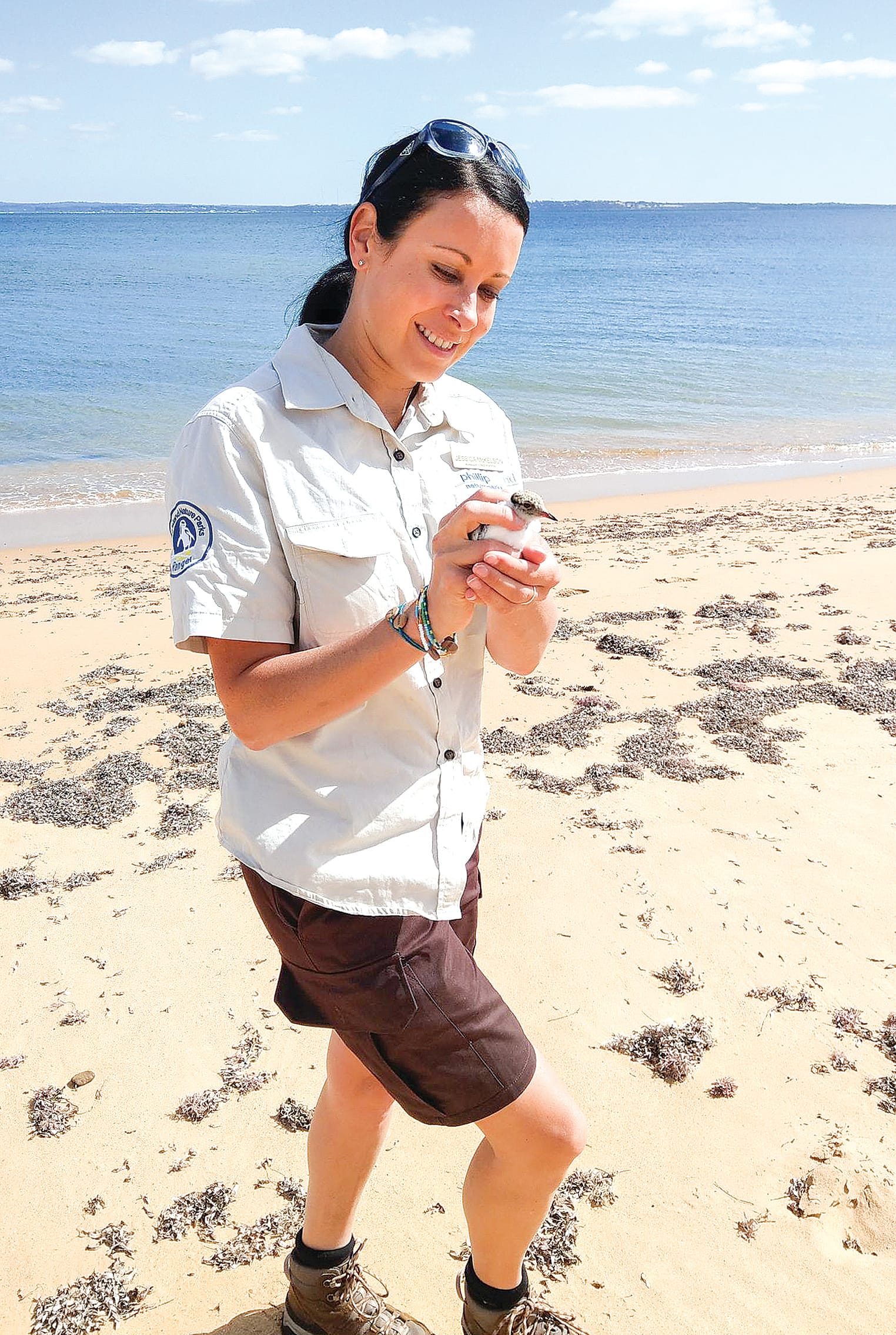
Learning an array of skills working with the best scientists and international organisations, Jessica headed back to Australia where she landed her current role as Conservation Manager at Phillip Island Nature Parks and has been for the last five years.
“I love working here, I’ve learnt so much from such a great team.”
COVID has however, put a dampener on Jessica’s travel plans and nearly kept her overseas.
“I had 16 people travelling with me on a primate-based tour. I took them successfully through Uganda, down into the Congo to see some of the world’s most critically endangered primates – it was all at your own risk, these are not just places people get up and go.
“We did a tourist loop in Southern Madagascar, and I was meant to take them up to Northern Madagascar, we knew countries were closing down over COVID, but we thought we had another week, we had two days to get back to Australia.
“I didn’t care where we were, as long as we landed on Australian soil; and then the world changed.”
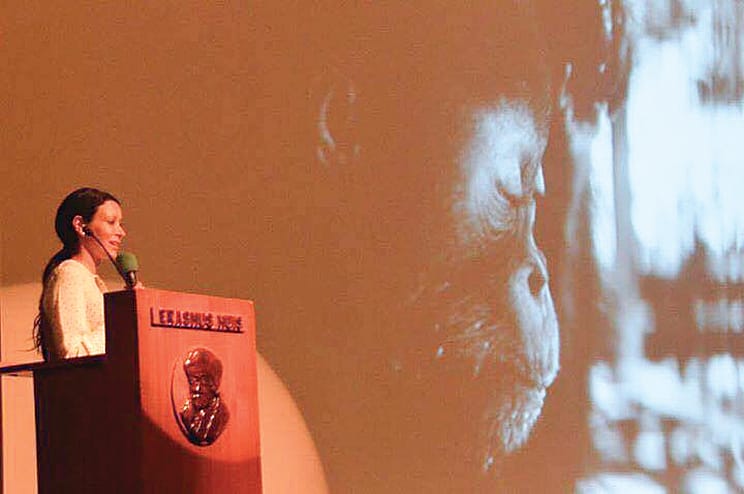
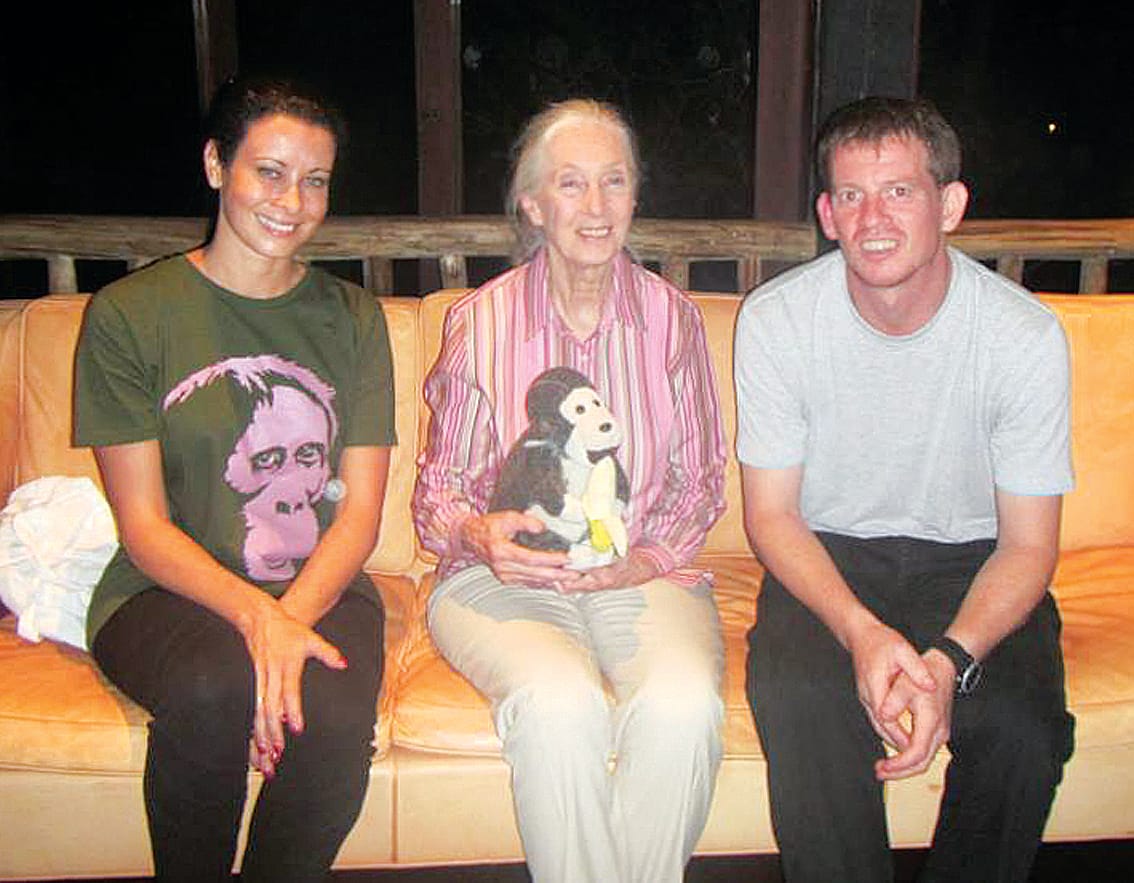
As the world unravels, Jessica is proud to be a part of Phillip Island Nature Parks hosting The Island Ark Symposium VII.
“It’s quite special – it will be our first conservation event in the new penguin parade building, and I find it such a great opportunity to share collective knowledge on island conservation and island values.
“We’re so unique because we co-inhabit an island with all these beautiful values, like the penguins.
“It’s a great place to show other island communities how we do it and the challenges faced.
“We’ve got people from the Pacific nations coming, a keynote speaker from French Polynesia, and we’ve got a number of people from Lord Howe Island talking about conservation efforts and the challenges that they’ve had with biosecurity, trying to restore ecological function back to their islands using rodent eradication, as an example, how that was a challenge, and what they’ve learned through that…
“I feel like it’s going to be a really busy week with some excellent talks and presentations; bringing together collective knowledge, wisdom, and making sure everyone has an opportunity to really connect and network.
“We’re so fortunate to have this island, along with French Island and the Wilsons Prom islands. The biodiversity values for islands within Victoria are so significant.
“The fact that people can live in these spaces. I’ve travelled a lot and I’ve seen so much poverty and conflict and loss, and quick loss of ecosystem functions, from land clearing and farming or unsustainable water resource, whatever it might be, and we’re just so unique, because we’ve got this amazing environment right here.”
And a life in the densest jungles and alongside some of the most incredible primates has brought a few incredible memories.
“I was able to successfully release 26 orangutans back to the wild,” Jessica smiled.
“There’s a lot of time and energy that goes into rehabilitating of those animals, but when I did the post monitoring up in Aceh in the middle of the jungle, I came across four that I’d released two years before.
“One of them came down and embraced me, she recognised me. In the middle of nowhere, that was really special because they don’t forget.
“I’ve rescued probably close to 180 orangutans from really bad places with my team.”
Closer to home was the bushfire koalas.
“Participating in that program and releasing 12 back to the wild using all the things that I’d learned through primate rehabilitation; we applied similar principles to koalas that worked so well – that was an outstanding achievement for the team.”
Jessica is also passionate about teaching individuals, and more specifically mentoring women through Jungle Sistas – not just in conservation but women who need support or direction.
“I’ve had so many experiences in my industry around gender inequality and had to really fight to get to where I am and some of the positions that I’ve been in, and I’ve learned a lot along the way.
“Supporting women that want to do something positive. I’ve been able to mentor over eight women internationally and they’re all now leaders in their field.”
One of her major focuses now – pollution and educating the population.
“Our pollution – everything has an impact. We see so much plastic pollution, and pollution in general, when we go to Seal Rock, fishing line would have to be one of the worst welfare issues for seals.
“We’ve had seals entangled in bait bags; penguins take rubbish to their burrows to lay eggs on.
“Pick up rubbish when you go for a walk on the beach; pick it up with your dog poo bags.
“It’s our responsibility to take responsibility – it’s our asset for the future.
“Once it’s gone, it’s gone, you can’t recreate it somewhere else.”


