

Poo power defies the global energy shock
A Gippsland poultry farmer may have discovered the perfect solution to help local farmers beat soaring power bills by turning poultry manure and dairy waste into clean energy.


LOCAL dairy farmers facing the perfect storm of volatile commodity prices, chronic labour shortages, and increasingly variable weather conditions have been given a ray of hope in the fight against soaring energy prices.
A Toongabbie poultry farmer may have discovered the perfect solution by turning poultry manure and dairy waste into a highly lucrative, multi-stream clean energy enterprise.
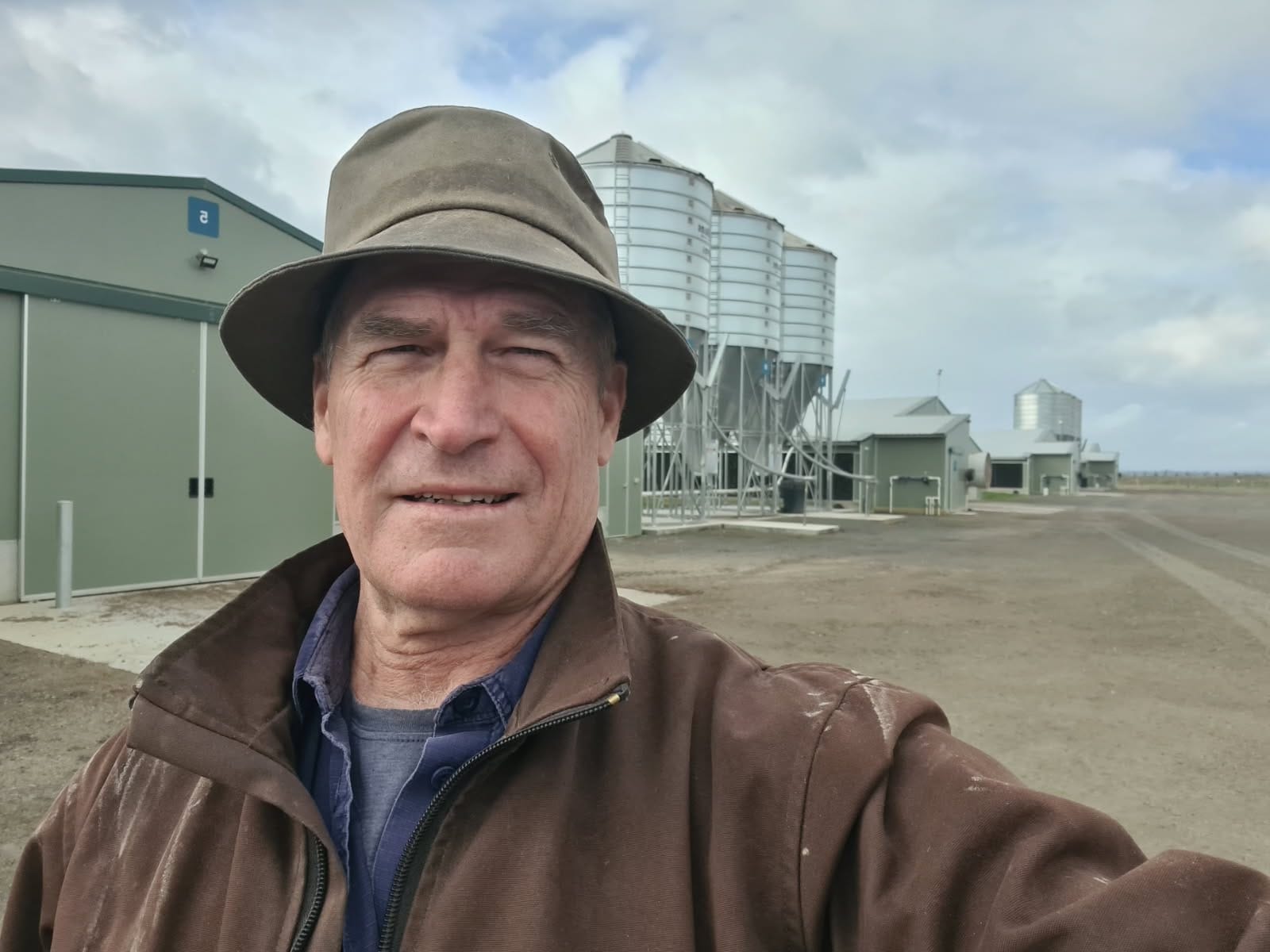
Broiler farm operator Chris Freney plans to take control of his own energy security by embedding innovative renewable systems directly into his daily operations, effectively decoupling the businesses from volatile global energy markets.
Mr Freney is proving that on-farm renewables including dairy manure can do far more than just lower a standard electricity bill, they can entirely redefine a farm's revenue model while safeguarding farms against international energy shocks.
The successful broiler farm operator has designed a sophisticated circular system engineered around three separate, highly profitable revenue sources, all derived from poultry litter. At the core of the system is anaerobic digestion.
Methane produced through the digestion process fuels a specialised internal combustion engine, generating approximately 8.5 megawatts (MW) of dispatchable electricity. The second revenue stream comes from capturing the carbon dioxide released during this digestion process. The third stream recovers valuable nutrients from the remaining organic material to support local algae and spirulina production, creating vital ingredients for natural food dyes.
“I make about 10,000 tonnes of litter every year,” Mr Freney said. “The system has been designed for 35,000 tonnes, so we'll be looking to secure an additional 25,000 tonnes from other poultry farms in the region.”
By sourcing extra waste from his neighbours, Mr Freney is not only solving a regional waste management issue but also scaling his power output to target the most profitable segments of the Australian energy market.
Crucially, this bioenergy system addresses the intermittency flaws inherent in other popular renewable sources like commercial solar and wind. It provides a consistent, controllable supply of power that can be fed into the grid exactly when the system needs it most.
“Our focus is a reliable 5pm to 11pm supply,” Mr Freney explained. “We can provide this 365 days a year. We're focusing on the things solar and wind can't do. There is a premium in the market for reliable power during those evening peak periods.”
This strategic focus has ensured maximum financial returns, allowing the farm to capitalise on high peak-hour electricity prices while maintaining total energy independence during high-demand periods.
Mr Freney remains incredibly optimistic about the timeline of the project, with construction and commissioning slated to begin before the end of the year.
Innovators like Mr Freney have demonstrated that the intersection of agriculture and clean technology is a vital frontier for national resilience. As global conflicts continue to threaten traditional fossil fuel stability, the move toward self-sufficient, climate-smart farming is accelerating.
Mr Freney and a panel of leading primary producers will be sharing their insights at the upcoming National Renewables in Agriculture Conference and Expo on August 12.


