

See how my garden grows
FROM a home food garden, featuring self-watering Biofilta Foodcubes in Bass Coast, to a 2000m2 rooftop landscape garden high above a Melbourne CBD carpark; literally no job is too big or too small for the folk at The Sustainable Landscape Company...


FROM a home food garden, featuring self-watering Biofilta Foodcubes in Bass Coast, to a 2000m2 rooftop landscape garden high above a Melbourne CBD carpark; literally no job is too big or too small for the folk at The Sustainable Landscape Company (TSLC).
As Landscape Architect at TSLC, Kate Pospisil said recently about a South Gippsland house project she’s been working on: “Everyone should have a food garden, because of the way it connects you to your garden space, and your garden space to the inside of your house”.
A great place to see what’s possible with a home food garden is at The Cape eco village at Cape Paterson.
And what better time to have a look than this weekend, during the Bass Coast Edible Gardens Weekend, Saturday, February 4 and Sunday February 5, when 15 inspiring edible gardens, including private and community gardens, will be throwing their gates open, including the Community Farm at The Cape.
Go to https://www.basscoastediblegardens.com/ for details and tickets.
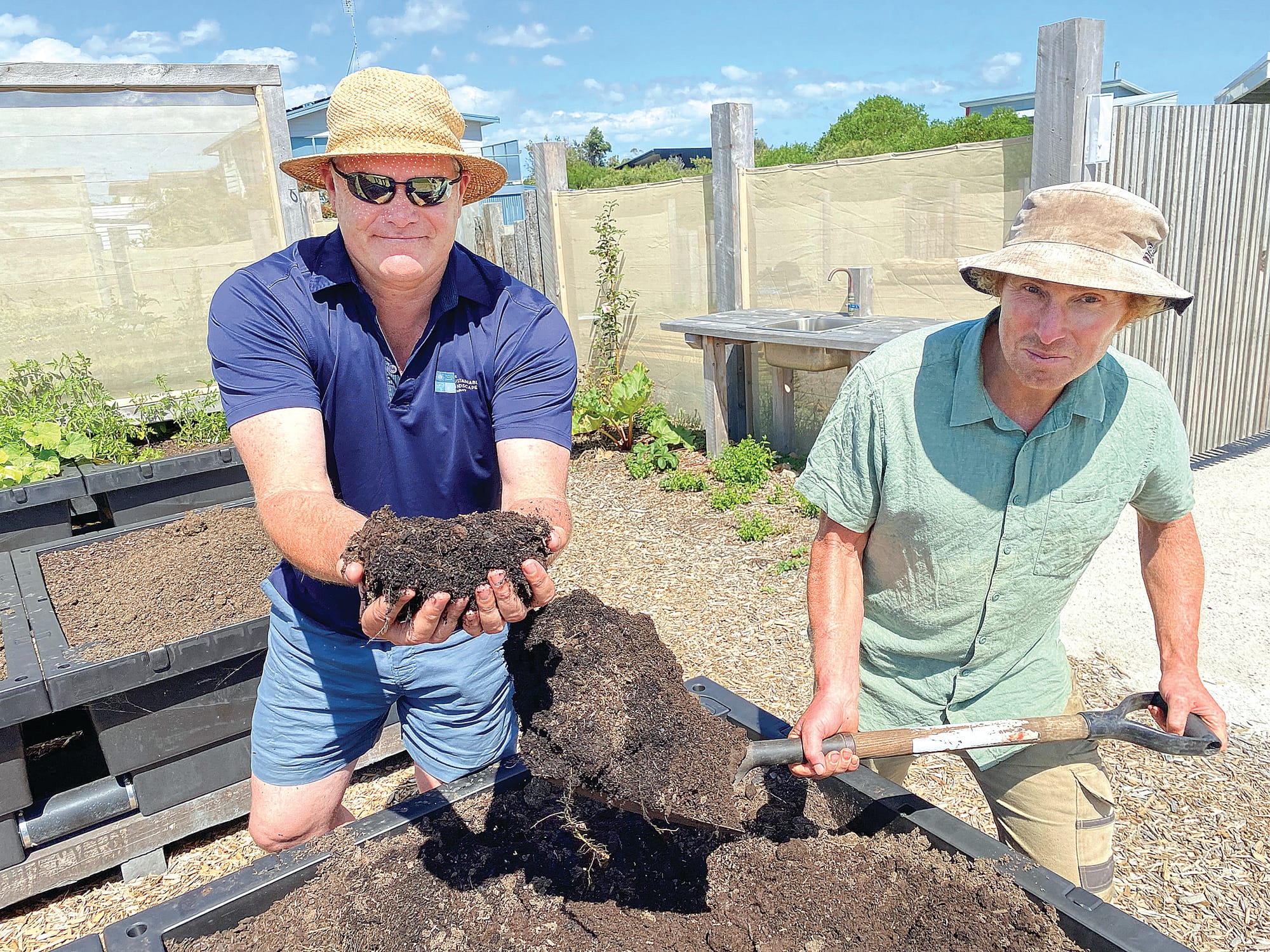
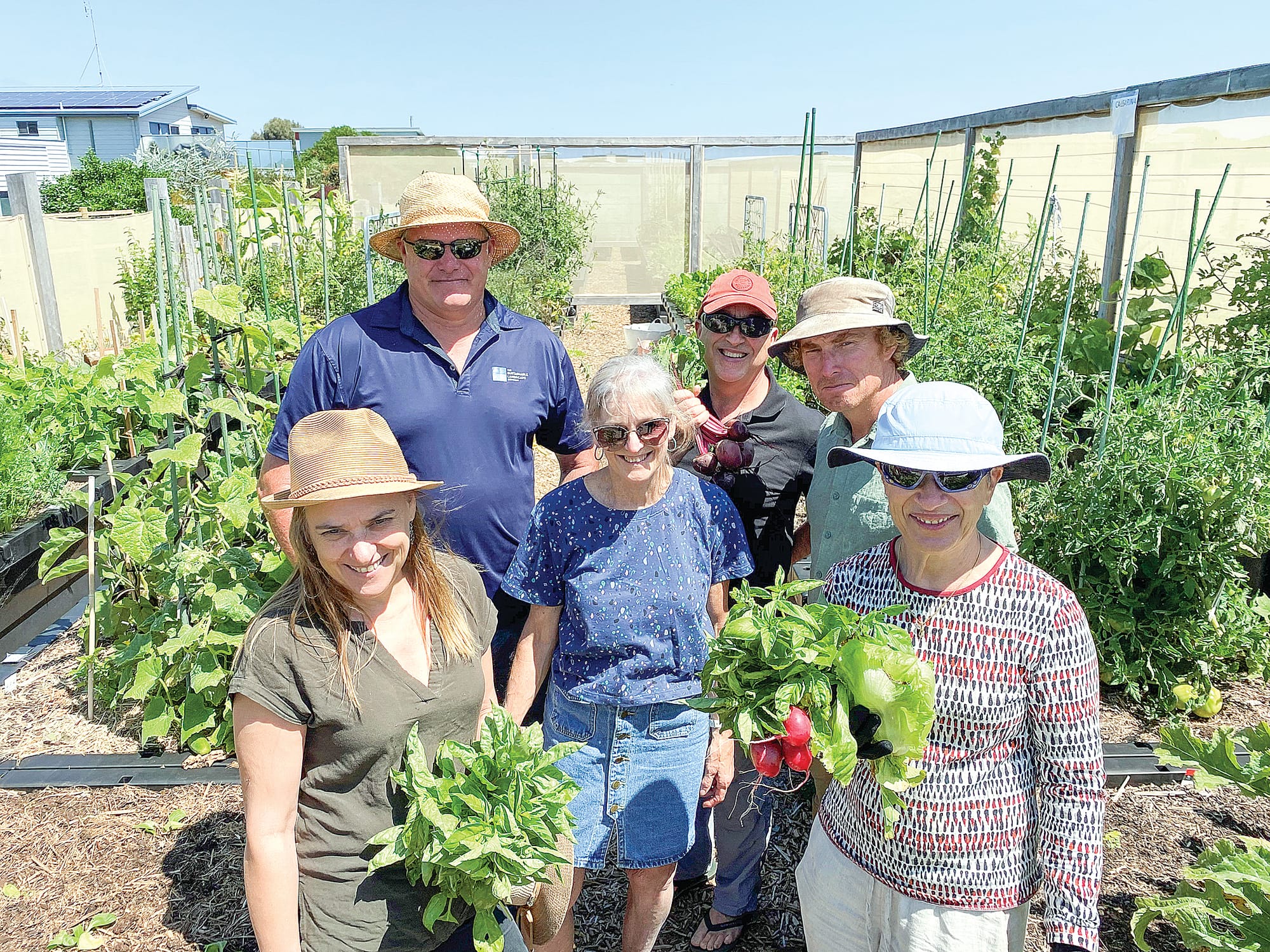
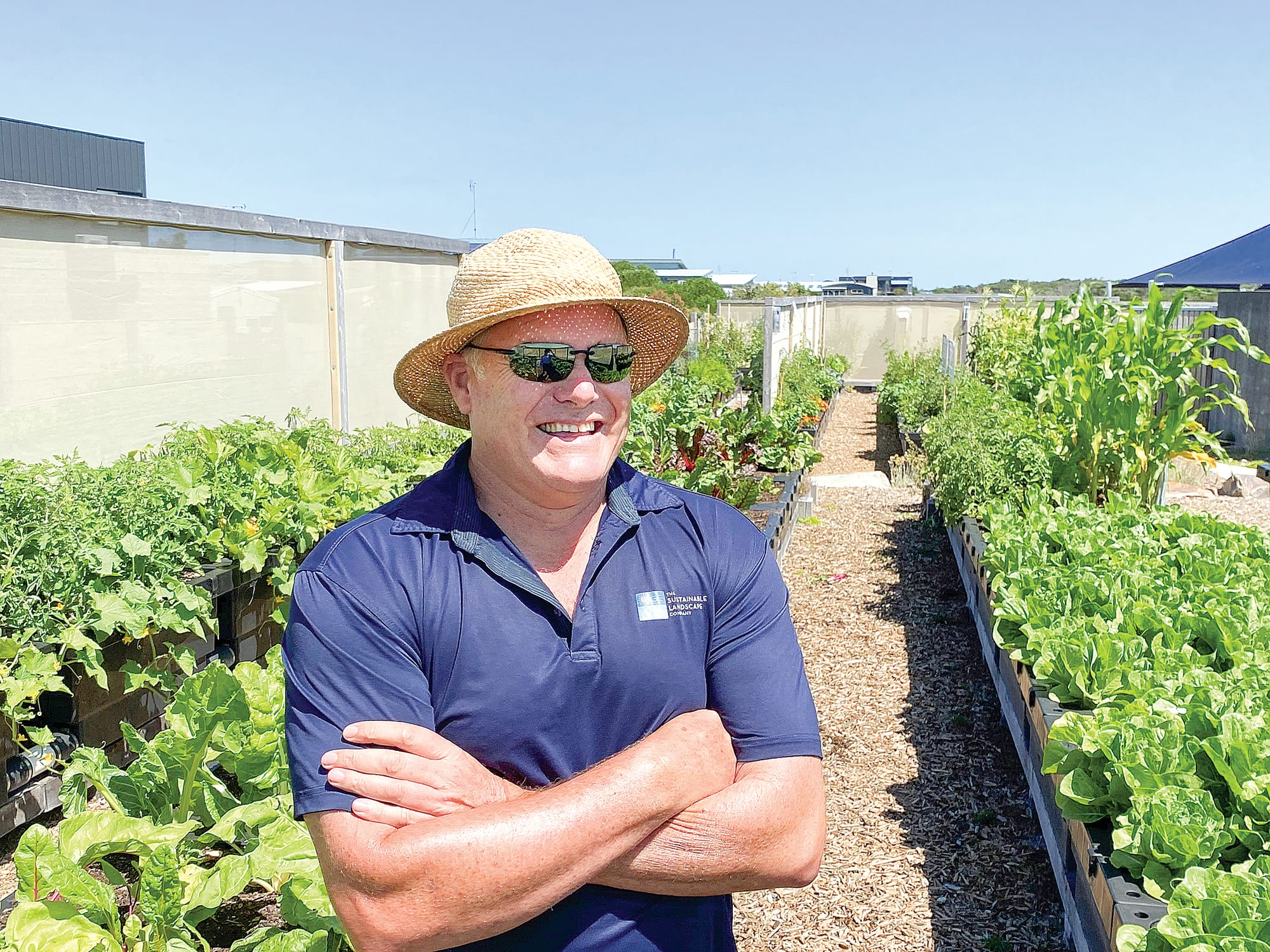
The Sentinel-Times took the opportunity this week to visit The Cape Community Farm and found it to be absolutely flourishing under the direction and support of farm manager and local community garden guru, Adrian James, in cooperation with the residents of The Cape and other Cape Paterson locals who have come on board as members with their own food-production, raised vegie beds.
“When I started we had a beautiful landscape and system designed for a great community farm, we just needed the people and the produce,” said Adrian.
“Together with the 65 members we have now, we’ve been able to activate the community garden and we’re looking to double that number with residents from The Cape and anyone within a 10km radius who is interested in joining.”
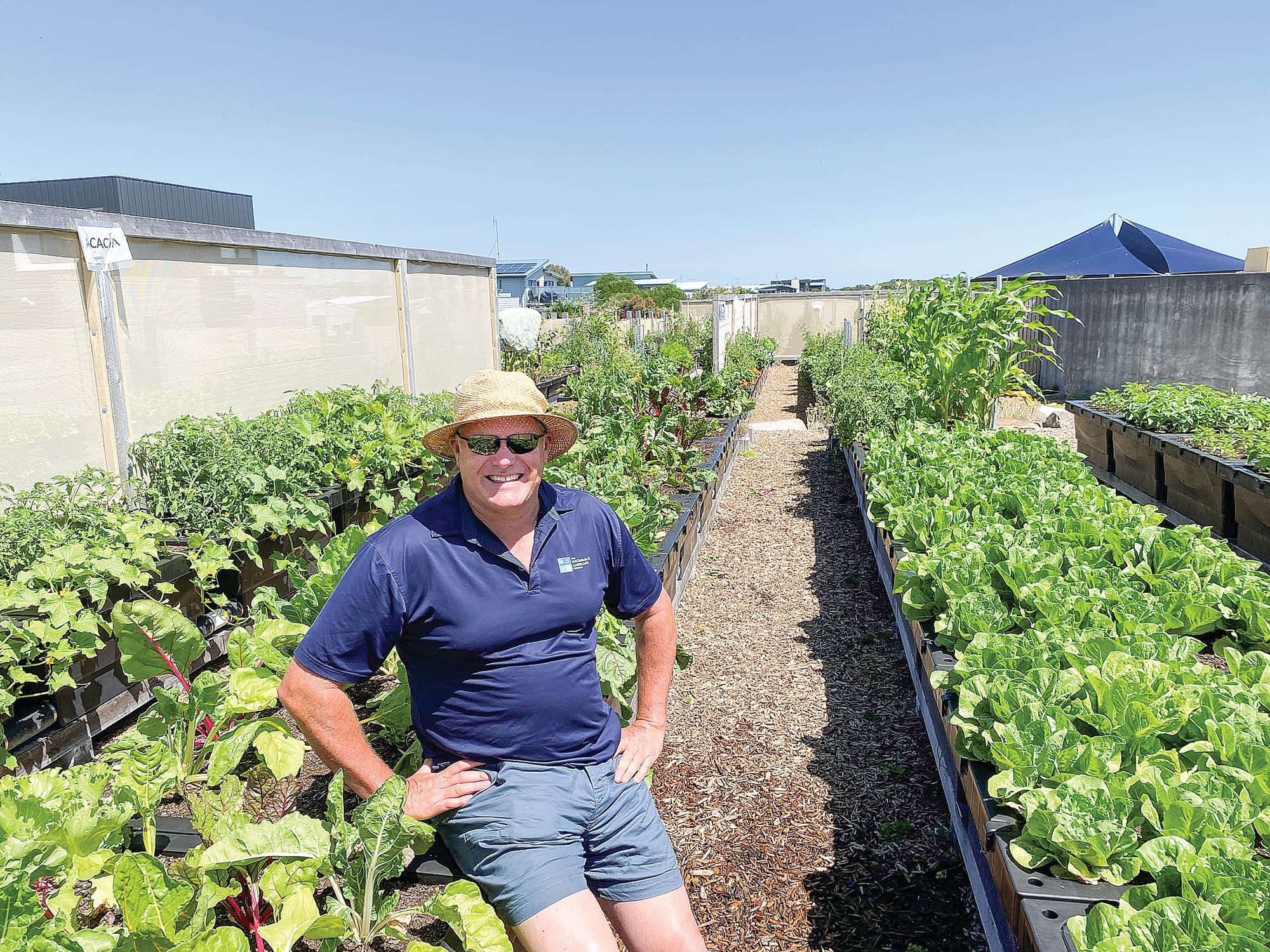
He’s not kidding. The self-watering Biofilta Foodcubes used to grow the vegies are positively groaning with superb produce, with regular working bees and workshops all part of the plan.
As part of the highly innovative, highly efficient, fully sustainable residential development, The Cape Community Farm is connected with all the systems in the estate, including stormwater collection and organic recycling for garden compost, to support an area of highly productive garden beds, producing produce for the residents and also for sale as part of a market garden and commercial initiative to pay for future inputs.
These include hosting music and community events and also welcoming schools, garden groups and others for education and exchange.
President of the residents community garden group, Heather Allen, is delighted with what the garden group has been able to achieve so far, but also with her own success in the garden.
“Have a look at these. They’re my first sweet corn,” says Heather, brandishing a handful of plump, juicy corn cobs ready for the table.
A resident of Cape Paterson for 15 years, Heather watched the development of The Cape project and a few years ago bought her own block and built a home there with TS Constructions.
“It’s got all the efficiency technology and we’ve never used the air conditioner,” she said.
But it’s the involvement in the community garden, and the opportunity to learn from Adrian and share ideas with garden members, plus the project’s plans, that are really exciting her interest.
“I see the farm not only as a place where members can grow their own food, but one where they can learn, teach and share skills and knowledge. This means no matter where one is on their journey of food growing - whether a complete beginner or one with lots of experience - they can enhance their knowledge and reap the many benefits.
These include but are not limited to reduced food costs, greater social connectivity and a reinvigoration of the concept that the sharing of food (whether it be through growing, cooking or eating together) can have a significant impact on our social cohesiveness.
This is so vital to everyone’s mental and physical health which took a real beating over the past two pandemic years.”
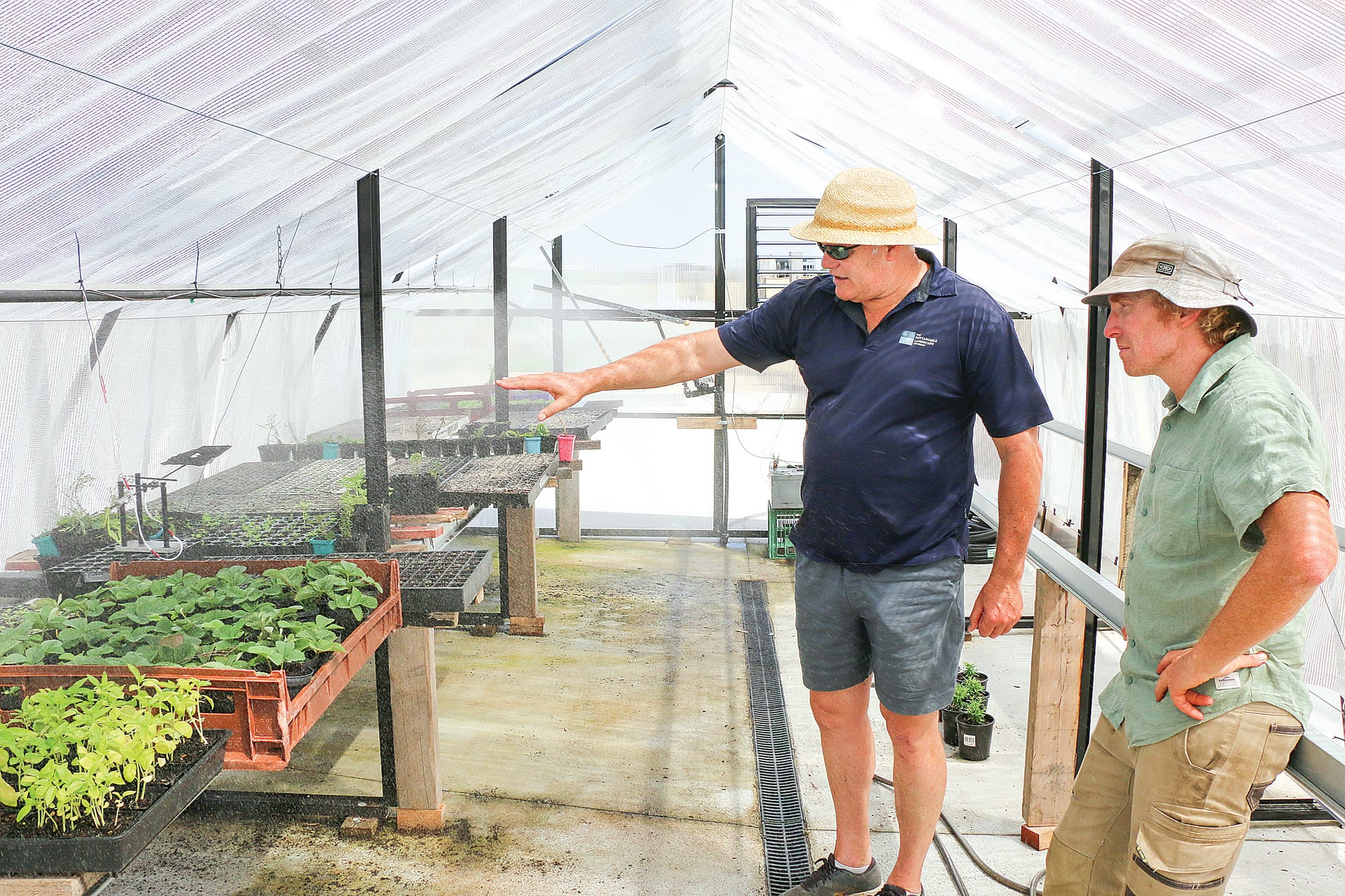
After adding the all-important compost hub and a hot-house for seedling propagation, there are plans for a new farmhouse building and propagation shed where members can not only work under cover when necessary, but also host visiting groups for education and events.
Developer of The Cape, Brendan Condon, a director of The Sustainable Landscape Company which designed The Cape’s highly innovative and connected landscape project, including the Community Farm and also the founder of Australian Ecosystems, says the Community Farm has become the most important part of the whole project for him.
“The farm currently has close to 500 square metres of water efficient raised wicking garden beds in production, which are linked together in long rows to make watering easy,” said Brendan.
“Wicking beds are an Australian invention and are more water efficient than traditional vegetable growing or conventional raised garden beds.
He said the farm is an incorporated not-for-profit organisation which would eventually be self-sustaining financially as well as environmentally.
“The farm also has perimeter fruit trees and perennial herb beds, social spaces, composting areas that is receiving nutrients and manures from local farms in Bass Coast, and a nursery that is already growing thousands of seedlings that will be available for sale in the future.”
The farm was designed and built by The Sustainable Landscape Company. You can follow the Cape Farm at www.facebook.com/thecapefarm


