

Wonthaggi desal activation will boost flagging local supplies too
It's all about Melbourne’s water supply sinking to a concerning 78.6 per cent of capacity but the decision taken by the State Government to kick-start operations at the Wonthaggi Desalination Plant is also good news for Bass Coast and South Gippsland water users.


IT’S all about Melbourne’s water supply sinking to a concerning 78.6 per cent of capacity but the decision taken by the State Government to kick-start operations at the Wonthaggi Desalination Plant is also good news for Bass Coast and South Gippsland water users.
The government announced this week that Water Minister Gayle Tierney has ordered 150 billion litres of water from the Victorian Desalination Plant following the lowest metropolitan storage levels in more than six years.
Storages in Melbourne and Geelong have seen the steepest annual decline since the Millennium Drought, said the government this week.
But water levels at the Candowie Reservoir, which supplies Phillip Island, San Remo and the Waterline towns, was also comparatively low at 55% of capacity at the end of March 2026.
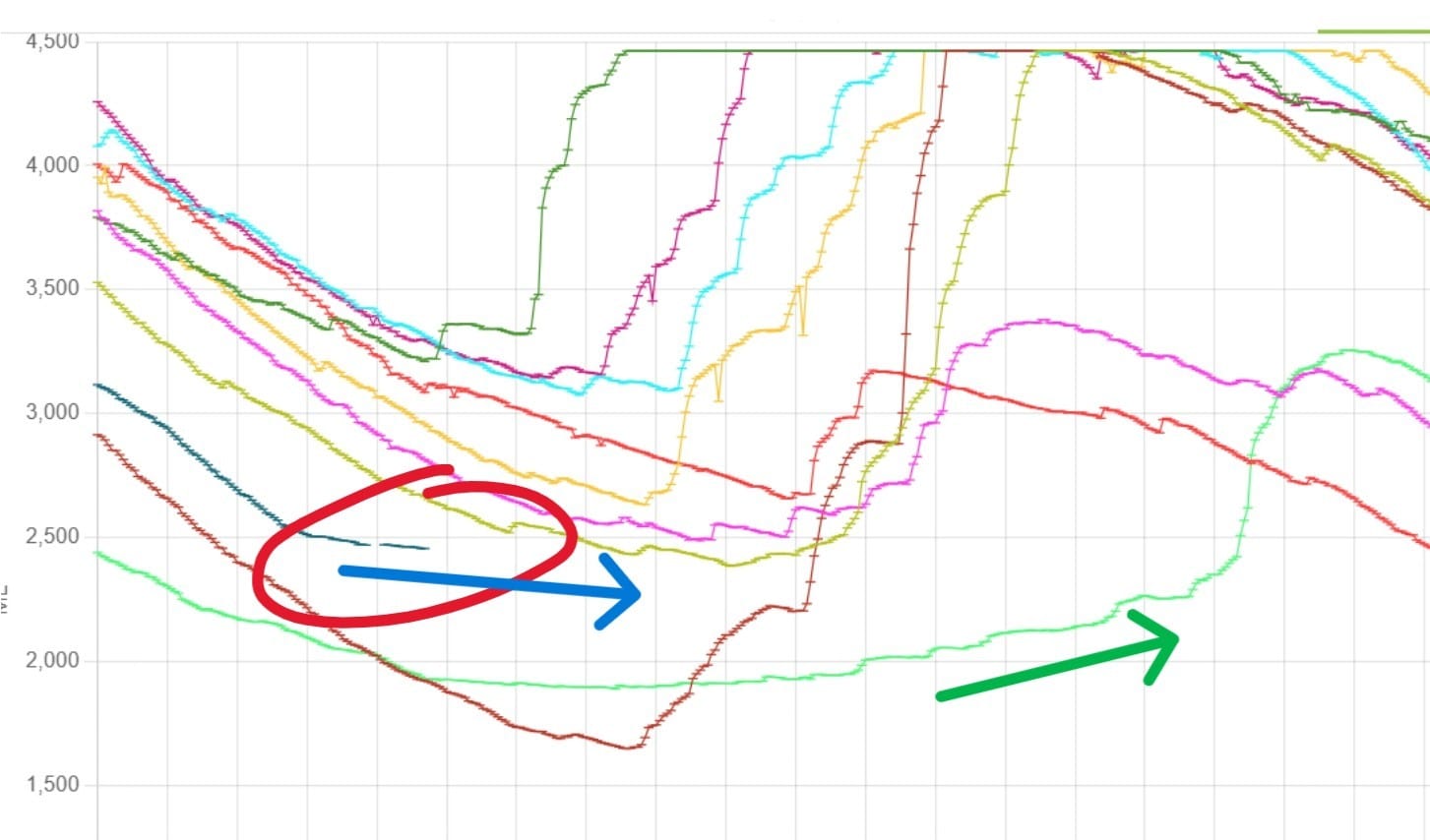
Melbourne’s storage levels are 67.7 per cent lower than this time last year at 78.6 per cent and Geelong’s have dropped to 37.5 per cent.
“Labor is delivering more drinking water to help prevent water restrictions for Melbourne, Geelong and parts of Gippsland,” said Minister Tierney.
“We will continue to invest in projects that maintain high-quality, reliable, and affordable drinking water supplies across Victoria.”
The order is based on independent advice from water corporations which considers storage levels, future demands and expected rainfall.
Regular desalinated water orders are a normal part of Melbourne’s drinking water supply and support surrounding regions including parts of Gippsland, Phillip Island and Geelong.
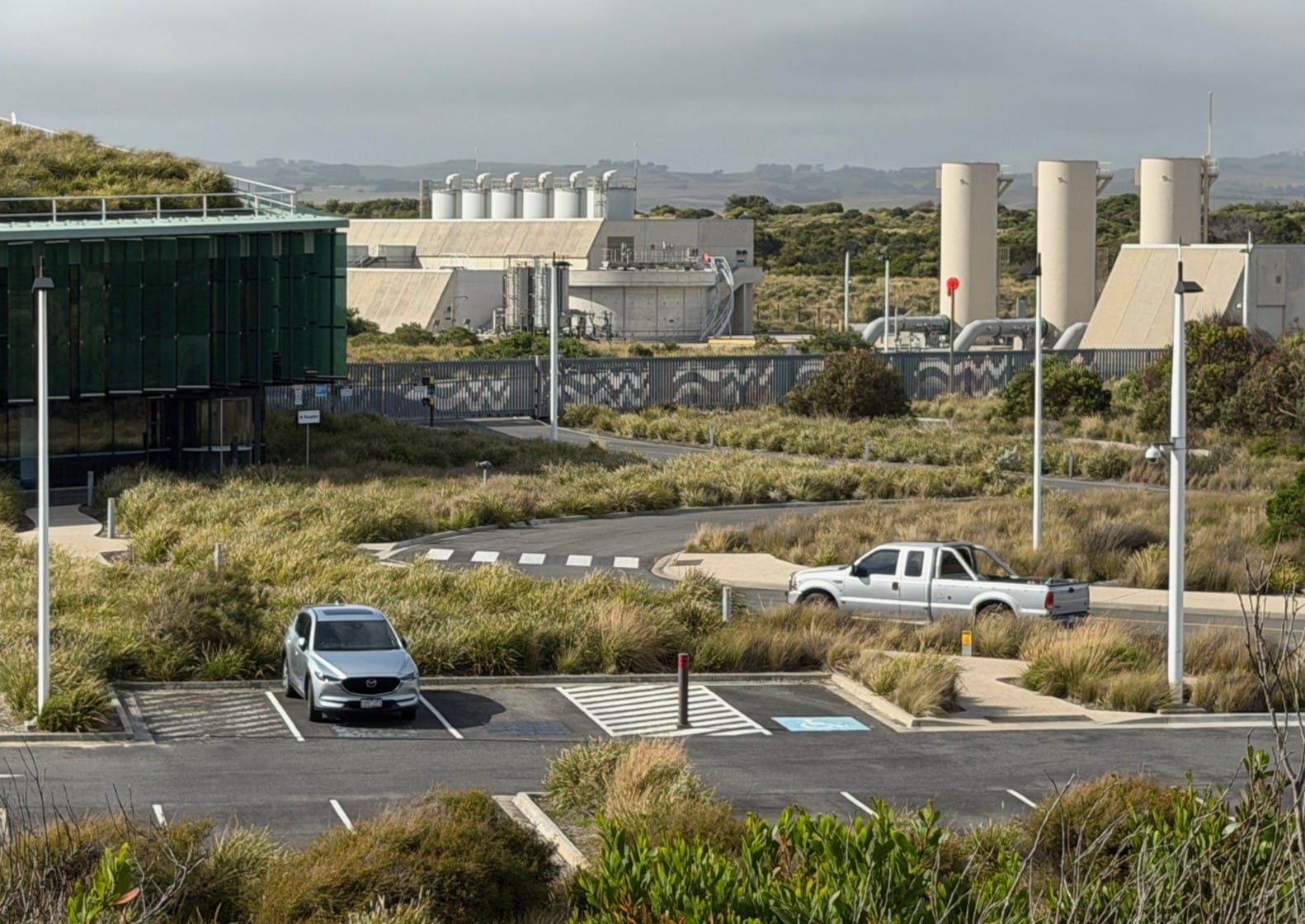
The Victorian Desalination Plant can provide up to one-third of Melbourne’s annual water demand.
Melbourne will continue to have the lowest water prices of any Australian capital city.
The plant was opposed by the Liberals. Without it, right now our storages would be at critical levels.
The plant has delivered over 500 billion litres of drinking water since becoming operational and helped prevent costly water restrictions across Melbourne, Geelong and parts of Gippsland.
Phillip Island water low
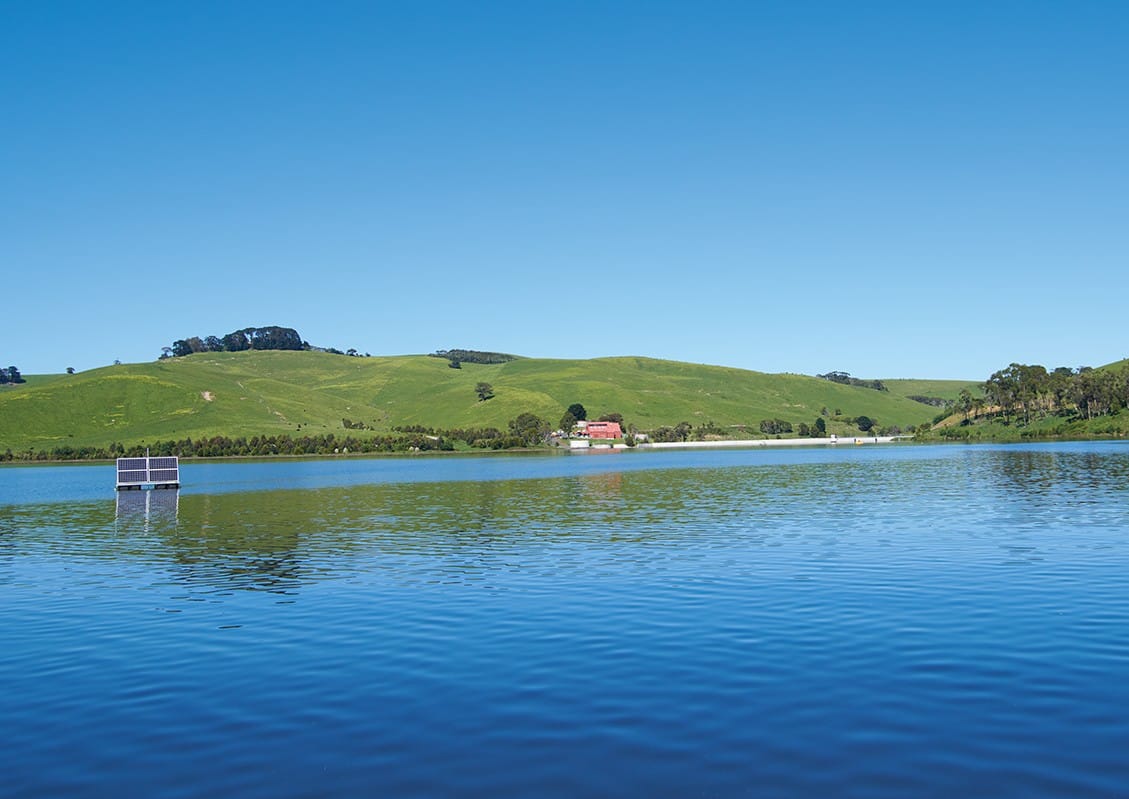
The level of drinking water available to Phillip Island and San Remo, admittedly at the end of peak demand and before the months of traditional replenishment, was siting at 55 per cent of capacity at March 31, at 2455ML compared to a capacity of 4463ML.
This represents almost a year of supply, without any inflows, and is also above the trend line of 2025 but Candowie can expect to receive some supply from the desalination plant to top up levels.
Leongatha water supplies
Meanwhile, the main reservoir supplying the towns of Wonthaggi, Inverloch, Cape Paterson, Korumburra, Poowong, Loch and Nyora, at Lance Creek, is sitting at 72 per cent of capacity.
While this is a healthy level of supply, Lance Creek might also be favoured by some supply from the desalination plant.
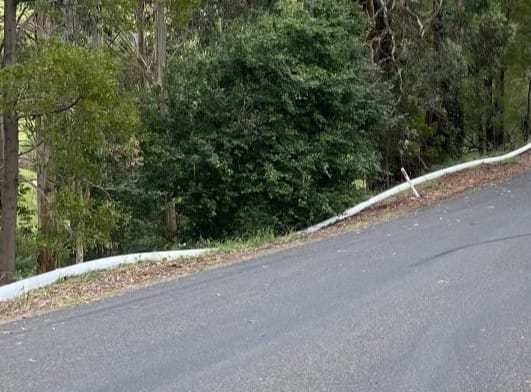
Some of that water might also find its way to Leongatha through the temporary pipeline that currently connects Korumburra to Leongatha.
Leongatha’s reservoir at Ruby Creek, sits at 54 per cent of capacity and it the subject of temporary support measures.
“To help secure the local water supply in the short term, SGW has implemented a supplementary water option that involves transferring water from the disused Korumburra reservoirs to the Leongatha storage,” said South Gippsland Water in December 2025.
“This is being achieved through the construction of a temporary, above-ground pipeline approximately 8.5 kilometres long, extending across several private land parcels and sections of council road reserve. The pipeline carries untreated (raw) water and is part of an emergency water supply measure.
“While this temporary pipeline helps address short-term needs, engineering investigations and planning for a long-term water security solution are also underway. These are expected to be completed within the next five years to ensure a resilient and sustainable water supply for the region into the future.”


