

Density caps in hospitality; testing rules change
IN THE biggest change to the COVID-19 testing system since the beginning of the pandemic, Victorians won’t have to line up to get a PCR test and wait for their result to be diagnosed with COVID-19.


IN THE biggest change to the COVID-19 testing system since the beginning of the pandemic, Victorians won’t have to line up to get a PCR test and wait for their result to be diagnosed with COVID-19.
Under new pandemic orders that come into effect at 11.59pm tonight, people who test positive on a Rapid Antigen Test (RAT) will be considered probable cases and be subject to the same requirements as confirmed cases from a PCR test – they must isolate immediately for seven days and notify their contacts.
It will be mandatory to report the result of a positive RAT to the Department of Health through an online form or by phone.
Once a probable case has reported their positive RAT result, they will be asked questions about their symptoms and directly provided critical information about their next steps, how long they must isolate and how they can get care and advice – just as they would if they tested positive on a PCR test. Probable cases will be reported alongside confirmed cases in Victoria’s daily numbers.
Until RATs are in increased supply, Victorians who have symptoms, or asymptomatic household contacts required to use RATs, can still get a PCR test if they can’t access any RATs.
Moving forward, this change means PCR testing can increasingly be reserved for confirmation of clinical diagnoses in vulnerable settings and critical workforce testing.
A PCR test continues to be recommended for people who test positive on a RAT but don’t have symptoms and who aren’t contacts. Due to the increased accuracy of RATs in higher-risk groups, PCR tests will be discouraged for contacts or people with symptoms.
The online and phone reporting system will go live on January 7. The process includes a series of simple questions including a symptom check for triaging care. Privacy will be protected, and translation support will be available through the Coronavirus hotline.
Hospitality restrictions
In addition, the new pandemic orders require that a density quotient of one person per two square metres be introduced indoors at hospitality venues, including restaurants, cafés, pubs and nightclubs along with along with entertainment venues including arcades and amusement parks, casinos and gaming venues across Victoria.
This change is similar to the measures already in place in New South Wales and aims to reduce the risk of superspreader events in these settings. It is also recommended that entertainment and hospitality venues and their patrons opt for seated service only and avoid indoor dancefloors.
Aged care, hospitals
It is strongly recommended that if possible you undertake a RAT prior to visiting aged care facilities or hospitals. The strong recommendation to work from home and study from home for adult education if you can will remain in place until Australia Day – this will continue to be assessed.
Non-urgent elective surgery will temporarily be reduced for public and private hospitals in metropolitan Melbourne and major regional cities across Victoria.
All emergency surgery and urgent elective surgery will continue. Elective surgery procedures where the patient is already scheduled for admission on January 6 and 7 may still occur where it is not safe or logistically possible to postpone.
RATs
Yesterday, free RATs were successfully distributed at four of the state’s largest testing centres as part of a pilot which is continuing today and tomorrow – while Victoria awaits the arrival of the first significant delivery of the 44 million ordered tests.
More information on how Victorians can report their Rapid Antigen Result will be on the Coronavirus website from January 7. Information on updated COVIDSafe settings will also be published when the orders come into effect. Remember to book your third dose, or your child’s first dose, at coronavirus.vic.gov.au/vaccine.
Pandemic orders
The pandemic orders were made under s165AI of the Public Health and Wellbeing Act 2008 after consideration of advice from the Acting Chief Health Officer.
The pandemic orders were issued under powers granted by the making of a pandemic declaration under the Public Health and Wellbeing Act on December 10. They are in effect for four weeks, and then for three months for every subsequent order.
The order, the CHO advice, the Minister’s Statement of Reasons and the Human Rights Statement will be published on the Department’s website within seven days of the orders coming into effect.
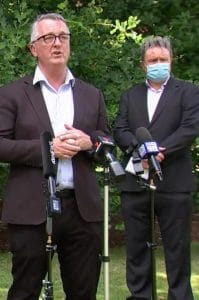
Speaking about the changes on Thursday, January 6, Health Minister Martin Foley said 700,000 rapid antigen tests, of the 44 million on order, would arrive in days. He said the reintroduction of 1:2 metres was a modest change in recognition of the rapid spread of the Omicron virus, especially among young people, with 20-year-olds making up 40 per cent of today's new positive cases. He said 1:20 20-year-olds in the state were likely positive.
“We'll be signing pandemic orders that recognize people with a rapid antigen test as a probable case, as a new description in pandemic orders, but what it will mean is essentially they will have precisely the same obligations and the same rights as someone, whether it be for clinical support, whether it be financial support from both the state or the Commonwealth, and a whole range of other opportunities to be part of that primary health care response, to keep them safe as they work through their infectivity," Minister Foley said.
"Essentially, this new category, based on the rapid antigen test, will be the same in the system as if you were diagnosed through a PCR system.
“These orders will come into effect as of 11:59pm tonight (Thursday, January 6), and Deputy Chief Health Officer Professor Ben Cowie will speak in more detail about how people who returned positive results based on a rapid antigen test will have that information captured and shared.
“The goal is to make sure that we have less time at testing centres and that as a result, people can focus more quickly on the thing that is most important, getting through that COVID infective period and getting better with the support you need as quickly as possible.
“We appreciate that at the moment, with the shortages of both rapid antigen testing and the difficulties in accessing the PCR system, that there are transitional issues that the Prime Minister referred to in his public comments. We are committed to working through those as quickly and as safely as we possibly can.
“Also from tonight, there will be further changes insofar as the density quotients arrangements apply in some areas of hospitality and entertainment. A density quotient of one person per two square metres will be in place for entertainment and hospitality venues, which is a similar rule that has been in place in New South Wales since before the New Year.
“The exception to this will be indoor seated cinemas and theatres where, because people are seated and masked, there are other factors at play that allow us to make this exception.
“We think this is a sensible change, particularly in the face of the continued huge growth in transmission particularly amongst young people. “Of yesterday's formal figures, 40% of those cases were people in their 20s and every indication is it's overwhelmingly from hospitality and related environments. Interaction in those hospitality and entertainment venues is close, it's crowded, it's active, and it's mobile. It's what young people do. And we don't begrudge them that.
“These relatively mild restrictions are about making sure that activity can continue, but it can continue in a less congregated and less active space when it comes to hospitality.”


