Artistic treasure turns up in Toora over Easter
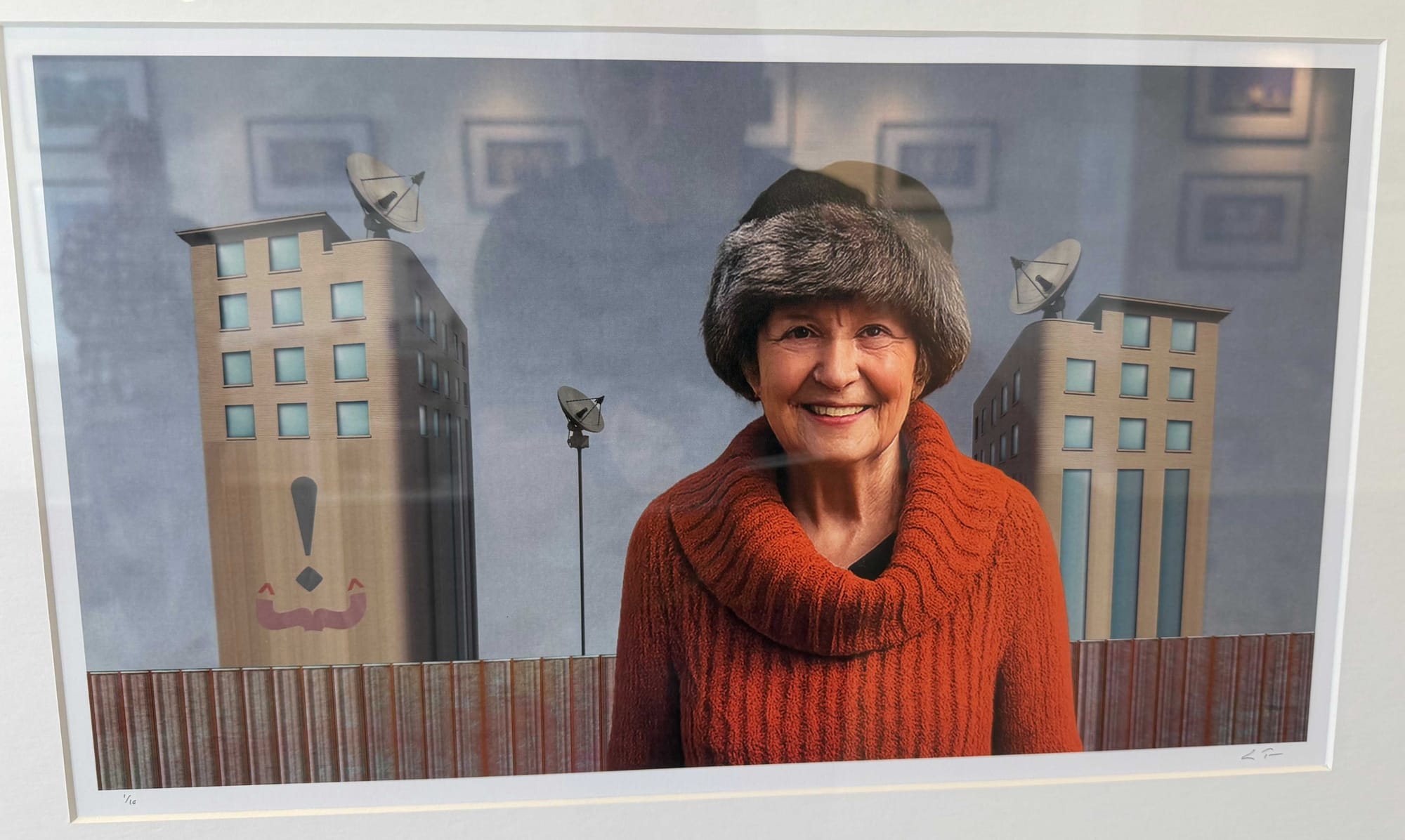
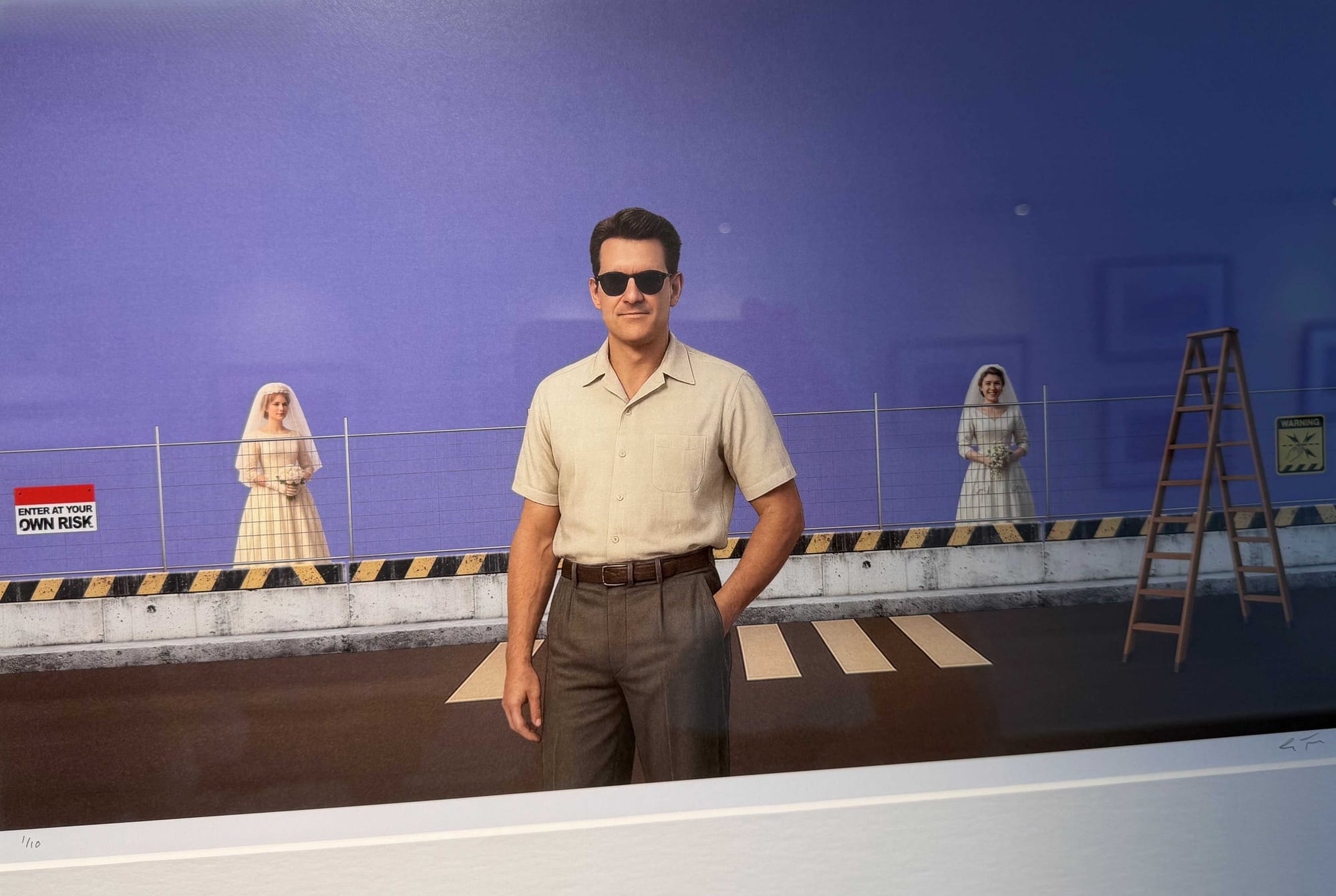
If you missed it over the Easter weekend, don’t despair. An exhibition of the ‘Lost photographs of Archibold Poad’, reworked by Foster artist Chris Tuttle, will continue at the Rare Earth Studio Gallery in Toora until the end of the month.


IF YOU missed it over the Easter weekend, don’t despair.
An exceptional exhibition of the ‘Lost photographs of Archibold Poad’, reworked by Foster artist Chris Tuttle with the latest in image enhancement and AI technology, will continue at the Rare Earth Studio Gallery in Toora until the end of the month.
Challenging the boundaries of what’s real, what’s imagined, what’s acceptable and what’s possible; while at the same time, saying something about being increasingly sceptical about what you see and hear, it’s kind of Mad Men meets Open AI in a slick presentation.
Gallery curator, Anne Roussac-Hoyne, was quite taken by the exhibition which officially opened last Saturday, April 4 at 2pm.
“It’s a digital collage but they’re all real people sourced from Chris’ grandmother’s photo album,” said Anne.
“He’s put it all together on his iPad and asked AI to write a story about them. The result is quite stunning. It’s a high-quality exhibition.”
The PR sums it up: “A rare opportunity to experience Poad’s striking images of suburban theatre, quiet rebellion, and mid-century Australian life. Join us in Toora this April to celebrate the rediscovery of a unique body of work.”
Here’s the flavour of the photos and text:
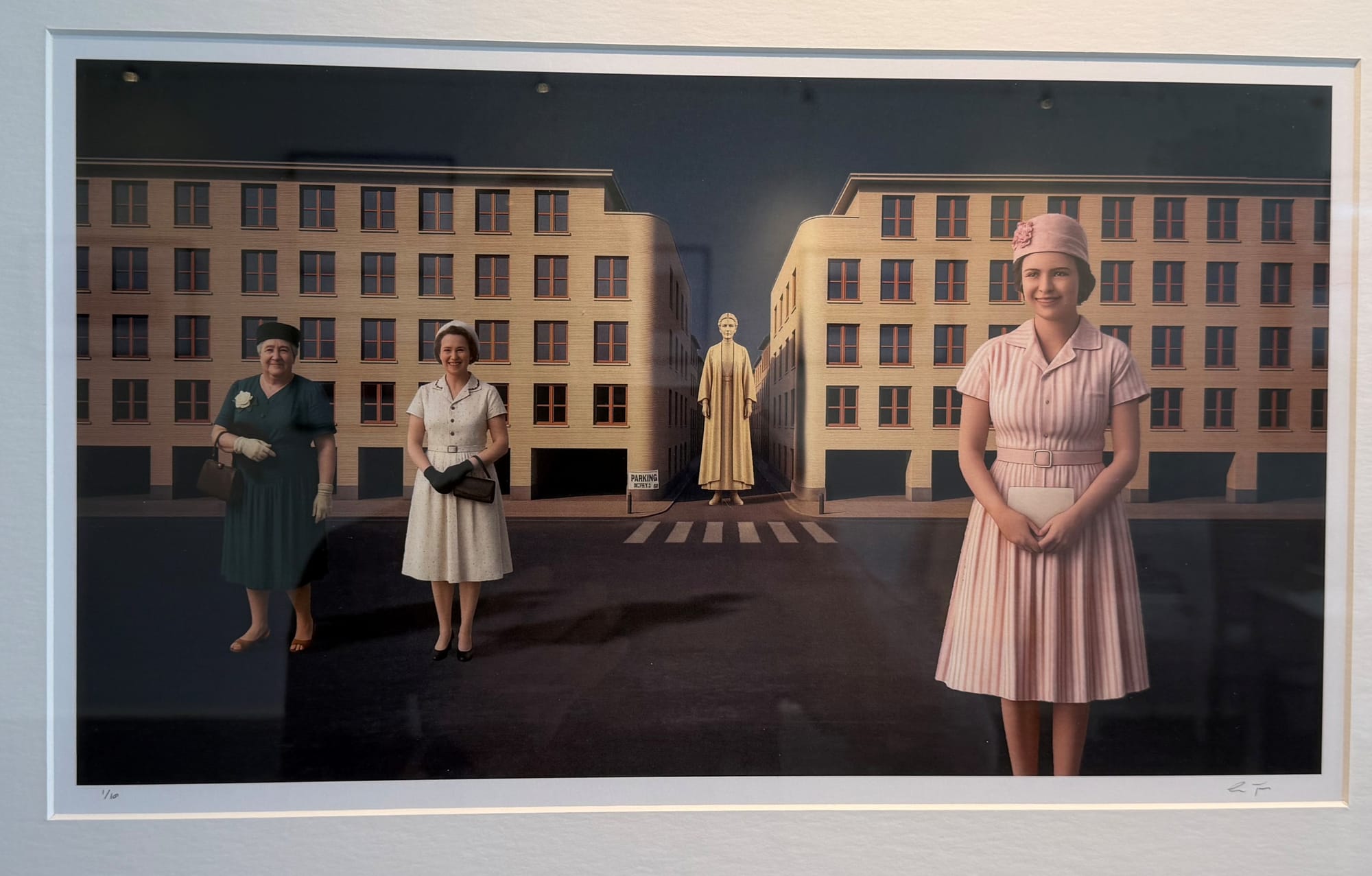
“CLARENDON COURT 1959 (above) - This image stages a carefully balanced civic tableau in which women of different ages are positioned across a symmetrical streetscape. The architecture mirrors itself, forming a controlled corridor that leads the eye to a central statue, a silent axis of authority and memory. Each figure occupies a distinct point along this axis, their spacing suggesting sequence rather than interaction.
“Dress, posture, and scale imply generational passage: youth, maturity, and age are presented not as narrative progression but as parallel states held in suspension. The women face forward, composed and self-contained, while the city behind them remains orderly and impersonal. Poad uses symmetry to suggest stability and continuity, yet the emotional distance between figures introduces restraint.
“Personal identity unfolds within a framework of civic order, where roles are defined and quietly observed.”