

Berninneit overcomes ‘sticky tape gate’ to achieve Passivhaus
The $32 million Berninneit cultural centre in Cowes has finally achieved its long-sought Passivhaus status, according to a statement at this week’s Bass Coast Shire Council meeting but whether it achieves the desired energy efficiency on a daily basis is anyone's guess.


THE $32 million Berninneit cultural centre in Cowes has finally achieved its long-sought Passivhaus status, according to a statement at this week’s Bass Coast Shire Council meeting.
In delivering the news that the building had finally achieved Passivhaus status, Bass Coast Deputy Mayor, Cr Ron Bauer, congratulated the prime-mover of the initiative to deliver “Australia’s first Passivhaus certified public centre to incorporate the elements of theatre, library, gallery and museum”, former mayor Michael Whelan who was present in the gallery at Wednesday’s meeting.
Cr Bauer said it was fitting that the monthly meeting was being held at Berninneit and fellow councillors congratulated the former mayor with a warm round of applause.
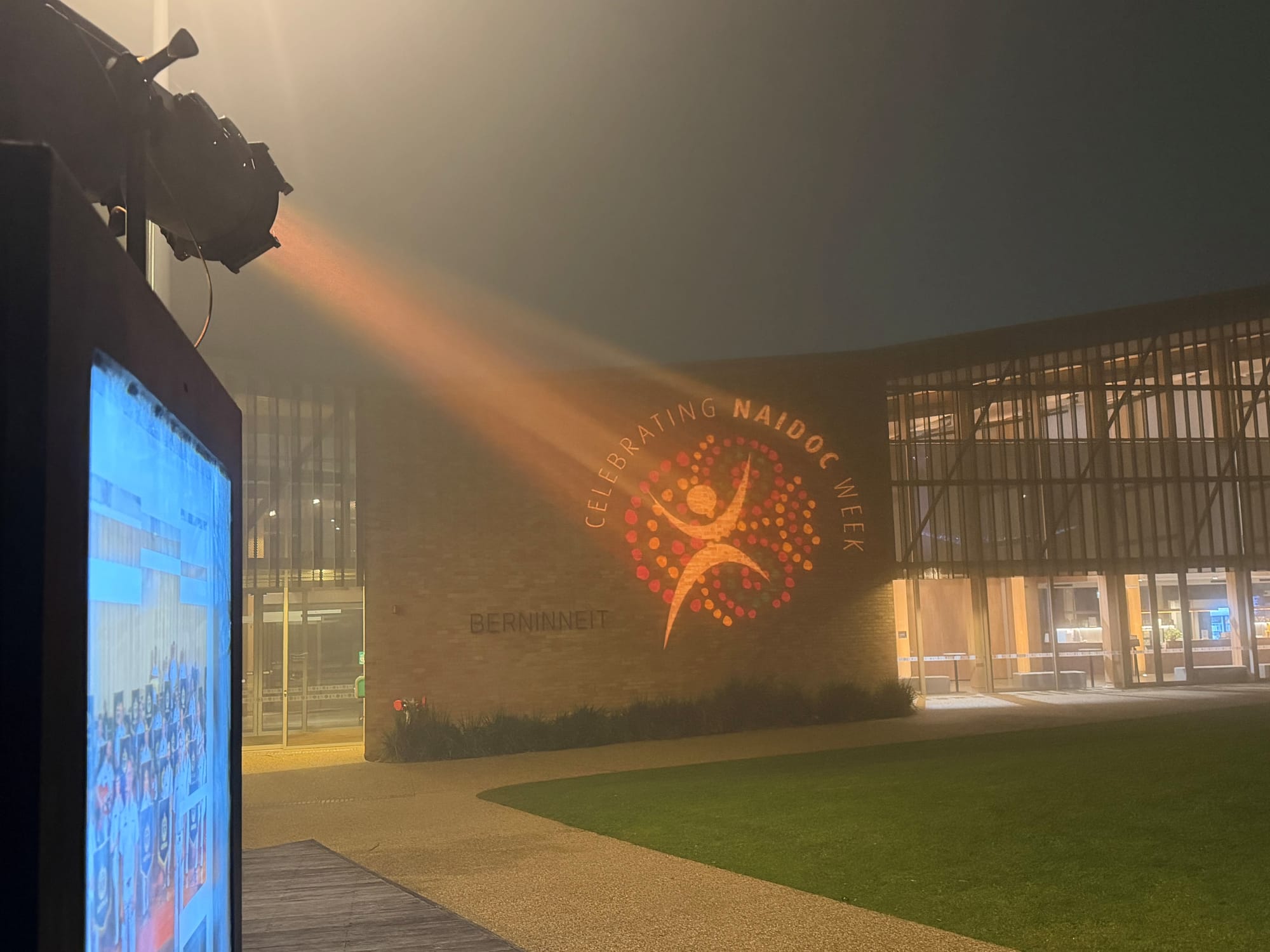
Accreditation has been a long time coming for a building that had been opened in October 2023.
Along the way there have been several attempts, and failures, to pass the exacting standards of Passivhaus, which include that buildings must achieve a high level of airtightness as a mandatory requirement for certification.
In May 2024, for example, contractors were seen applying sticky tape to the doors, windows and other openings, including the library’s book return slot, in an effort to pass the airtightness test.
It has not been revealed how the building, which has not undergone significant changes, has now achieved Passivhaus status.
Cr Bauer said, however, that he expected to see an amount of “engineering tourism” as a result of the certification.
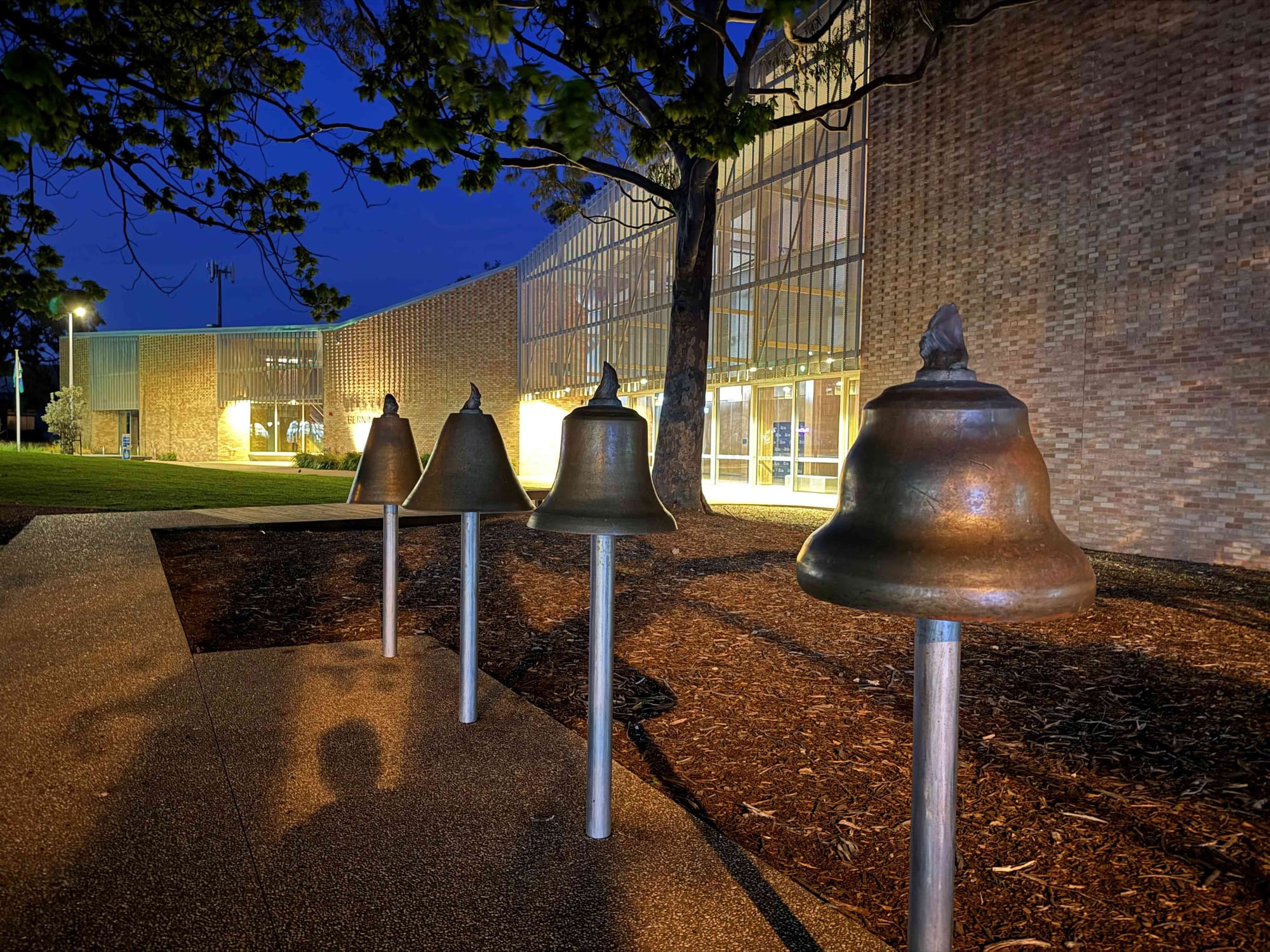
What Cr Bauer had to say…
Thank you, mr. Mayor, and fellow councilors and people watching from the gallery. Today, we can announce that the Cowes cultural centre, Berninneit, has officially achieved Passivhaus certification, an internationally recognised sustainable standard focused on energy efficiency, occupant comfort, and building performance.
“I would like to, and I think it's really fitting that we hold this meeting in this building today. I would also like to acknowledge and thank former mayor and councillor Michael Whelan, who staunchly and doggedly advocated in support of building this building and was instrumental in pursuing the ambitious goal of designing and constructing Berninneit to Passivhaus standards.
“Michael, please stand up. Congratulations,” he said as councillors offered a warm round of applause.
Cr Bauer said the building was always intended to set a new benchmark for public buildings in regional Victoria.
“Passing Passivhaus certification is not about appearance, it's about how a building performs, meaning Berninneit provides excellent indoor comfort and greater energy efficiency for the thousands of community members and visitors who use this facility every year,” said Cr Bauer.
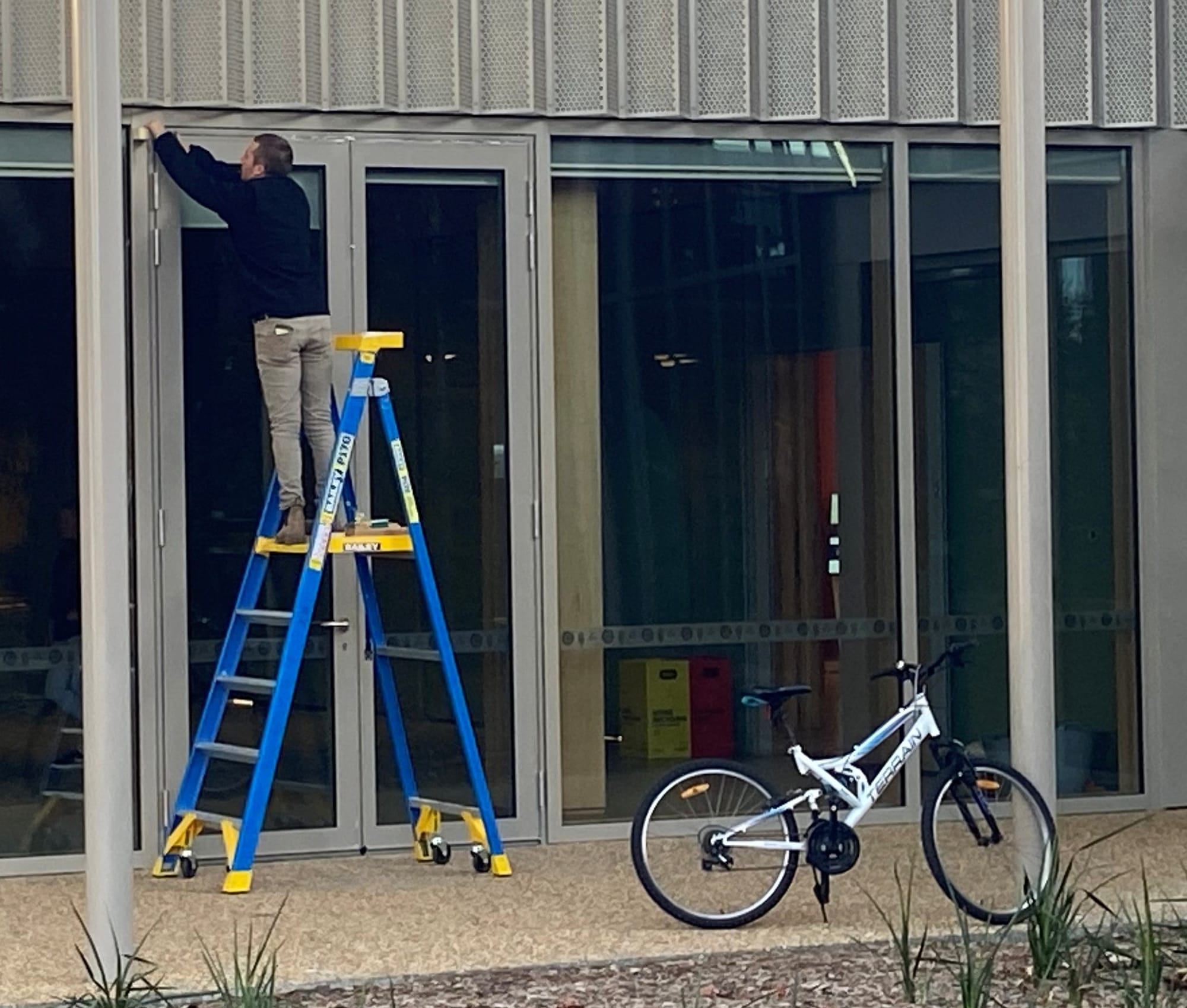
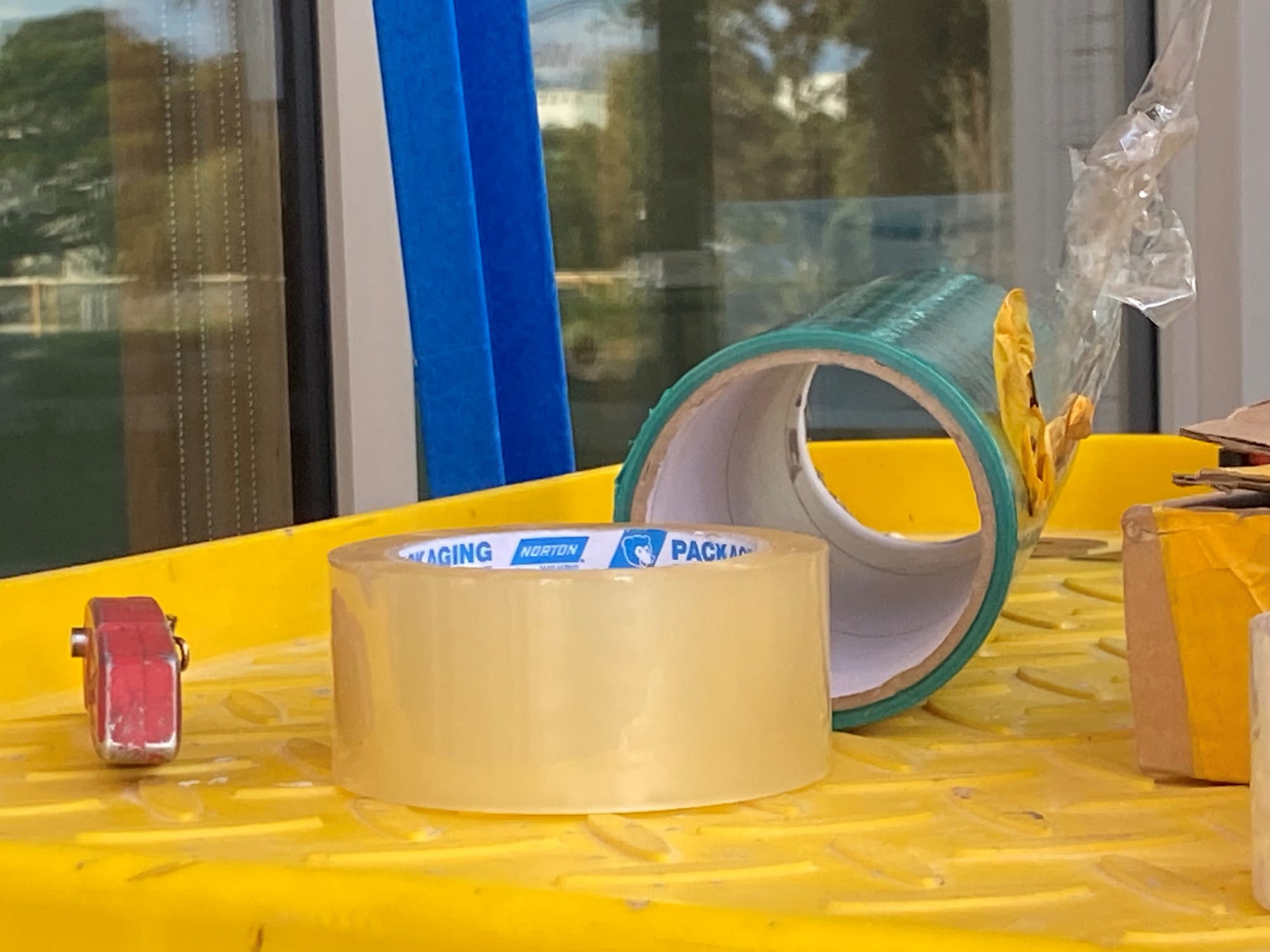
At one stage, in May 2024, in an effort to achieve strict airtightness standards, all doors, windows and openings were plastered up with sticky tape for Passivhaus testing. How the building finally passed the tests and whether or not it achieves the designed energy efficiency on a daily basis has not been revealed.
“While sustainability is a key part of this achievement, the real benefit is to our community. The certification opens up a new form of tourism for this island, which I call engineering tourism. And I hope that engineers, climate change experts, and others will come here to inspect our Passivhaus building, and it will be expanding throughout the year, and hopefully it'll take them more than one day to look at this building so they will stay overnight on our beautiful island.”
Cr Bauer congratulated all involved in its construction and added, after a few remarks by fellow island councillor Tim O’Brien, that Berninneit was unique in Australia in achieving Passivhaus status for a multipurpose community centre.
“One thing I forgot to say, it's Australia's first Passivhaus certified public centre to incorporate a professional theatre, public library, gallery and museum. Well done.”
Here’s what the council had to say
The shire issued the following statement after Wednesday’s council meeting:
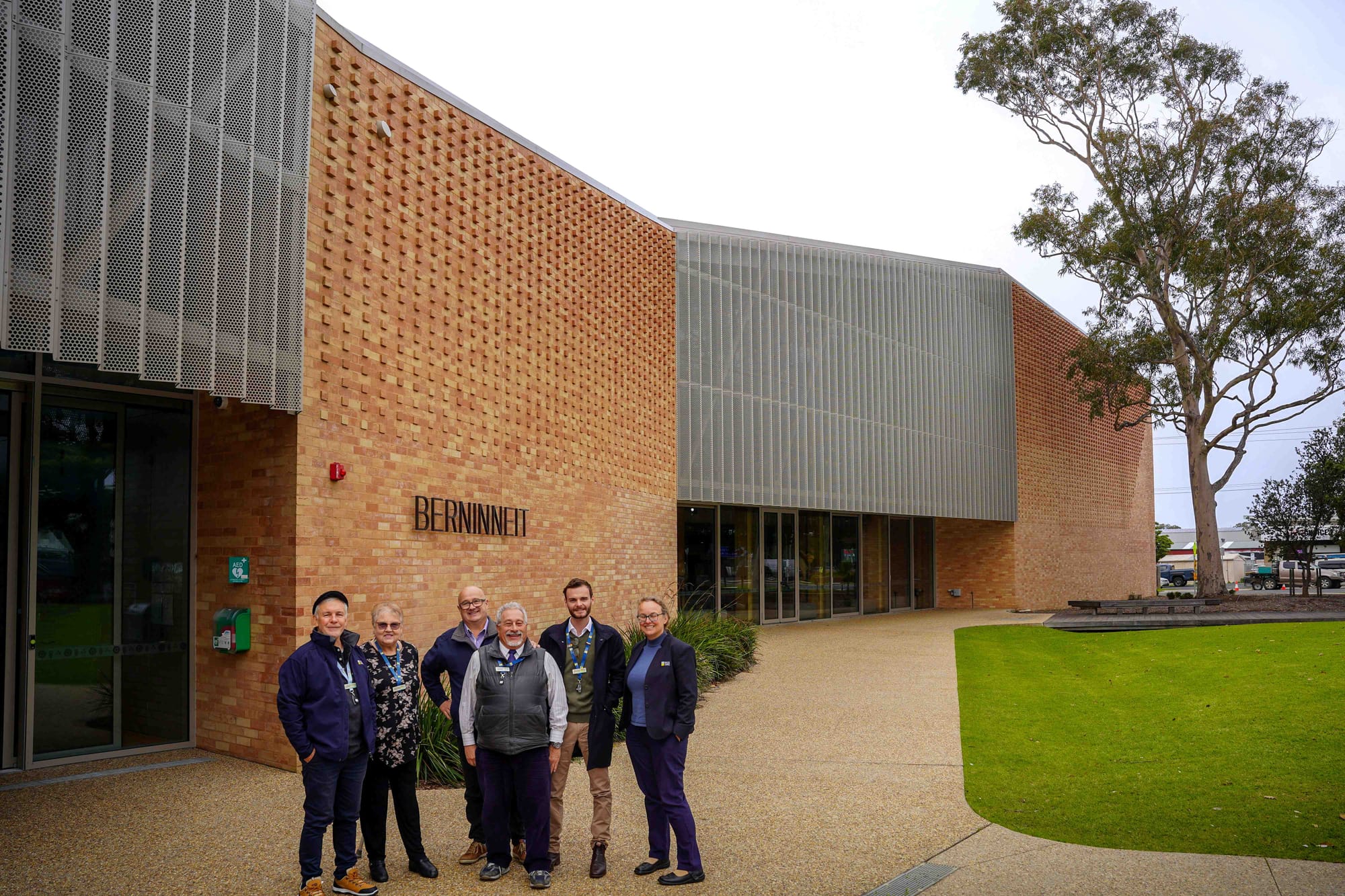
Bass Coast Shire Council is proud to announce that Berninneit, Cowes has officially achieved internationally recognised Passivhaus certification for the award-winning community, arts and cultural hub on Phillip Island.
Berninneit is now Australia's first Passivhaus-certified public centre to incorporate a professional theatre, public library, gallery and museum within a single building. The certification is also a global achievement, making Berninneit only the second building in the world to do so.
Since opening in late 2023, Berninneit has received multiple awards for its architecture, sustainability and design. Designed by Jackson Clements Burrows Architects and constructed by McCorkell Constructions, the facility was always intended to set a new benchmark for public buildings in regional Victoria.
Council set an ambitious goal for Berninneit to achieve Passivhaus certification. Council carefully considered a range of sustainability certification options, including Green Star, weighing upfront costs, certification requirements and long-term operational benefits. Passivhaus was ultimately chosen because of its strong focus on building performance, energy efficiency and occupant comfort over the life of the building.
Passivhaus is built around five key design principles: airtight construction, high levels of insulation, mechanical ventilation with heat recovery, high-performance windows and minimised thermal bridging. Together, these principles create buildings that maintain excellent indoor comfort, deliver superior air quality and significantly reduce energy consumption and greenhouse gas emissions.
Achieving Passivhaus certification for a public building of Berninneit's scale and complexity is particularly noteworthy. Unlike residential buildings, public buildings experience higher visitor numbers, varying occupancy levels and more intensive day-to-day use, making certification more challenging to achieve.
Council knew certification would not happen overnight. The process required extensive documentation and photographic evidence throughout construction, followed by rigorous independent assessment through the Passive House Institute in Germany. A key component of the certification process is detailed pressure testing to measure the building's airtightness and ensure it meets strict international performance standards.
The testing confirmed Berninneit meets the requirements of the Passive House Classic standard. The building achieved an airtightness result of 0.6 air changes per hour, meeting the Passivhaus benchmark for certification.
Importantly, no additional costs were incurred to achieve certification following completion of construction. Certification was always part of the project's design intent and was delivered within the project's approved budget.
The achievement was recognised at today's Council Meeting, held at Berninneit, where Councillors experienced firsthand the building's ongoing role as a venue for Council meetings, community activities and cultural events on Phillip Island.
Bass Coast Mayor, Cr Brett Tessari said the certification reflects Council's long-term vision for the facility.
"Achieving Passivhaus certification is a fantastic outcome and reflects the foresight shown when Berninneit was first planned and designed," Cr Tessari said.
"Council made a deliberate decision to invest in a building that would deliver long-term sustainability benefits, reduce operating costs and provide a comfortable, welcoming space for the community year-round. This certification confirms that vision has been realised.
"Berninneit has quickly become a hub for Phillip Island, bringing people together through arts, culture, learning and community events. Knowing it has been designed and built to such a high international standard means future generations will benefit from an enjoyable, efficient and sustainable community asset for many years to come."
Australian Passivhaus Association CEO, Stalin Chakrabarty, also congratulated Council on the achievement:
"Berninneit is more than an award-winning building—it is an investment in the health, comfort and wellbeing of the Bass Coast community for generations to come. Every person who visits the library, gallery, museum or theatre will benefit from a building that provides outstanding thermal comfort, excellent indoor air quality and exceptional energy performance throughout the year,” Mr Chakrabarty said.
“Bass Coast Shire Council has demonstrated that public buildings can be designed to put people first while also reducing energy use and long-term operating costs. We congratulate the Council and the entire project team on setting a new benchmark for community infrastructure in Australia, and we hope this inspires other councils to create healthier, more resilient public spaces for their communities.”


