

Locals caught up in 'worst' war tragedy 80 years ago
IT’S Australia’s biggest maritime tragedy, with the loss of more than 1050 Australian soldiers and civilians, and hardly anyone knows about it – the sinking of the Japanese prisoner transport ship the Montevideo Maru on this day, July 1, 1942...


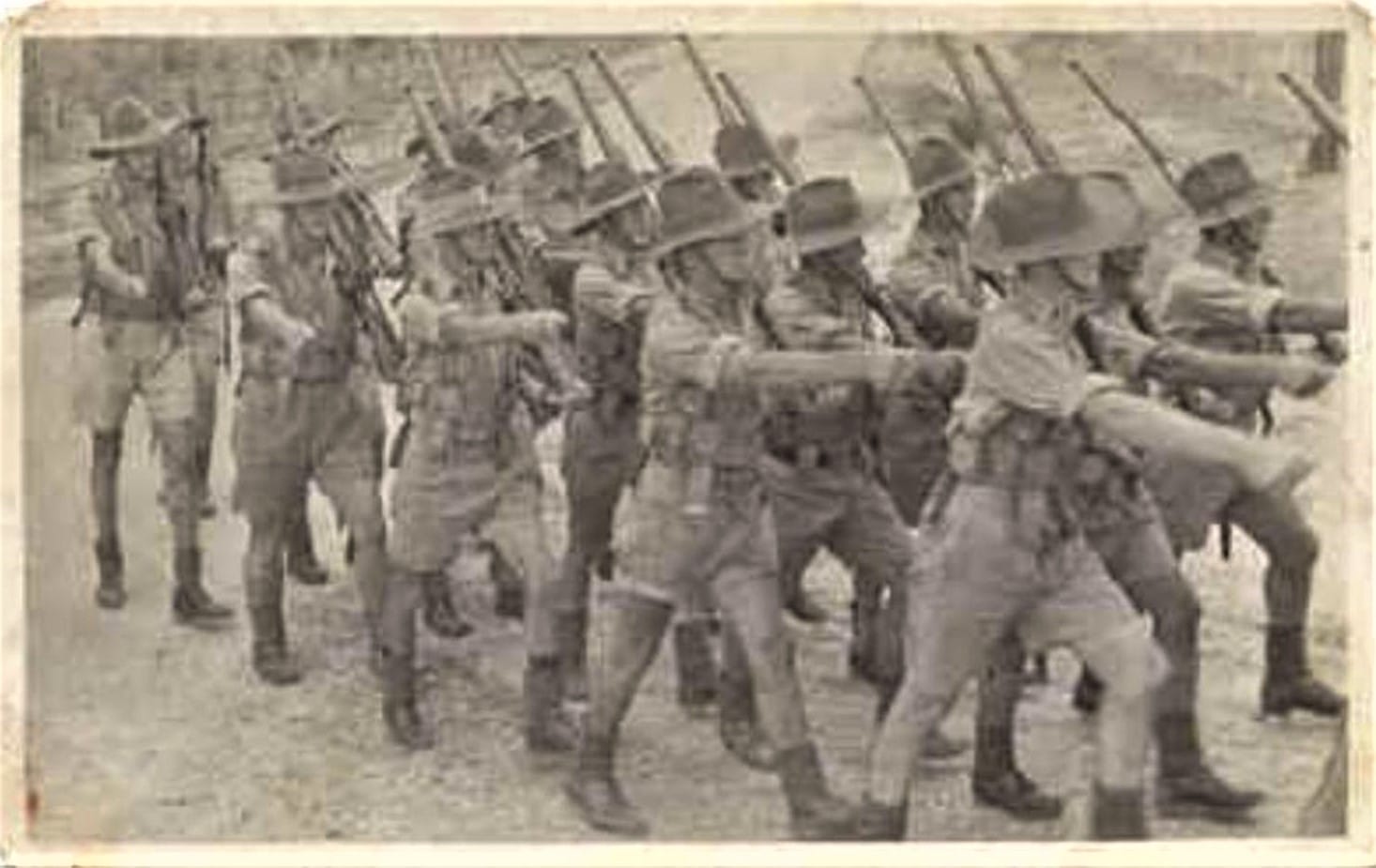
IT’S Australia’s biggest maritime tragedy, with the loss of more than 1050 Australian soldiers and civilians, and hardly anyone knows about it – the sinking of the Japanese prisoner transport ship the Montevideo Maru on this day, July 1, 1942 – 80 years ago.
And it was (and still is) a local tragedy too with several servicemen from this area, members of the 2/22nd Battalion Lark Force, either killed in the terrible shipping event or in the disastrous attack and massacre a few months earlier.
There were 1054 prisoners of war and civilians on the Montevideo Maru, who were being transported to work on Hainan Island when it was torpedoed and sunk in the South China Sea.
The ship was not flying POW flags as it was required to do and was torpedoed at 2.29am and sank stern-first 11 minutes later. There were no Australian survivors.
The Australian government had refused requests to evacuate troops from Rabaul in December 1941, effectively sacrificing them to the Japanese tsunami as it headed southwest after devastating the American fleet at Pearl Harbor.
Rabaul was guarded by 1396 soldiers of Lark Force, mostly young Victorians, but they were overrun as 5000 Japanese stormed the harbour port on January 23, 1942.
Resistance was futile and Lark Force commander Colonel John Scanlan issued his famous order: “Every man for himself”.
Those troops not captured in the first few hours retreated through the jungle, hoping to make their escape. About 400 made it after a horrendous trek across crocodile-infested rivers, battling malaria, dysentery, malnutrition, exhaustion and a murderous army on their heels.
Among them were some Gippslanders who made it home.
About 160 Australians reached Tol Plantation expecting salvation. Instead, five barge-loads of Japanese soldiers were waiting on the beach. The Australians were tied together with fishing lines and, two or three at a time, were shot or used for bayonet practice as their mates sat terrified, knowing they were next.
Then, on 22 June, the Montevideo Maru left Rabaul taking the 1053 Australian captives as slave labour bound for the Chinese island of Hainan.
Eight days into the voyage, the USS Sturgeon, a United States submarine captained by Lieutenant Commander William Wright sank Montevideo Maru, not knowing it carried Allied soldiers and civilians, approximately 100km west of the Philippines’ Cape Luzon.
There was no attempt made to release any of the prisoners below decks but those that did reach the water, allegedly clung on to debris in the black ocean and sang ‘Auld Lang Syne’ in memory of their comrades dead nearby.
None of the Australians survived, though it would be years before their families learned of their fate. Of the 88 Japanese guards, only 17 lived to tell the tale.
Among the locals involved were Jack Howard, Fred Broadbent, Tommy Sangster and Fred Ketels of Leongatha, and Jimmy Kavanagh and Arthur Oliver of Leongatha South. Drene Chenhall of Traralgon and another 13 Gippslanders were on board the ship when it went down.
The local men were in the 2/22nd Battalion, part of Lark Force, sent to Rabaul in New Guinea to protect the port.
On January 23, 1942, a large Japanese force landed and quickly defeated the poorly resourced Australians.
In the chaos that followed the Japanese landing, some men escaped into the jungle while others were forced to surrender.
Of the men from Leongatha and district, six became prisoners of war, another group of six were captured and executed and three escaped and made it home
Those six prisoners were loaded onto the Montevideo Maru on the morning of June 22, 1942.
Leongatha historian Lyn Skillern, was invited to go to Canberra on Friday, July 1 to attend a special commemoration for the Montevideo Maru catastrophe, hoping also to find out some additional information about the locals involved – lest we forget.


