

Marine life under threat as AI data centres drive up demand for desalinated water
Environmentalists claim full scale production of desalinated water from the Wonthaggi Desalination Plant to feed city-based AI driven data centres could lead to an ecological crisis on the Bass Coast.


MARINE experts and environmental groups have warned of a looming ecological crisis on the Bass Coast as the Wonthaggi Desalination Plant prepares to ramp up to full-scale desalinated water production.
Driven by an unprecedented surge in water consumption from metropolitan data centres and plummeting reservoir levels, the state government has executed a massive policy shift ordering a record-shattering 150 billion litres (150 gigalitres) of drinking water for the 2026–27 supply year.
The boosted delivery was abruptly brought forward to commence last month in June.
The government claimed it will serve as a crucial buffer against severe dry conditions across the state, however it particularly targets the rapidly depleting water catchments supplying Melbourne and Geelong.
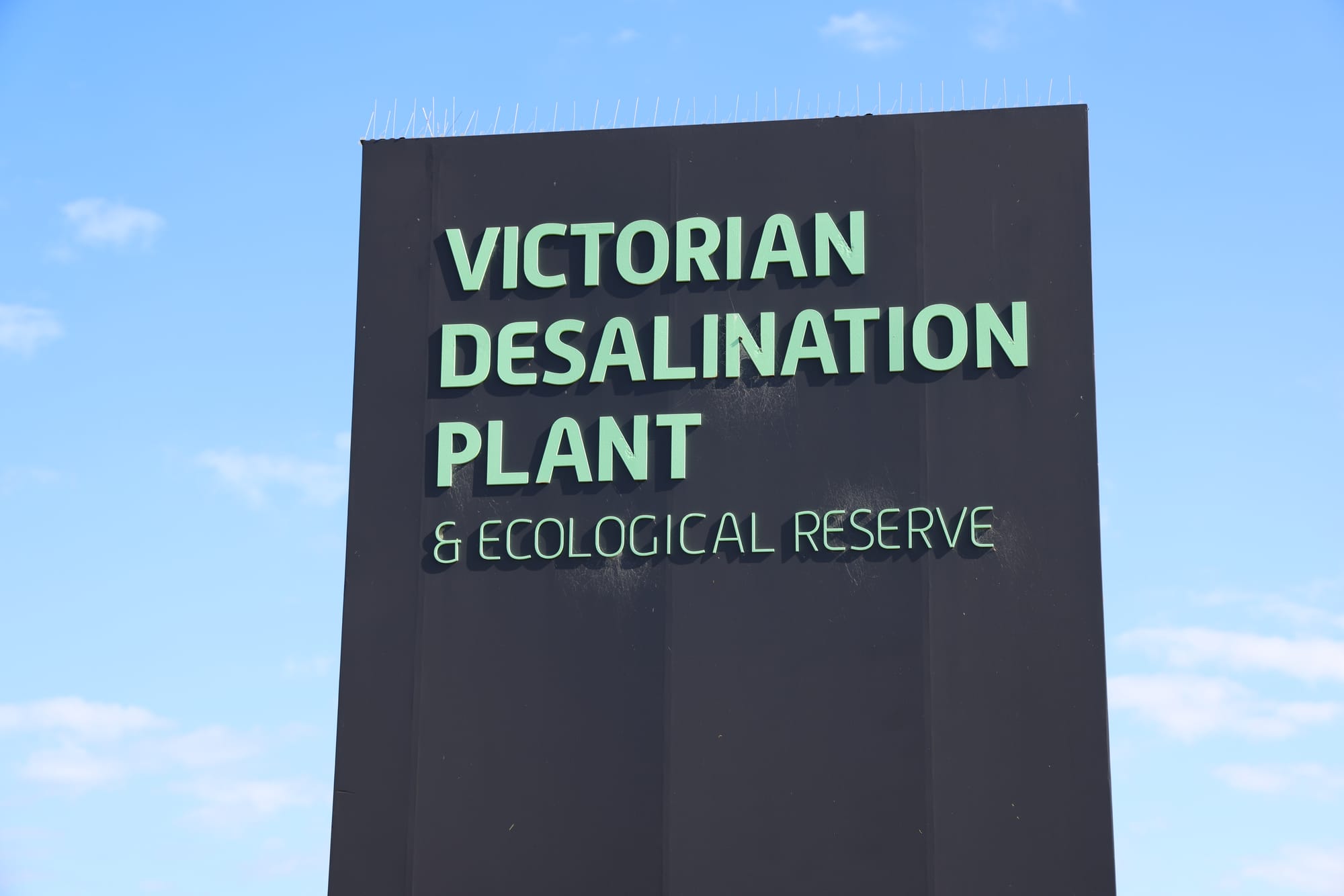
The decision to triple the Wonthaggi plant's previous seasonal order to address rising demand was triggered by state water storage levels plummeting to their lowest point in six years.
Environmentalists have argued that the true driver of this water crisis is not climate variability, but the hidden digital boom. They claim the rapid growth of metropolitan data centres, fuelled by global artificial intelligence (AI) has placed an unsustainable burden on the state’s water grid.
Local conservation group Watershed Victoria claims these facilities require millions of litres of water each day to cool high-performance servers and has sounded the alarm over the sheer scale of the environmental damage that could be caused.
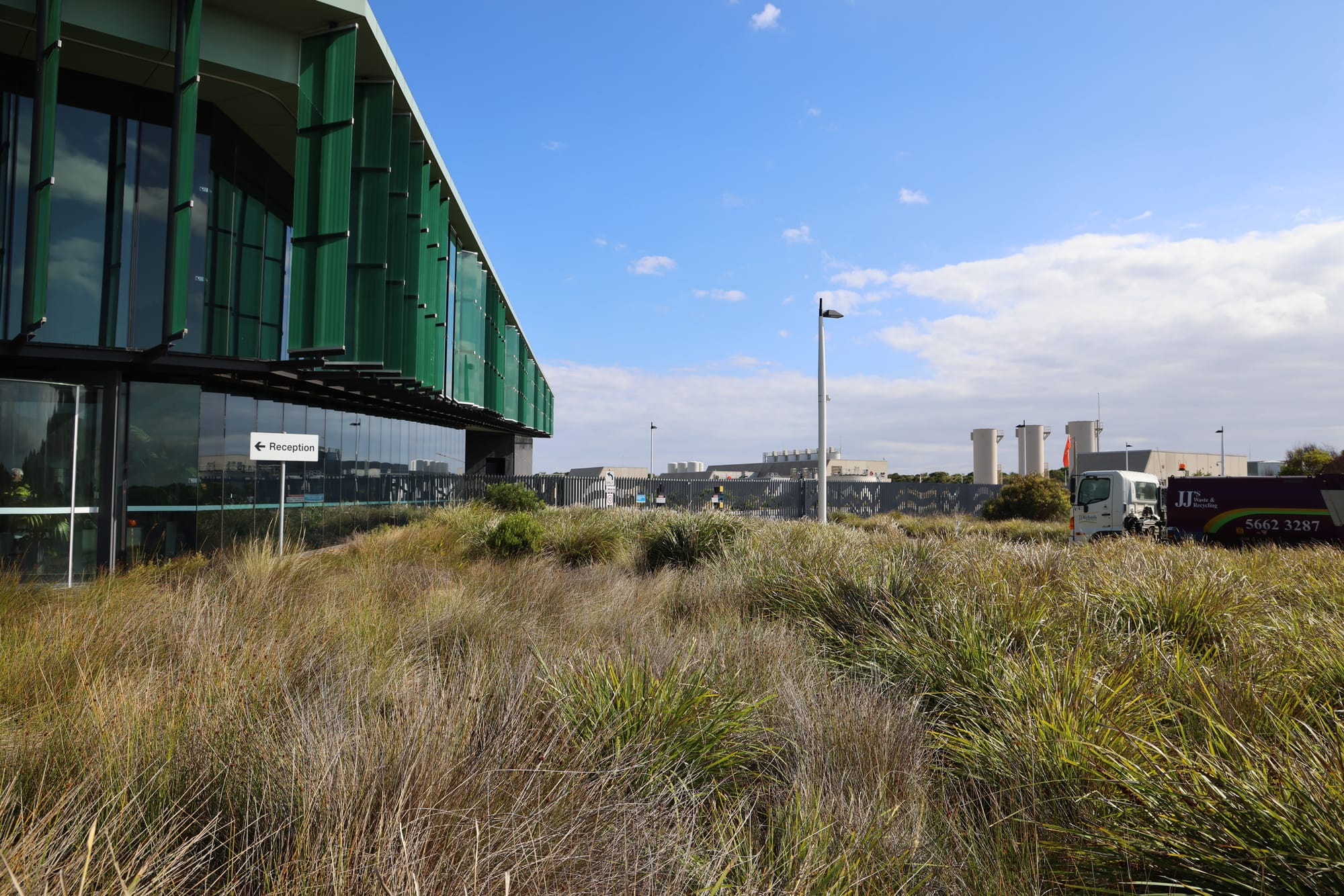
According to data compiled by the group, full-scale operation will result in forty tonnes of marine life being sucked and killed from the Bass Coast food chain every single day.
This biological waste will then be trucked inland and dumped at the Lyndhurst landfill.
“That could have a disastrous impact on penguins, whales, tiny fish, and baby crayfish,” said Mark Robertson, President of Watershed Victoria and a resident of nearby Dalyston.
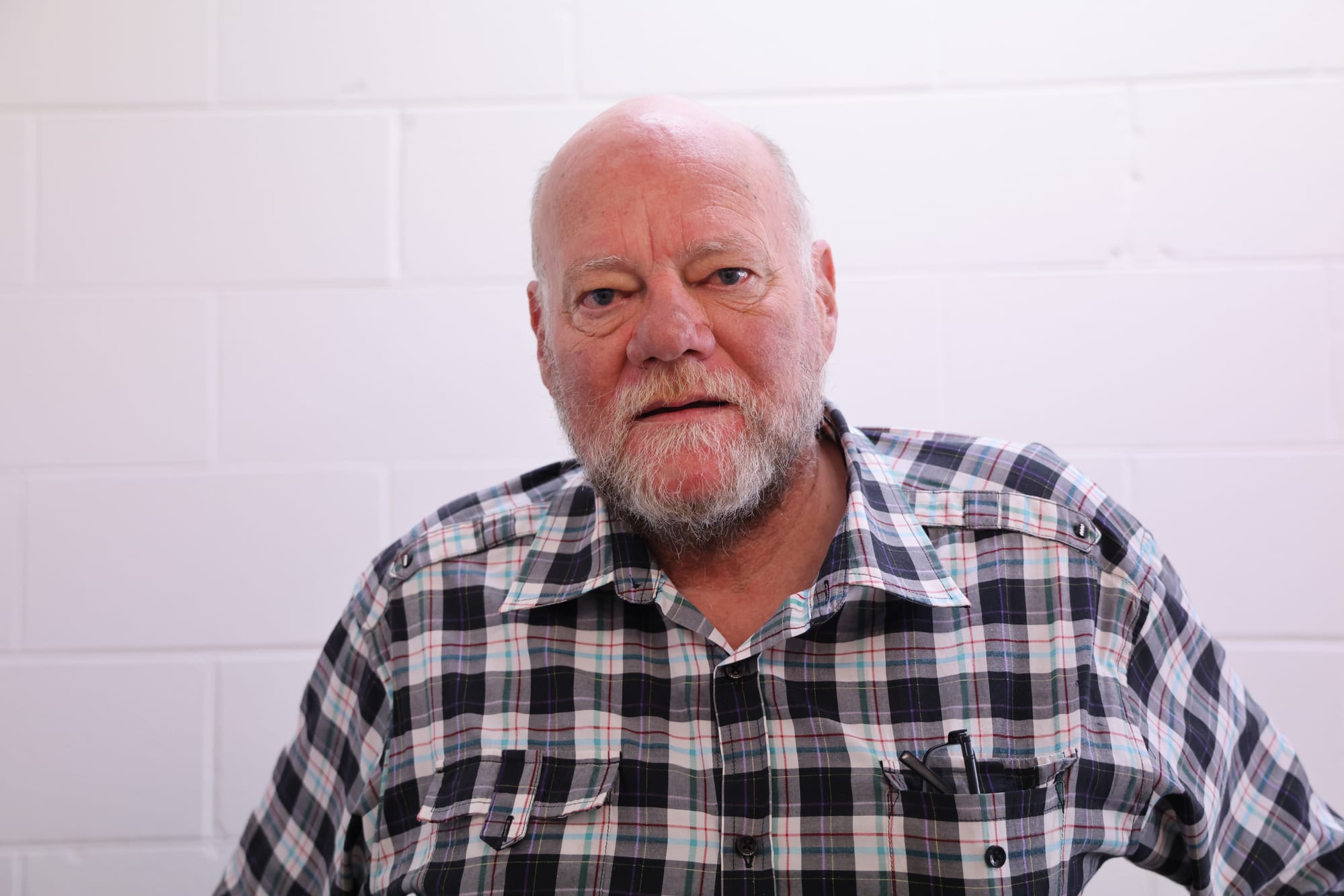
“We just don't know the full extent of the damage because we’ve never actually run this desalination plant at maximum capacity for a prolonged period. We are treating our marine sanctuary as a sacrifice zone for metropolitan technology hubs.”
The plant’s intake pipes draw massive volumes of seawater from the pristine Bass Coast ecosystem. This process traps and kills plankton, larvae, and small fish. Marine biologists warn that removing forty tonnes of biomass daily from the base of the food web could trigger a starvation ripple effect.
Phillip Island’s colony of Little Penguins and migrating whale populations could be threatened. Furthermore, the hyper-saline brine byproduct pumped back into the ocean could create localised dead zones attacking the fragile baby crayfish populations that sustain local commercial fisheries.
The rush to maximise desalination water manufacturing has exposed sharp regional contrasts in water security. Despite the dry conditions plaguing the rest of the state, the Bass Coast’s primary local supply source tells a different story.
Candowie Reservoir currently sits at what water authorities describe as a healthy 58% capacity. Westernport Water has continued to distance itself from total reliance on Melbourne’s centralised water supply pool. This independence highlights a growing frustration among regional residents. They feel their local environment is being degraded to subsidise resource-heavy urban infrastructure.
“The government seems to be maximising the manufacture of water rather than valuing water higher and getting people to use less,” Mr Robertson argued. “They seem to be running headlong into getting as many data centres built as possible without counting the ecological cost. We are destroying a natural ecosystem to power virtual clouds.”
State officials have defended the ramp-up. They emphasised that the 150-gigalitre order was a vital defensive measure ahead of forecast El Niño weather conditions.
Meteorological models have predicted an extended period of severe drought, and the government insists it cannot risk empty taps in metropolitan areas. They view the Wonthaggi plant as a critical insurance policy against a changing climate.
Critics counter that using desalination to feed data centres creates a vicious cycle.
“Desalination is highly energy-intensive. It increases the state's carbon footprint and accelerates the very climate instability causing droughts.”
With AI data infrastructure projected to grow exponentially over the next decade, environmental groups are calling for strict water-efficiency mandates on tech companies.
They are also demanding a comprehensive, independent review of the Victorian Desalination Plant's impact on Bass Strait marine life before full-scale pumping becomes a permanent fixture of state water policy.
Mr Robertson claimed data centres use a lot of power as well as a lot of water.
“What happens when we run out of water and run out of power,” he asked.
“It’s going to be too late if it all turns into a big mess. It may be OK for a couple of months, but what sort of impact will it have after 5 years?
Mr Robertson said data centres ‘guzzle’ power.
“As much power as is used by 200,000 homes,” he claimed.
As the maximum order of 150 billion litres from the Wonthaggi desalination plant starts to flow into Cardinia Reservoir over the coming months, authorities will monitor storage levels closely. For now, the early seasonal activation has ensured that taps across greater Melbourne and Geelong will keep running without the threat of restrictions.


