

Medical and food trades head regional job vacancies
- Skills shortage puts handbrake on growth ALMOST one third of all advertised job vacancies are in regional Australia, according to this week’s National Skills Commission (NSC) data. And as Phillip Island is poised for a huge influx of visitors...


- Skills shortage puts handbrake on growth
ALMOST one third of all advertised job vacancies are in regional Australia, according to this week’s National Skills Commission (NSC) data.
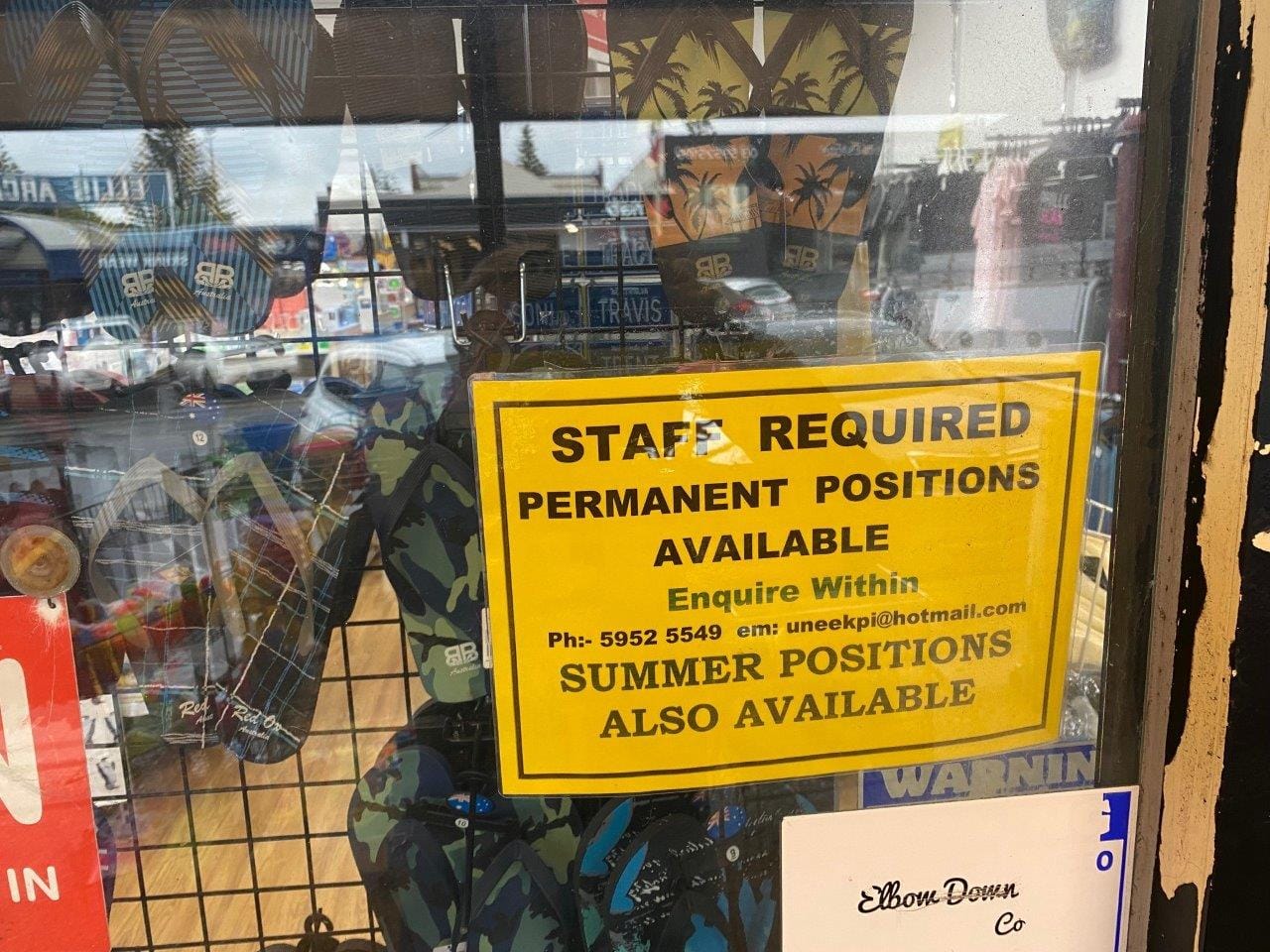
And as Phillip Island is poised for a huge influx of visitors for the return of the Australian Motorcycle Grand Prix, local business is all too aware that ‘Food Trade Workers’, other hospitality staff and retail workers are among those in the shortest supply across Gippsland.
Of course, the dire shortage of doctors, nurses and medical practitioners heads the list in this region with 266 vacancies, while there are 119 jobs available for health diagnostic and therapy workers, plus 70 in health welfare support.
But, anecdotally at least, the number of people needed in hospitality and retail in Bass Coast in particular, is well in excess of the advertised vacancies in Gippsland: including food trade workers 138, hospitality 181, retail sales assistants 207, hospitality/retail managers 97.
“It’s right across the board; bar staff, kitchen, housekeeping, reception, maintenance; we’ve got vacancies in all those areas but we’re not as badly off as some who’ve had to close for two or three days-a-week to keep operating,” said Kimberley Brown, General Manager of the North Pier Hotel in Cowes and Vice President of the Phillip Island Business Network.
“We had our busiest Saturday in three years over the four-day Queen’s memorial and grand final weekend, bigger than the Australia Day Saturday and here we are, ahead of a huge weekend for the grand prix, hoping we can fulfill our guests’ expectations.
“We’re usually able to rely on picking up some staff at the end of the snow season but we got none out of that this year.
“We’re looking to recruit more school leavers than we have in the past this year.
“Everyone’s pretty buoyant about the Island’s economy but there’s no doubt the shortage of staff, in all areas, isn’t allowing business to reap the rewards of catering to a big crowd, and we just hope it doesn’t affect our visitors’ experience,” Ms Brown said.
Across Gippsland, as well as health professionals, hospitality and retail vacancies; legal, social and welfare; business/finance, education, engineering, vets, carers/aides, automotive and driver/storemen positions are heavily represented in job adverts.
Regional Australia Institute (RAI) CEO Liz Ritchie said August data shows 309,000 job advertisements nationally of which 91,000 are in the regions.
“When accounting for unadvertised jobs, which are often low-skilled, temporary positions, we know this number could be doubled or even tripled,” Liz Ritchie said.
The NSC’s Skills Priority List identifies national shortages across 286 occupations, up from 153 in 2021. The most pronounced national shortages are in the areas of health care, trades; machinery operators and personal services such as aged care and childcare workers.
The shortages in these skills are biting hard in regional Australia and if left unaddressed threaten to widen the gap between city and country and see the regions miss out on valuable opportunities.
Two thirds of the regional vacancies are for managerial, professional, and qualified trades positions.
The impact of the lack of skilled workers makes for stark reading.
Regions a ‘childcare desert’, they say
About 3.7 million regional Australians live in a regional childcare desert, according to the National Skills Commission.
And that is certainly borne out in Bass Coast and South Gippsland where the lack of childcare places is stopping parents, especially women, from re-entering the workforce. The lack of rental accommodation is also blocking recruitment in the regions.
When it comes to access to a doctor, there are about 328 full time equivalent GPs for every 100,000 people in the regions compared to an average of 465 FTE GPs in our capital cities.
Ms Ritchie said a shortage of builders, plumbers, electricians, machinery operators and labourers was constraining badly needed developments such as new housing projects and putting a handbrake on productivity growth.
Addressing regional Australia’s unprecedented jobs and skills gap is a key aim of the RAI’s Regionalisation Ambition 2032 – A Framework to Rebalance the Nation, launched last month.
The Framework includes a goal to reduce recruitment difficulty to below 40 percent, down from 70 percent today and to increase the share of skilled workers employed in regional Australia to 80 per cent up from 73 precent in 2022.
“The key to addressing the region’s labour difficulties is to increase the overall number of people making a living in the regions,” Ms Ritchie said.
The RAI wants to see a doubling of the proportion of new migrants settling in regional Australia by 2032, and a national population plan to chart a pathway to lift the regions overall population to 11 million, up from 9.5 million today.
The RAI’s most recent ‘More Jobs; More Opportunities’ campaign is promoting the career opportunities outside city bounds to urban Australians who might be considering a regional move.
“Now more than ever, Australians moving to the regions can not only benefit from an improved lifestyle with more time and more value but also enjoy a rewarding regionally-based career.
“We welcome the meeting of federal, state and territory skills and training ministers and hope the plight of jobs and skills in regional Australia is given adequate attention,” Ms Ritchie said.


