

Nina shares heartache of Russia’s invasion
NINA Kane emigrated to Australia in 2018 from Russia with her daughter after she found love with a South Gippsland man. Nina grew up in the town of Bakhmut, in the Eastern region of Donbas, before moving to Russia to study and work during a time...


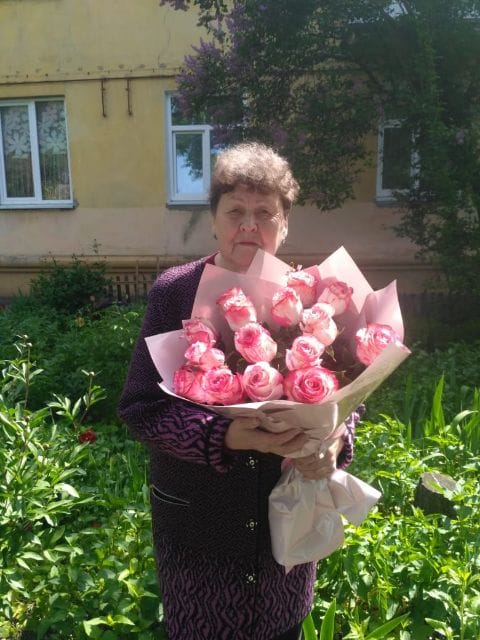
NINA Kane emigrated to Australia in 2018 from Russia with her daughter after she found love with a South Gippsland man and now resides in the area.
Nina grew up in the town of Bakhmut, in the Eastern region of Donbas, before moving to Russia to study and work during a time when Ukraine and Russia were the Union of Soviet Socialist Republics (USSR).
She has fond memories of growing up in Bakhmut.
“… of course, it was beautiful. The town Bakhmut where I was grown, it was always called the town of roses because all (the) squares everywhere was (full of) roses, roses, roses.”
A friend from Nina’s Ukrainian support group sent her photos and videos of her hometown, devastated by the war and where her family had lived.
“Our town Bakhmut, where they lived, and where I was growing up, 70,000 people left. Seventy thousand! And nobody (is) left in the town.
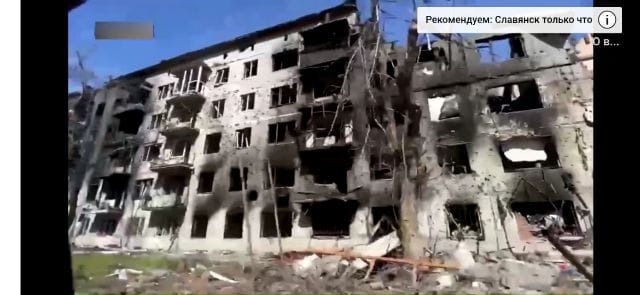
“Every single house, every single high-rise building; it's just destroyed everything and burnt out; and there’s no electricity, no water there since last probably June, July, August.”
Nina’s family including her 72-year-old mother, her brother and sister-in-law, their children and many of her cousins, aunties and uncles, have been forced from their homes.
“I saw my brother's house it’s a five-level building, his apartment was on the fourth floor, and I saw that it was a direct shot in his apartment. To see that black hole and I know that his living room was there, it's just devastating.
“It was very painful to see, but the biggest pain was when I saw my mom's home.”
Nina saw a video that Russians had filmed of the streets in Bakhmut.
“I noticed the building which (was) next door to my mum, was just ruined, so several floors just (do) not exist anymore.”
While Bakhmut is a non-strategic city, the Ukrainians are holding back the Russians from the town to thwart attempts at further advancement into the country from this position.
Along with many others, Nina’s mother and brother have relocated to a smaller central city that lacks strategic resources that the Russians may target, so is potentially safe at this stage.
The cost of rent is extremely high due to the demand from hundreds of thousands of displayed Ukrainians, jobs are scarce, and wages have dropped significantly due to increased demand for work.
Nina worries about her family’s welfare every day and checks in with her brother and her mother daily.
“I'm here. I am far from my family and literally every day for me starting and finishing (thinking), is everything fine or not? Waking up, I'm checking, is everything good? Do I have any messages? I send a message are you okay to my brother, and call mum.”
Nina offered to bring her family to Australia, however, her mum was reluctant to leave her family and her country, and the uncertainty was daunting.
“My mum, she's 72, so her health is not perfect, because her life also was quite difficult and this is probably why she didn't want to come also, because to have a flight, 24 hours in the plane it's also not easy, and she worries that she will feel bad while she will be flying.”
“I understand that she has nothing and at that age, she will be not able to buy anything. She has lost everything and it's just heartbreaking.”
Nina has also been shocked and dismayed about the divide that has opened between friends and families that lived along the borders of Ukraine and Russia.
“When I started my study, it didn’t really matter where do you lived because it was one country.”
With the dissolution of the USSR in 1991, Ukraine and Russia became separate countries, yet the border was more a formality in the beginning, according to Nina.
“I know a lot of my friends and a lot of people who had relatives and friends on both sides of the border, and when the recession started more than one year ago, I thought honestly, that in Russia, people will not support this, this disaster, because they have a relative, outside of the borders, in Ukraine. It's just people who just live their lives and there’s nothing bad there.”
Nina never imagined that what has happened, could happen.
“But within several months, I was just shocked how many people who believe in this brainwashing which go on in Russian TV and everywhere. I am just shocked I honestly stopped communicating with almost everyone.”
Nina knows people who lived along the border who have been put in impossible positions.
“My really close friend in school where I lived the last 18 years (in Russia), her husband is in the military and he is from a town close to us (in Russia). His mum moved to a major Ukrainian city.
“When it was bombed by Russia, I don’t know how he kept his mind, how he didn’t get mentally sick, because his army, to whom he had served all his life, bombed his mum’s home.”
Nina, family and friends are not hopeful that the war will end anytime soon, but it is all they really have to look forward to.


