

Sliding doors for Australia’s beef exports
Australia reaches beef export to China threshold


“AS soon as one door closes, usually another one opens and then it depends on what that price is as to what happens,” President of the South Gippsland Livestock Agents Association Brian McCormack said of Australia’s beef exports to China being hit with a prohibitive 55 per cent tariff.
That kicked in on June 20 after Australia reached its 205,000 tonne beef export threshold set by China for that market.
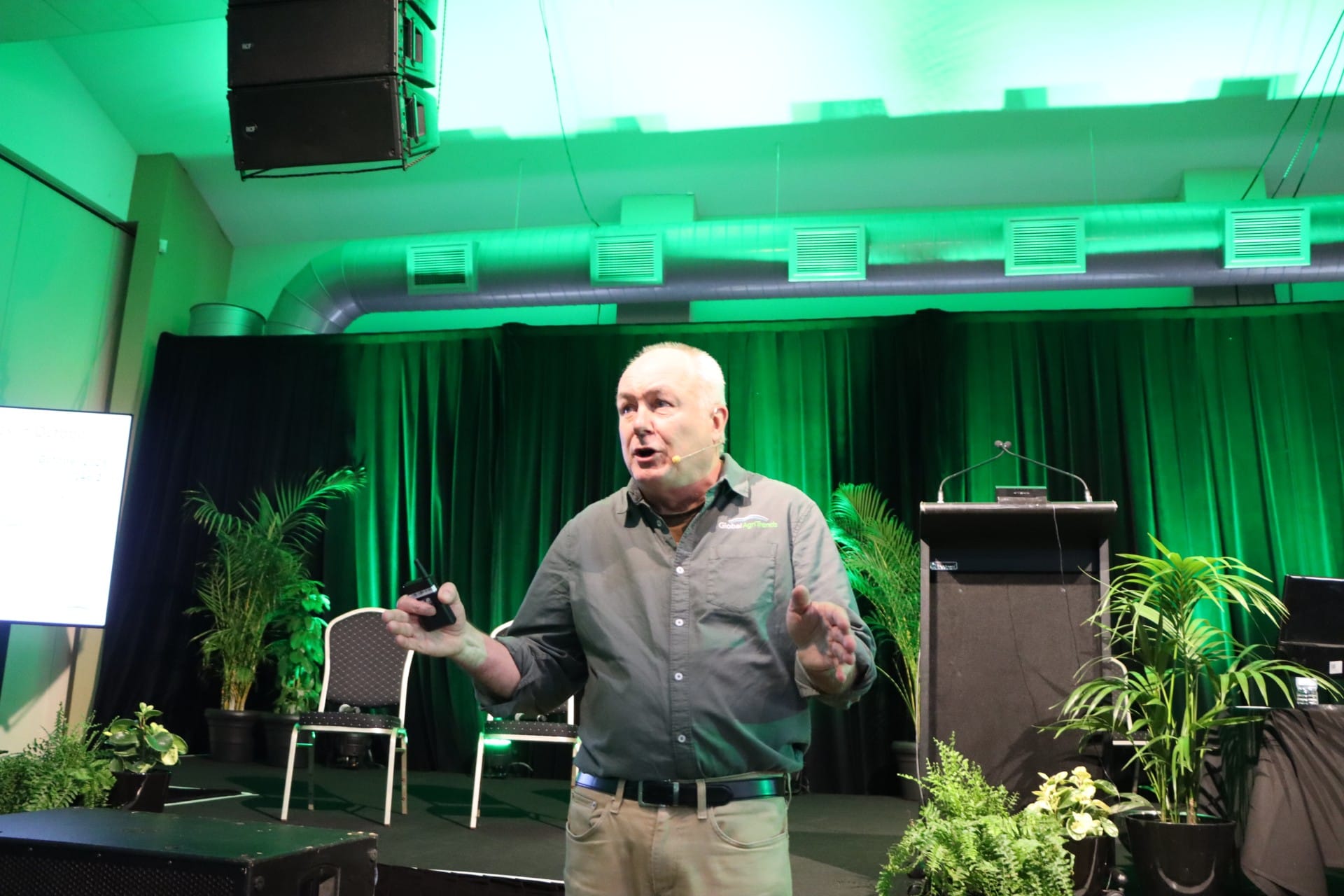
Simon Quilty of Global AgriTrends remains confident other markets will take Australian beef that would have headed to China were it not for the high tariff and will have to pay good money to do so, and he continues to highlight a tightening world supply of beef.
Speaking at the Meeniyan Hotel in March at an event Sentinel-Times attended, Mr Quilty anticipated the resumption of US beef exports to China, adamant that would open opportunities for Australia in other markets as America diverts some of its beef exports to China.
“We then go into Japan and Korea and fill the void America’s left,” he said, noting Australia’s ability to supply grain-fed beef is crucial, as is the overall shortage of beef worldwide.
As expected, China agreed to restore beef export opportunities for the USA after talks between Presidents Xi and Trump, with 425 US beef processing plants having their access to the Chinese market reinstated after being excluded for up to two years.
Stock & Land recently reported Mr Quilty as saying, “The market has adjusted and there is simply not enough beef globally for everyone,” forecasting a dramatic rise in cattle prices this financial year.
“My forecast for the 2026/27 financial year is an average of 640 cents a kilo for 450 kilo Angus feeder steers, compared with 525 cents a kilo this financial year,” he said.
On the less positive side, StoneX Australian meats and livestock manager Ripley Atkinson spoke of the threat of increased competition into the US market for Australian beef as Brazil approaches its own export threshold for the Chinese market.
He told The Weekly Times people in the industry believe Brazil will target the US with beef that would otherwise go to China, with estimates of an excess of between 500,000 and 600,000 tonnes to offload.
“It may mean that Australian exports will need to match the price point of beef that comes from Brazil, certainly not at the premium end but in the section of the market that we compete with similar product,” Mr Atkinson said.
Mr McCormack said that while those in the beef industry locally listen to what is going on with the world situation, there are many variables that determine how the market performs.
Currently, there are lots of positives, with an abundance of feed growing, compared to the dire situation many farmers faced at this time last year, locally and further afield, and Mr McCormack remarked on the strong competition at recent cattle markets.
That has seen smaller cattle in demand with restockers locally as well as in places such as Dubbo that have now had good rain.
Meanwhile, feedlotters remain highly active, ensuring they have sufficient stocks.
“The (cattle) job should be alright for the next period of time,” Mr McCormack said, adding that just how long that is the case will be influenced by the weather.
“If it gets dry, things will slow down, if it gets really wet for the next little period of time, we’ll slow down; if the season stays like it is at the moment, people will kick into gear a little bit more,” he said.
“We’re here to produce meat and for us to do that we’ve got to have the right sort of weather, then feed in front of the cattle, and then we buy and sell cattle to what we think is profitable to us,” Mr McCormack stressed, reflecting the philosophical approach required by farmers and livestock agents for dealing with variables beyond their control.


