

Take your own precautions against mosquito bites
IT’S not a problem at Phillip Island now, or around low-lying, swampy and poorly-drained areas around Western Port. Phillip Island health authorities say there have been no presentations so far this year of mosquito-borne viruses. Not yet, but the...


IT’S not a problem on Phillip Island now, or in low-lying, swampy and poorly-drained areas around Western Port.
Phillip Island health authorities say there have been no presentations so far this year of mosquito-borne viruses.
Not yet, but the long run of wet weather, leading up to summer this year has created the perfect environment for mosquitoes to multiply in huge numbers.
And back in 2021, there were upwards of 15 confirmed cases of Ross River virus, the impacts of which raised concerns locally. There were also cases of Japanese encephalitis (JEV), although none locally, to our knowledge.
Regardless, the prevalence of mosquitoes and the environments they breed in, has prompted the Gippsland Region Public Health Unit to issues a timely warning.
“More than 275 species of mosquitoes are found in Australia. Fortunately, only a few species bite humans, and fewer still are vectors of human diseases,” said GRPHU communications officer Tracy VanderZalm.
“In Victoria, the most common viruses transmitted from mosquitoes to humans are Ross River and Barmah Forest virus.
“Infections caused by Japanese encephalitis virus, Murray Valley encephalitis virus and Kunjin virus are rare, but do have the potential to cause severe disease.
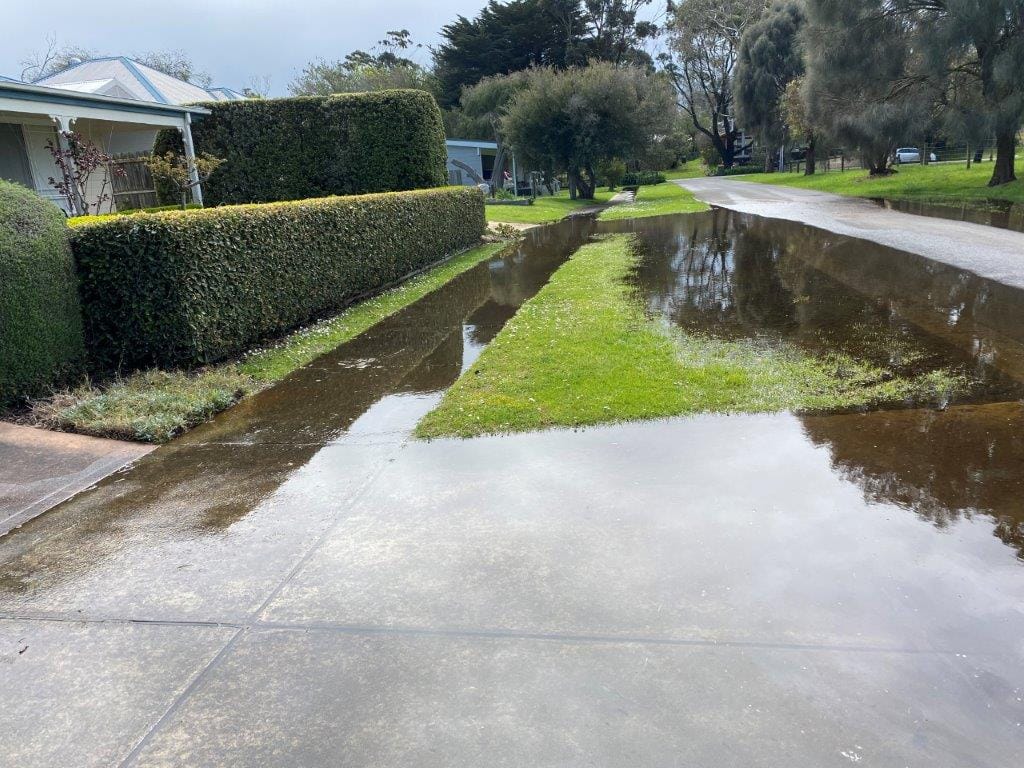
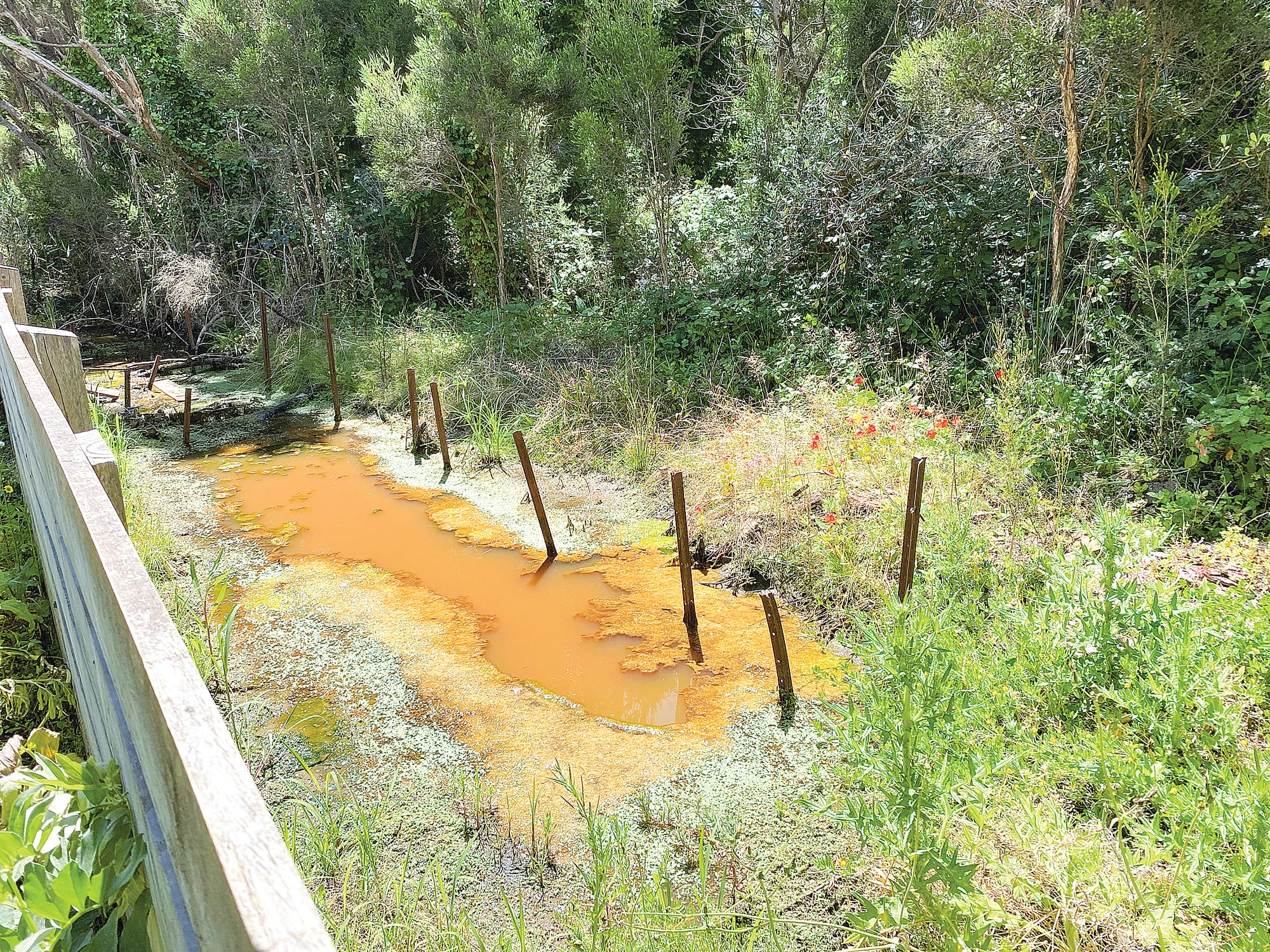
“The most effective way to reduce your risk of mosquito-borne diseases is by avoiding mosquito bites and removing mosquito breeding sites around your home.
“Cover up, use repellent, clean up still water around your home and campsite, and use fly spray when eating or gathering outdoors.”
And check out the attached flyer and share it within your networks.
“Let's beat the bite this summer!”
What you can do
People should take steps to limit their exposure to mosquitoes and protect themselves by:
- Wearing long, loose fitting clothes outdoors
- Using effective mosquito repellents containing picaridin or DEET on all exposed skin
- Trying to limit outdoor activity if lots of mosquitoes are about
- Using ‘knockdown’ fly sprays and plug-in repellent devices indoors
- Sleeping under mosquito nets treated with insecticides if you don’t have flywire screens on windows on your home or are sleeping in an untreated tent or out in the open
- Using mosquito coils, which can be effective in small outdoor areas where you gather to sit or eat.
Visit the Department of Health website for more information Mosquito-borne diseases (health.vic.gov.au): https://www.health.vic.gov.au/infectious-diseases/mosquito-borne-diseases


