

Victorian coast still clear after NSW adds new bird flu case
Australian authorities have confirmed the first case of H5 bird flu in New South Wales, making it the sixth so far nationally since the first case on June 19, also with another suspected case under investigation in Westen Australia.


AUSTRALIAN authorities have confirmed the first case of H5 bird flu in New South Wales, making it the sixth so far nationally since the first case on June 19, also with another suspected case under investigation in Westen Australia.
The infected giant petrel was found near Hawks Nest, north-east of Newcastle last Friday, July 3 by a member of the public.
Lab results from the CSIRO's Australian Centre for Disease Preparedness confirmed on Saturday night the bird had the highly pathogenic avian influenza.
NSW Agriculture Minister Tara Moriarty fronted the media over the weekend.
"This is the deadliest strain of bird flu in the world," said Minister Moriarty at a press conference in Sydney, stressing there was no evidence of mass mortality events or any detections in the country's agricultural system.
The risk to public health, she said, remained low.
"I want to stress, this is the only time it has been found in NSW,” she said.
"There is no crisis. There is no need to panic. People should continue buying chicken and eggs in the usual way."
While H5N1 bird flu has only been detected in migratory birds, among the most at risk species are penguins and pelicans, black swans and seals.
The finding of another diseased bird, this time in NSW, following confirmed cases in South Australia and Western Australia prompted a statement by Victoria’s Department of Energy, Environment and Climate Action.
“H5 bird flu has recently been detected in other parts of Australia, but not in Victoria. Detecting it early helps us understand the risk and respond quickly if the disease reaches our state.
“Avoid, record, report is a simple way you can help.
“If you see sick or dead birds or wildlife do the following:
- Avoid contact
- Record the exact location and what you observed
- Report it online or call 1800 675 888
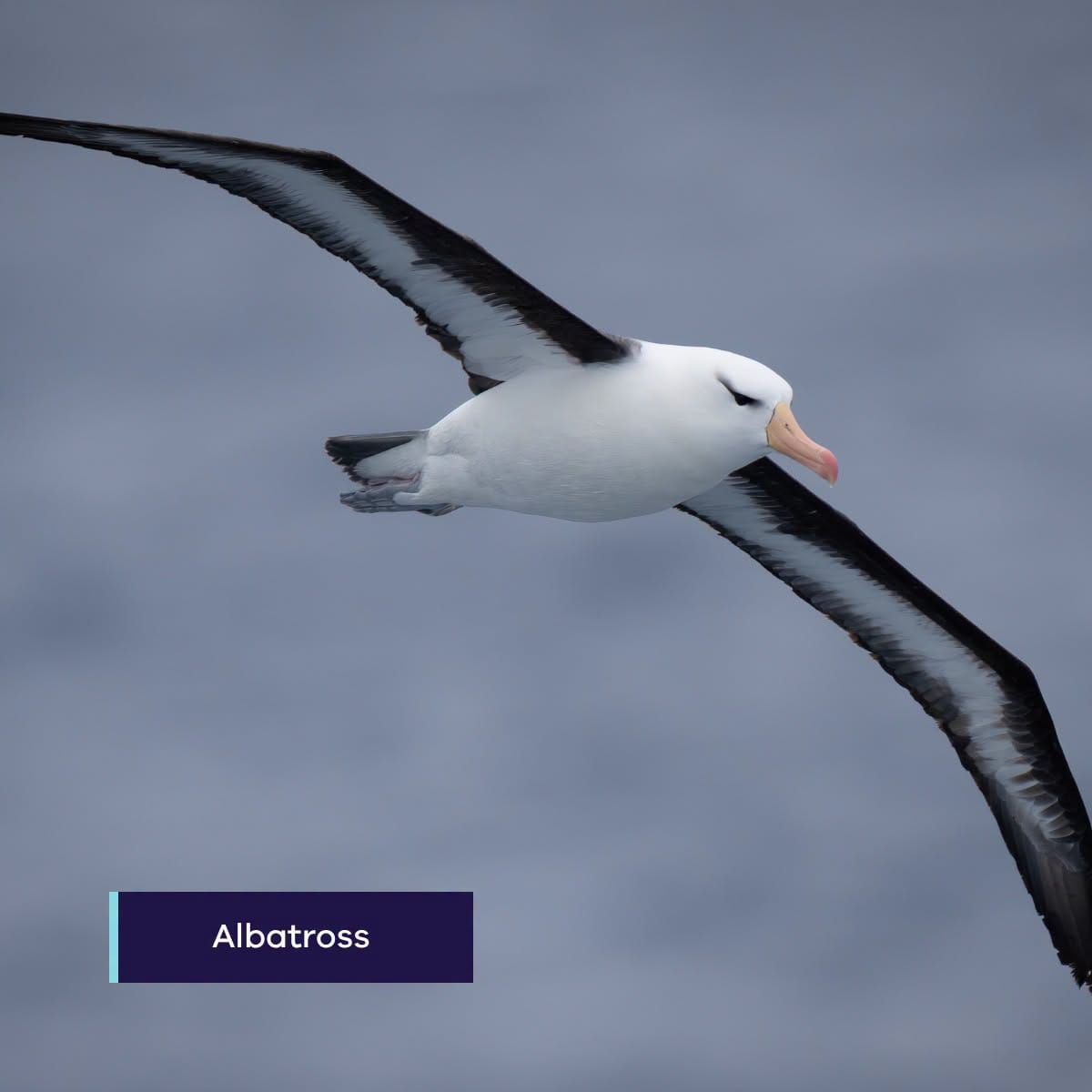
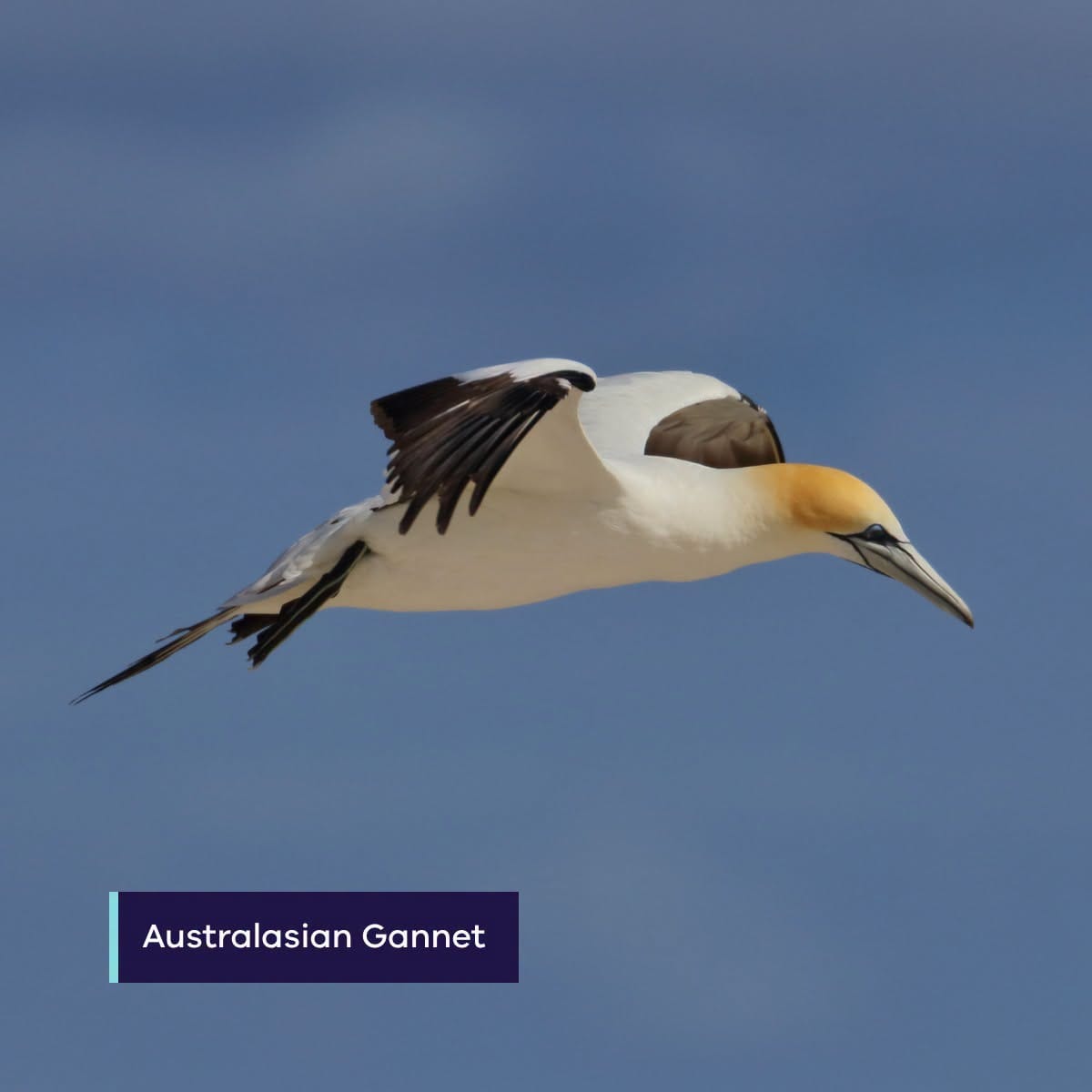
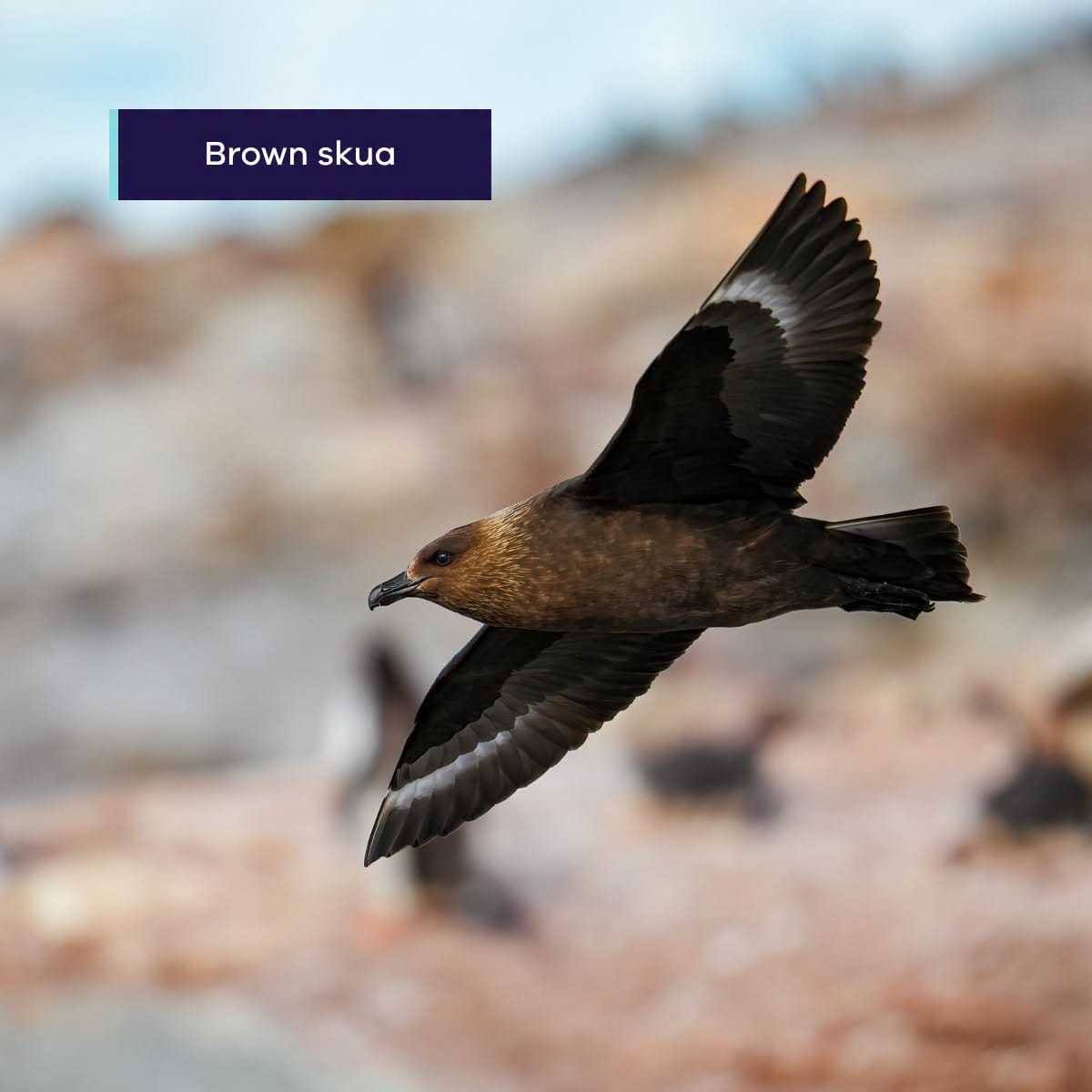
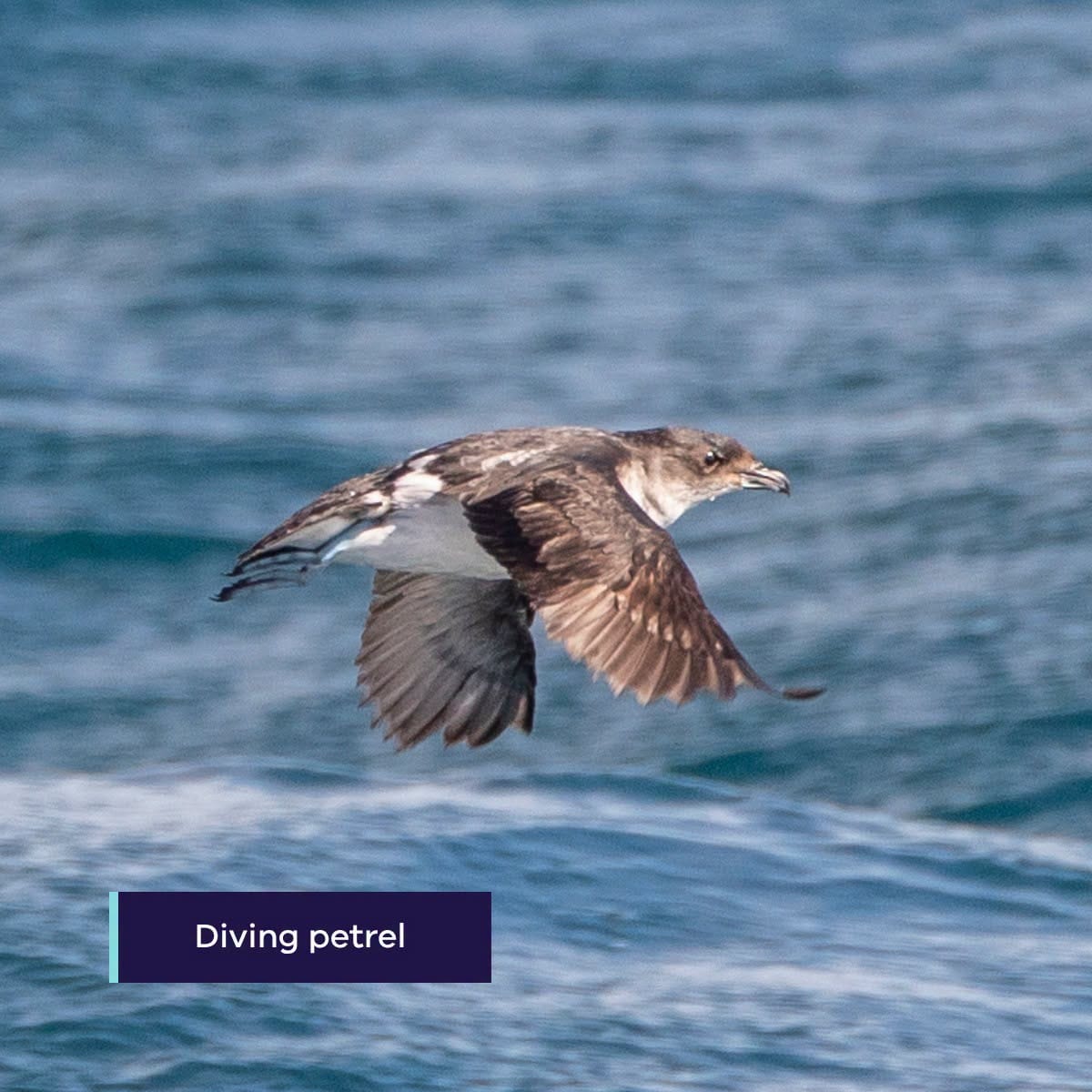
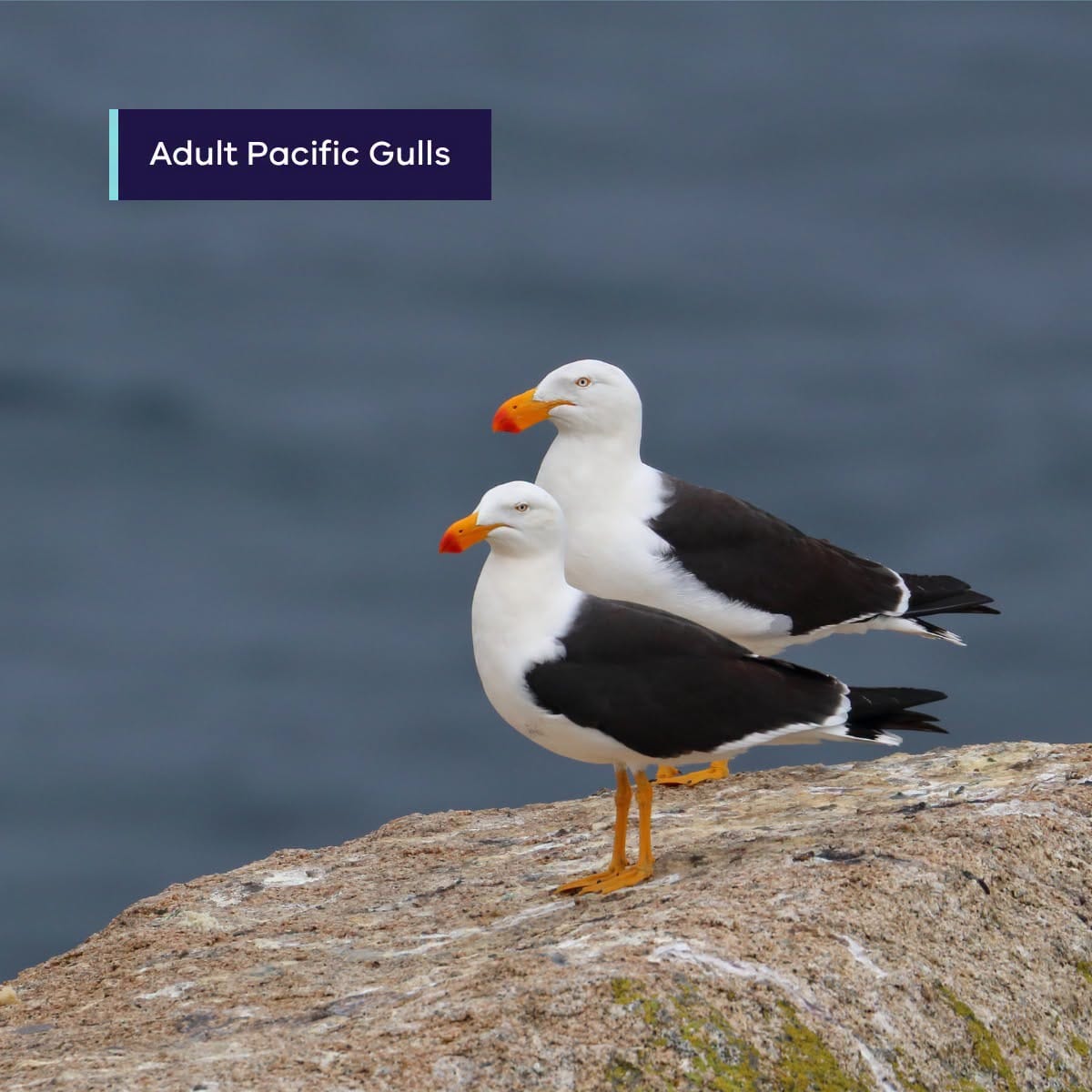
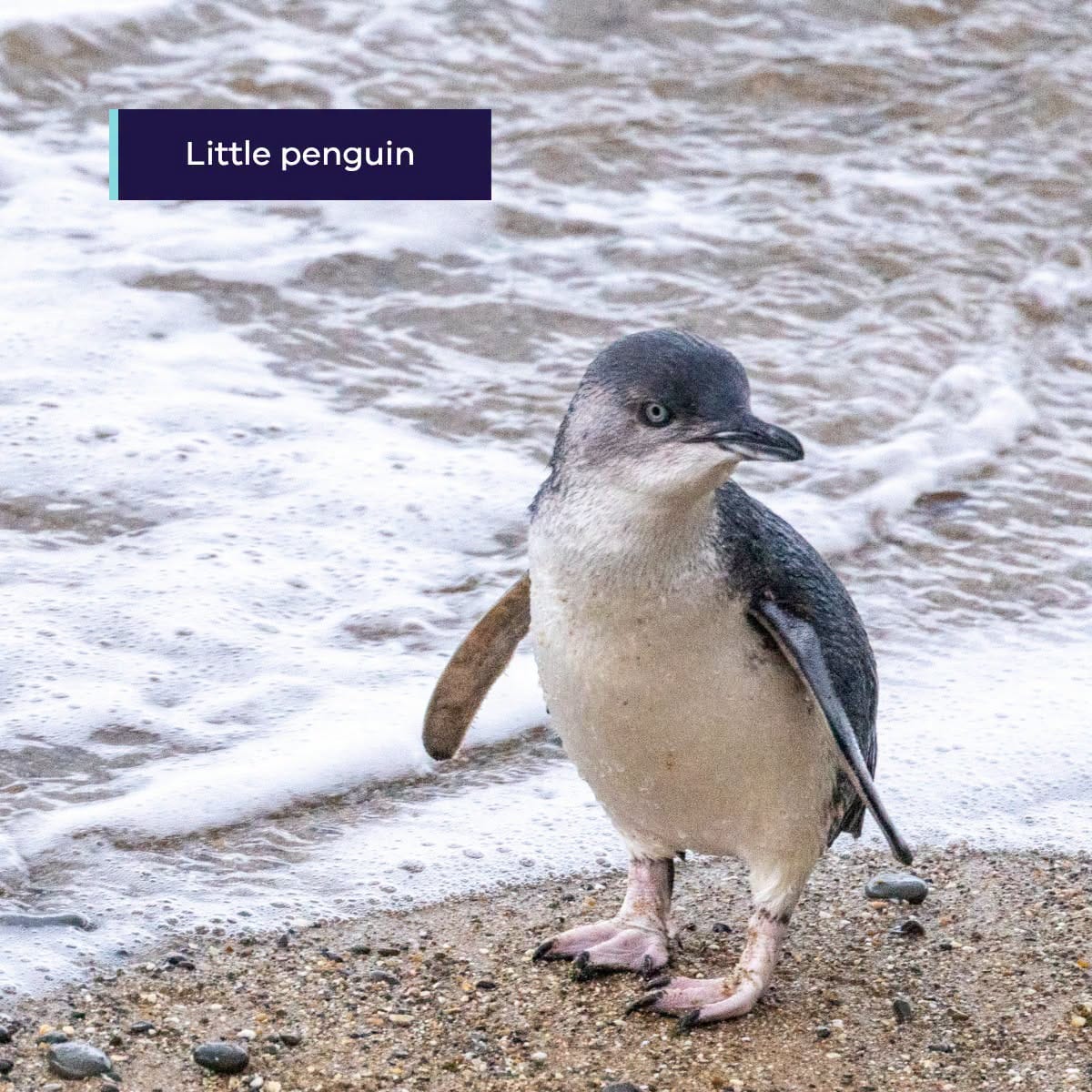
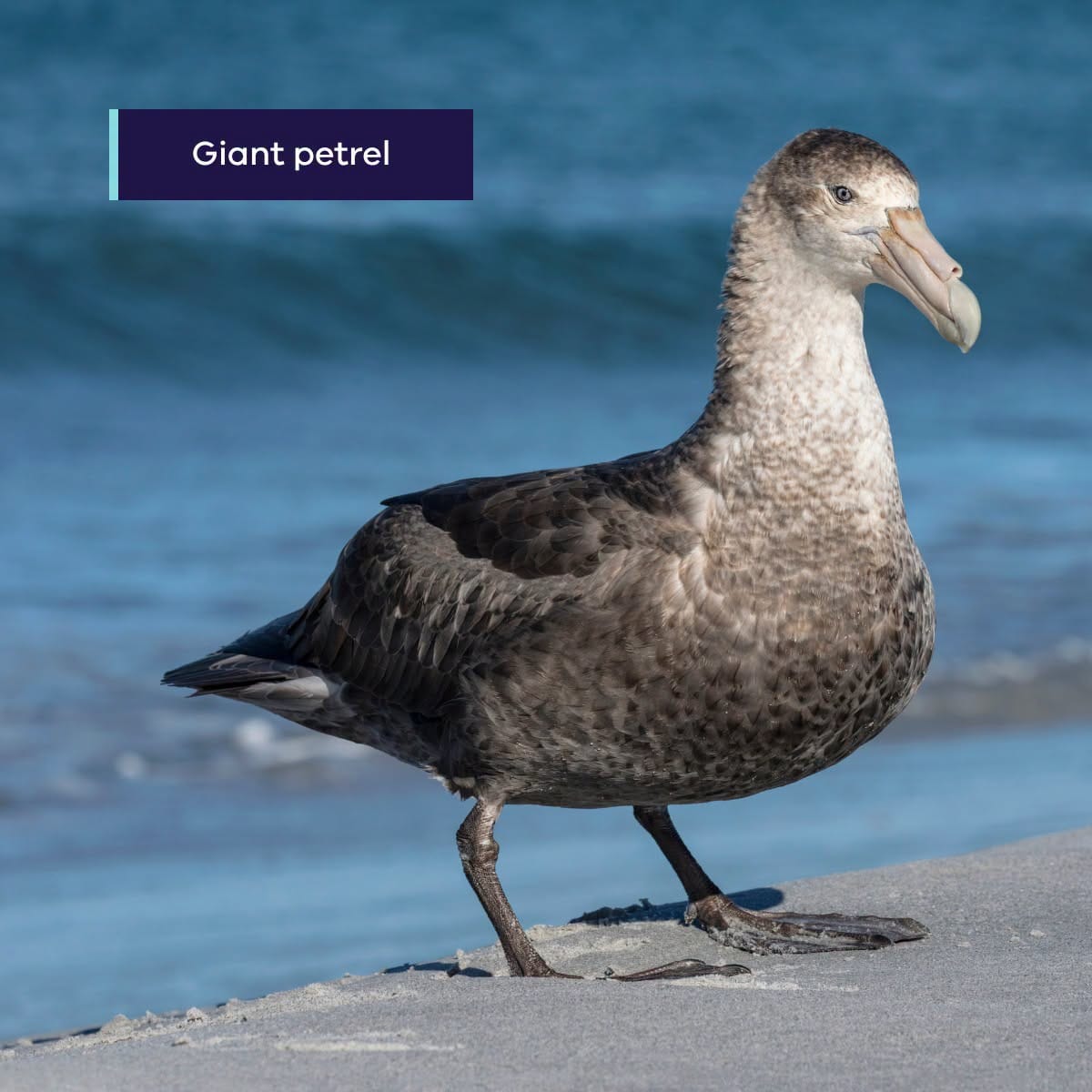
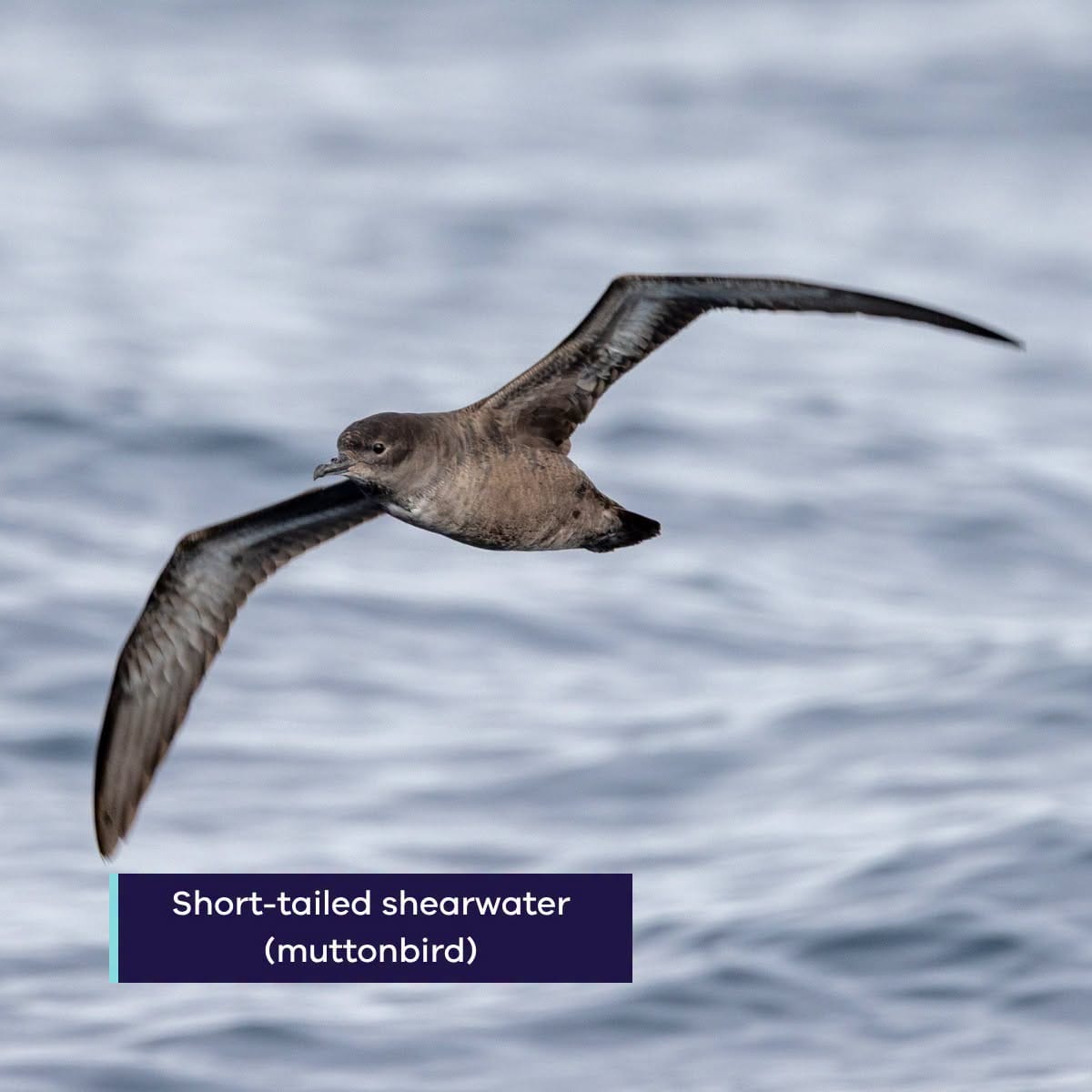
So far, H5 bird flu has been detected in five giant petrels and one brown skua.
DEECA has also provided details on the sorts of seabirds, in particular, to look out for.
“Knowing which birds to look out for can help us detect the disease early, before it has the chance to spread to local wildlife.
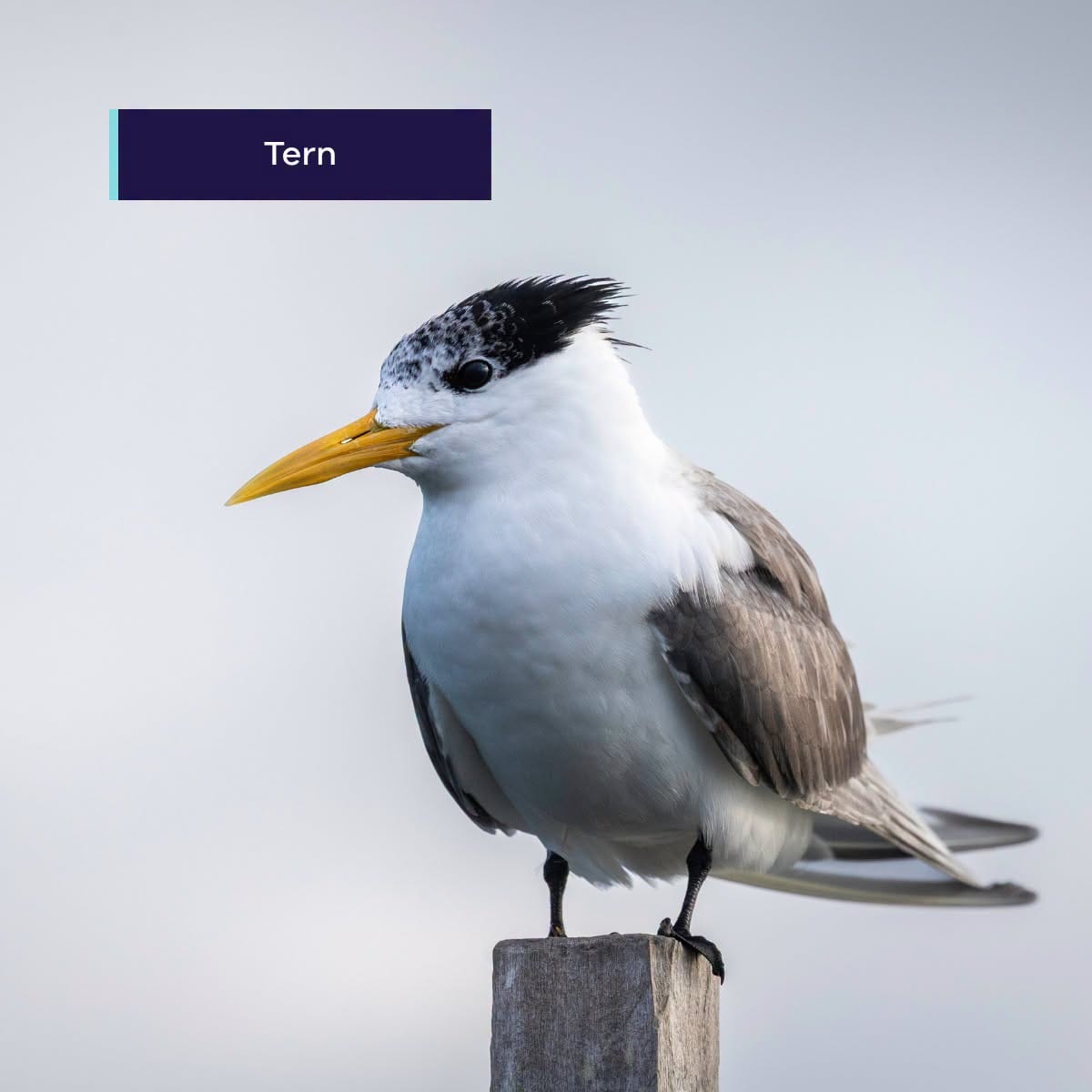
“To date, H5 bird flu has only been detected in migratory seabirds that occasionally visit southern Australia,” DEECA said on social media while providing photos of the giant petrels, brown skua, diving petrel, prion, albatross, Pacific gulls and Little Penguins, among others.
“We know people care deeply about wildlife and want to help when they see an animal in distress,” said DEECA.
“Injured wildlife may still need rescue and care, but if birds or wildlife appear sick, or dead, avoid contact and report it so trained responders can safely assess the situation.
“Your report could help detect disease early and support our wildlife.”
PINP has active response plan in place
As one of the key management agencies for one of the high-risk species, Little Penguins, Phillip Island Nature Parks recently issued a statement about its level of preparedness.
“This is the first time this strain of bird flu has been detected in Australia, and while the disease has not been detected in Victoria yet, we have increased monitoring of penguin and seal colonies, and migratory shorebird areas, and have an active Avian Influenza Response Plan in place,” said a spokesperson for PINP.
“The Nature Parks has been planning for the arrival of this bird flu strain since 2023, and we continue to work closely with The Department of Energy, Environment and Climate Action (DEECA) on an effective response. We remind all Victorians to stay aware and report unusual wildlife sickness or mortality."
“Over the past three years the Nature Parks has invested significant resources into building the health and resilience of habitat for little penguins, Eastern barred bandicoots, short-tailed shearwaters and shorebirds.
“This resilience work supports a species’ ability to respond to environmental threats including disease.
“The community can help if they see unusual illness or death in wildlife – avoid contact, record the details and report it so it can be investigated.”
According to the Phillip Island Nature Parks’ 2024-25 annual report, the penguin parade and associated visitor opportunities attract more than 1 million visitors to Phillip Island annually and $31.8 million in revenue to PINP alone.
How to report
Avoid contact with sick or dead wildlife and keep your pets away
Record what you see, take photos and note the location.
Report it to DEECA using the?online form?or call the Emergency Animal Disease Hotline 1800 675 888.
Report clusters of 5 or more sick or dead wild birds of any species, anywhere in Victoria.
Or report one or more individuals from a high-risk species including:
- Penguins or pelicans
- Bird of prey, such as hawks, owls, eagles
- Black swan
- Marine mammals, such as seals, sea lions, dolphins


