What could be worse than losing a couple of motorbike races?
Only one thing could be worse for the tourist economy of Phillip Island, Bass Coast and Victoria than losing the Australian rounds of the MotoGP and the World Superbikes - the penguin parade!


ONLY one thing could be worse for the tourist economy of Phillip Island, Bass Coast and Victoria than losing the Australian rounds of the MotoGP and the World Superbikes.
And since a second migratory bird tested positive to the H5N1 strain of the highly pathogenic avian influenza in Western Australia this week, Phillip Island Nature Parks has redoubled its efforts to protect its world-famous Penguin Parade and other wildlife.
The loss of the Superbikes, announced last Thursday, only months after the MotoGP exit, has been described as a “devastating blow” to the community by Bass Coast Mayor Cr Brett Tessari, with Destination Phillip Island estimating the loss to the Victorian economy at $70 million annually.
While reaching out to local businesses, tourism operators, volunteers and community members “who have supported these events for decades”, Cr Tessari made an urgent plea to the Victorian government.
“We are calling on the Victorian Government to urgently work with Council, industry and local stakeholders to deliver meaningful investment and secure new opportunities that will replace the significant economic benefits these events have provided for decades,” said Cr Tessari.
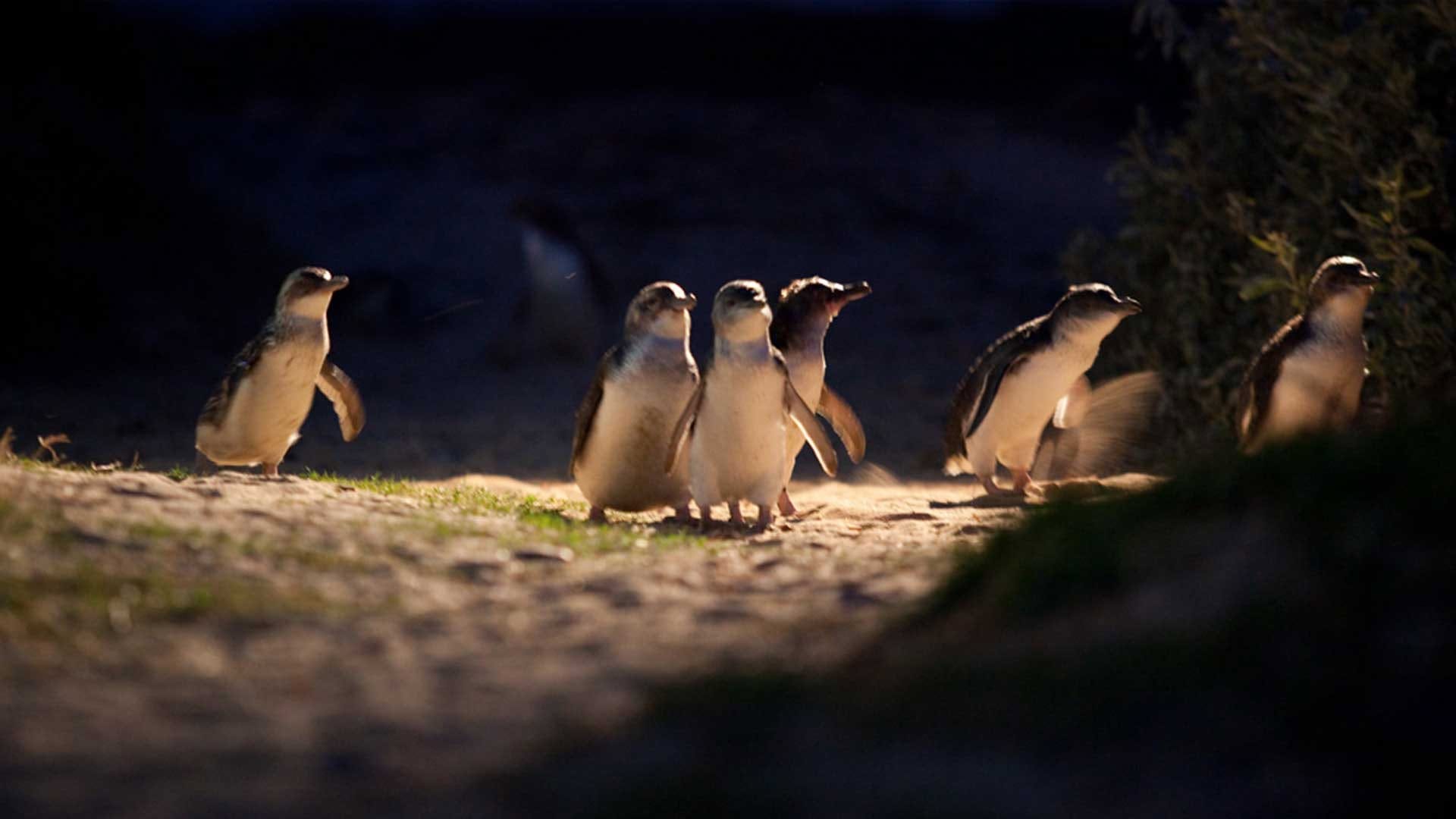
However, while the loss to the Phillip Island economy from these two events could top the $40 million mark, according to the Phillip Island Nature Parks’ 2024-25 annual report, the penguin parade and associated visitor opportunities attract more than 1 million visitors to the Island annually and $31.8 million in revenue to PINP alone
Following an announcement by the Agriculture Minister Julie Cook on Monday, confirming a second migratory bird has the H5N1 flu, Phillip Island Nature Parks says it is “closely monitoring the situation in Western Australia and preparing for the potential arrival of the virus in Victoria”.
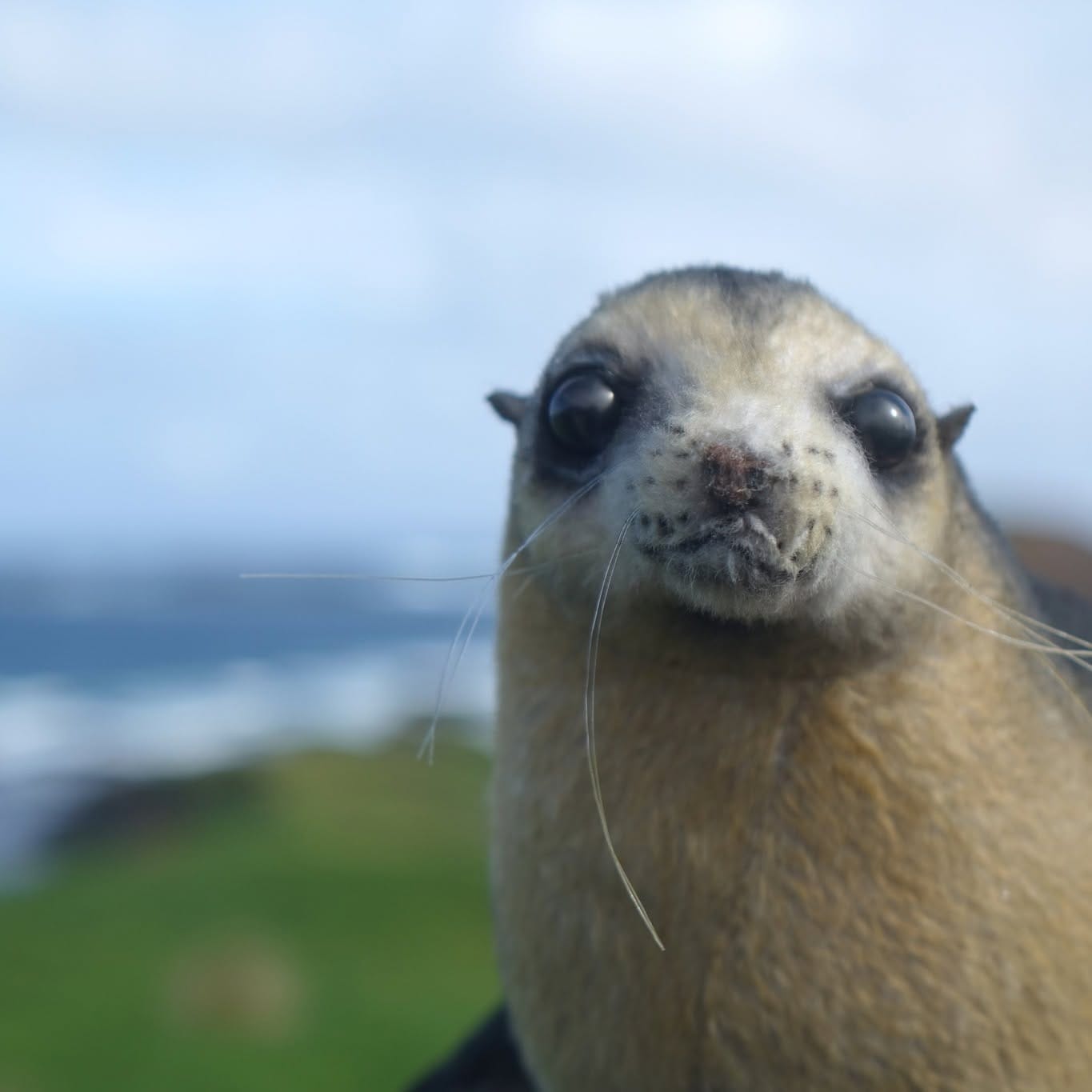
“This is the first time this strain of bird flu has been detected in Australia, and while the disease has not been detected in Victoria yet, we have increased monitoring of penguin and seal colonies, and migratory shorebird areas, and have an active Avian Influenza Response Plan in place,” said a spokesperson for PINP.
“The Nature Parks has been planning for the arrival of this bird flu strain since 2023, and we continue to work closely with The Department of Energy, Environment and Climate Action (DEECA) on an effective response. We remind all Victorians to stay aware and report unusual wildlife sickness or mortality."
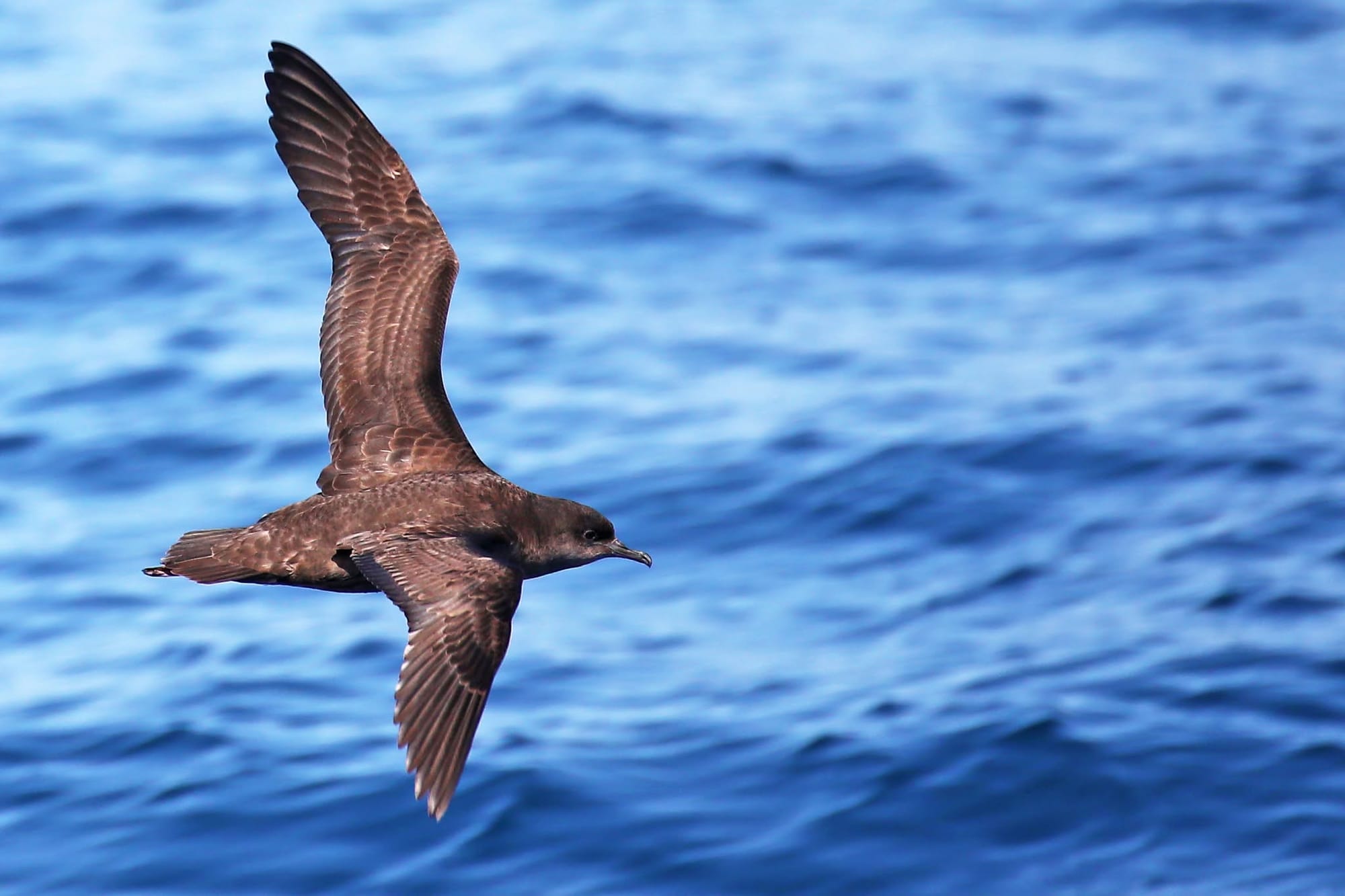
“Over the past three years the Nature Parks has invested significant resources into building the health and resilience of habitat for little penguins, Eastern barred bandicoots, short-tailed shearwaters and shorebirds.
“This resilience work supports a species’ ability to respond to environmental threats including disease.
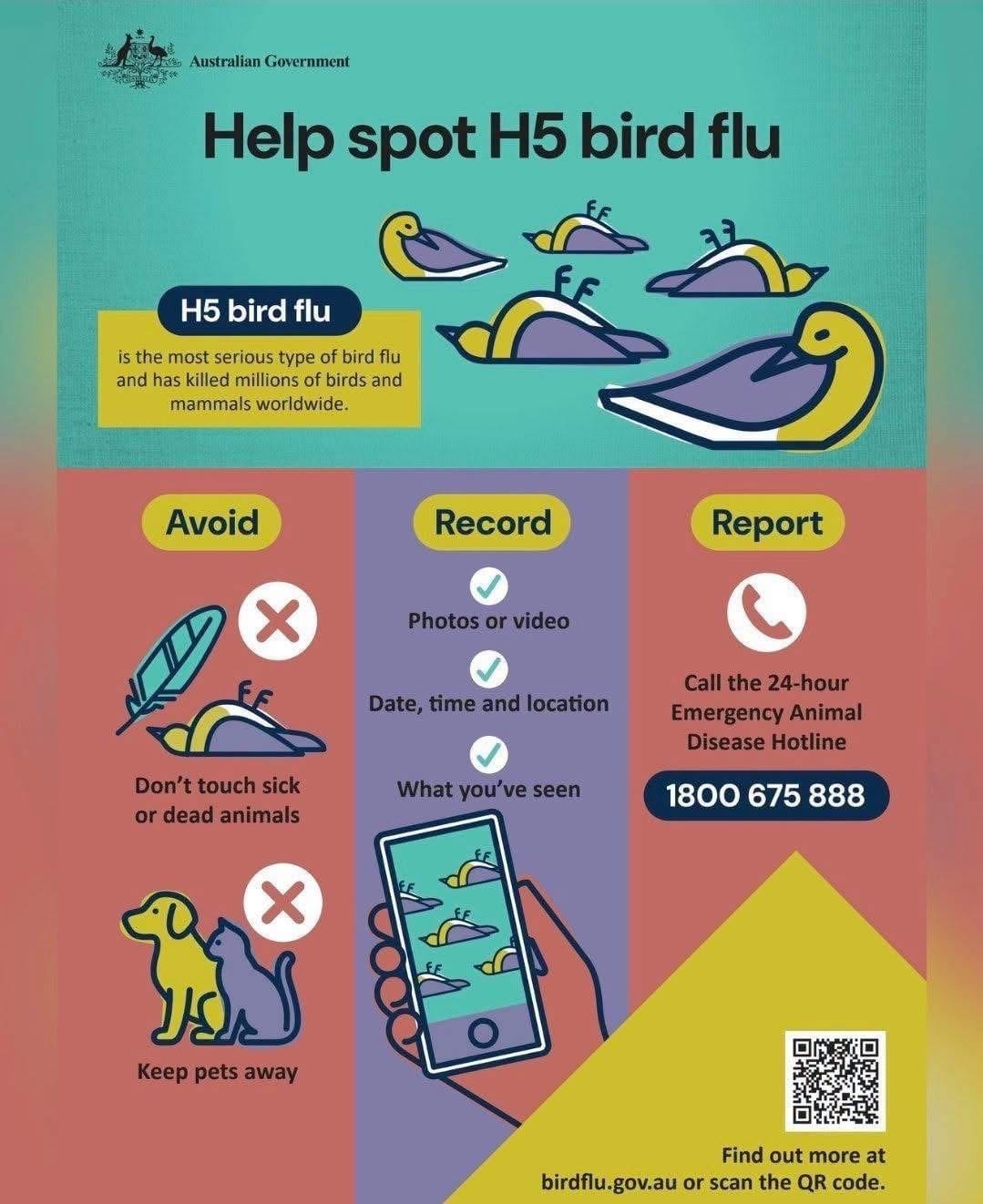
“The community can help if they see unusual illness or death in wildlife – avoid contact, record the details and report it so it can be investigated.”
How to report
Avoid contact with sick or dead wildlife and keep your pets away
Record what you see, take photos and note the location.
Report it to DEECA using the online form or call the Emergency Animal Disease Hotline 1800 675 888.
Report clusters of 5 or more sick or dead wild birds of any species, anywhere in Victoria.
Or report one or more individuals from a high-risk species including:
- Penguins or pelicans
- Bird of prey, such as hawks, owls, eagles
- Black swan
- Marine mammals, such as seals, sea lions, dolphins
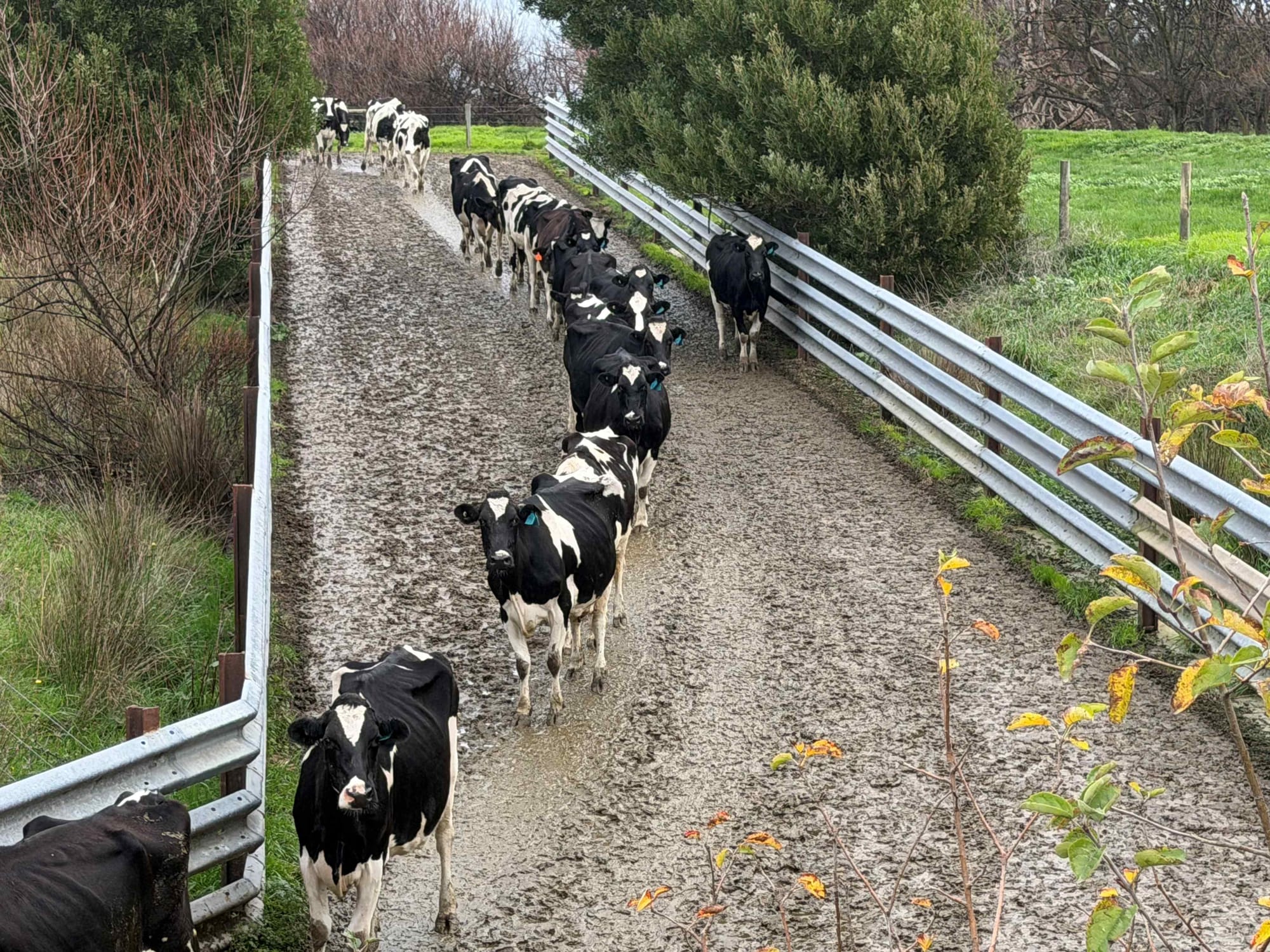
Farmers urged to ‘stay alert’
The arrival of the H5N1 bird flu on Australian shores also presents challenges for the agriculture with the Victorian Farmers Federation issuing a statement last week, calling on farmers and the broader community to stay alert and likewise report any sick or dead birds or animals to the animal disease hotline.
“The Victorian Farmers Federation is aware that a case of H5 avian influenza has been confirmed in Western Australia, and we are working closely with government as the national response gets underway,” said VFF President, Ryan Milgate.
“While any detection of H5 is concerning, it's important to keep this in perspective. Western Australia is a very long way from Victoria and governments across the country are well prepared for this exact situation. Australia has successfully managed other strains of avian influenza in recent years, and the risk to human health remains very low,” he said.
“We won't understate the risk this poses. Australia was the only continent to remain free of the H5N1 strain that has spread around the world since 2020. If the disease takes hold, it will be extremely distressing for farmers and could have significant economic impacts. That’s why preparation and vigilance are now critical.
“Over the past 36 hours we’ve been in regular contact with the Victorian Government on behalf of industry and we will continue to keep our members informed as the situation develops.
“We're urging all farmers and the broader community to stay alert. Any sick or dead birds or animals should be reported immediately to the Emergency Animal Disease Hotline on 1800 675 888.
“Because H5 can cross between species, every livestock sector needs to be prepared, not just poultry producers and producers should review their biosecurity safeguards.
“This is a reminder of why strong biosecurity is so critical. Australian farmers are world leaders in protecting our food and fibre industries, and by farmers, community and government working together we are in the best possible position to respond.”
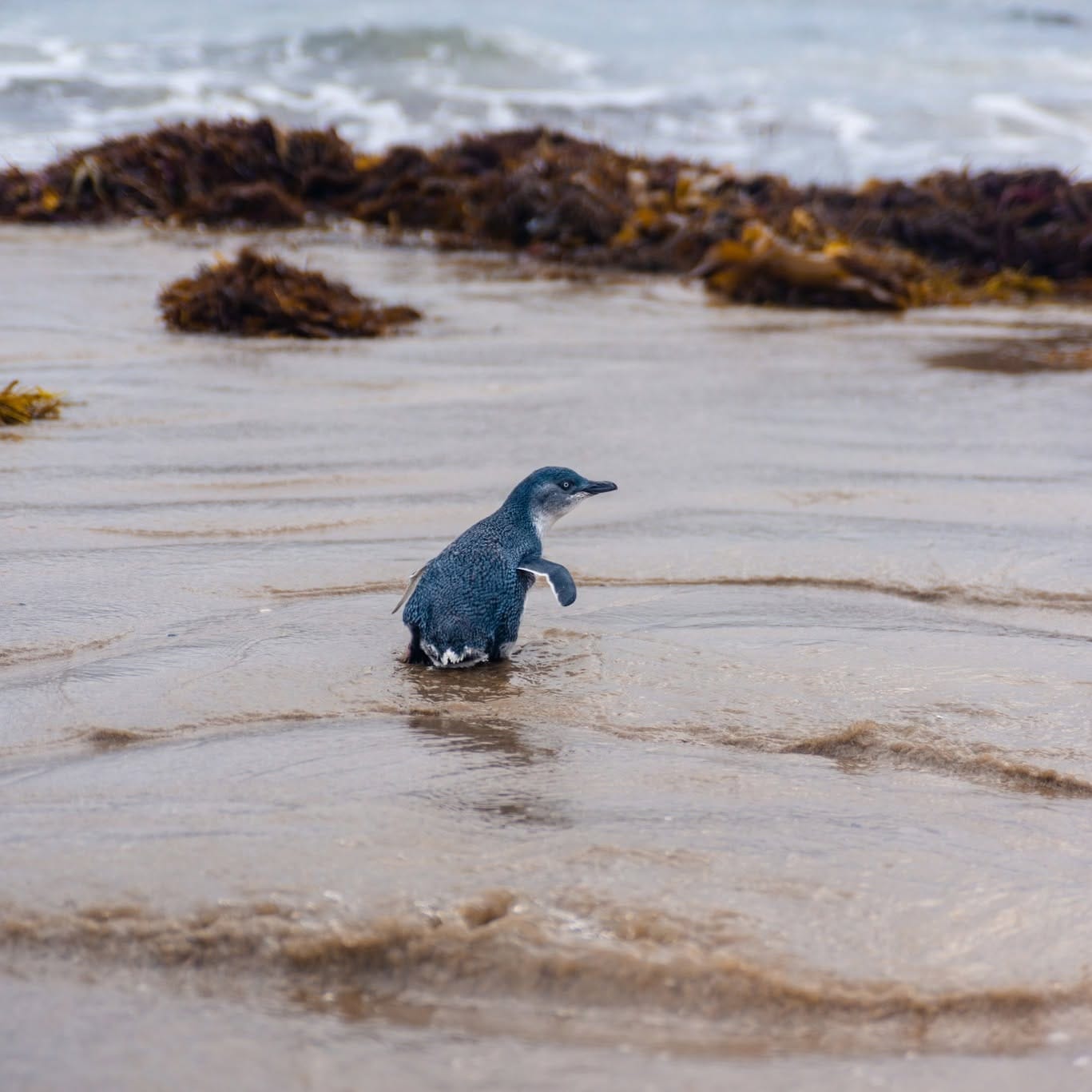
Australian Agriculture Minister
Australian Agriculture Minister Julie Cook updated the community on te latest developments on Monday.
“Testing at the CSIRO’s Australian Centre for Disease Preparedness has confirmed the H5 hyper pathogenic avian influenza in the brown skua in Western Australia, but further testing has now confirmed that we also have the H5 bird flu in the northern giant petrel found in the same region.
“So, I want to reiterate that this is two birds that have been found with the H5 bird flu in an isolated area of Western Australia. I also want to reiterate at this time there is no evidence of any mass mortalities, particularly in our wildlife.
“I also want to reiterate that our poultry system and our agricultural systems remain free from the H5 bird flu.
“This is very important, particularly in terms of our trading partners. It's also important that I reiterate that there is a low risk to human health when it comes to the H5 bird flu.
“Of course, we've now activated our national biosecurity response, as I indicated on Saturday. That response is being managed on the ground by Western Australia, but from the Federal Government's point of view, it has been coordinated right across government,” said Minister Cook.
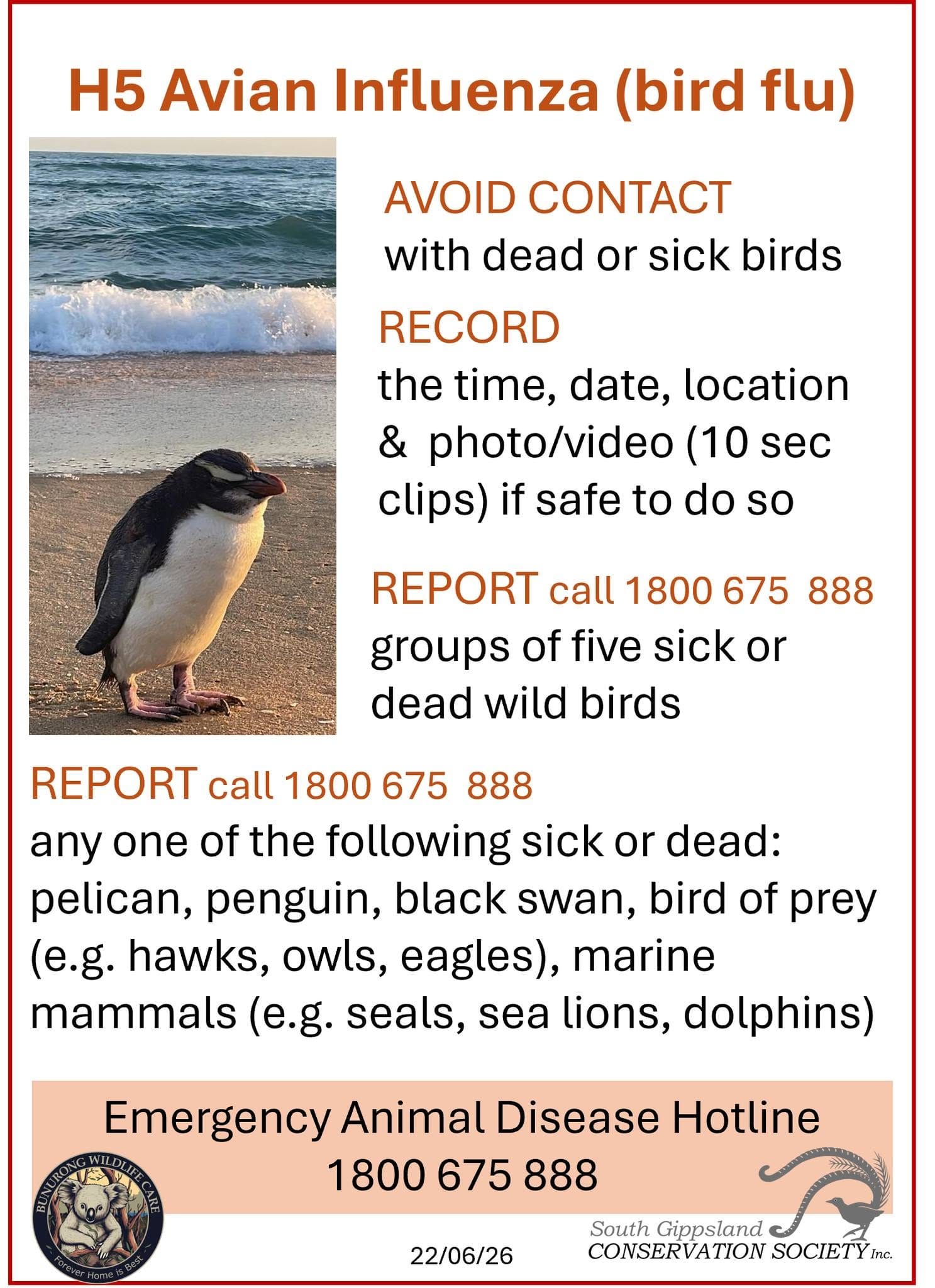
Bunurong Wildlife Care message
Bunurong Wildlife Care and the South Gippsland Conservation Society have shared a message urging those going for walks on the beach to report sightings of any sick or dead wildlife.
Hi Inverlochians and surrounding communities.
We are incredibly lucky to share our beautiful coastline with so many amazing coastal birds and marine life.
To help keep our local wildlife and pets safe, wildlife networks are asking beach communities to practice a little extra care at the moment regarding avian bird flu.
There is no need for panic, but staying aware helps our local ecosystem. If you are out walking, please remember the "Avoid, Record, Report" guidelines:
Avoid: Enjoy wildlife from a distance. Please do not touch or move sick or dead birds. Keep dogs on leashes near wildlife and away from bird carcasses.
Record: If you spot a sick bird or a dead seabird, note the exact location. Take a photo from a safe distance if you can.
Report: Call the 24-hour Emergency Animal Disease Hotline on 1800 675 888 so wildlife officers can safely look after it.
Thank you for helping us look after our beautiful beach and the creatures that call it home!
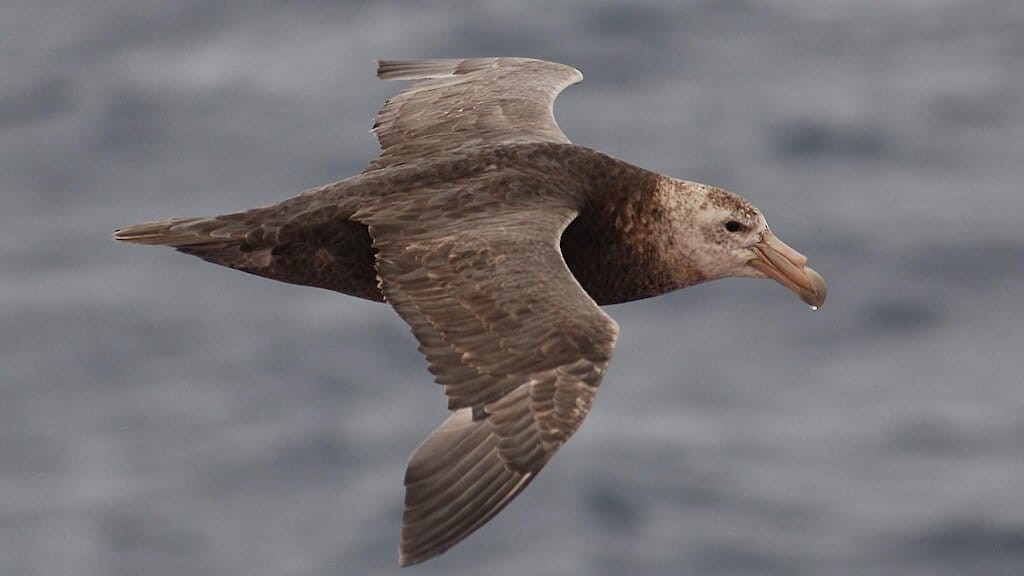
News update: SA bird flu confirmation
A third and fourth case of the deadly H5N1 bird flu has been confirmed in two more migratory birds on Australia's southern coast, another in Western Australia and a first confirmed case in South Australia.
South Australian Premier Peter Malinauskas said on Wednesday, June 24 the state recorded its first case of avian influenza in a Southern Giant Petrel found at Knights Beach on the Fleurieu Peninsula.
It comes after two birds were confirmed to have the disease near the town of Esperance in Western Australia.
Now a third bird has tested positive in the Quindalup area in WA's south-west.
Federal Agriculture Minister Julie Collins told parliament she was in contact with both of her WA and SA counterparts about managing the cases.
Eight other birds found along the WA coast from Esperance to Geraldton were tested but returned a negative result.
This follows the discovery of two dead birds which tested positive for H5N1 near Esperance last week.
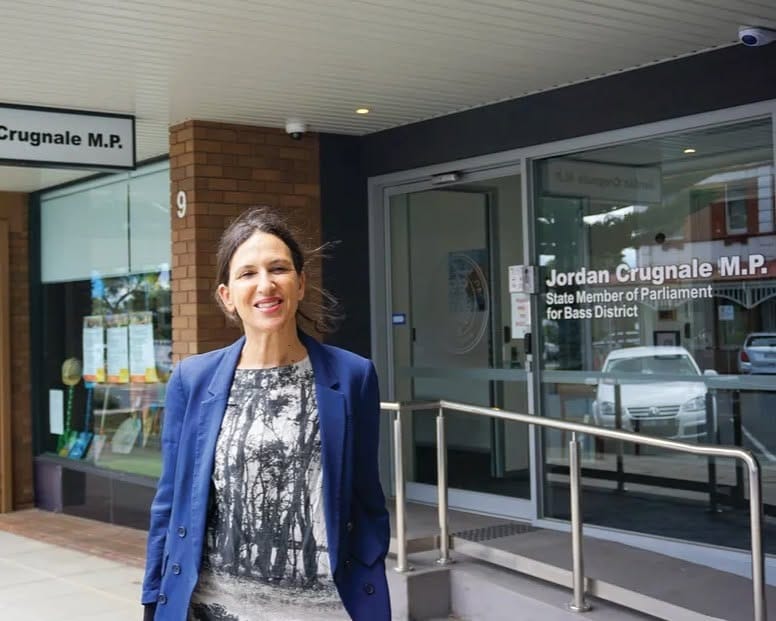
Spread the word about the bird flu, she says
Bass MP Jordan Crugnale has asked organisations and interested individuals to highlight the issues involved with the arrival, for the first time, of the H5N1 Bird Flu on Australia’s shores.
“Australia has been amongst the very, very few places globally with no cases until now,” said Ms Crugnale.
“A dedicated national H5 Bird Flu Taskforce has been operating since 2024, bringing together agriculture, environment, health and emergency management agencies.
“At this stage there a no confirmed cases in Victoria.
“How you can help: If you find multiple sick or dead birds or other animals do not touch them.
- Avoid: contact
- Record: what you see and location
- Report: Emergency Animal Disease Hotline on 1800 675 888. For more info visit www.birdflu.gov.au
“Please share this message to help raise awareness for early detection.
“The likelihood of people become infected is low, but good hygiene is important if you own birds.
“Thank you to our local organisations including Phillip Island Nature Parks for activating their plan and being on high alert increasing also the monitoring of penguin, seal and migratory bird colonies. To the Western Port Biosphere, Moonlit Sanctuary Wildlife Conservation Park, local papers, groups and organisations for messaging out vital information and raising awareness,” said Ms Crugnale.