

Bat myths busted in Korumburra
THE tiny microbat attracted a great crowd to the Korumburra Anglican Parish Hall on Saturday night. The Korumburra Landcare Group was thrilled to welcome Dr Lindy Lumsden, who delivered a fascinating presentation about the ecology and conservation...


THE tiny microbat attracted a great crowd to the Korumburra Anglican Parish Hall on Saturday night.
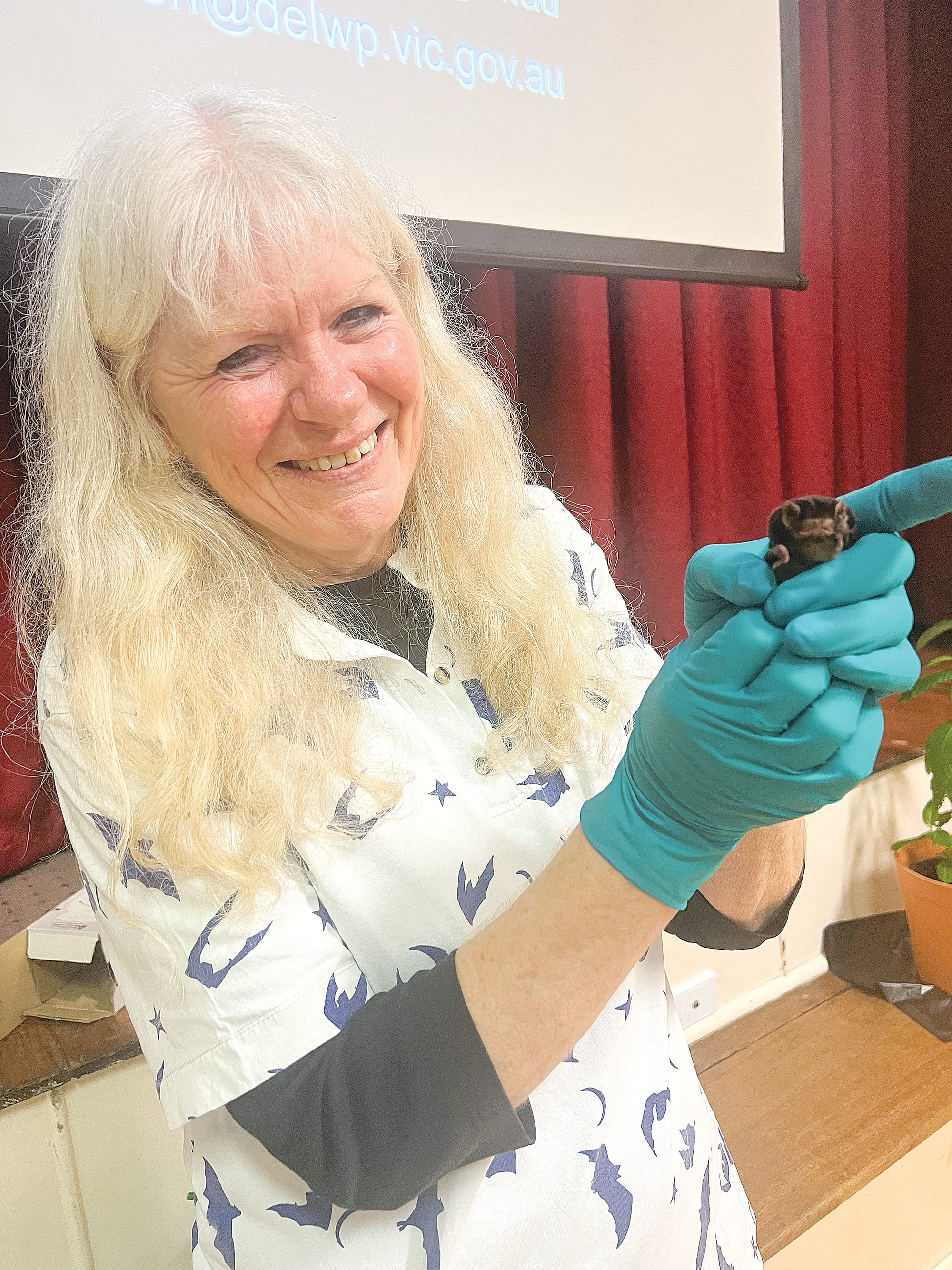
The Korumburra Landcare Group was thrilled to welcome Dr Lindy Lumsden, who delivered a fascinating presentation about the ecology and conservation of insectivorous bats.
Dr Lumsden is the principal research scientist and science leader with the Department of Energy, Environment, and Climate Action.
She is based at the Arthur Rylah Institute for Environmental Research and has contributed considerable research to the study of microbats.
She has investigated the conservation requirements of bats in agricultural landscapes in Victoria and was able to impart knowledge relevant to the local area.
With a passion for changing the negative stigma around bats, Dr Lumsden was thrilled to see a wonderful turnout of interested individuals at the presentation evening.
“When it comes to bats, there’s always the myth and mystery – all those negative images – but our bats are really friendly and really beneficial,” she said.
Bats consume large quantities of insects, including agricultural pests, which contributes to supporting a healthy ecosystem.
“We were looking at individual paddock trees that were looking quite stressed. One reason for that can be increased nutrients from cattle or sheep going into the tree, leading to increased numbers of insects in the tree, causing some defoliation,” Dr Lumsden said.
“Out in farm areas, it’s often thought the birds are really important for keeping insect numbers under control. What we were finding was there weren’t many insect eating birds coming out into these single paddock trees. They prefer hanging around in the remnant patches. Come nighttime, the bats were coming out and were feeding at these scattered paddock trees. What I think is happening is the bats are critically important for maintaining the health of the trees. If we didn’t have a lot of bats out there, our trees would be looking a lot sicker.”
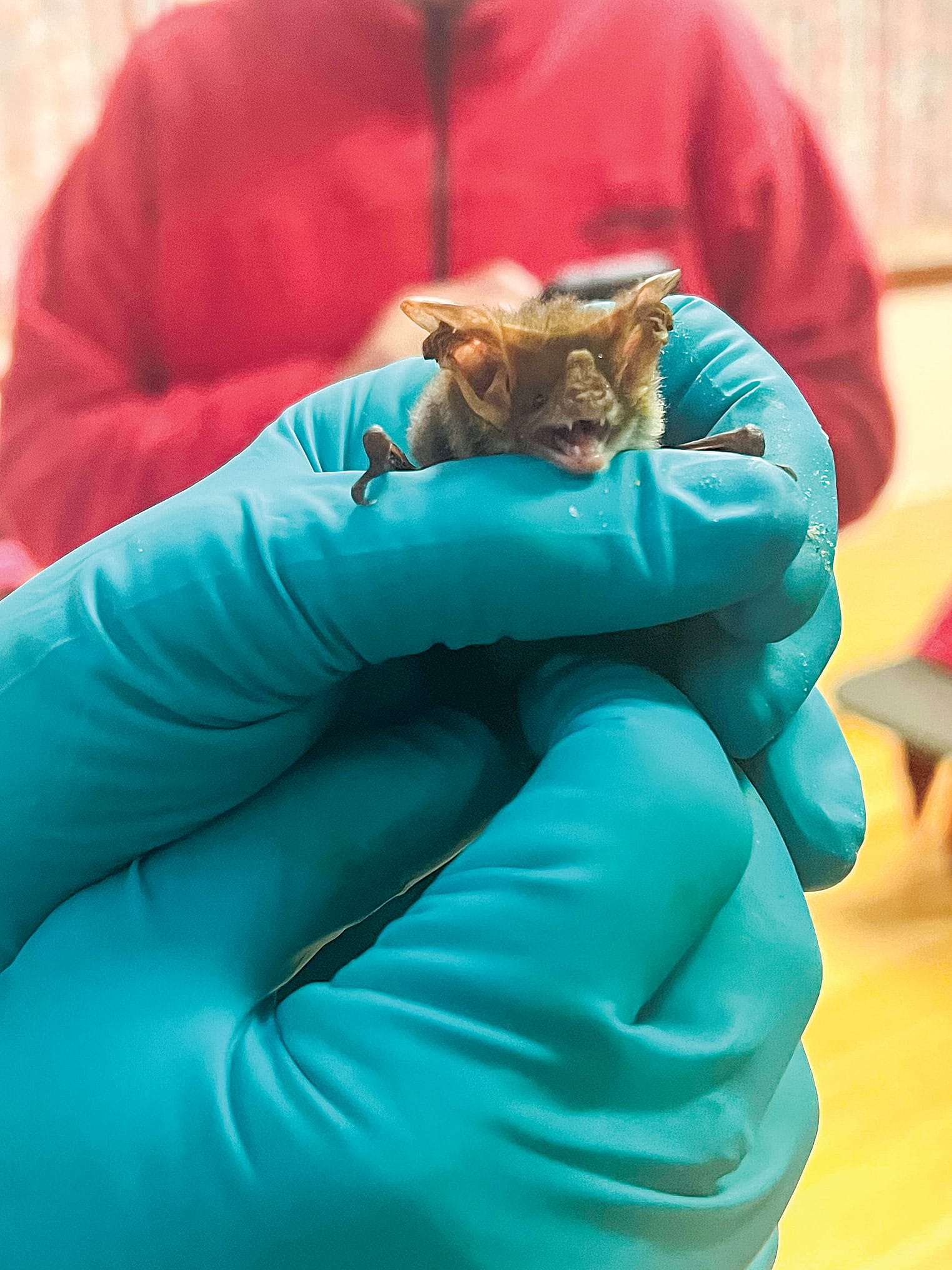
Locally, there are two groups of bats – the more familiar Grey-Headed Flying Fox and the microbats.
There are several 24 species of microbats living in Victoria, some weighing about as much little as a 10-cent piece.
Dr Lumsden said everyone in the audience would have bats flying over their properties, whether they lived in town, on a farm or in the bush, but they might not know they are there.
For more information, head to www.ari.vic.gov.au.


