

Crucial time for Phillip Island to host world penguin conference
The 12th International Penguin Conference (IPC12), last held in Chile in 2023, is being hosted by the Bass Coast Shire Council and Phillip Island Nature Parks in August-September this year.


THE 12th International Penguin Conference (IPC12), last held in Chile in 2023, is being hosted by the Bass Coast Shire Council and Phillip Island Nature Parks in August-September this year.
The prestigious event is expected to attract hundreds of scientists, conservationists, environmentalists, students and community representatives, locally and from around the world.
Organisers have pitched the conference, which will be launched at a welcome reception at the Berninneit Cultural Centre in Cowes on Sunday, August 30, as being the occasion for revealing groundbreaking research, innovative conservation strategies, and actionable solutions to address the challenges penguins face in a rapidly changing world.
“This conference fosters collaboration across disciplines, ignites meaningful dialogue, and inspires a global movement to protect penguins and the marine ecosystems they call home. Supporting this conference helps translate scientific knowledge into actionable policies and prioritises critical conservation actions.”
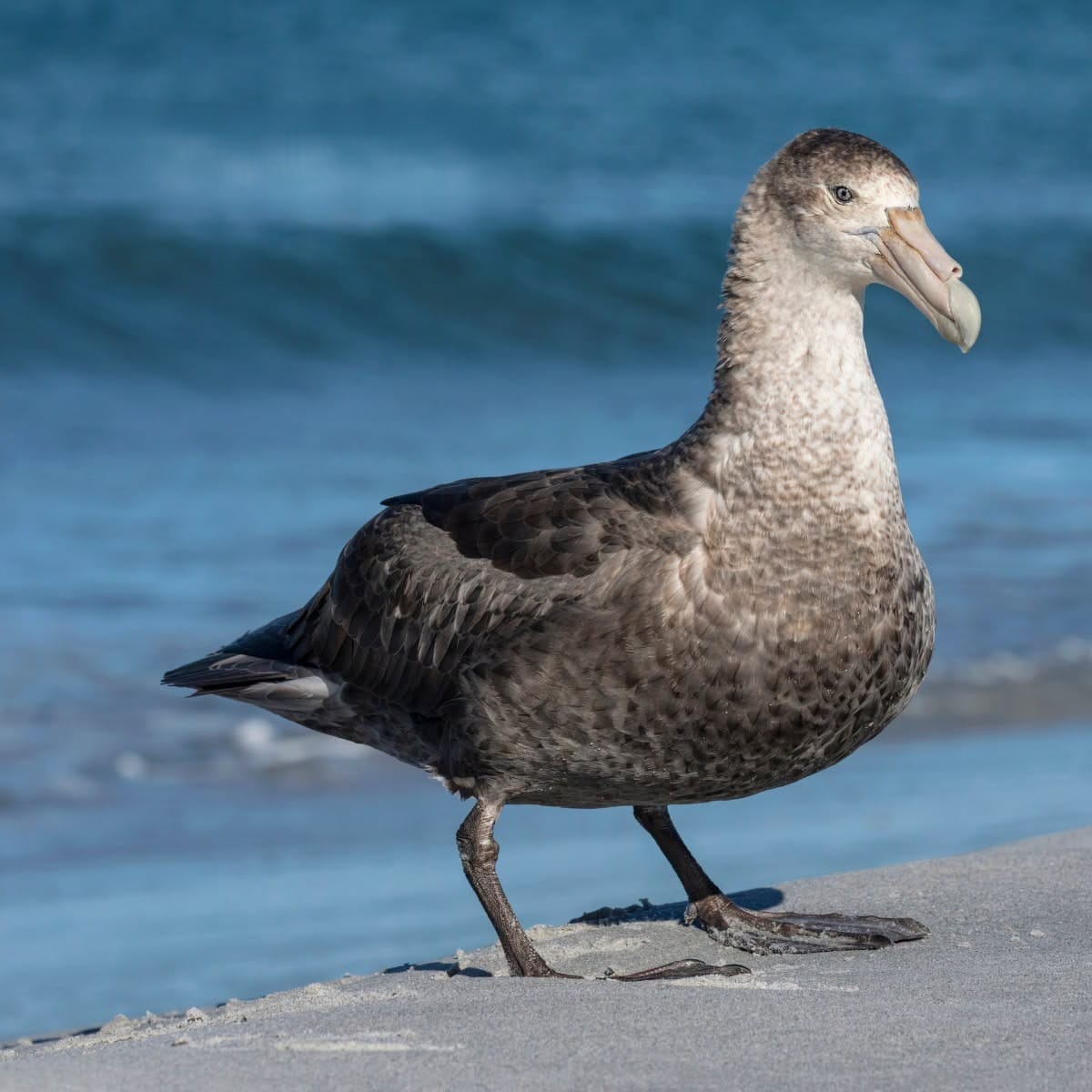
The event could not be coming here at a more crucial time for the world-famous Phillip Island Penguin Parade which is facing the threat of H5N1 bird flu which arrived on Australia’s shores for the first time, in Western Australia, on June 14.
Several sessions at the conference are expected to address ‘Health and Disease in Penguins and Marine Ecosystem’.
As of 9am AEST on Thursday, July 9, according to the Department of Agriculture, Australia now has eight confirmed (or presumed) detections of H5 bird flu in wild birds.
There are five confirmed in Western Australia, two in South Australia and one in New South Wales.
“There is no evidence of any mass mortality and no evidence of infection in poultry or the wider agriculture industry. The risk to human health remains low.”
Shael Martin, Phillip Island Nature Parks General Manager Conservation has welcomed the news that PINP will be hosting such an important event.
“Phillip Island Nature Parks is excited to be hosting the International Penguin Conference at Berninneit later this year, where the world’s best penguin researchers will gather to share new research about all kinds of penguins,” said Ms Martin.
“It’s already exceeded our expectations, with more than 200 people set to attend. Many attendees will travel with their families, coming to spend the week on Phillip Island.
“We’ve received more than 240 abstract submissions from around the world – cutting edge penguin research about different species, habitats, feeding patterns and protection of this wonderful species,” she said.
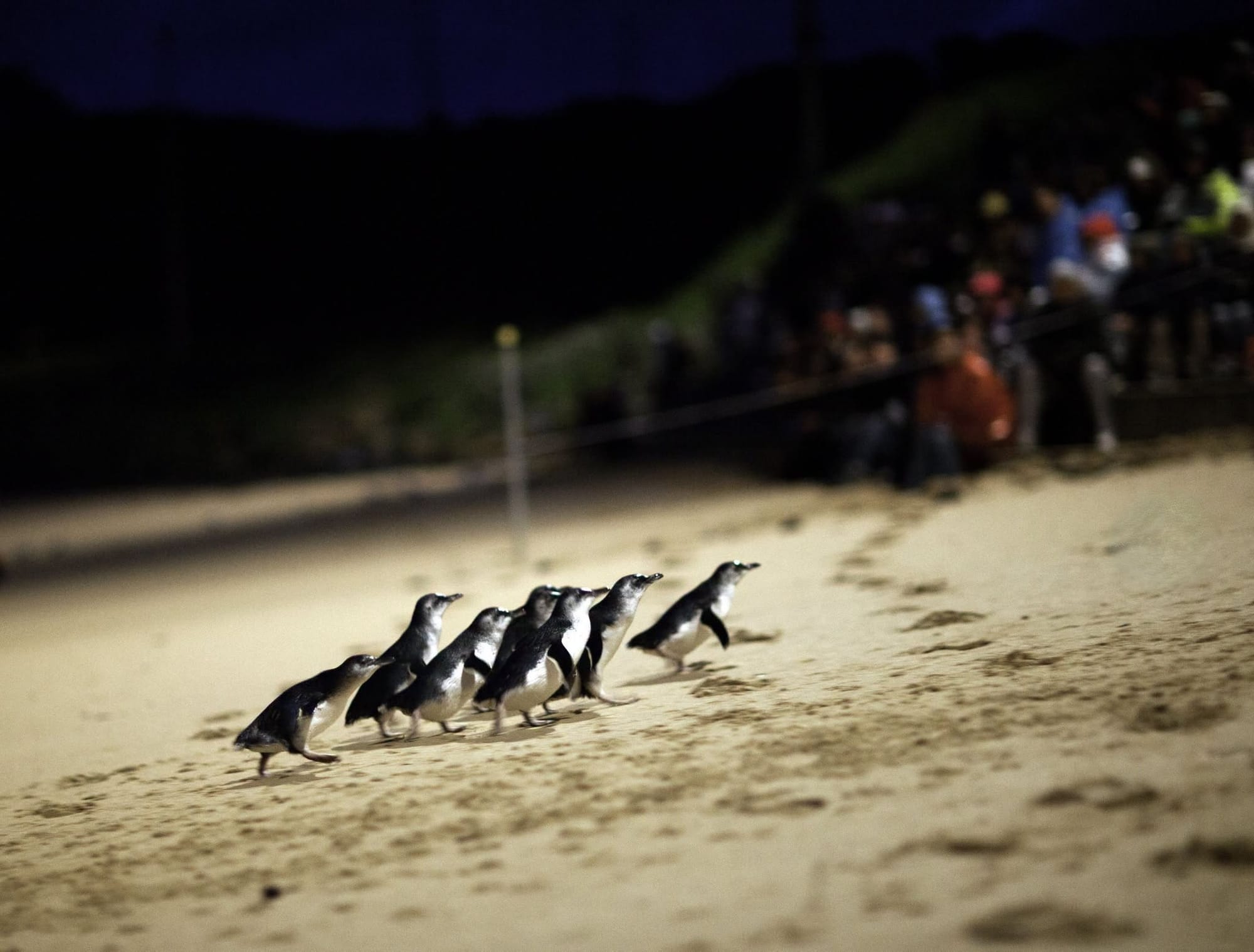
“We will be holding free activities and information sessions for the community over the week, including hosting expert speaking events at the Penguin Parade.”
While the welcome event will be held at Berninneit on Sunday, August 30 from 5pm to 7pm the conference at the start of a being week of events, presentations and visits, it will culminate at a conference dinner, featuring a visit to the penguin parade, on Thursday, September 3.
Attending the event doesn’t come cheap with full access tickets costing $995, offering access to all conference sessions and gatherings, as follows:
- Entry to the Welcome Reception on August 30 and access to all sessions from August 31 – September 4.
- A name badge
- A delegate gift
- Lunch and morning and afternoon refreshments.
- Tickets to attend the Conference Dinner may be purchased separately.
But there’s the opportunity to attend individual days for $450 and a student entry cost of $575.
The full conference program and speakers list will be released soon but the conference is expected to cover the following topics:
- Advocacy and Policy for Penguin Conservation. Exploring how science informs real-world conservation, this theme focuses on protecting threatened species, influencing marine policy, and improving environmental governance. Topics include cost-effective decision-making, the strategic value of monitoring, and bridging the gap between research, management, and public engagement.
- Health and Disease in Penguins and Marine Ecosystem. Dedicated to understanding the health of marine wildlife as a reflection of ecosystem change. Presentations can address emerging diseases, the physiological impacts of human activity, and the integration of health metrics into long-term penguin conservation strategies. This theme will strengthen links between veterinary science and penguins in the wild.
- Innovative Technologies in Penguin Research. Highlighting breakthroughs in marine research tools, this theme can showcase bio-logging, satellite tracking and artificial intelligence. These technologies are transforming the way researchers collect, interpret, and apply data in marine science and penguin conservation.
- Penguin Ecology, Behaviour, and Population Dynamics. Focused on uncovering how penguins live, move, and reproduce, this theme emphasises behavioural studies, long-term monitoring, and population modelling. Research will deepen understanding of penguins’ ecological roles and provide critical insights for managing marine biodiversity.
- Climate Change Impacts on Penguins and Marine Ecosystems. Addressing one of the greatest challenges of our time, this theme explores how climate change reshapes marine life and the habitats of penguins. Topics may include species responses to warming oceans, altered food webs, and the development of forecasting and adaptation strategies.
- Beyond the Core Themes. A flexible space for research areas not covered by the main themes. This includes unique case studies, interdisciplinary approaches, regional or species-specific work, and novel insights that contribute to our broader understanding of ocean science and penguin conservation.


