

National Sorry Day marked in Bass Coast
SORRY Day, also known as the National Day of Healing, was held at the Cape Paterson Surf Life Saving Club on Friday morning, to commemorate the Stolen Generations and encourage truth telling to promote healing and reconciliation. The annual event...


SORRY Day, also known as the National Day of Healing, was held at the Cape Paterson Surf Life Saving Club on Friday morning, to commemorate the Stolen Generations and encourage truth telling to promote healing and reconciliation.
The annual event was held at the Cape Paterson Surf Life Saving Club to acknowledge and remember the forced removal of Aboriginal and Torres Strait Islander children from their families, communities, and cultures.
The community was invited to acknowledge the strength of Stolen Generation survivors and reflect on how we can play our part in the healing process.
The event began with a Welcome to Country with local Aboriginal and Torres Strait Islander leaders Patrice Mahoney OAM, Traditional Owner Bunurong Trawlwoolway Uncle Anthony Egan, and Paul Patten.
Formalities of National Sorry Day followed with Uncle Anthony sharing his family’s story and explaining that, ‘there are very different points of view of how aboriginality is in today’s society. It’s very important we have these conversations that perhaps make us feel fragility. We need to get comfortable in the limited knowledge that we have.’
Patrice Mahoney OAM then hosted the afternoon’s sharing’s by leading with, ‘it’s going to be a challenging day. Today we could find our emotions strong, complex, heavy, maybe loud, or quiet. And I think for everyone the emotions are very different.’
“That silence and all of those emotions come from a want of family, a want of culture, of freedom, and freedom of our own thoughts,” said Patrice.
“There is an aching gap from government policies and procedures, and that’s the only reason its there. It is deep within our soul.”
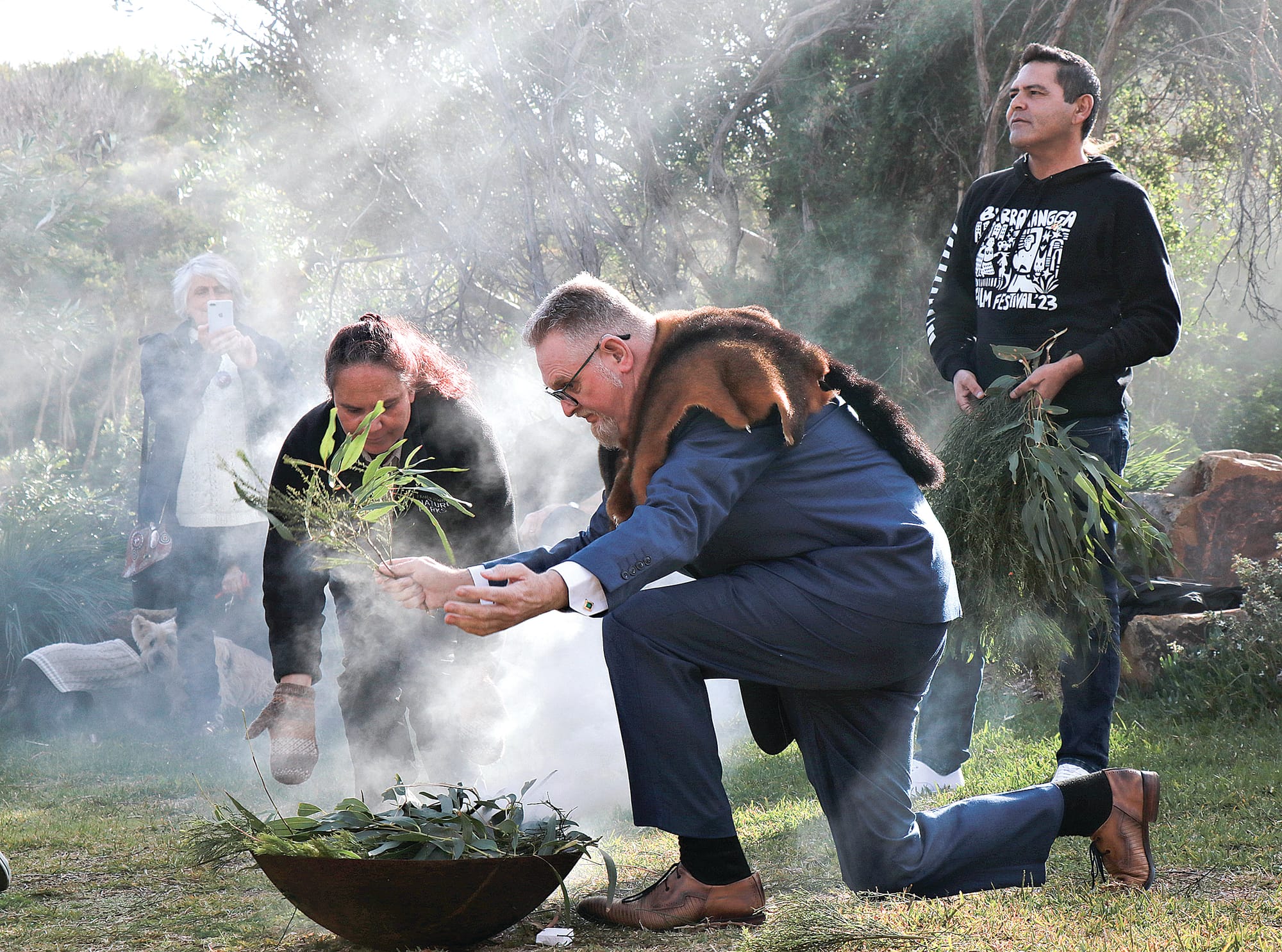
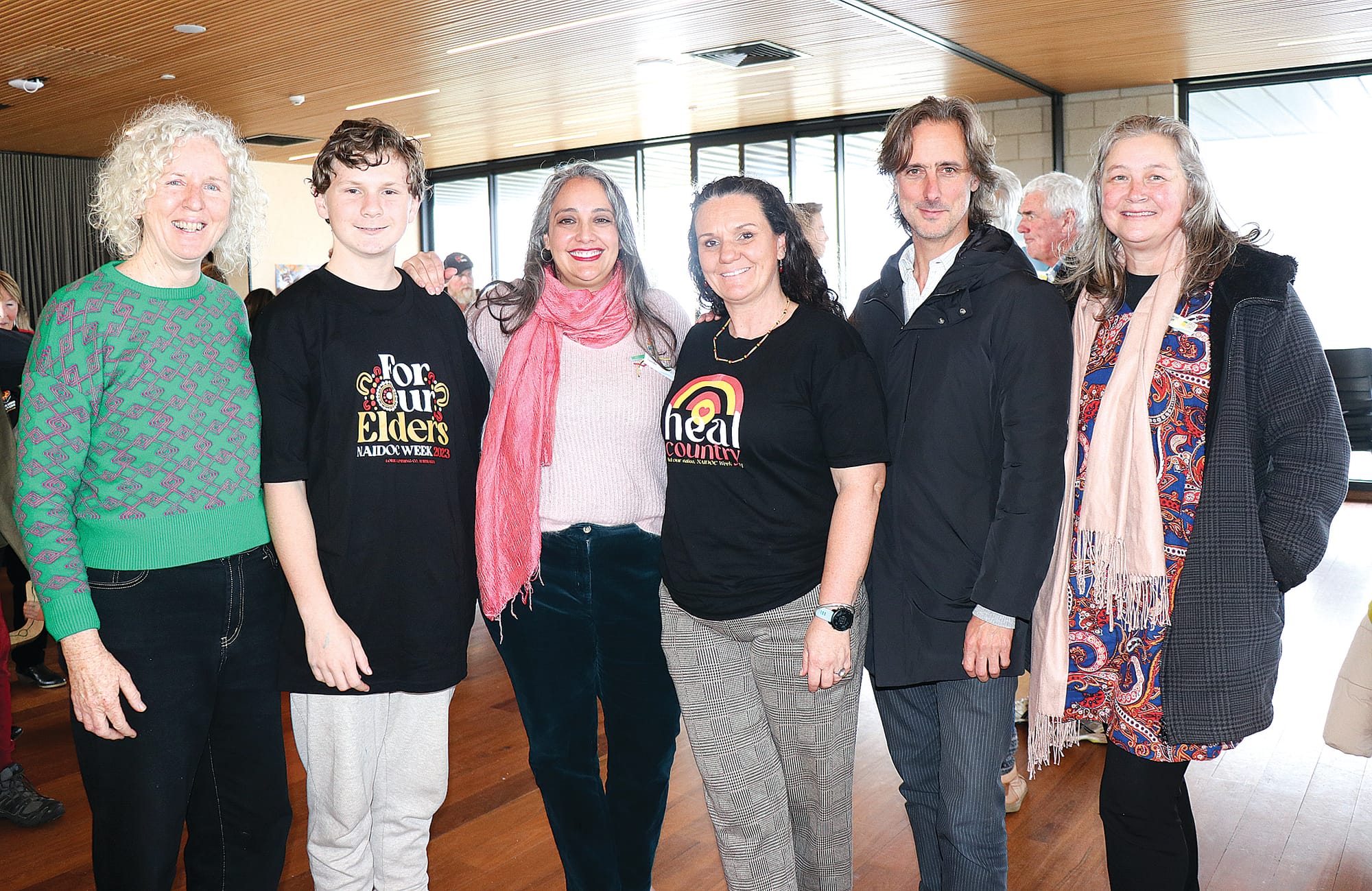
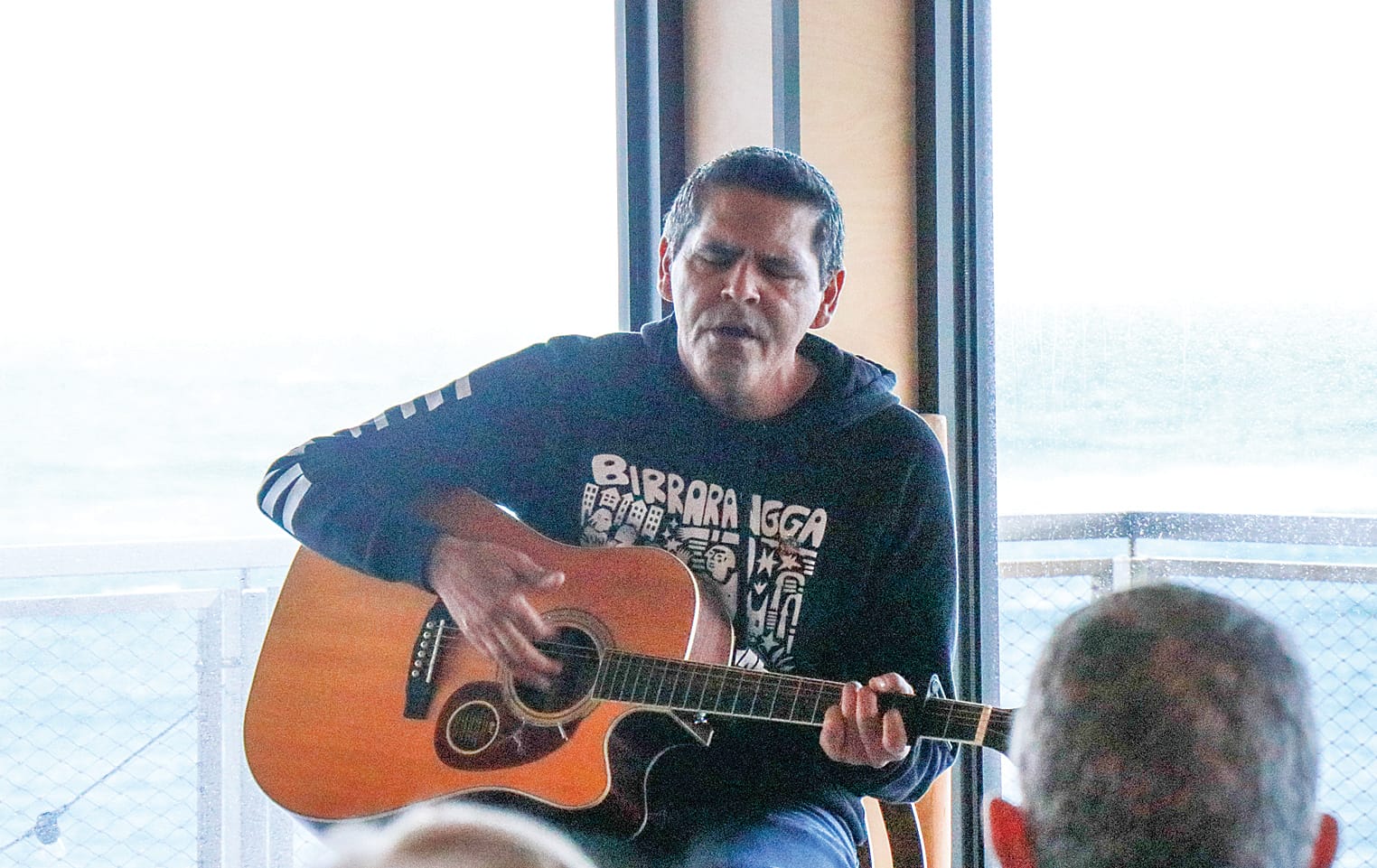
Paul Patten was then introduced to share his story – his father’s stolen generation story. The words spoken by Paul were powerful and dense, bringing a sense of sorrow to everyone in the room.
“My father is a member of the stolen generation; he was born on the far south coast of New South Wales in 1947, and at the age of five years old, he vividly remembers the day he had to hide under the bed, before welfare and the police drove him away from his siblings.
“He was given to a Christian couple on the North Coast of New South Wales, where they were also given another little aboriginal girl. He tells me he remembers having a little room with no light where he could spend his time, when not doing chores. He remembers going to school in Taree and then at 11 years old he was required to iron and do his own washing, whilst also running errands for his good Christian couple in rain, hail, or shine.”
“He was 18 years old when he first saw his mother again,” said Paul.
Paul bravely spoke of his father’s story with permission for the first time, and the floor was then opened for any other Aboriginal and Torres Strait Islander peoples to share their stories, where Dion rose to share that the stolen generation continued into the 90s and into the 2000s, and how he remembered being removed from his family.
The Bass Coast Reconciliation Network is a group of organisations that works with community to promote reconciliation between Aboriginal and Torres Strait Islander peoples and non-Indigenous Australians in the Bass Coast region.
Bass Coast Reconciliation Network has members from Bass Coast Shire Council, Bass Coast Health, Westernport Water, Phillip Island Nature Parks, Bunurong Land Council, Bass Coast South Gippsland Reconciliation Group, Myli, West Gippsland CMA, South Gippsland Water and Aboriginal and Torres Strait Islander Community members and with all in attendance they were pleased to see the organisations come together with the community to acknowledge and celebrate this important date of significance.


