

New ancient turtle species revealed on the Bass Coast
Fossilised remains of a new genus and species of a 125-million-year-old (Lower Cretaceous) turtle have been discovered near Inverloch.


IN A world first, the fossilised remains of a new genus and species of a 125-million-year-old (Lower Cretaceous) turtle have been discovered near Inverloch on the Bass Coast.
This ancient river turtle once lived alongside the region’s ancient dinosaurs on the banks of what was known as Big River, a fossil locality that has yielded the most complete specimens of these turtles ever found.
The Dinosaur Dreaming dig at Inverloch has just entered its third and final week.
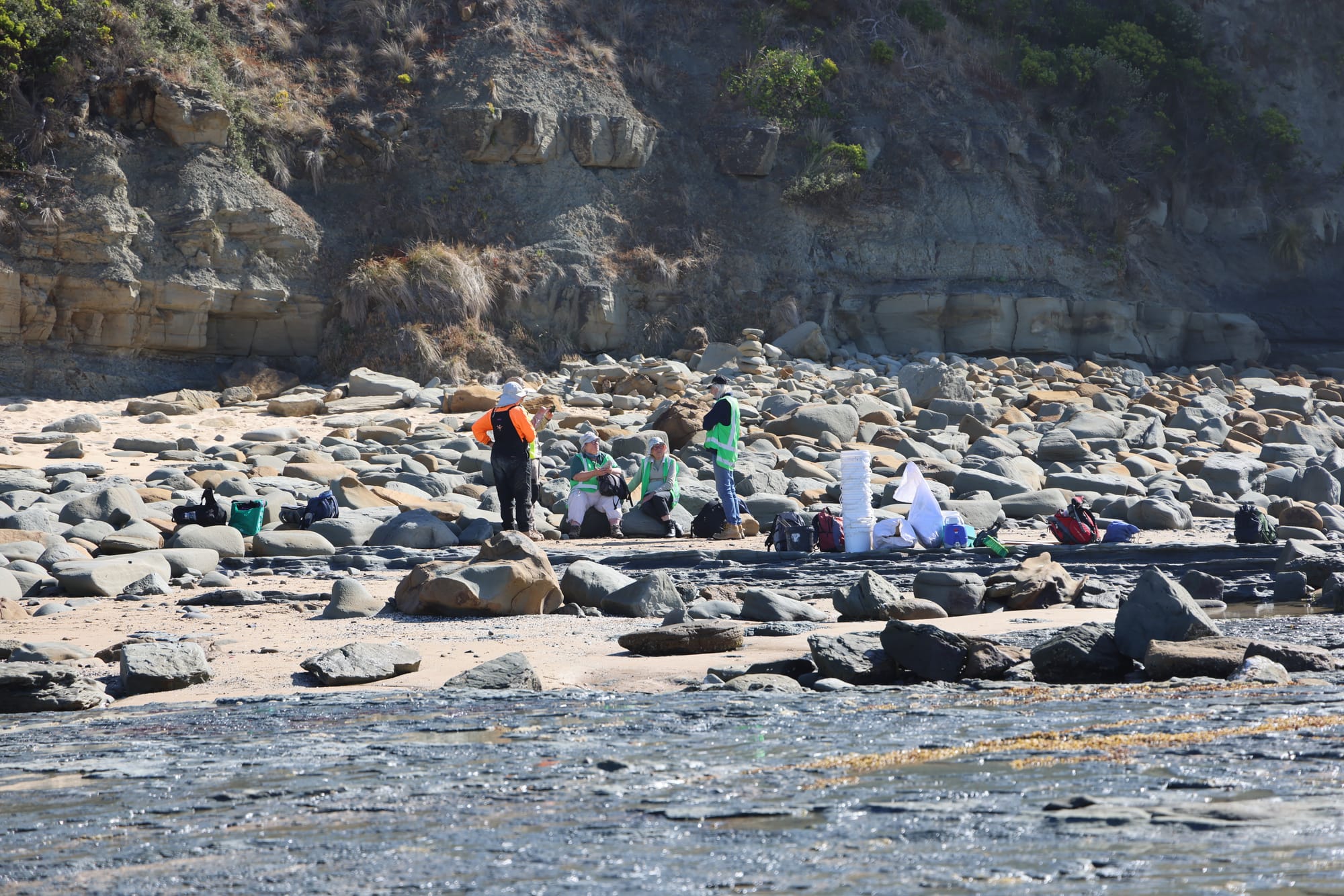
Crew members have been climbing down to the beach at Twin Reefs looking for the remains of the creatures that lived there 126 million years ago. So far this year, they have found many bones and a beautiful shiny tooth from an Australian ornithopod dinosaur.
The ornithopods were wallaby-sized plant eaters with a small beak for crushing the very hard vegetation that was plentiful during the Cretaceous period.
Dinosaur Dreaming volunteers have also collected excellent impressions of 126-million-year-old plants such as gingkoes and conifer cones.
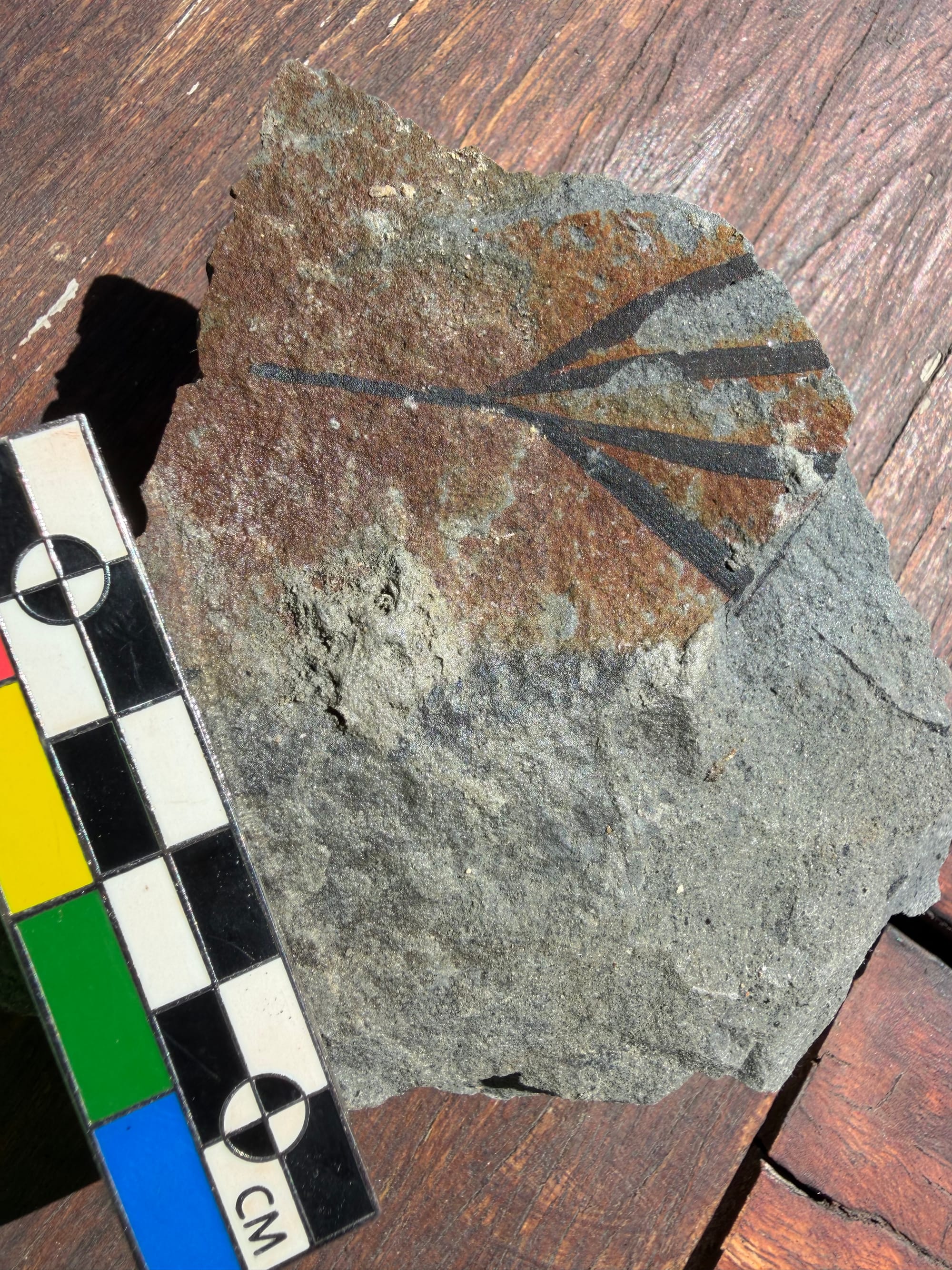
Gingkoes were not only dinosaur food but also tell us a lot about what the environment was like long ago.
There was no beach at Twin Reefs 120 million years ago but a riverbank with a lush forest that stretched from Mallacoota to the South Australian coast.
The Dinosaur Dreaming crew has also found bones of turtles and fish but have yet to find anything that they can positively identify as a big meat-eating dinosaur.
“We know that they were here because of bones from previous field seasons,” said volunteer Wendy White.
Dr Jake Kotevski of Monash University estimated the meat-eating dinosaurs were up to seven metres long and could have weighed in excess of half a tonne.
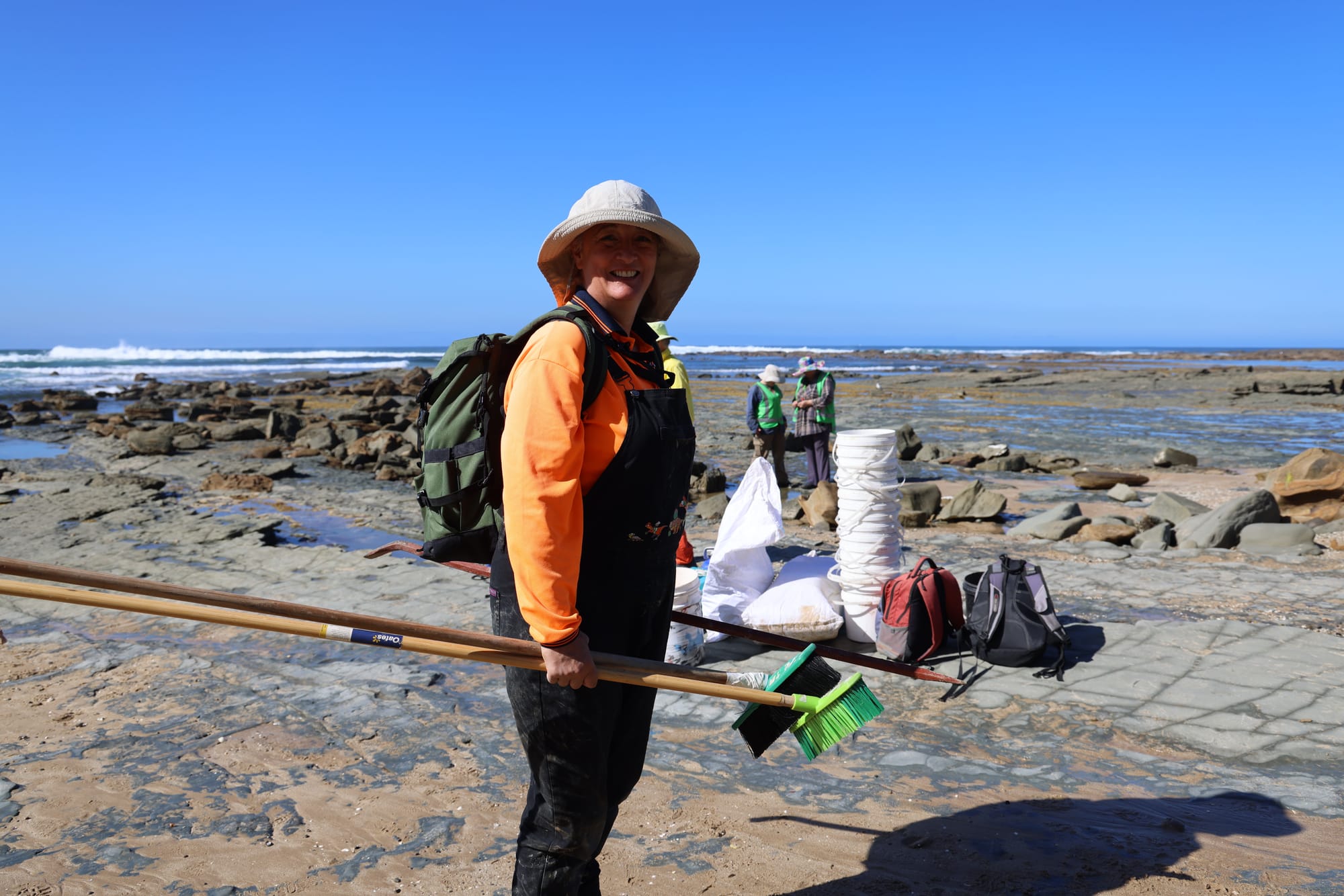
The bones and teeth of fossilised animals can be very small so when the tide forces the volunteers off the beach, they carry the remaining big chunks of rock up the steep cliffs so it can be broken down in the back yard of the dig house until it is sugar-cubed size.
Thousands of fossil footprints that belonged to a big meat-eater were found along the Otway coast this year and near Twin Reefs by volunteer Tim Wagstaff.
“That dinosaur could still be lurking in the rocks somewhere,” said Ms White.
Early sea turtles and semi-aquatic species of the Lower Cretaceous period were often armoured reptiles that thrived alongside the dinosaurs.
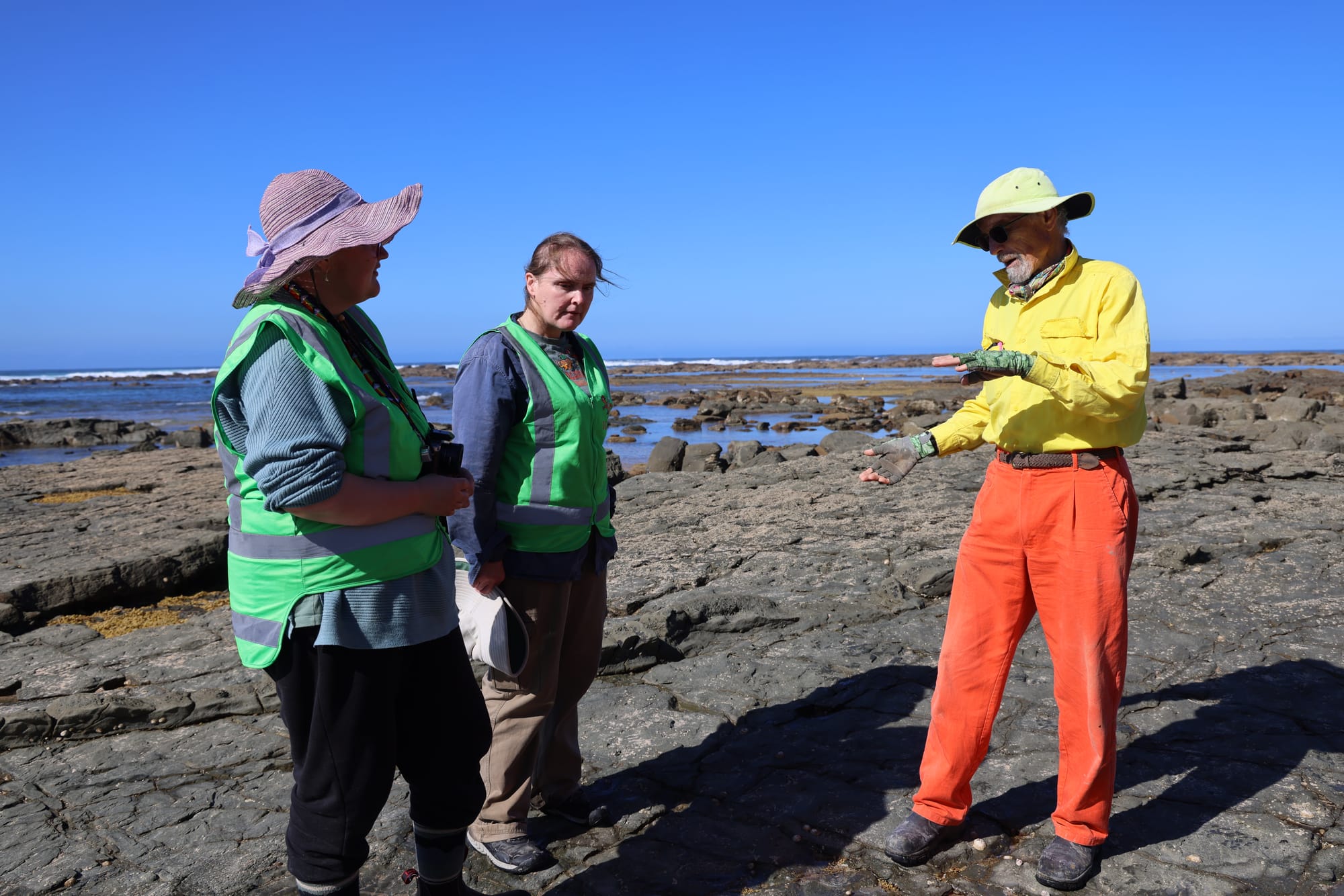
The Dinosaur Dreaming crew is convinced that they could find more bones of these ancient animals at any time.


