

Rise and rise of 'meth' use driving crime higher in regions
Several cases before Korumburra Magistrate Cynthia Lynch on Thursday, April 30 underscored the impact that the fearful increase in illicit drug use, particularly in regional areas, is having on law and order.


SEVERAL cases before Korumburra Magistrate Cynthia Lynch on Thursday, April 30 underscored the impact that the fearful increase in illicit drug use, particularly in regional areas, is having on law and order.
It was the same day that the Australian Criminal Intelligence Commission (ACIC) released Report 25 of the National Wastewater Drug Monitoring Program.
The report lays bare the scale, sophistication and relentless growth of Australia’s illicit drug markets over the past year with the scale of methylamphetamine use in regional areas off the charts.
One of those appearing in court on Thursday, to face a list of serious drugs charges, including trafficking a commercial quantity of ‘meth’, believed to be almost 70gm, and being in possession of a significant amount of cash, was a Bass Coast man, arrested by police in the streets of Wonthaggi in March this year.
The 40-year-old, who appeared by video link from prison, was remanded in custody to appear at a committal mention hearing at the Latrobe Valley Magistrates Court on July 28.
Several other cases before the courts also referenced drug abuse.
In one of them, the offender told police he was off his head on drugs when he stole two e-bikes, only one of which was recovered.
It was also revealed, in another case where a local man was appearing to answer a charge of breaching a community corrections order, that the original charge involved a drug-affected altercation with another person.
It’s a consistent feature of police work, right across the board, from family violence to aggravated burglaries, car theft and firearms offences, and indicated in many of the cases that come before the courts.
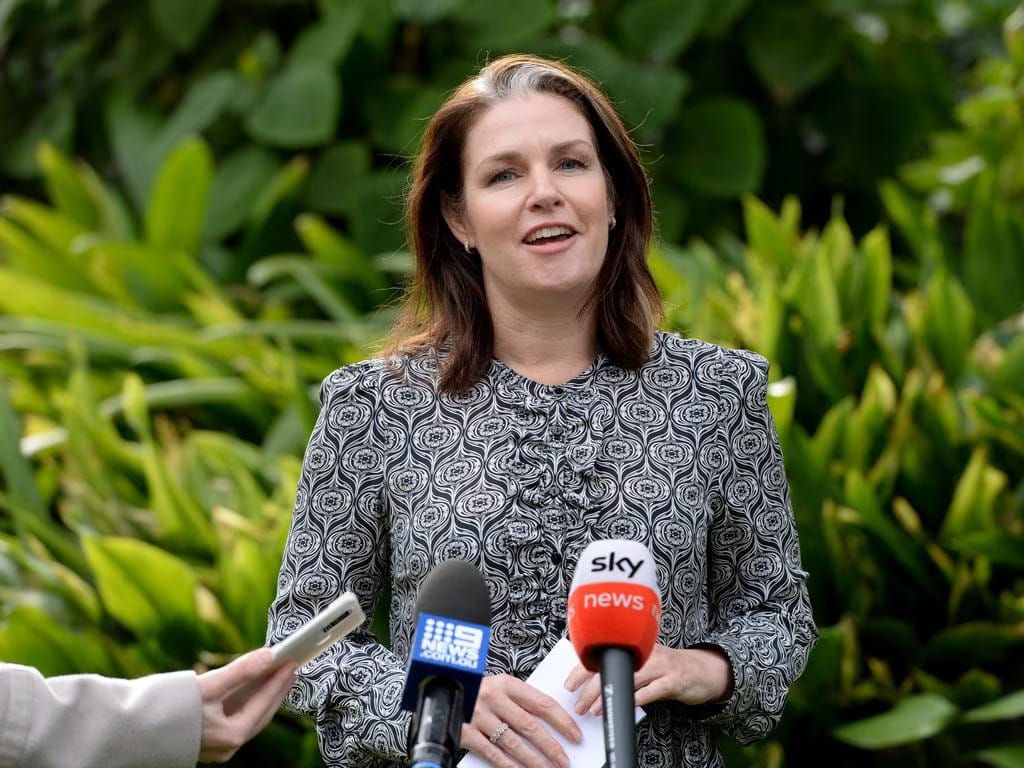
Shadow Minister for Mental Health, Emma Kealy, wasted no time highlighting how “damning new figures reveal regional Victoria’s drug use is on the rise”.
She said cocaine, fentanyl, heroin, ketamine, MDMA and methylamphetamine consumption is higher since the current premier came to office in September 2023, according to the latest report from the National Wastewater Drug Monitoring Program.
The report, she said, indicated regional sites in Victoria consistently had relatively higher excretion levels of MDMA than the national average, while also consuming more of the highly addictive prescription painkiller oxycodone per capita.
Ms Kealy said Victoria’s illicit drug market is continuing to flourish with criminal networks targeting regional towns and cities.
“High-risk drug use affects not just the individual, it impacts our emergency services, our police, and our regional communities,” said the Nationals deputy leader.
“The fact that these drugs are being consumed in higher quantities in regional areas proves the Labor Government has failed to keep regional Victorians safe from addiction and associated illicit drug trade.
"Vulnerable Victorians are suffering as the Alcohol and Drug treatment system is overwhelmed by chronic demand. When our youth in particular need help to access drug and alcohol treatment, too often they can’t get it.
“As Victorians approach the budget, the Allan Labor Government must start taking this growing issue seriously. It is clear more investment and more support is needed,” she said.
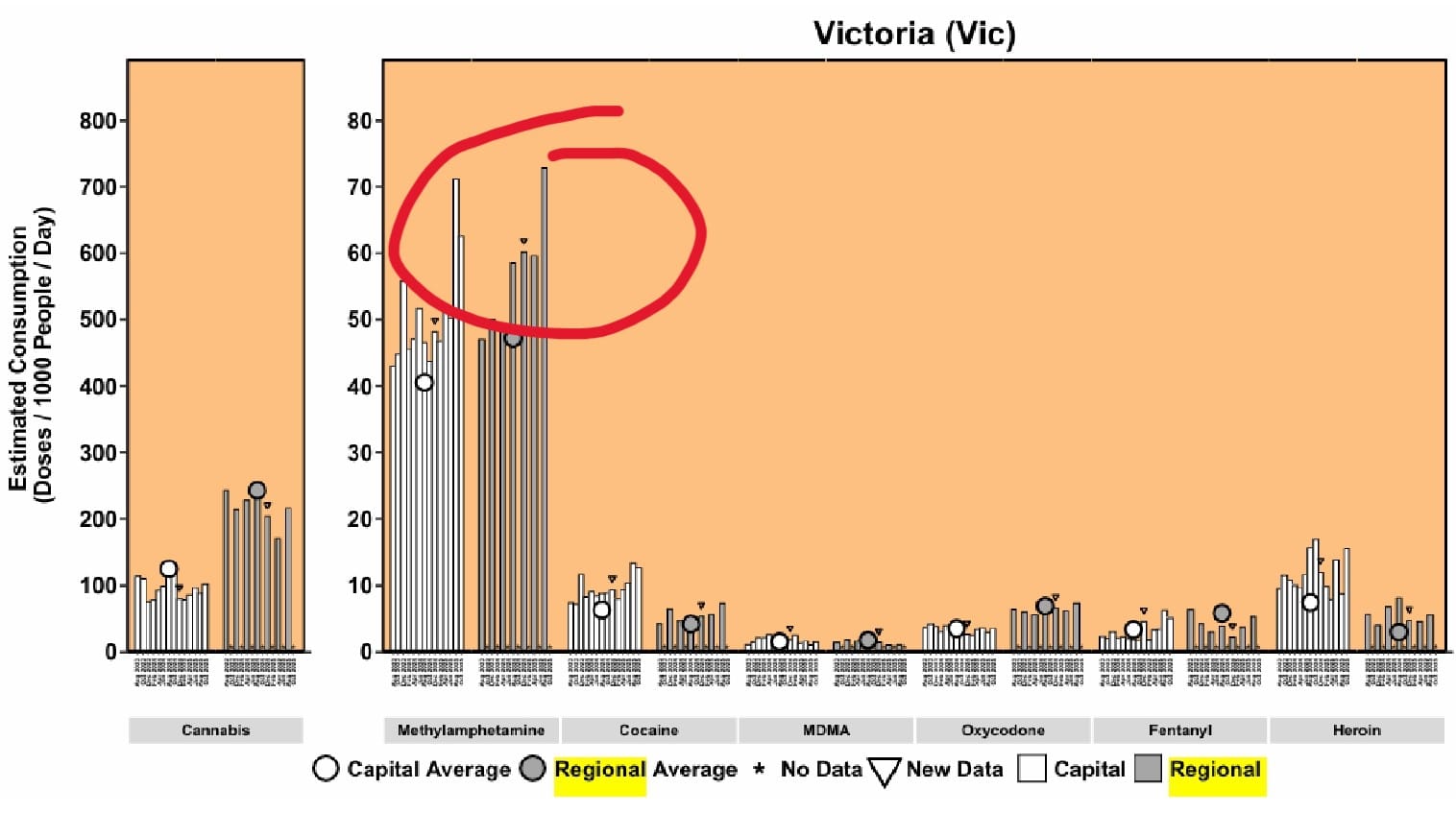
What sewerage report says about drug use
Drawing on anonymised wastewater samples from sites across the country, the National Wastewater Drug Monitoring Program report exposes powerful evidence of entrenched drug demand, the expanding reach of serious and organised crime groups, and clear signals of emerging substances shaping the nation’s illicit drug landscape.
“Across the reporting period, wastewater analysis shows methylamphetamine consumption reached the highest levels recorded since the program commenced in 2016, with both capital cities and regional areas exceeding all previous annual averages. Cocaine consumption also reached record highs nationally, continuing a multi-year upward trajectory, while MDMA use showed a wave-like pattern, peaking in late 2024 before moderating. Heroin consumption has fluctuated over the period, with record capital city consumption in October 2025 and regional consumption in August 2025 the second highest on record.
“Regional areas continued to record substantially higher per capita consumption of methylamphetamine, cannabis and oxycodone compared with capital cities, while cocaine, heroin and ketamine consumption remained consistently higher in capital cities. These capital–regional differences have persisted across multiple reporting periods and jurisdictions.
“The findings confirm that Australia continues to face a highly dynamic, resilient and profit-driven drug market, fuelled by transnational supply chains, innovative concealment methods, and increasingly adaptive criminal syndicates. In addition, the report reveals compelling multi-year trends, with the additional data enabling clearer visibility of how drug markets evolve in response to global shocks, supply-chain disruptions and major law enforcement actions. This long-term lens shows a sustained and increasing national demand for key illicit drugs, particularly stimulants.
“The findings also underscore the crucial role of wastewater intelligence in Australia’s national security and public health architecture. By providing timely, population level insights into drug consumption that are unavailable through any other dataset, the program enables agencies to identify emerging threats, forecast shifts in the drug market, deploy responsive interventions and measure the effectiveness of interventions. The ACIC’s wastewater monitoring program remains a cornerstone of cross-agency cooperation, shaping enforcement priorities, informing harm-reduction strategies and supporting evidence-based policymaking across all levels of government.
The report and more information are available on the ACIC website.
If you witness suspicious behaviour connected to drugs report it immediately. Speaking up can help protect the community and support ongoing investigations. To provide anonymous information, contact Crime Stoppers on 1800 333 000 or submit a report online at https://crimestoppers.com.au
There are a range of treatment and support options available if you or someone you care about is experiencing problems associated with drugs. If you are unsure of what help might best meet your needs, contact your local doctor, visit Counselling Online or call the National Alcohol and Other Drug Hotline on 1800 250 015 to discuss your situation and work out what might be the best option.


