Thermal drones boost detection of entangled seals


SEAL Rocks is the world’s largest Australian fur seal breeding site, where there is a high prevalence of entanglement, particularly with fishing lines. New thermal drone technology has improved detections of entanglement and offers a greater opportunity to save wildlife from unintended harm.
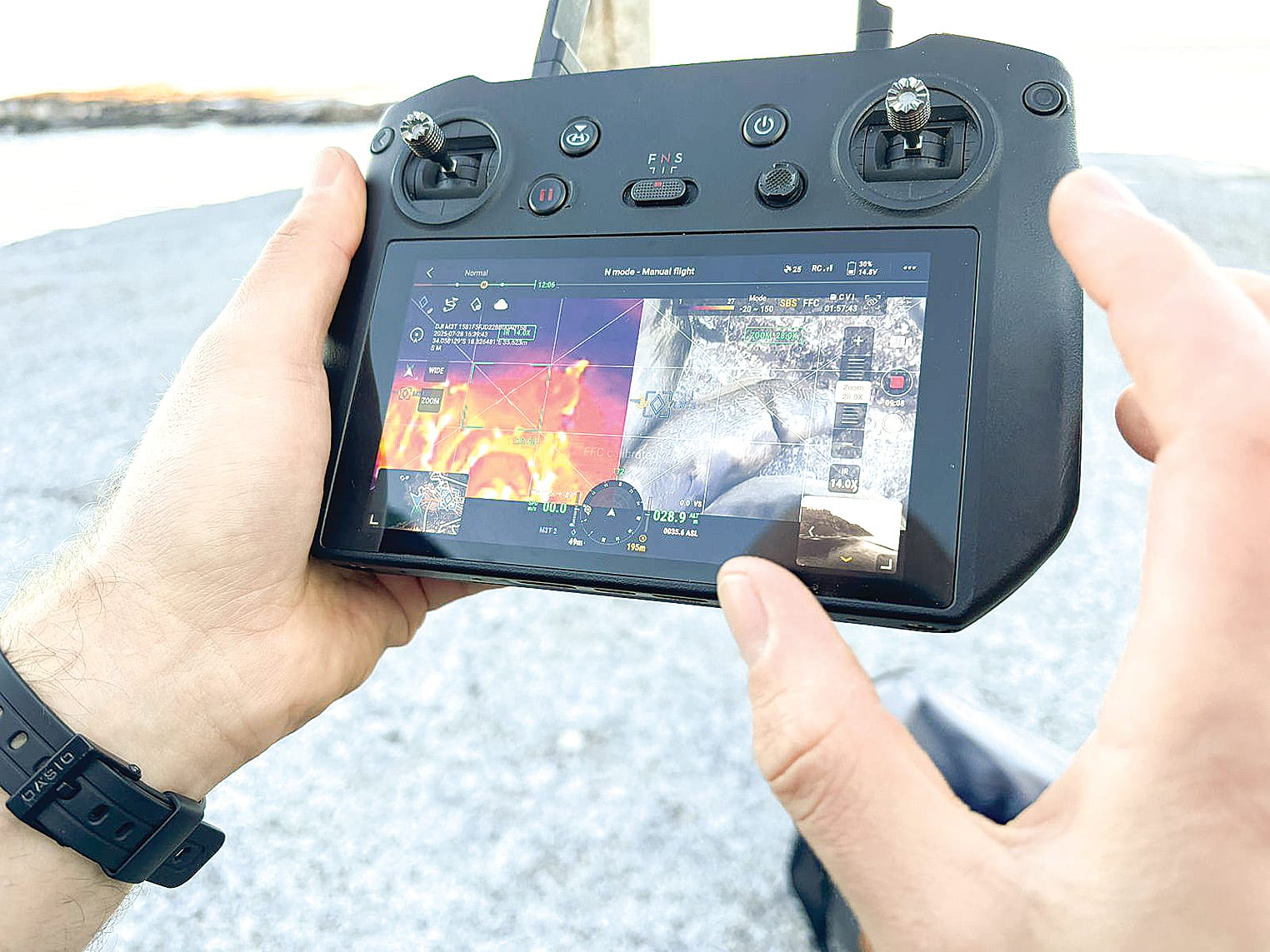
Colour and thermal-infrared technology in drones was used at Seal Rock to detect marine debris entanglements in fur seals. The technology can also detect shark bites and other injuries on fur seals that show up as elevated temperatures.
Phillip Island Nature Parks Marine Scientist Rebecca McIntosh said using thermal drones to scan fur seal colonies is a breakthrough for conservation.
“This technology allows us to see subtle heat signatures that reveal injuries and entanglements from the air that can normally be difficult to see,” Dr McIntosh said.
“It means we can detect at-risk seals earlier, intervene with better information and ultimately improve welfare outcomes and better understand trends in entanglement and impacts on the population as a whole.”
The researchers have already begun sharing their technique with the wider marine science community, recently trialling the same technology successfully with the City of Cape Town and Two Oceans Aquarium in Cape Town, South Africa, with Cape fur seals, with similar results.
“By combining innovation with our longstanding commitment to the conservation of marine wildlife, we’re gaining a clearer picture of how marine debris can affect seal colonies and what we can do to protect them,” Dr McIntosh said.